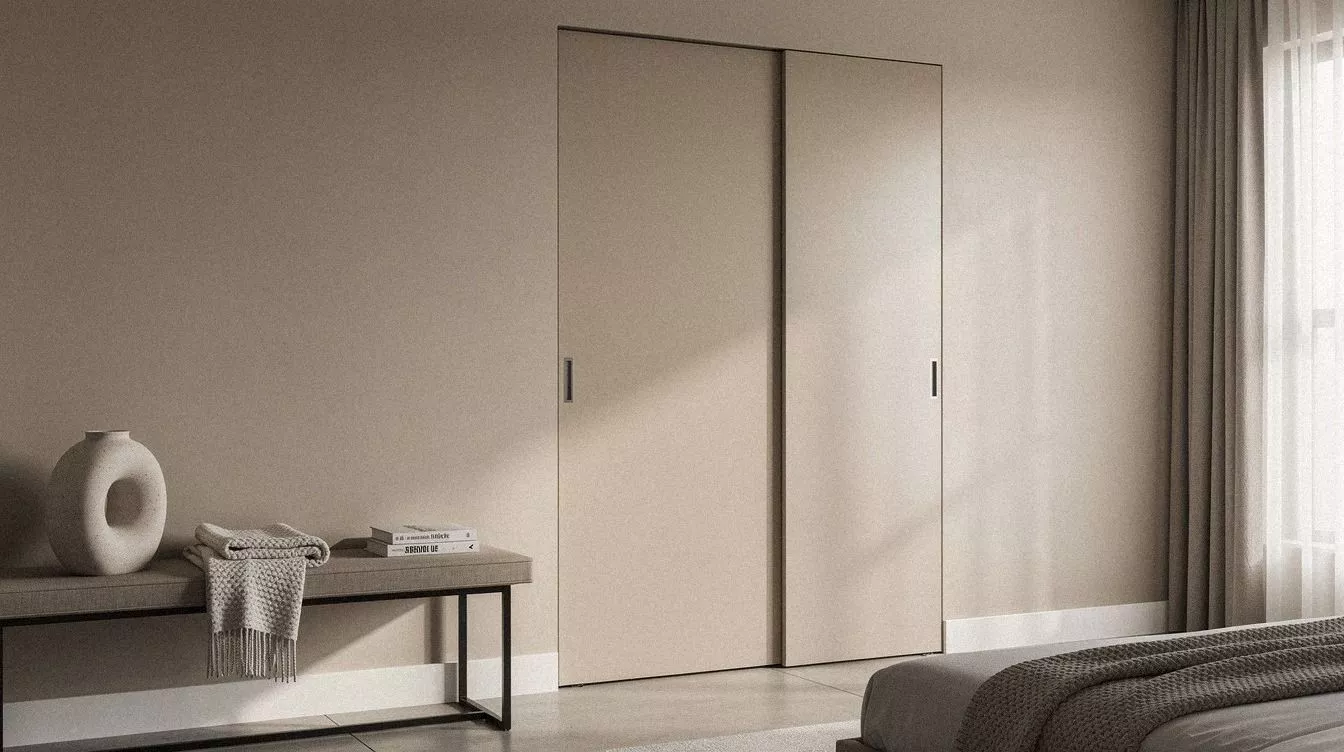
Hidden closet door ideas to ditch the bifold usually cost far less than people think, and the easiest versions start around the price of paint and trim. I learned that after wasting money on replacement doors I didn’t even like. The better move was making the closet disappear into the room I already had. And once you see that, you won’t look at a rattly bifold the same way again!
- Paint closet doors into the wall color
- Panel the doorway with slim shaker trim
- Wrap doors in matching grasscloth wallpaper
- Install a pivot mirror that disappears
- Build bookshelves across the closet opening
- Add fluted wood over flat closet doors
- Mount oversized art on hidden hinges
- Use slatted panels to blur door seams
- Frame the closet with wardrobe-style molding
- Blend bifold doors behind curtain panels
- Conceal hardware with a push-latch system
- Run picture-frame trim across the reveal
1Paint closet doors into the wall color
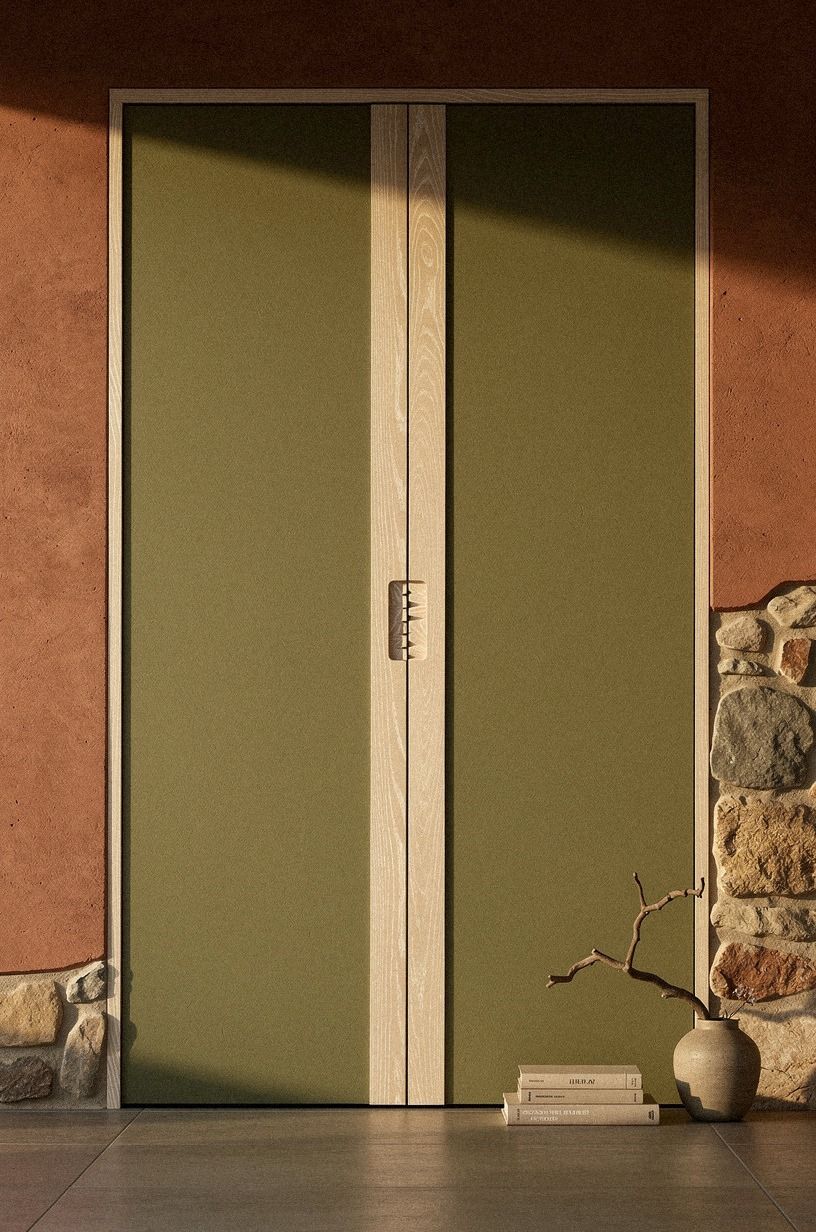
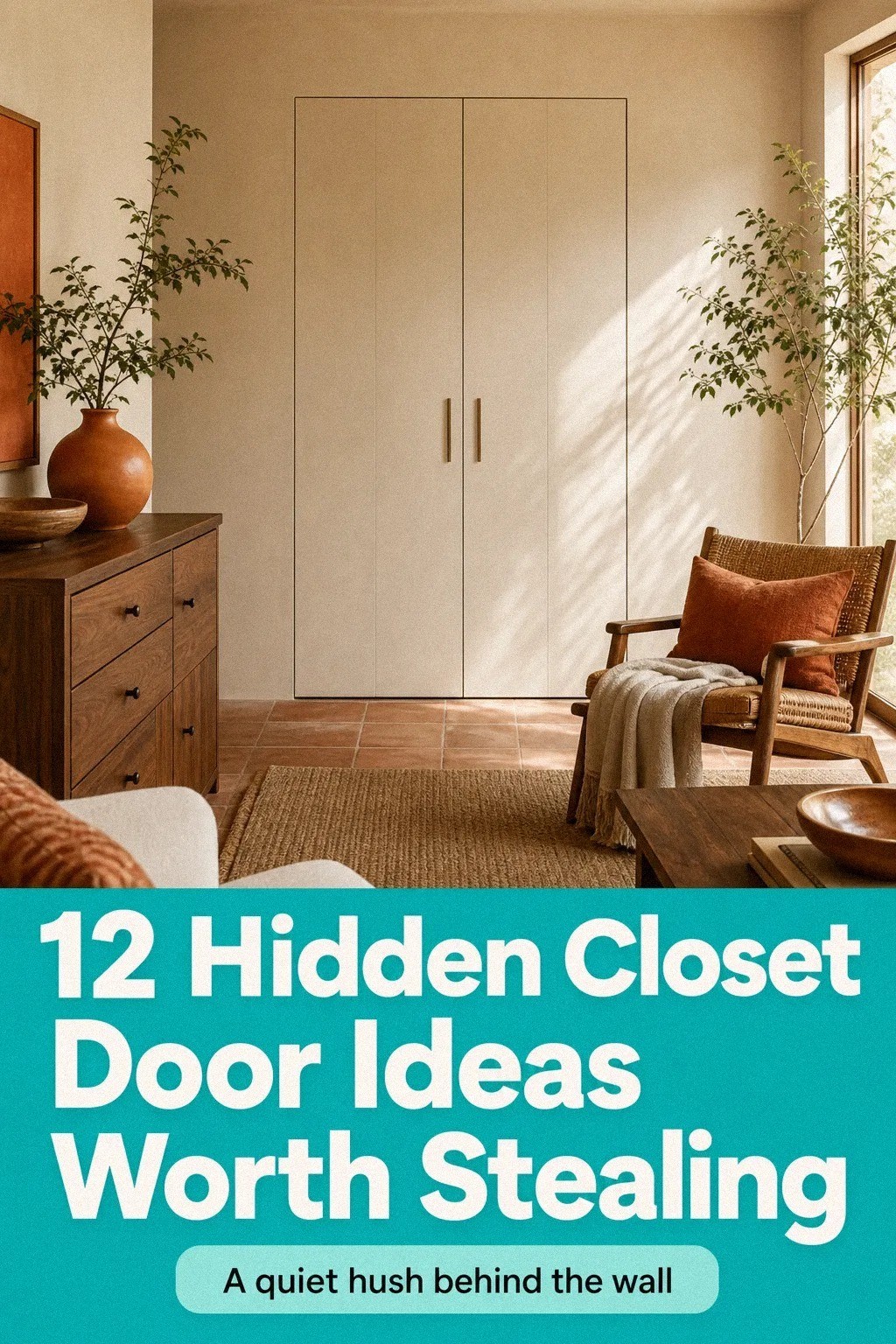
Start with paint before you start pricing new doors. If your closet sits on a terracotta, stone, or olive wall, the fastest win is making the door panels read as part of that surface instead of a separate object. I did this once with Benjamin Moore Pale Oak OC-20 in a narrow guest room, and the cheap bifold suddenly stopped bossing the whole wall around.
Use the same finish on the trim, the door face, and the frame if you want the line to blur. Satin on the door and eggshell on the wall sounds harmless, but you’ll see the seam every time afternoon light hits it. For a lighter version, Sherwin-Williams Alabaster SW 7008 softens the wall without making the closet look chalky.
If you want more depth in a north-facing room, Farrow & Ball Drop Cloth No.283 sits closer to a true putty that holds warmth without going yellow. If you’re already studying other concealment ideas, the wall-spanning examples in this hidden TV wall guide show why a single-color field works so well, and these concealed door-in-wall moves prove paint alone can carry the whole effect.
But here’s the part people underestimate: one sample pot is often enough to prove the whole idea before you commit.
2Panel the doorway with slim shaker trim
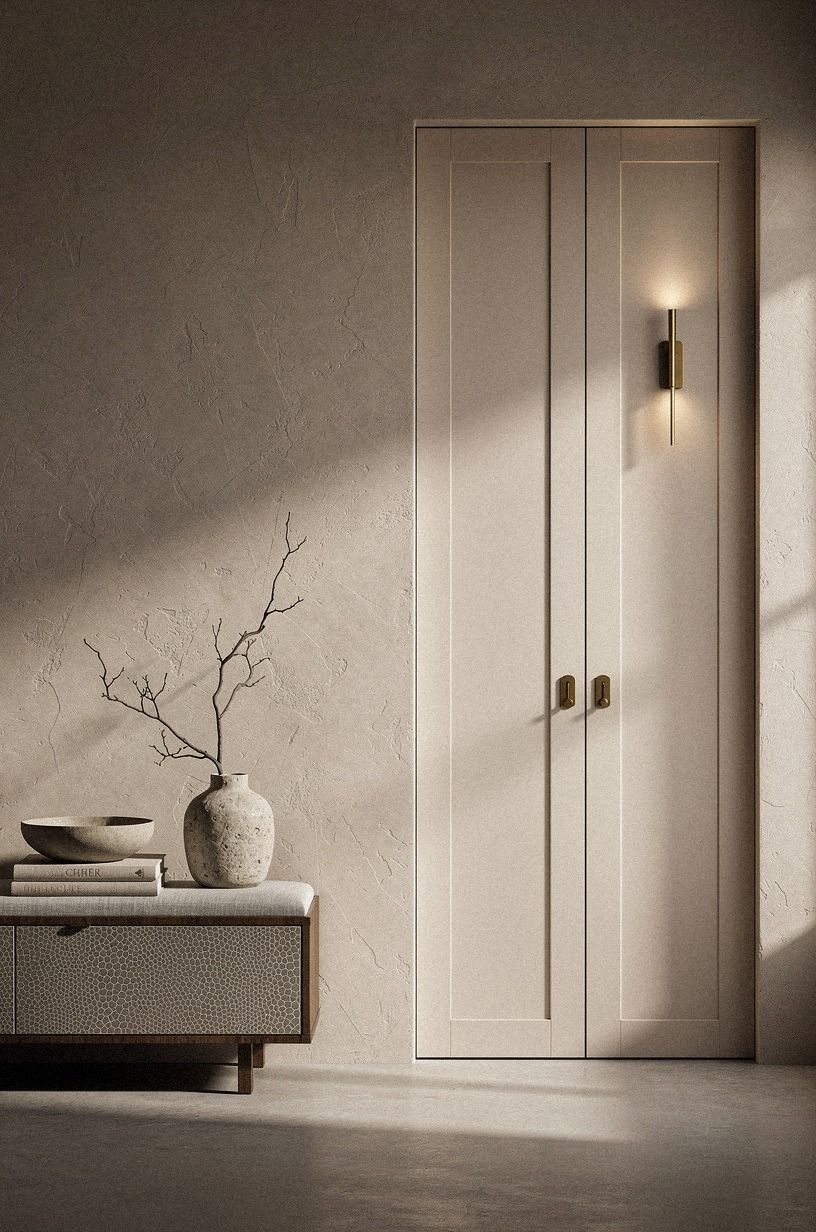
Skip chunky molding here. Slim shaker trim is what makes a hidden closet feel architectural instead of costume-y, especially when the lamplight catches those narrow rails and stiles on a warm evening. You want the closet to join the room’s rhythm, not announce itself like a tiny stage set.
Think restrained lines, about 2 to 2.5 inches wide, with enough shadow to read from the doorway.
I like this move best when your wall already has a little formality to it.
Farrow & Ball All White No.2005 keeps the look crisp against a slightly warmer wall.
3/4-inch solid poplar gives you clean edges that don’t fuzz out under paint.
1/2-inch MDF picture molding can step in for a budget version, but you’ll want to seal the cut ends or the first humid week can lift the grain. But don’t overbuild it.
If your bifold has deep recessed panels already, adding thick trim on top can make the whole thing feel swollen. You want a hidden closet, not a fake armoire nailed to drywall.
3Wrap doors in matching grasscloth wallpaper
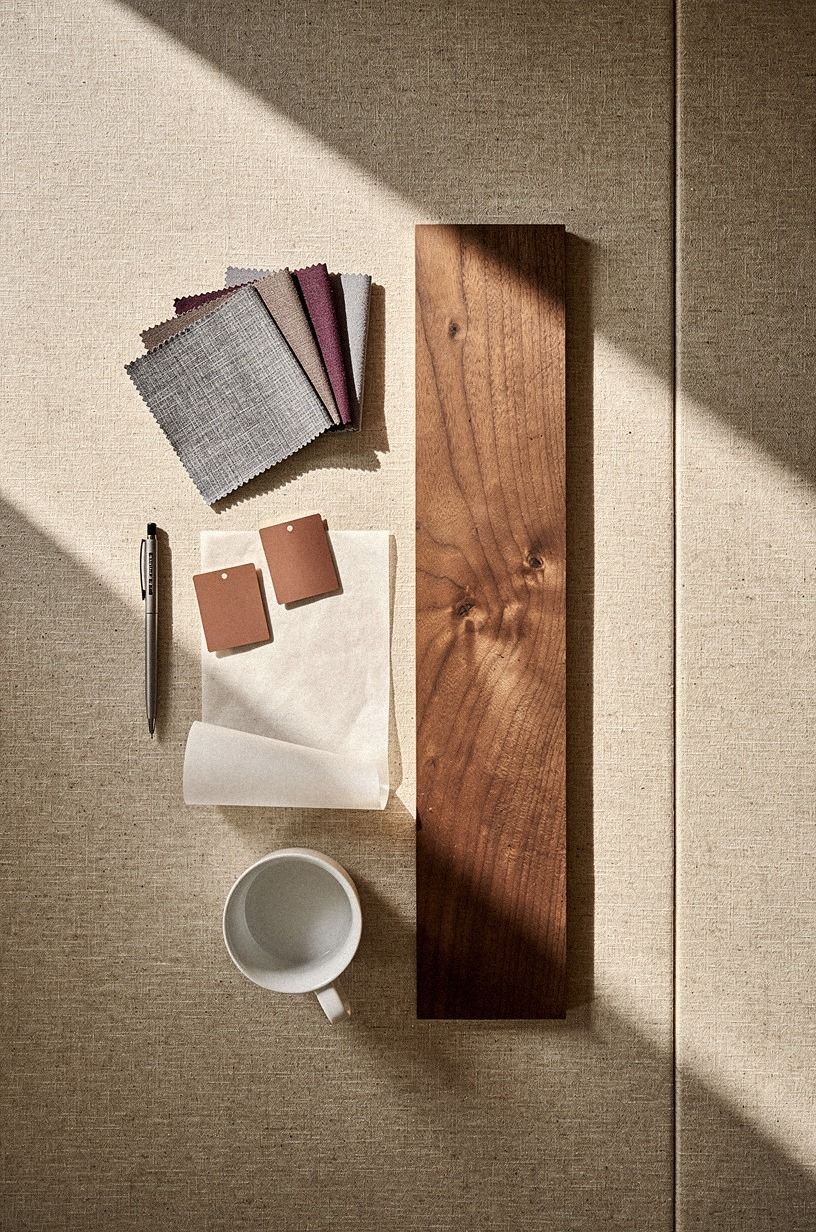
Wallpaper works when paint still leaves too much outline. If your room leans airy and warm, wrapping both the wall and the closet doors in matching grasscloth lets the seam dissolve into the texture.
That’s the whole move here: the eye reads weave first and gap second. And honestly, that’s why this idea feels so editorial in real life.
Choose a tone with a little movement, not a flat beige that turns dull by noon.
Phillip Jeffries grasscloth in a sandy flax tone is gorgeous, and the weave catches lamplight beautifully.
A renter-friendly lookalike from Target Threshold can get you most of the way there for less.
I wouldn’t use this in a high-splash zone, but in a bedroom or dressing wall it’s incredibly forgiving. For an even softer hand-painted feel, peach-fuzz grasscloth wallpaper reads like velvet on the wall and hides the seam even better. If you like concealment that depends on surface texture more than hardware, these hidden sliding door examples are worth a look too, and this peel-and-stick test shows which removable versions actually hold up past month three.
4Install a pivot mirror that disappears
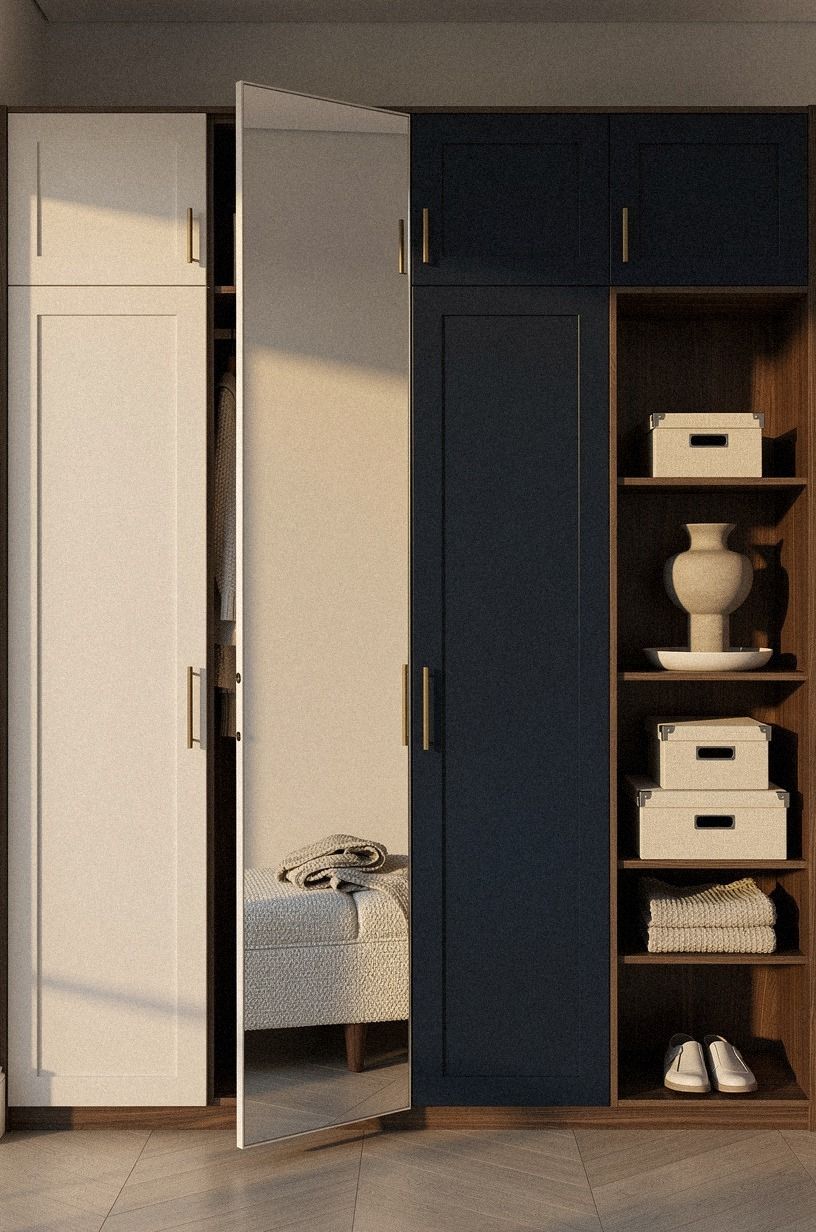
A mirror door is one of those ideas people assume will look dated. It doesn’t, if the mirror is treated like a wall panel and not a gym closet leftover.
In a navy, white, and walnut room, a pivot mirror gives you function and concealment at the same time, which is hard to beat in a small footprint. You open the closet, check your outfit, close it, and the wall goes quiet again.
The frame matters more than the mirror. A thin walnut veneer surround feels intentional, while shiny builder-grade aluminum will drag you straight back to apartment vibes.
I also like a concealed pivot for tight rooms because you don’t need the accordion clutter of a bifold swing. If your closet wall is at least 6×8 ft overall, the mirror can act like a light booster instead of a visual interruption. Worth it.
For an even bolder treatment, this full-length hidden mirror door leans all the way into the move, and the corner-mirror move at 45 degrees doubles the daylight for almost no money.
And why spend on replacement doors if the wall itself can do the hiding?
5Build bookshelves across the closet opening
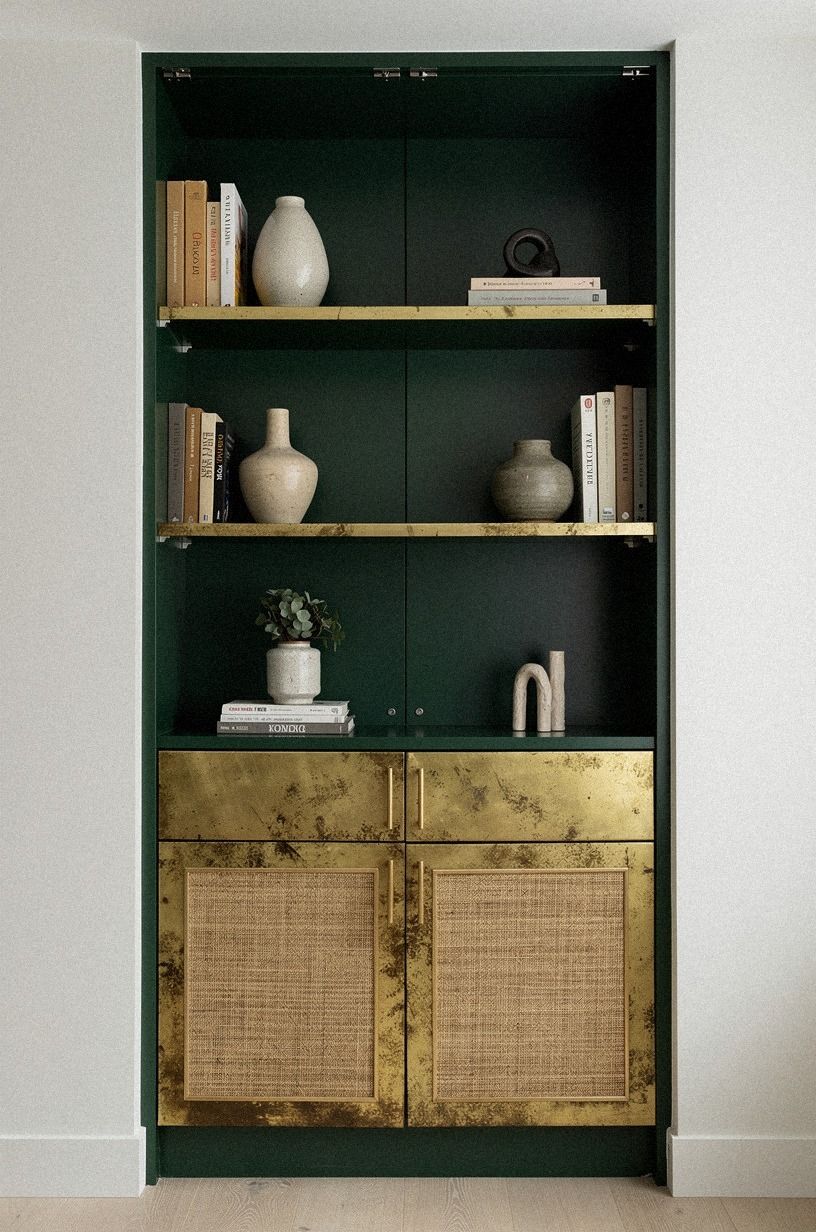
This is the boldest option here, but it can look incredible when the room already wants storage. A bookshelf door works best in a rich emerald or walnut scheme where you can style the shelves lightly and let the opening disappear into symmetry.
You don’t need to pack it full. In fact, you shouldn’t.
Think edited.
IKEA BILLY with extension height doors can be adapted into a built-in look.
You can step up to West Elm Mid-Century shelving if you want deeper wood tone and thicker lines.
CB2 Acacia shelving lands right in between for a more grown-up built-in feel.
A brass-pulled library look finishes the move if you’re styling the shelves after.
I made the mistake of overfilling a shelf door once, and it looked nervous instead of elegant. A small stack of books.
One ceramic bowl. A box in aged bronze.
That’s enough. If this is the part of hidden storage you love most, this closet-to-bar transformation shows how good a concealed opening can feel when it serves a real mood, the hidden bookcase door roundup keeps the move timeless, and this IKEA BILLY built-in redo lands a $59 starting point.
6Add fluted wood over flat closet doors
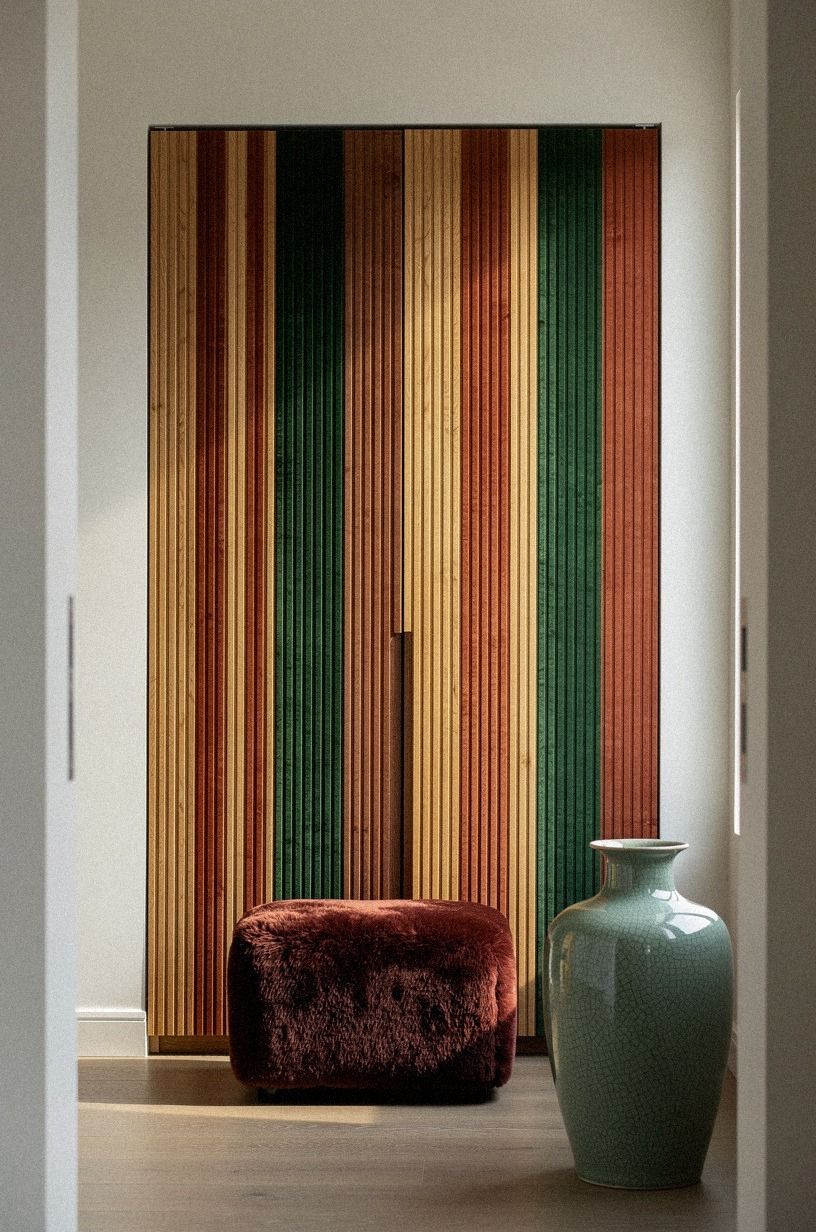
Fluting is doing a lot of work right now, but this is one place the trend earns its keep. Vertical reeding distracts from door breaks and makes a flat closet face look custom, especially when you catch it through a second doorway and see that soft shadow line running floor to frame.
It adds movement without asking for bold color. That’s rare.
I prefer a medium oak tone over anything too orange.
Cerused white oak keeps it modern and a little warmer than raw pine.
A ready-made panel from Lowe’s RELIABILT works for a one-weekend install.
A trim-sheet product in MDF fluted slats gives you a more budget-friendly route without losing the look.
Unlacquered brass fluted trim caps finish a luxe version beautifully, especially against a deep navy or clay wall. Keep the groove scale narrow if the closet is small.
Heavy, chunky fluting can make a shallow wall feel clumsy. And if your door already binds, fix that first, because extra panel weight won’t forgive bad hinges.
7Mount oversized art on hidden hinges
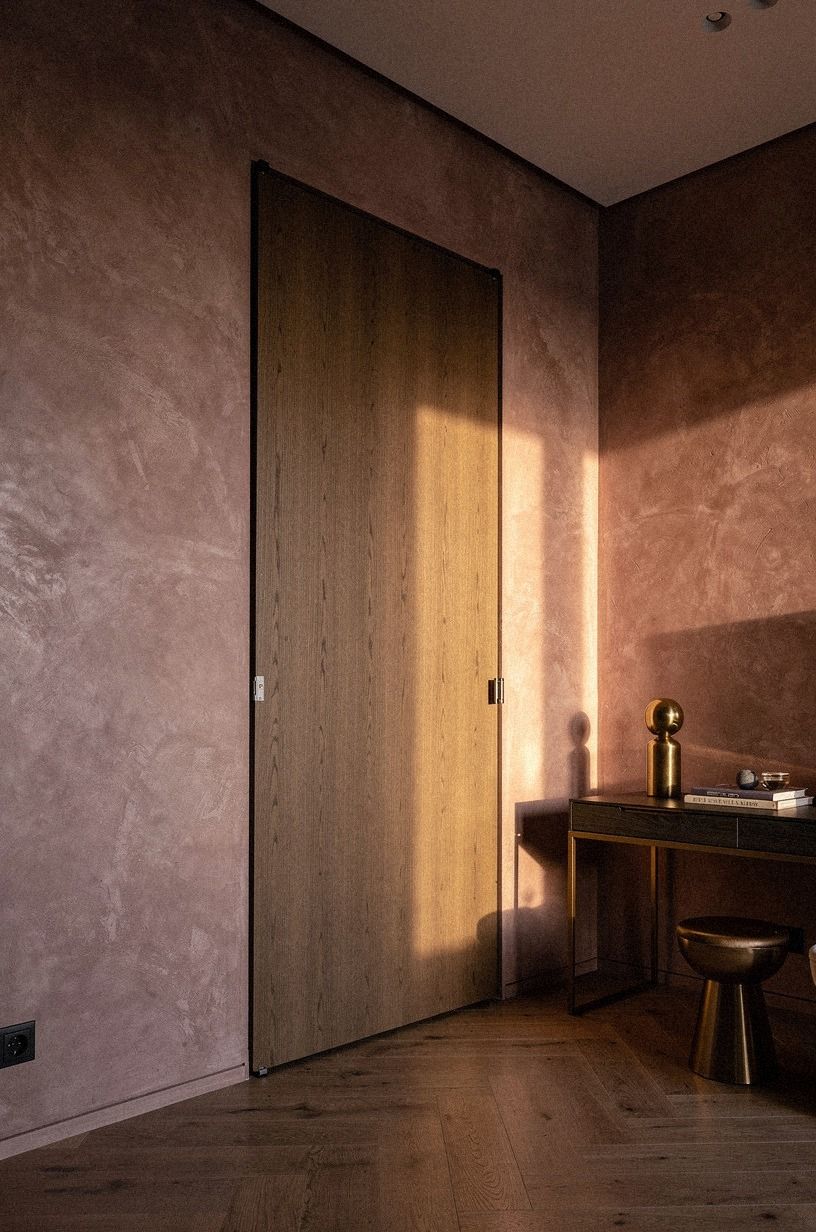
Art is the move when you want the closet to disappear emotionally, not just visually.
8Use slatted panels to blur door seams
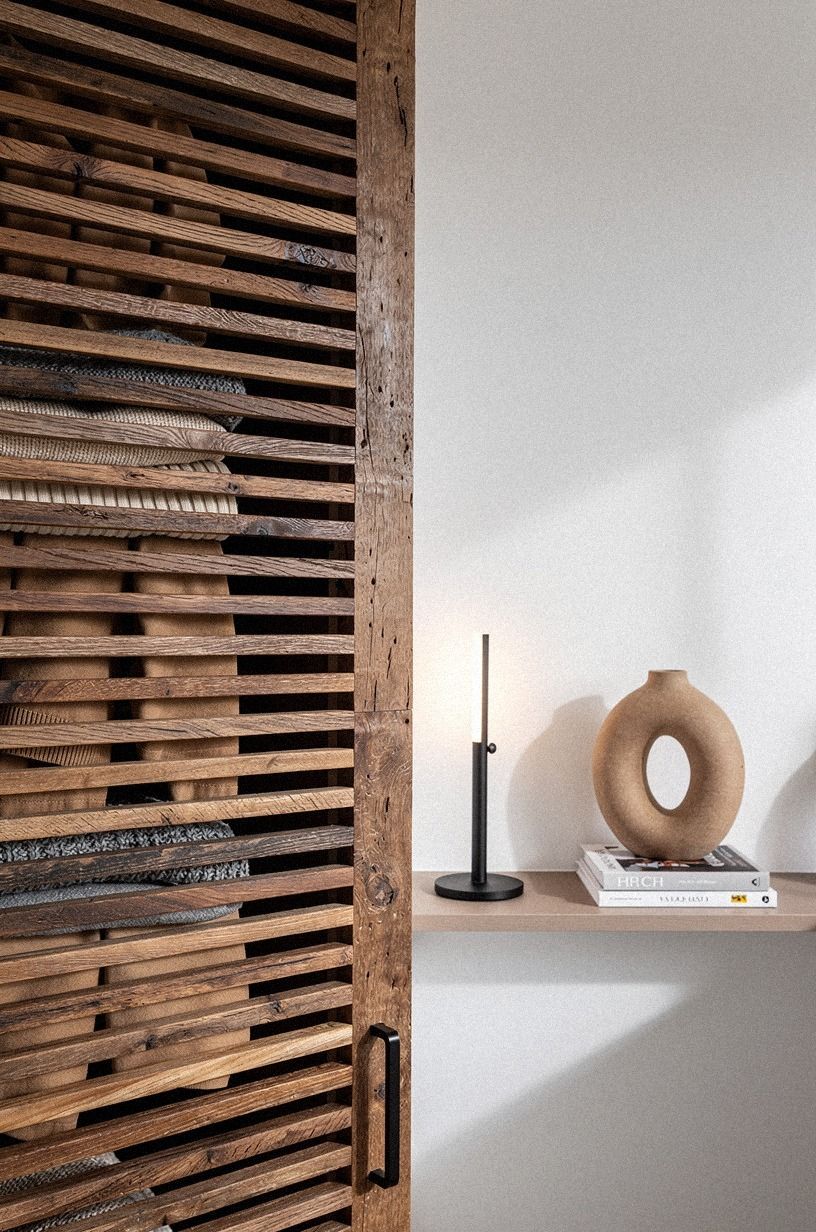
If you like the idea of a hidden closet but want more ventilation and rhythm, slatted panels do both. The repeated vertical lines break up the exact points where a bifold seam would normally shout at you. In a room with warm lamps and daylight together, that soft striping reads almost like architecture rather than furniture.
Very clean. Very calm.
This is where I use what I call the Three-Line Blur Rule: narrow slats, shallow shadow, and a panel color close to the wall. Miss one of those and the effect weakens fast.
Oak tambour sheets can be beautiful and very forgiving on a wall that isn’t perfectly flat.
Painted MDF slat kits keep the price easier to swallow.
Reclaimed teak reads warmer and catches the light beautifully in a south-facing room. If you’re drawn to linear concealment, this hidden TV wall walkthrough and these sliding solutions both show how repeating lines help the eye skip over the opening, while these pocket-door ideas take the same logic and slide it into the wall instead.
And when the light hits those slats at night, the wall gets better, not busier!
9Frame the closet with wardrobe-style molding
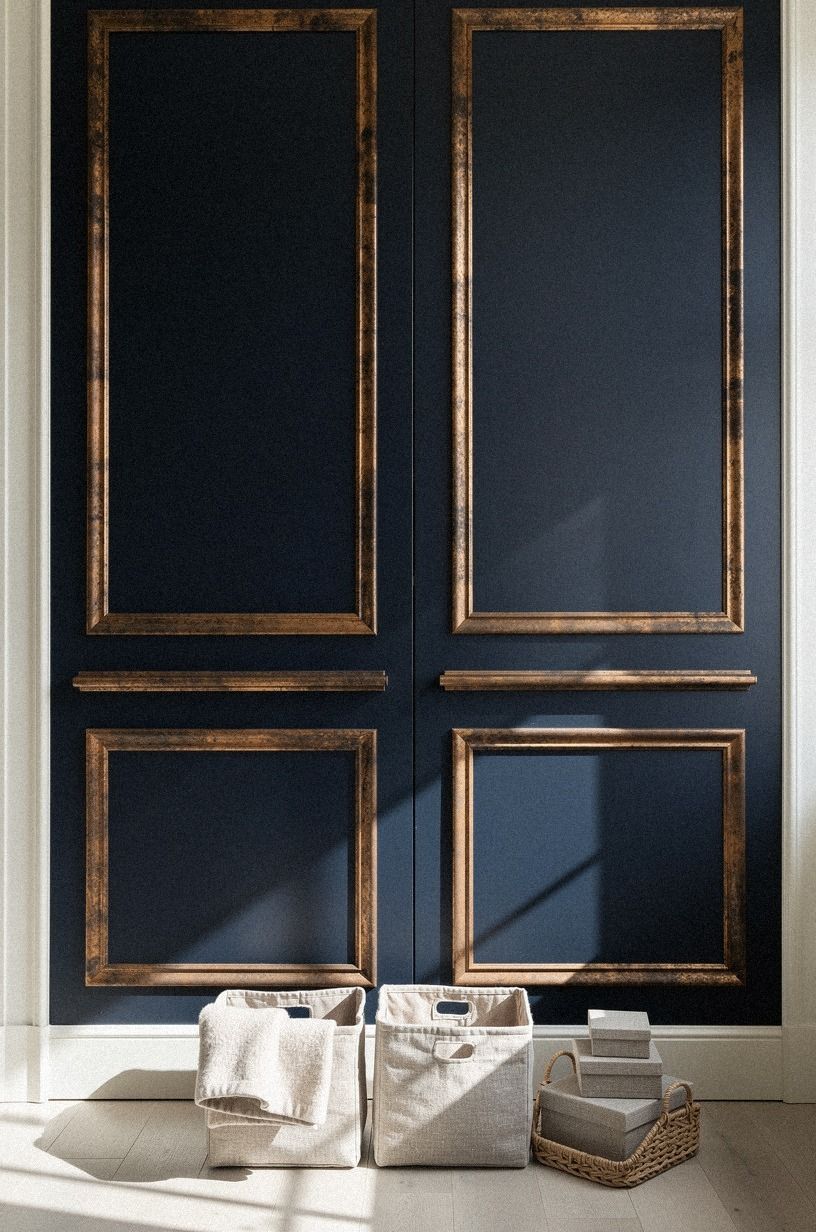
Sometimes the smartest move isn’t hiding the opening completely.
10Blend bifold doors behind curtain panels
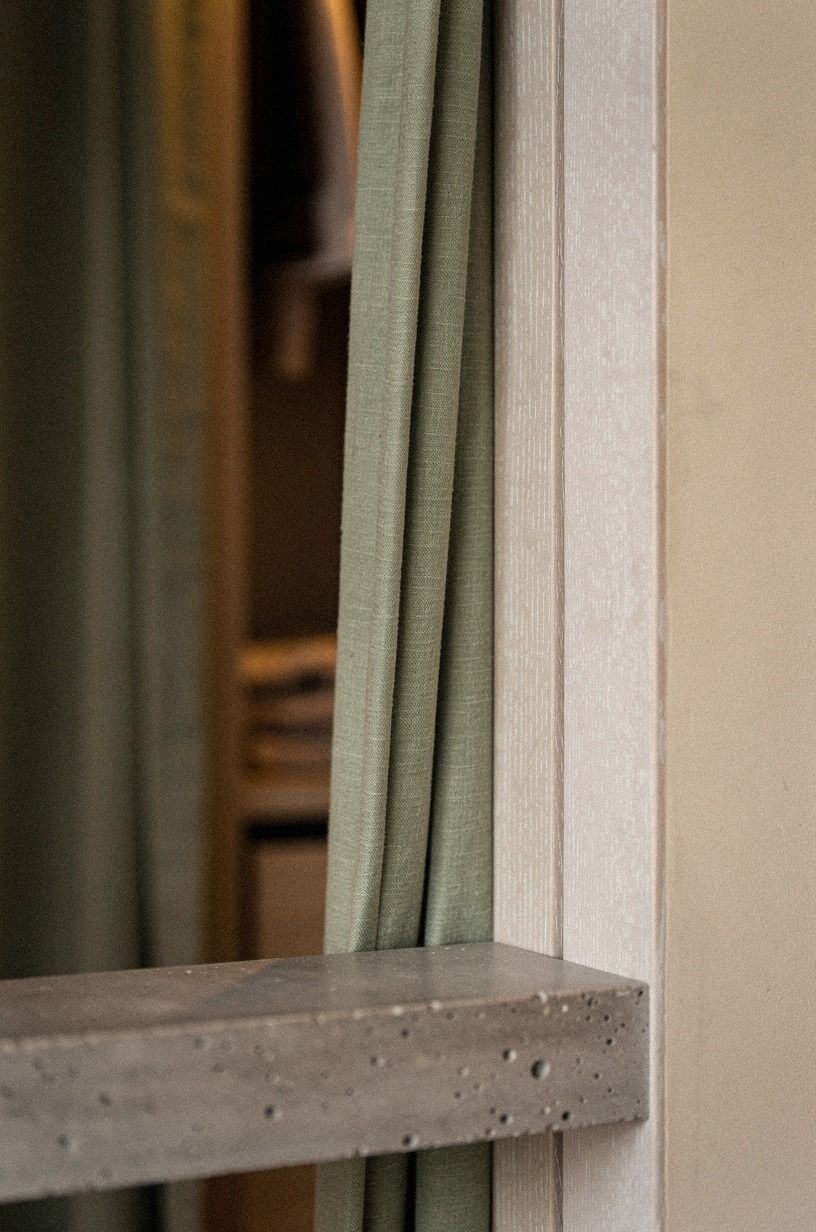
Yes, curtains can save a bifold. And yes, they can look grown-up if the fabric is right. The close-up detail that sells this idea is texture: soft linen folds, a rod that doesn’t scream dorm room, and enough fullness that the door shape disappears behind the drape instead of printing through it.
That’s why this one works so well in rentals.
Use a ceiling-mounted track or a slim rod placed wider than the frame so the opening feels broader when the panels are closed.
IKEA SANELA velvet works if you want depth and a richer drape.
Belgian flax linen keeps things lighter and more relaxed.
West Elm Belgian linen curtains step up for a heavier drape that pools nicely on the floor. I wouldn’t cheap out on the fullness ratio either. Two to 2.5 times the opening width is what gives you that soft stack instead of a limp sheet.
If you’re working around an awkward swing, these hidden sliding door ideas can help you decide whether fabric or track hardware makes more sense, and this 2x fullness fix explains why most off-the-rack panels fall flat in the first place.
11Conceal hardware with a push-latch system
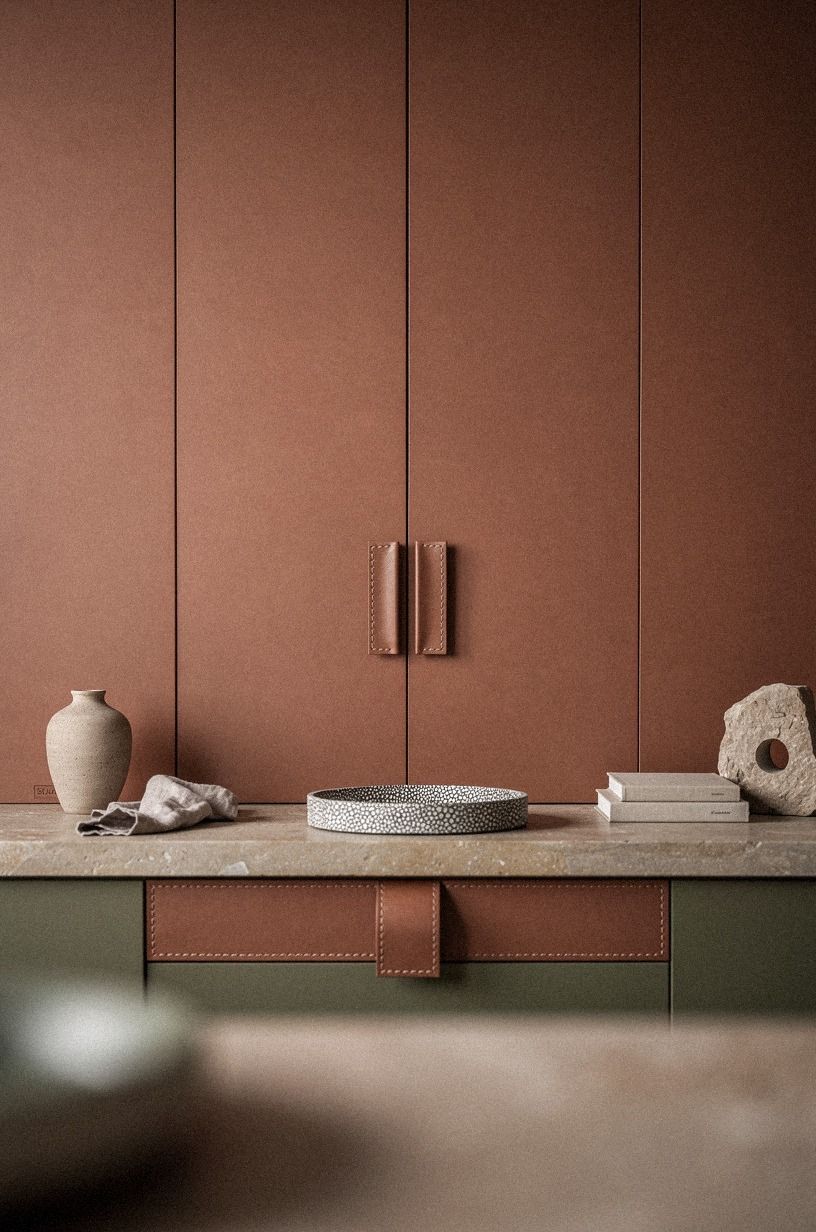
This sounds minor until you live with it. Visible knobs and pulls are often the dead giveaway that a wall is really a closet, so removing them changes the read immediately. A push-latch system lets the surface stay flush, quiet, and almost weirdly calm.
In the best way.
Use quality hardware here, not the flimsy kind that starts failing after a month. Blum TIP-ON hardware is a strong benchmark, and it works best on doors that are already adjusted properly.
Sugatsune push-latch is a quieter Japanese alternative that costs more than the Blum.
It feels closer to hotel-grade cabinetry the moment you press the door in.
If your closet opening is the minimum 4×4 ft, keeping the face clean matters even more because every little bump gets noticed. But test the spring pressure before you paint. Nobody tells you this, but an over-strong latch can make a lightweight panel slap back harder than you’d expect.
12Run picture-frame trim across the reveal
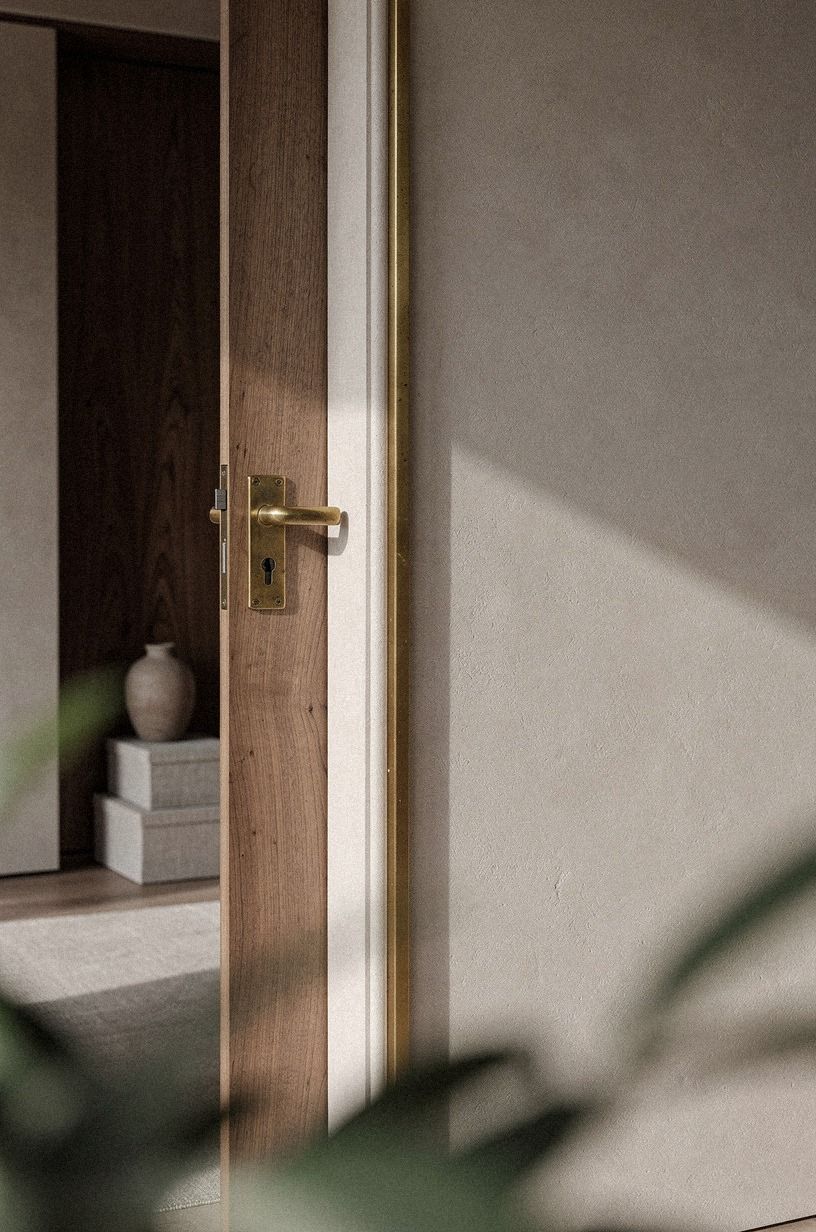
Picture-frame trim is the most classic answer if you want hidden closet doors that still feel decorative. By carrying the same frame pattern across the door and the fixed wall, you give the eye a bigger composition to read, especially when foliage, doorway views, and side light layer the room a little. The seam is still there, sure, but now it lives inside a pattern instead of outside it.
I call this the Quiet Wall Rule because everything gets calmer once the trim repeats evenly.
Farrow & Ball All White No.2005 is beautiful for a crisp version that still feels warm.
1/2-inch MDF picture molding keeps the install pretty approachable.
Keep the spacing consistent and don’t center one lonely box on each panel. More, smaller frames usually look more convincing. If you want another way to hide a threshold inside a full wall idea, this concealed TV wall example is useful for studying alignment, and these wardrobe molding ideas push the same trim logic into a bedroom-bay composition.
The Quiet Wall Rule and What I’d Spend First
The reason hidden closet doors feel so much better than bifolds isn’t that they’re flashy. It’s the opposite.
They remove one small, noisy visual interruption that your brain has been clocking every day, and once that interruption is gone, the room suddenly feels more expensive even if you barely spent anything. I think that’s why people get so emotional about this kind of upgrade.
It’s not just storage. It’s relief.
I’ve tried the high-effort versions and the paint-first versions, and I’d still tell most people to start simpler than they think. A lot of closet makeovers go sideways because the owner starts by shopping for dramatic hardware, custom inserts, or a brand-new door system when the real problem is the wall never had a plan. If the color is disconnected, the trim is awkward, and the seam is highlighted with shiny knobs, no premium organizer on earth will save it.
Harsh, maybe, but true.
Here’s the money reality for hidden storage and closet upgrades more broadly. The jump from cosmetic concealment to full closet renovation is huge, which is exactly why I like these door ideas so much for regular homes.
If you’re dealing with a standard wall closet, you probably don’t need the mid or high tier at all. That’s the honest part people skip.
A comfortable walk-in might be 6×8 ft, shelves often land around 14 in deep, and double-hang rods usually sit near 42 in and 84 in. Those numbers matter if you’re rebuilding the inside.
But if your real annoyance is the bifold look, the outside treatment will give you more visible payoff than internal upgrades ever could.
And this is where I get opinionated: I’d rather see a beautifully painted wall with a disguised opening than a fancy closet system hiding behind cheap-looking doors. Every time.
The room you live in matters more than the storage you admire for five seconds while grabbing a sweater. Fix the envelope first.
Then upgrade the guts if you still need to.
The Questions Worth Answering First
What is the best hidden closet door idea to ditch the bifold for a small closet?
Paint is the best first move for a small closet because it removes contrast without stealing floor space. If you need more function, a pivot mirror is next. One surface, two jobs.
I also like slim IKEA trim details when you want definition without bulk.
Where can I buy hidden closet door pieces on a budget?
Start with IKEA for trim kits and panel hardware.
Target and Wayfair cover paintable trim, curtain panels, mirrors, and storage basics at every price point.
Facebook Marketplace is still great for oversized art and solid wood mirrors. One good secondhand frame can carry the whole wall. Cheap, but it won’t look cheap.
How much does a hidden closet door makeover cost?
A cosmetic makeover usually lands around $100 to $300 if you’re painting, trimming, or hanging curtains. Mirror hardware or fluted panels can push it higher. The free part is planning the wall better before you buy anything, which honestly saves the most money.
Can I create a hidden closet door look on a budget?
Yes, and you really can do a lot with paint, fabric, and alignment. Same wall color on the door and frame.
A removable curtain track. Better styling around the opening. Those three moves cost far less than replacement doors and still change the room fast.
Is a hidden closet door worth it in a small space?
Yes, because small rooms benefit most from visual calm. When you hide the closet seam, the wall reads wider and less broken up.
If your room is tight, keep the finish tonal and avoid thick molding that pushes the opening forward. For more reading on small-space concealment, this walk-in closet design roundup takes the same idea further into a true retreat.
Is a hidden closet door a good idea for a rental?
Yes, especially if you stick to reversible upgrades. Peel-and-stick wallpaper. Tension-mounted or no-drill curtain hardware.
Removable art hooks where the wall allows it. And if your landlord hates paint, fabric is usually the safest disguise to start with.
For more renter-friendly material tests, this peel-and-stick wallpaper roundup shows which options actually peel off clean.
Where I’d Start First
If I had to pick one, I’d start with paint. You can’t hide a bifold if the wall keeps outlining it for you. One color across wall, frame, and door does more than pricey hardware ever will.
Pin this idea for later and start with a sample pot tonight!