
Hidden Door in Wall Paneling [Doors That Vanish Into the Wall] can work in a real living room, and mine disappeared once I stopped treating the door like a door. I did this after getting tired of one awkward opening breaking up the whole wall behind our sofa. Short version, the paneling won, the trim got quieter, and the room finally feels finished.
Don’t overthink: I chose a flush slab for the opening.
I did not want a movie-set gimmick. You probably do not either. You want the wall panel with door to read calm from the sofa, hold up in daylight, and still open without a wrestling match.
Here’s what it looked like before
Before I touched it, the wall had that familiar almost-custom problem. The opening sat off enough to annoy you, but not enough to justify a rebuild. There was builder trim, a slightly proud frame, and a door swing that caught your eye before the navy sofa ever got a chance.
If you’ve ever tried to make a living room feel collected, you know how one wrong vertical line can boss the whole wall around.
The rest of the room wasn’t bad, which made the doorway look worse. We had warm oak underfoot, Benjamin Moore Revere Pewter HC-172 on the nearby walls, and white linen pillows that should have softened everything. But the door still read as a separate object.
I kept thinking about old houses with unmarked doors tucked into architectural rhythm, because that’s what you want here. Not drama.
Just quiet confidence.
- I mapped the panel grid around the doorway
- I chose a flush slab for the opening
- I carried the battens across the door
- I matched the oak stain on every panel
- I hid the hinges inside the shadow groove
- I recessed the frame behind the wall trim
- I lined up the reveal with the sofa
- I wrapped the baseboard over the threshold
- I added a touch latch under the rail
- I disguised the pull as a brass peg
- I painted the seams in warm greige
- I balanced the hidden door with sconces
- I styled art across the panel breaks
- I softened the reveal with linen curtains
- I finished the detail room in matching millwork
1I mapped the panel grid around the doorway
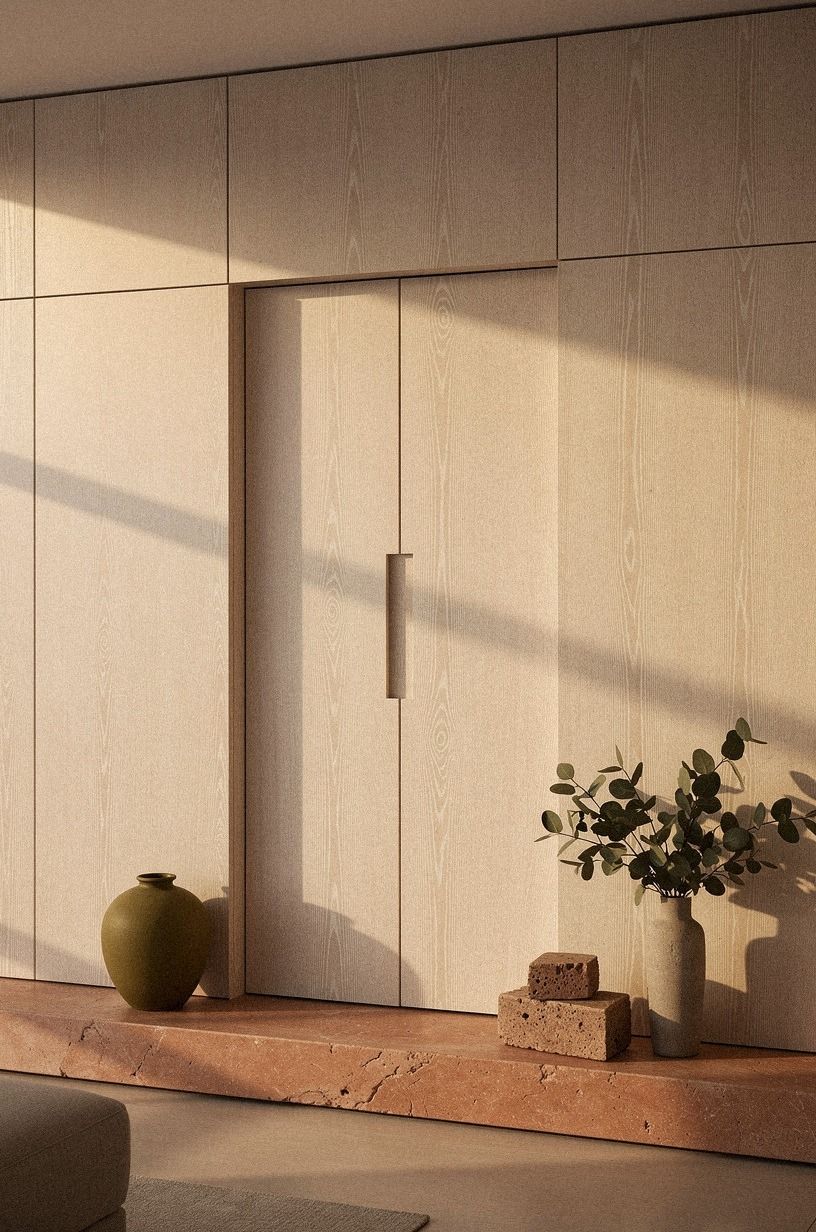
I started with tape, a pencil, and a stubborn refusal to eyeball it. If you want a hidden door wall panel to disappear, your grid has to answer the doorway first and your furniture second. I measured from the sofa wall out, then adjusted the rectangles until the opening fell inside the pattern instead of interrupting it.
The moment the grid looked balanced around the jamb, the whole project stopped feeling risky.
You can cheat a lot in decorating, but you cannot cheat math. I used the width of the cerused white oak field panels to set the rhythm, then made sure the verticals hit where your eye already wanted a line.
And yes, I taped the whole thing on the wall before cutting anything. Worth it!
If you are planning a hidden door in paneling, give yourself that preview, because a good layout does half the hiding for you before paint or stain even shows up. I kept looking at rooms where concealed architecture feels inevitable while I laid the lines out.
2I chose a flush slab for the opening
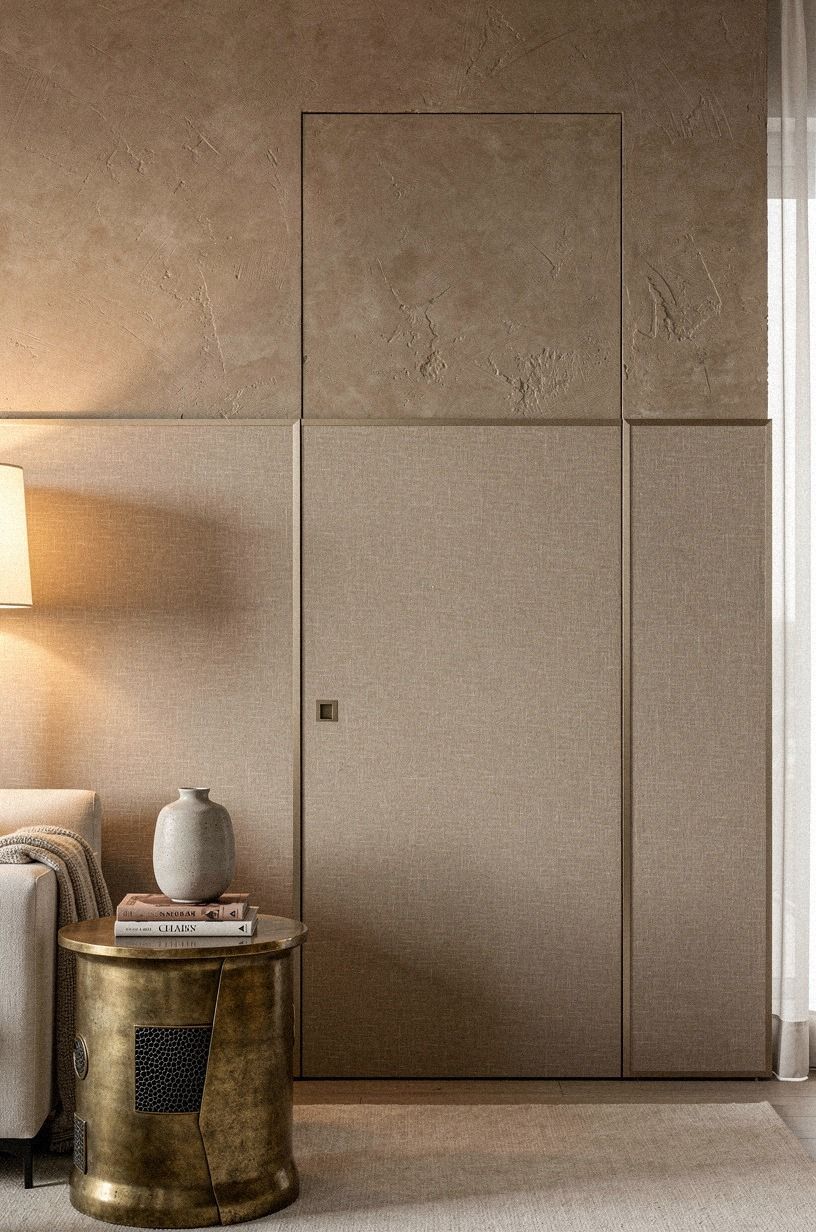
The old door had too much personality, which was exactly the problem. Raised profiles, a visible bevel, all of it shouting.
I swapped it for a flush slab so the clay-toned panels could stay in charge, and you should do the same if your goal is disappearance instead of cottage charm. A wall panel with door only works when the surface stays calm enough that light moves across it without catching on trim.
I went with a plain slab and skipped decorative sticking altogether. But I did not skip weight.
A light, hollow door can feel flimsy once you add battens, while a sturdier flush paint-grade slab gives the touch latch and hinges something honest to work with. You do not need a special fantasy product here, just the quietest face possible.
Stepping toward it, the opening now reads like paneling first and passage second, which is exactly what you want. It helped me to think about unmarked openings that reward a second look, not ordinary trim.
3I carried the battens across the door
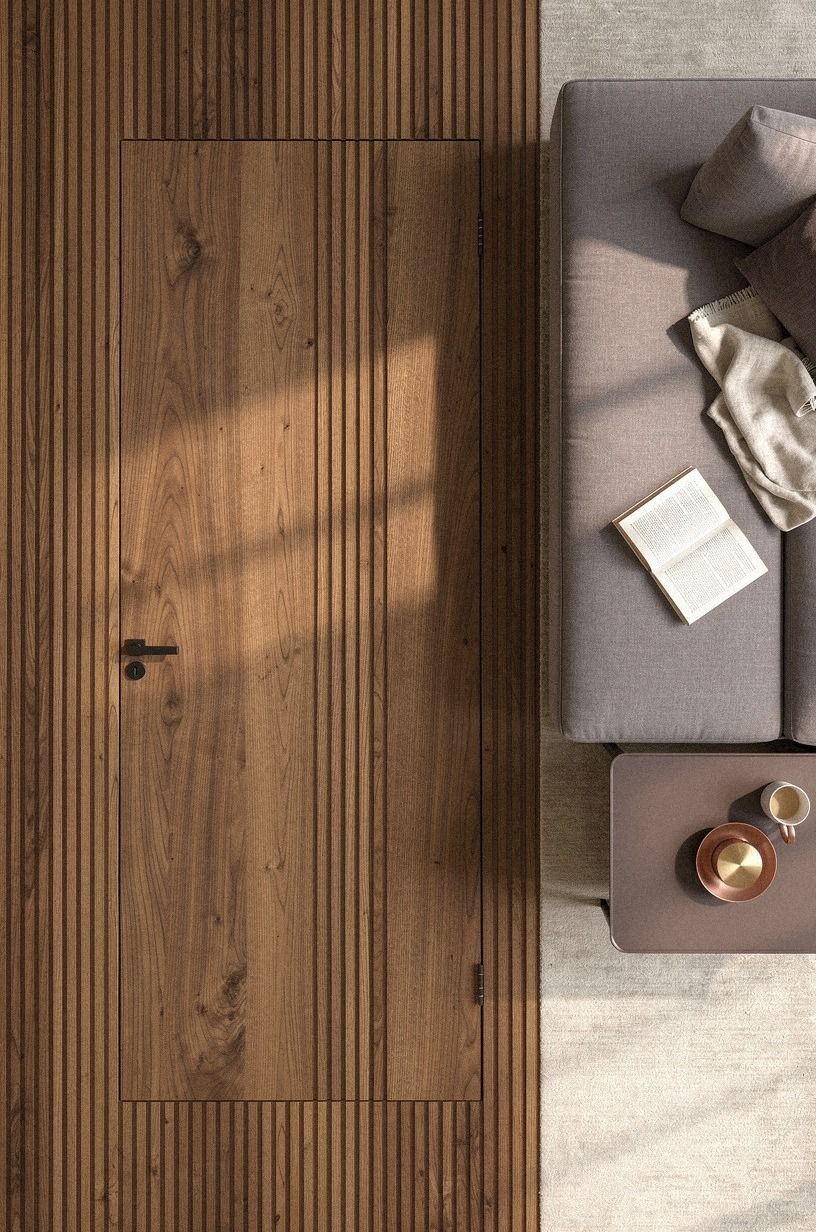
This is where the project stopped looking like a workaround and started looking intentional. Instead of ending the battens at the frame, I ran them straight across the concealed leaf so the eye would read one continuous field.
The real win is not the batten itself, it is the spacing. You want the intervals to feel inevitable, like they were always going to land there whether a door existed or not.
I used book-matched walnut battens because the grain gave me enough movement to feel rich without turning stripey. If you’re using a wood paneling hidden door in a living room, keep your battens deep enough to cast a slight line, but not so deep that the door announces itself with shadow.
And keep one reference point in view while you work. I used the seating plan and coffee table so every line felt related to the room, not just the opening.
4I matched the oak stain on every panel
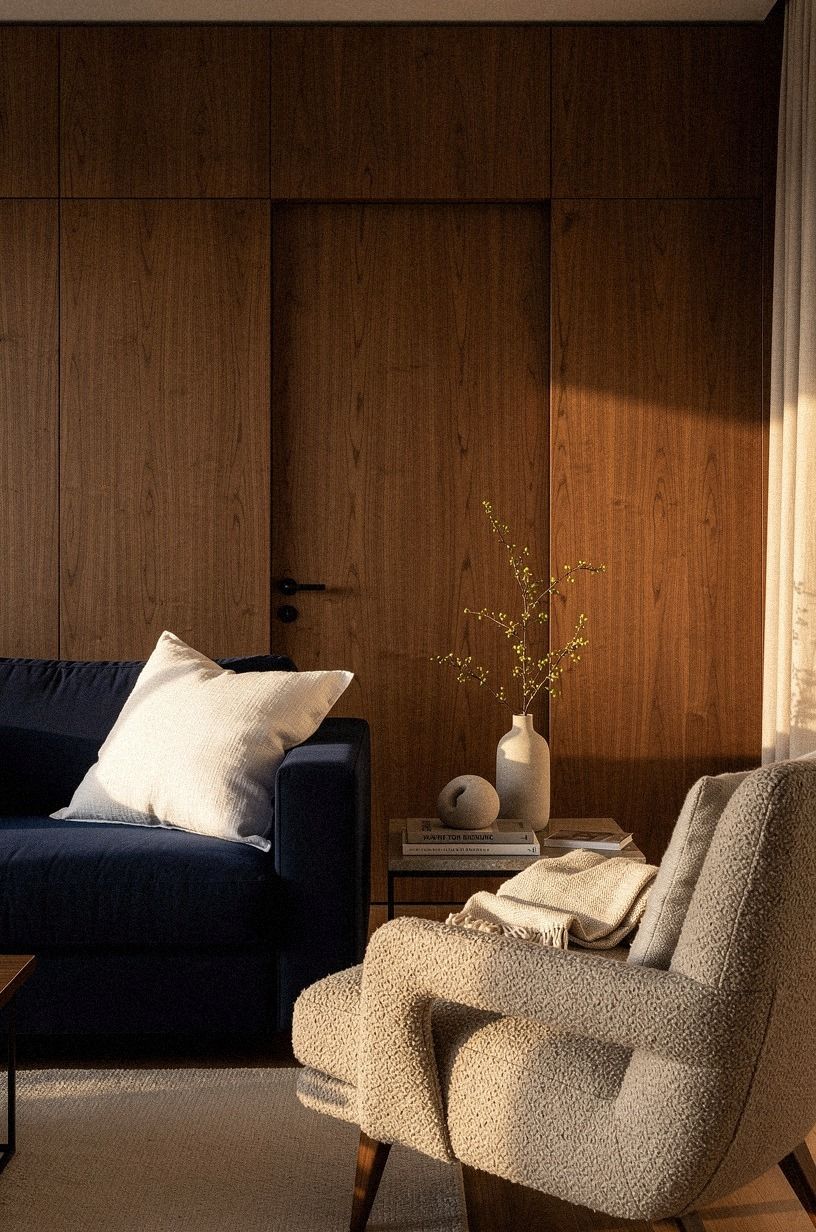
Color mismatch will rat you out faster than bad carpentry.
5I hid the hinges inside the shadow groove
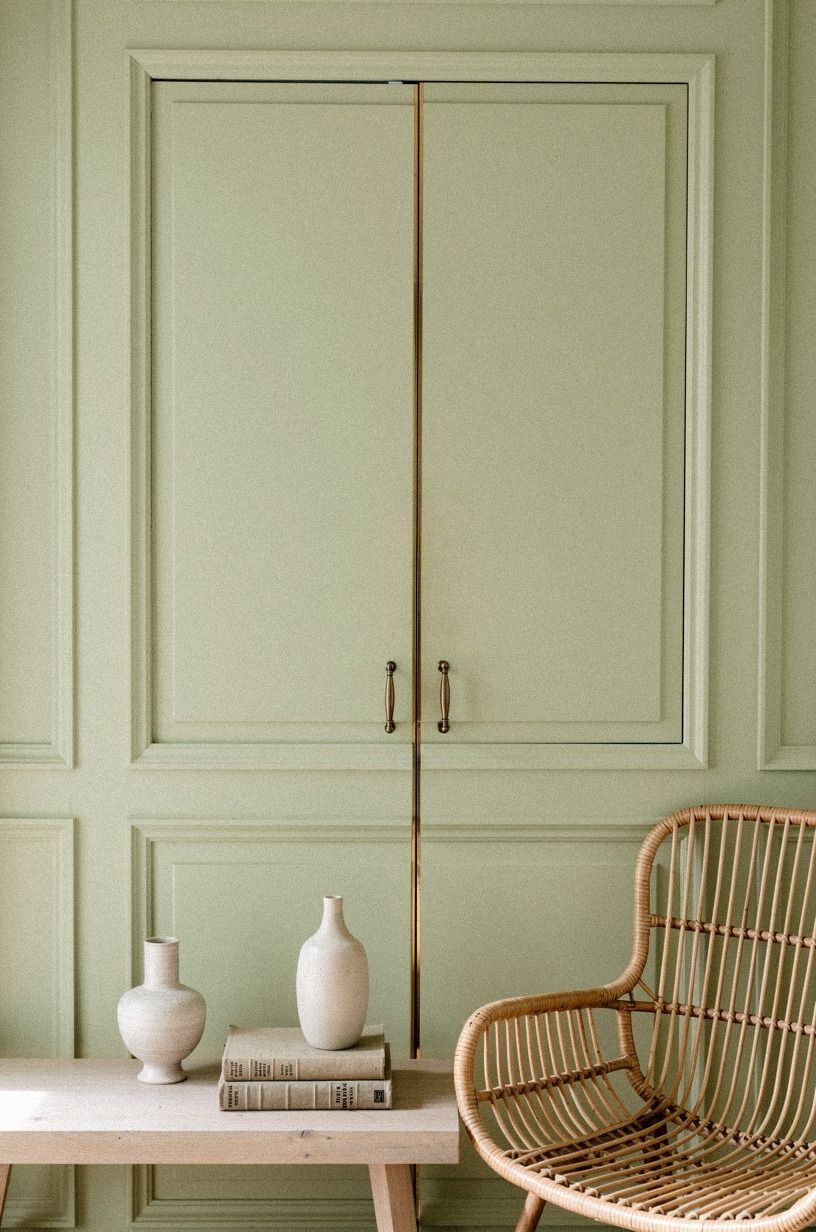
Visible hardware is where a lot of these projects lose their nerve. I did not want strap hinges, exposed butts, or anything trying to make the door a feature.
So I let the groove do the visual work and tucked the movement into that line. When you stand back, your eye reads a narrow shadow before it reads hardware, and that order matters more than people think.
But the groove only helps if the room has another place to rest, which is why I kept studying quiet carved surfaces with controlled shadow.
You don’t need a giant channel. Mine stayed slim, just enough for the concealed hinges to clear without chewing up the panel edge. The wall color helped too.
On the test board, Sherwin-Williams Evergreen Fog SW 9130 made the groove feel gentle, but the richer emerald sample gave the recess more depth, so I followed that mood for the hidden side of the wall. But keep the gap disciplined.
Too wide and the door reads like a door again. Too tight and you’ll hate it every humid week of the year.
6I recessed the frame behind the wall trim
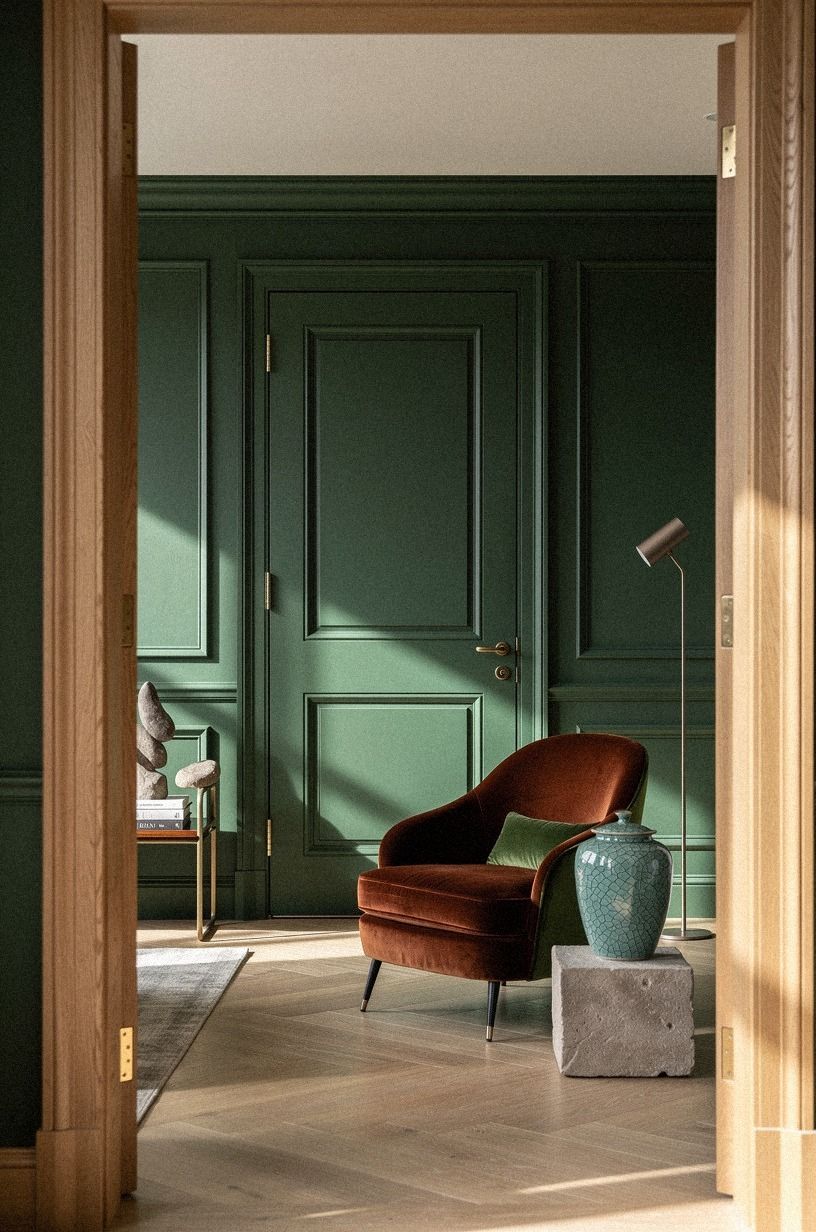
The frame had to stop showing off. Instead of letting it sit proud, I pushed it back so the layered trim could skim past and keep the face of the wall in charge.
That small setback is what made the reveal feel architectural instead of improvised. If your hidden door in wall paneling still has a visible perimeter from across the room, this is usually the step you missed.
I kept thinking about how good older spaces borrow depth from one opening to flatter the next. That’s why I checked the view through the adjacent doorway again and again.
You want the trim stack to read in layers, almost like those hidden courtyards you only notice once you’re aligned. And yes, alignment takes longer than you would like. But once the frame sits back, the trim can do what trim is supposed to do, flatter the wall and shut up.
Worth the extra hour!
7I lined up the reveal with the sofa
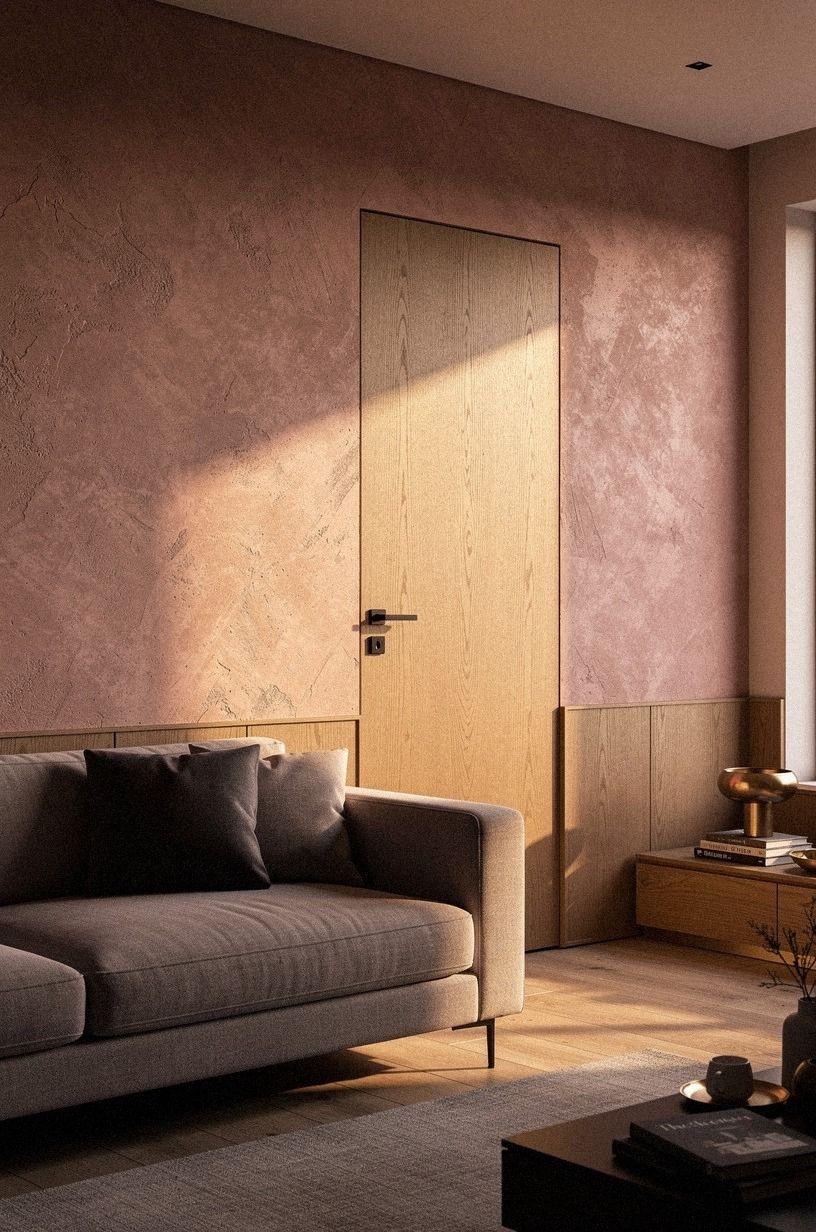
Furniture saved me from overthinking this. The reveal line started making sense once I related it to the back of the sofa instead of the door hardware.
If you have a living room hidden door wall panel situation, anchor your decisions to the biggest object people actually look at. Mine was the Article Sven profile, which sits around that familiar 35 to 40 in sofa depth and gave me a long, stable line to echo.
I lined the vertical reveal so it fell just beyond the sofa back instead of slicing behind a cushion corner. That sounds minor, but it changed the whole read of the wall. Suddenly the panel line felt intentional, almost like it belonged to the seating composition.
And because the adjacent Venetian plaster had hand movement in it, the cleaner reveal gave your eye one place to rest. Want the door to vanish?
Give the room a stronger line to notice first. I kept comparing that decision to dense places that still feel organized because one line leads the eye.
8I wrapped the baseboard over the threshold
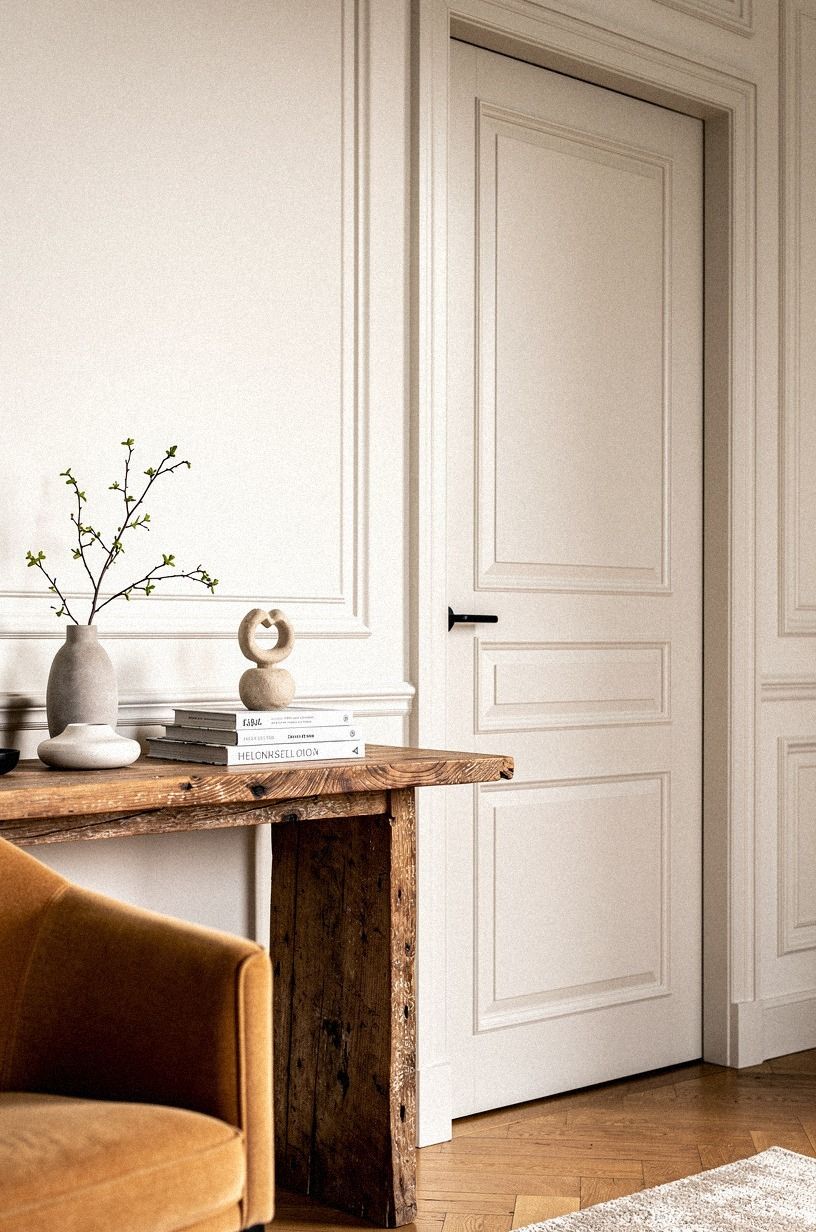
This was one of those moves that looked fussy on paper and totally obvious in person. Stopping the baseboard at the door would have put a little exclamation mark right where I wanted calm. So I carried the profile across and let the lower trim act like nothing interesting was happening at floor level.
That’s the point. A wall panel with door disappears faster when the floor line refuses to tell on it.
I kept the profile simple and the color warm, close to Benjamin Moore Revere Pewter HC-172 shifted a touch creamier on the trim sample. If you are trying this, check the threshold from standing height and from the floor. I mean it.
The low view catches hiccups that normal eye level forgives. And because our rug has the front legs of the seating on it, in an 8×10 wool rug setup, that continued baseboard reads as one long quiet band behind the room instead of a break point.
I also looked at quiet architectural bands that carry the eye across distance.
9I added a touch latch under the rail
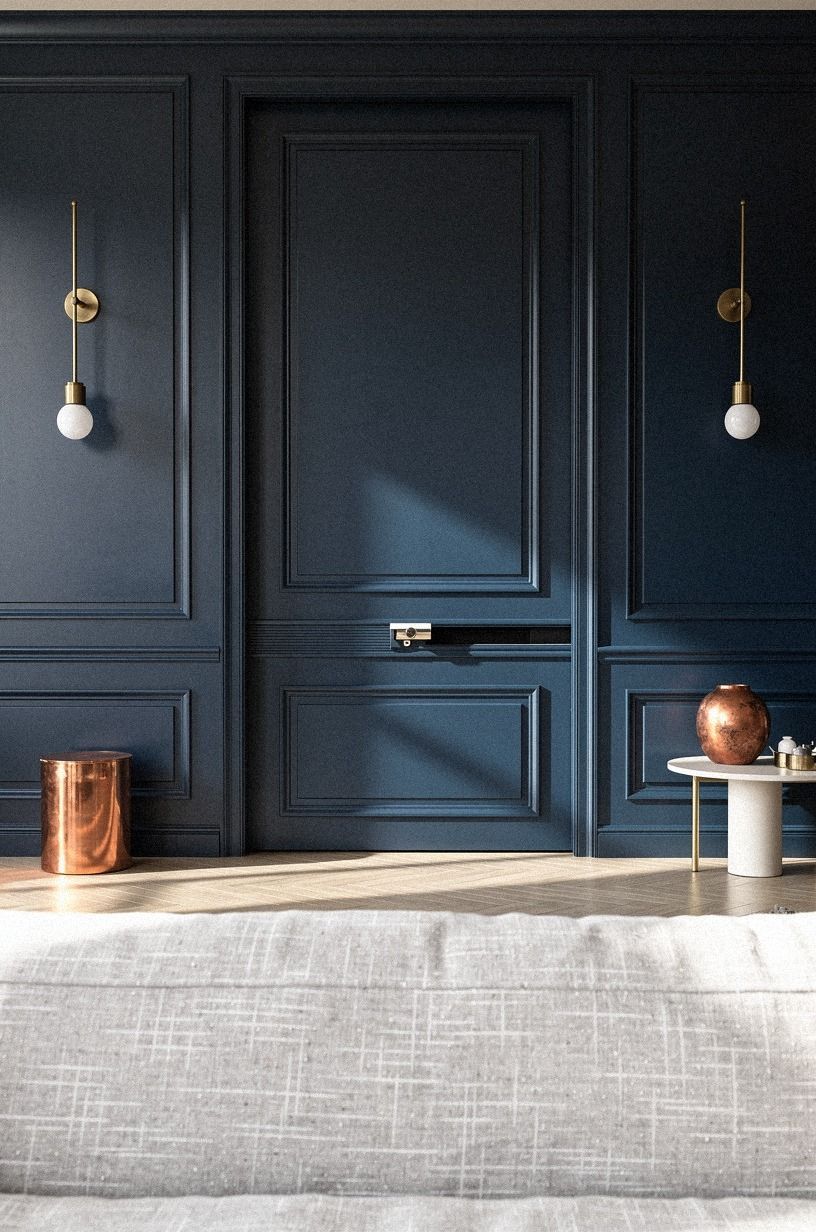
I did not want a visible knob, and I definitely did not want a finger pull telegraphing the opening.
10I disguised the pull as a brass peg
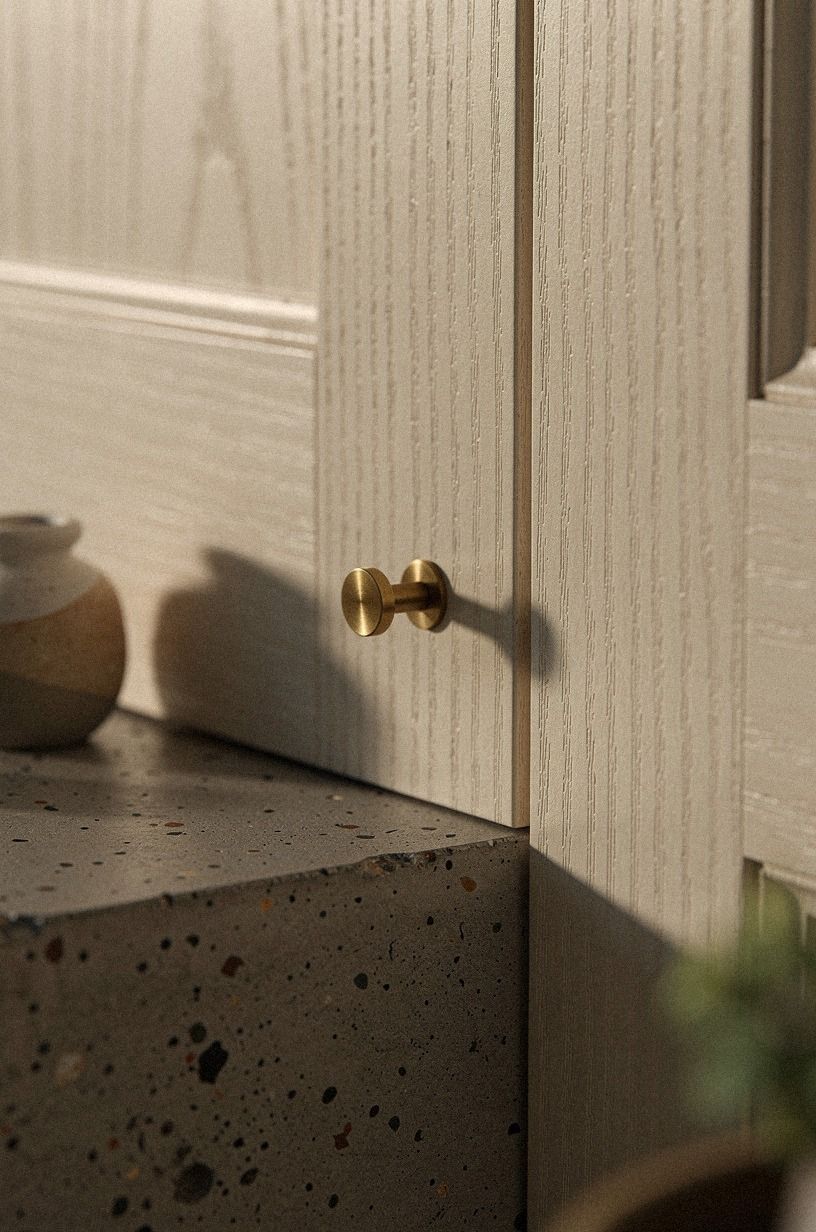
This detail made the wall feel expensive without making it loud. I used a small peg in warm metal instead of a standard pull, and from a few feet away it reads more like a decorative punctuation mark than hardware. That’s the sweet spot.
If you need a backup way to open the door, let it belong to the paneling language rather than fighting it.
I chose aged brass instead of a polished finish because shine would have broken the spell. A tiny brass peg with a softer patina sat better against the pale oak, especially once the grain was cerused. You can do the same with a wood nub, but honestly, I would not here.
The brass adds one note of intention, and intention is what keeps a hidden door from feeling like a DIY prank. Tiny thing.
Big payoff! I wanted that detail to feel more like a discovered object inside a larger composition than a standard handle.
11I painted the seams in warm greige
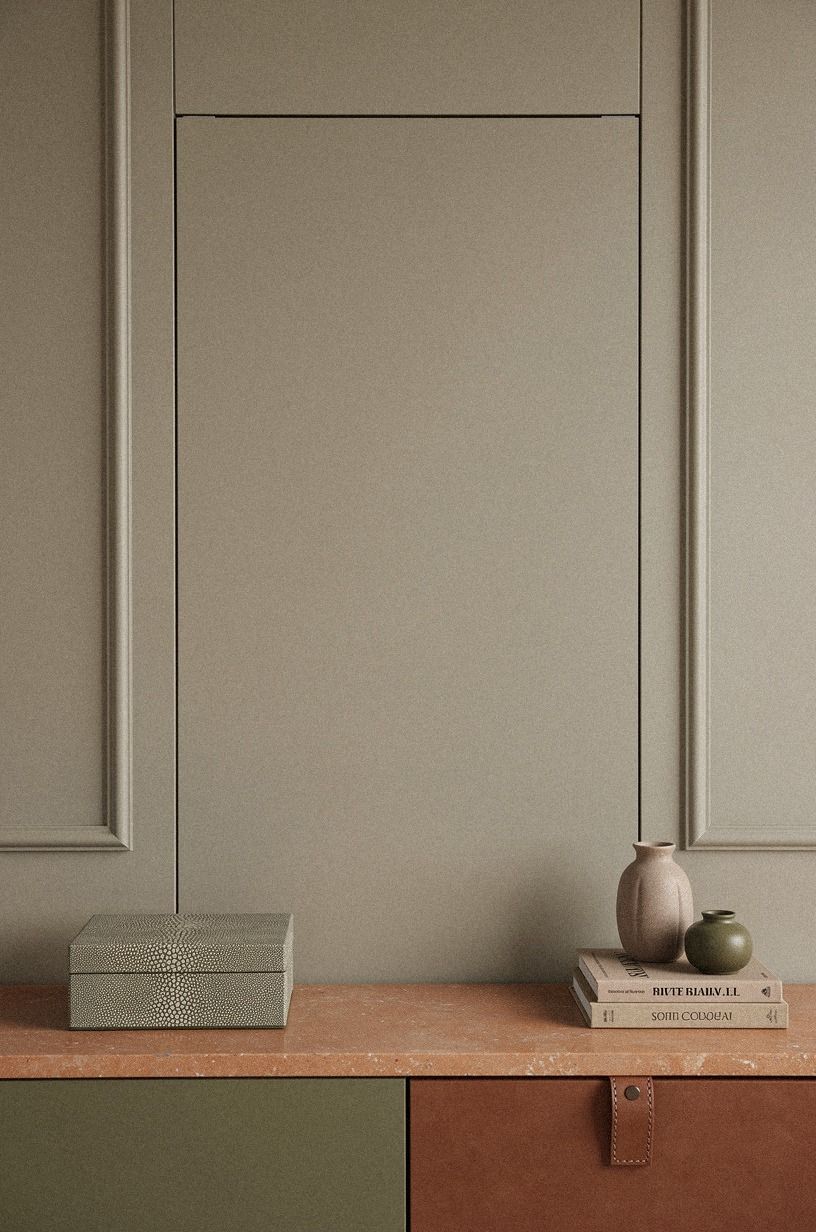
Seams are where your hand gets honest. You can’t erase them, but you can decide whether they read crisp or forgiving.
I went warm greige because the wall needed softness more than contrast, and because bright white would have turned every joint into a diagram. If your wood paneling hidden door lives in a living room with soft textiles, you want the seam color to support that mood instead of sharpening everything.
My best sample sat between Benjamin Moore Revere Pewter HC-172 and a muted clay note, while the cooler option looked dead by late afternoon. And yes, I brushed into the joints by hand.
The brush mark matters there. It feathers the transition at baseboard height so the concealed leaf reads like one calm plane when you are crossing the room. But do not overwork it.
I learned more from subtle surface shifts than from bright contrast. Too much paint rounds over the detail and makes careful trim look sleepy.
12I balanced the hidden door with sconces
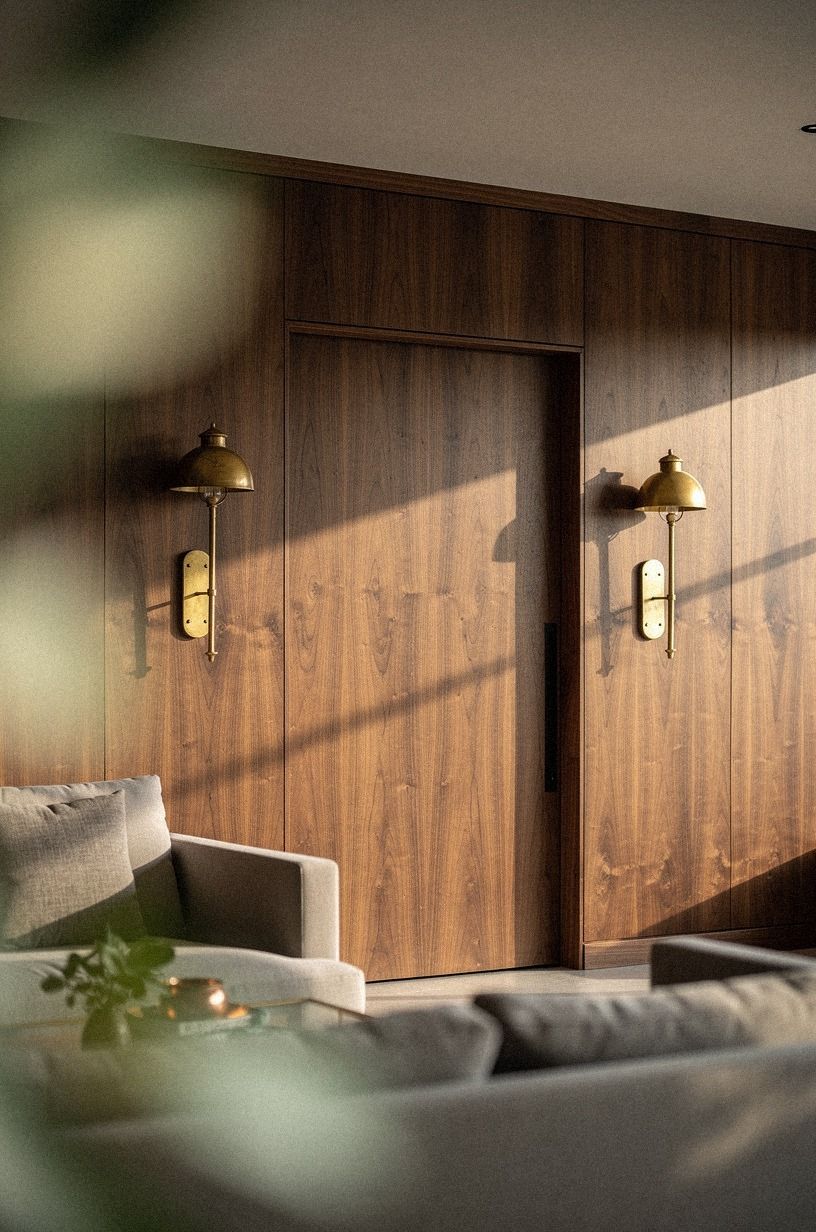
Light fixed what symmetry alone couldn’t. Once the wall had one concealed opening, it needed a second point of interest so people wouldn’t stare at the center trying to decode it. I flanked the composition with sconces, not because the door demanded decoration, but because the whole wall wanted balance.
That’s different. And in a living room, better light is almost never the wrong answer.
I used aged brass sconces with warm bulbs and kept them at a height that sat comfortably over the sofa line, not floating up near the ceiling. If you’re working around a seating area, remember your coffee table usually lands around 16 to 18 in tall and your eye keeps checking those middle bands of the room.
The sconces pull attention there. For hidden-space inspiration, I kept returning to small architectural moments that reveal themselves slowly.
You want that feeling, just indoors.
13I styled art across the panel breaks
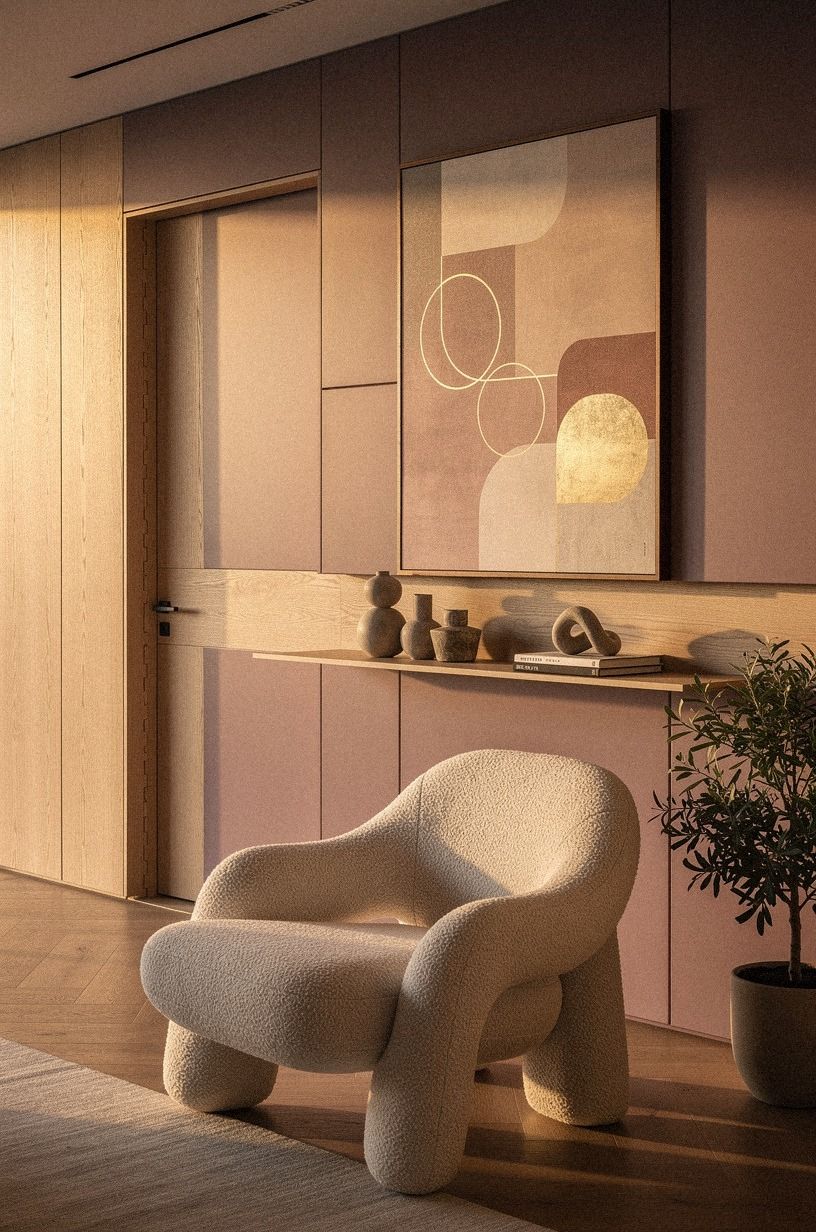
Hanging art over panel breaks sounds risky, and that’s why it helps. If every frame politely avoided the door, the wall would start looking guilty.
I let the art cross the logic of the panels so the composition felt lived with instead of diagrammed. You can do this with one medium piece or a loose pair, but the point is the same. The room should seem arranged for living, not for explaining carpentry.
I used slim frames with enough visual weight to hold their own against the oak, then kept the mat tones close to the warm white trim so nothing screamed. But I skipped a gallery wall. Too many edges would’ve made the hidden door work harder than it needed to.
One asymmetrical grouping was enough to relax the whole surface. If you like rooms with a little mystery, unmarked-door stories and hidden places make the same case, show less, suggest more.
But the frame size still matters. A skinny oak frame disappears faster than a chunky black one, and I kept glancing at quiet hidden places that reveal themselves in layers whenever I felt tempted to over-style this wall.
14I softened the reveal with linen curtains
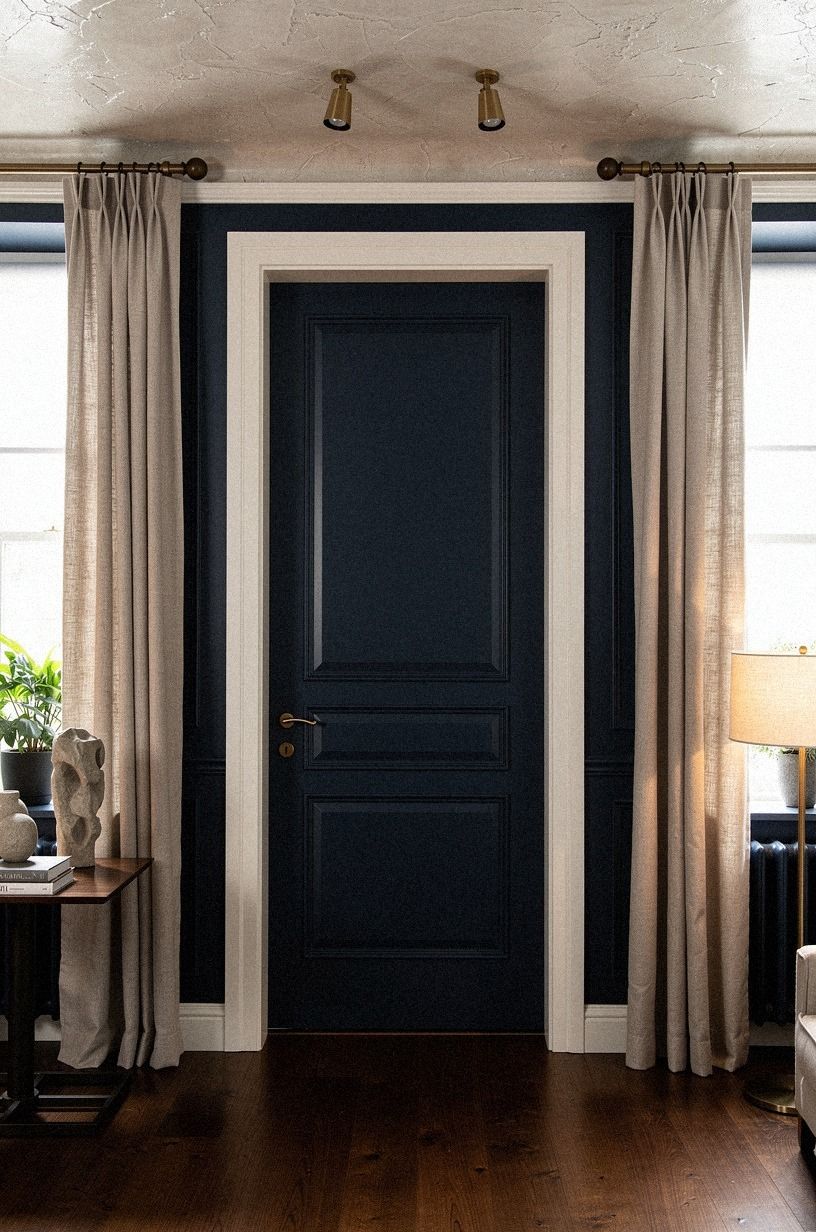
Curtains were the final softener, and I almost skipped them because I thought the millwork should carry the full idea alone. Glad I did not. The slight movement of fabric near the opening makes the wall feel less engineered and more lived in.
If your hidden door wall panel is reading a little strict, you probably need one soft element nearby to stop the room from feeling like a puzzle.
I used a pair of Belgian flax linen drapes and hung them high enough that the folds brushed the visual field of the door without blocking it. Typical pairs run about $120 to $400, and you can tell the difference once the fabric starts to break and pool naturally.
But don’t go too heavy. A thick blackout stack would’ve made the door side feel bulky.
Linen keeps the reveal gentle, the symmetry intact, and the room warmer by about five o’clock, every single time.
15I finished the detail room in matching millwork
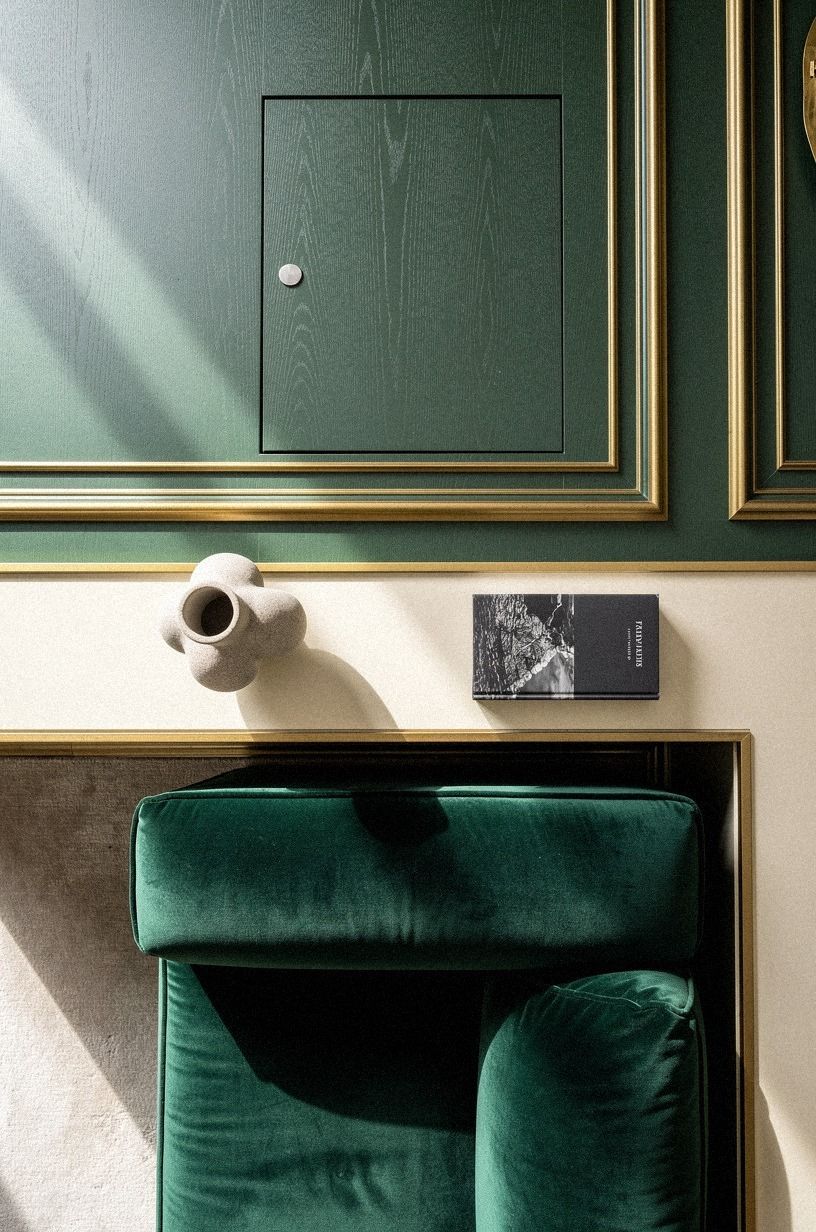
The hidden side matters more than people admit. If the door opens into a room that suddenly changes species, different trim, different color logic, different depth, the illusion dies the second someone steps through. So I carried the millwork language into the little room beyond, even though only a sliver is visible from above and almost none of it shows when the door is shut.
I did not copy every detail, but I repeated the matching millwork proportions, the softened oak tone, and one quiet paint note from the main room. That was enough. You want continuity, not cosplay.
And if you are wondering whether this is overkill, ask yourself what ruins the whole illusion faster than a perfect outside and a random inside. Exactly.
Finish the transition and the whole project feels complete, like a hidden place shaped by one consistent material idea.
The One-Wall Rule I Learned the Hard Way
What surprised me most was this, the hidden door wasn’t really about concealment. It was about deciding which line in the room got to be the boss.
I kept trying to improve the opening itself at first, different trim profiles, different hardware options, a more obvious handle, and every change made the wall louder. The project only clicked once I treated the whole elevation as one composition and gave the doorway a supporting role.
If you’re trying to pull this off in your own living room, that’s the part to remember.
You don’t need more decorative moments. You need fewer competing ones.
In my case, the winners were a disciplined panel grid, a sofa line with real visual weight, and soft lighting that held your attention at human height. The losers were all the fussy moves I thought would help, proud trim, bright seams, shiny hardware, and over-clever detailing that wanted applause. I’d skip those every time.
A hidden door in wall paneling only feels rich when it stops trying to prove how clever it is.
I also learned that warmth matters more than perfection. Farrow & Ball Hague Blue No.30 looked gorgeous on a sample card, but the room wanted something chalkier and quieter near the opening, while Sherwin-Williams Evergreen Fog SW 9130 gave the groove a softer depth.
That kind of choice is why your room will not look exactly like someone else’s pin, and that is good. You want the door to vanish into your house, not into a mood board.
And here’s the part I’d tell you before you buy a single board. Check the room from where you live in it, not just where you work on it.
Sit on the sofa. Walk in with groceries.
Catch the wall in morning light and again at dusk. I changed two reveal lines only after seeing the room from the coffee table height, and that small correction saved the whole thing.
A hidden opening isn’t judged from six inches away. It’s judged from the life happening around it.
How much it cost
I kept my version in the budget tier by reusing the opening and focusing on finish work instead of rebuilding the wall. If you’re pricing your own hidden door in paneling, these ranges are the useful starting point, not fantasy lowballs.
For the room around the door, the usual anchor pieces still matter. A performance-fabric sofa can run $1,200 to $4,000, a wool rug 9×12 often lands between $600 and $2,500, an oak coffee table tends to run $300 to $1,200, and linen drapes usually sit around $120 to $400 a pair. I stayed in the low end by using the existing slab, buying smarter on trim, and refusing to chase custom for custom’s sake.
The Quiet-Architecture Rule
The door disappeared faster once I treated the wall like architecture instead of decoration. That sounds lofty, but it is practical.
You want long lines, repeated material, and one visual tempo that keeps moving. When I got tempted to add another detail, I checked spaces where the structure carries the mood and edited back.
But the room still has to live well for you. Keep the sofa line strong, keep the rug generous, and keep TV distance around that 1.5 to 2.5x screen-diagonal rule if the media wall sits nearby.
If you can do that, the hidden opening reads calm instead of clever. That is the whole game.
The Questions Worth Answering First
What is the best Hidden Door in Wall Paneling [Doors That Vanish Into the Wall] for a small living room?
A flush slab wrapped in slim panel molding is the best place to start because it keeps the wall quiet. You want the door to borrow authority from the sofa and sconces, not compete with them. Think compact lines, warm paint, and furniture like an Article Sven or a clean IKEA BESTA nearby.
Where can I buy Hidden Door in Wall Paneling [Doors That Vanish Into the Wall] pieces on a budget?
Start with IKEA, Target Threshold, and Wayfair for trim-adjacent styling pieces, then hunt Facebook Marketplace for solid doors or vintage brass pegs. The savings come from mixing sources.
One reused slab, one decent paint, one good sconce pair. That’s usually enough.
How much does a Hidden Door in Wall Paneling [Doors That Vanish Into the Wall] makeover cost?
Typical budget range is about $300 to $1,200 if you’re reusing the opening and letting finish work do the heavy lifting. Mid-range projects climb fast once you add a new sofa, lighting, or millwork. The free move is planning the panel grid before you cut anything.
Can I create a Hidden Door in Wall Paneling [Doors That Vanish Into the Wall] on a budget?
Yes, and the cheap wins are the visual ones. Tape the grid first.
Repaint the seams in a warmer tone. Swap a bright knob for a smaller peg or touch latch. Those moves cost less than a rebuild, but they change what your eye notices.
Is a Hidden Door in Wall Paneling [Doors That Vanish Into the Wall] worth it in a small space?
Yes, especially because a small room rewards visual calm. When one wall reads as one composition, the whole seating area feels less chopped up. Keep the rug under the front legs of the furniture, use an 8×10 or 9×12 if it fits, and let the hidden line sit behind the sofa, not the TV.
Is Hidden Door in Wall Paneling [Doors That Vanish Into the Wall] a good idea for a rental?
Yes, if you keep it reversible and focus on surface illusion over structural change. Removable battens, peel-and-stick trim effects, tension-rod linen panels, and renter-safe paint where allowed can fake the mood surprisingly well. But I’d skip anything that requires cutting the frame.
Where I’d Start First, the Grid-First Rule
If I had to pick one, I’d start with the panel grid. A bad layout can’t be hidden by nicer paint or brass. Get the spacing right first, and the door stops interrupting your wall.
Everything after that lands.