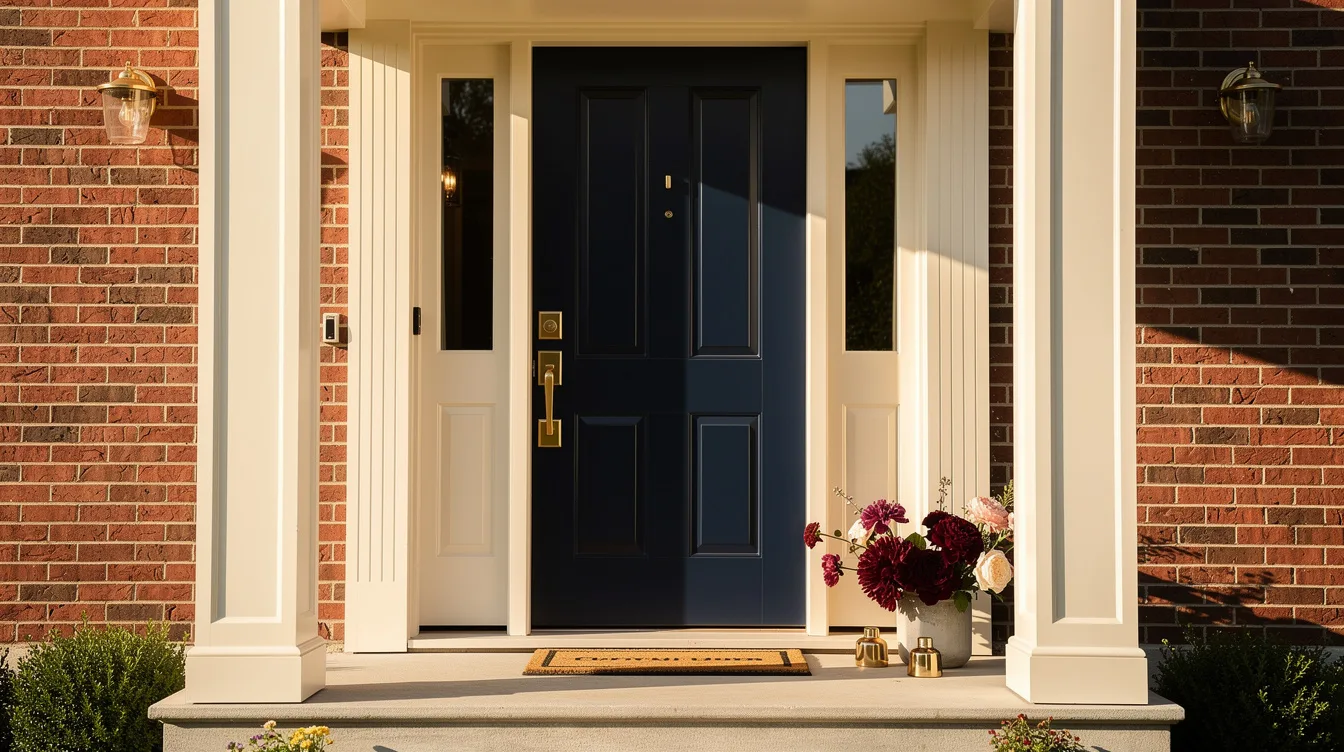
I painted my own front door after noticing that the old color looked washed out before guests even reached the porch. On my roughly 36-inch entry door, the right saturated color changed the first impression more than a new welcome mat ever could.
Color can improve perceived value and make listing photos more memorable, but it cannot rescue a warped slab or cheap hardware. I focused on shades that feel distinctive from the curb and sensible to the next owner.
Ground Brick With Deep Navy
I chose a deep navy after realizing my faded red door made the brick look dull. A shade such as In the Navy gives traditional homes a steadier, more expensive-looking entry in listing photos.
Keep the surrounding trim warm white, then add a brass deadbolt from Home Depot or Ace Hardware. Navy has wide appeal, but peeling paint cancels out its polished effect fast.
Use Green to Soften Stone
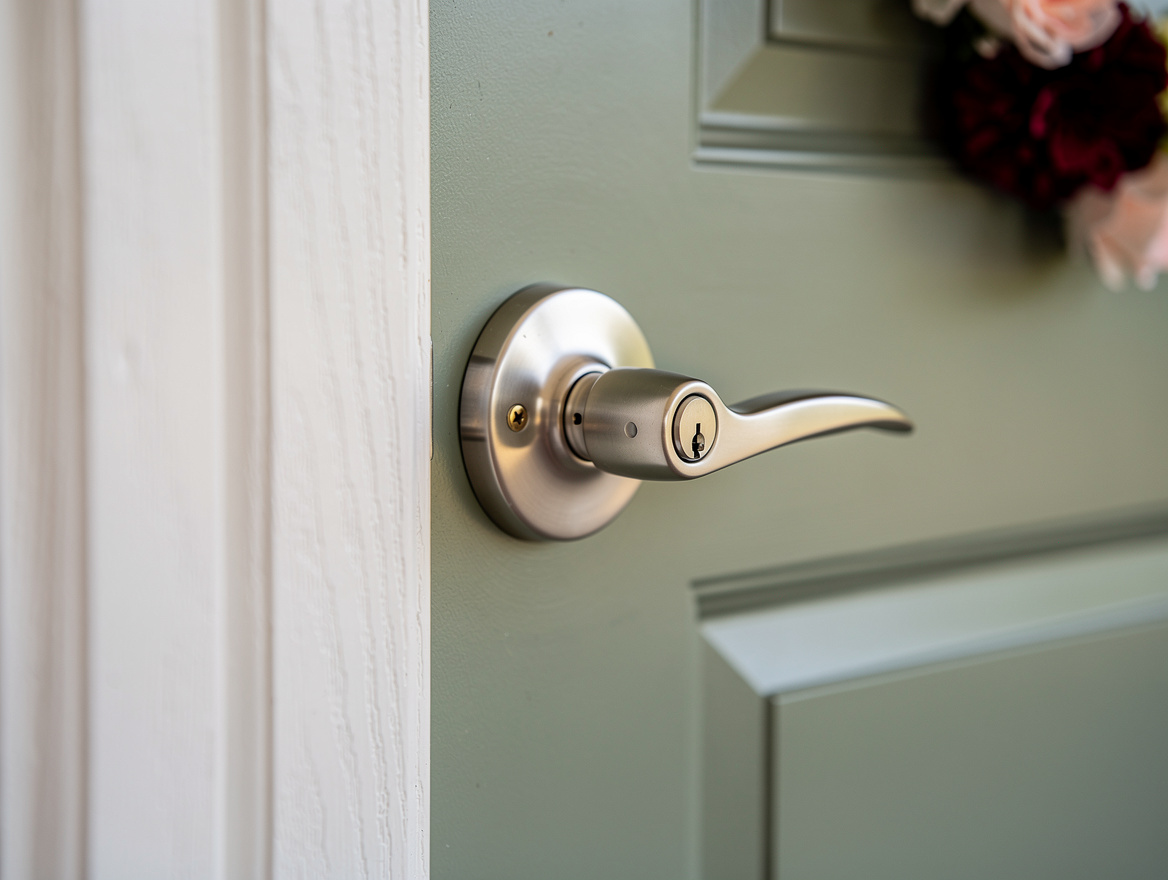
For gray stone, white siding, and black shutters, I’d reach for a muted olive or sage before a bright green. Hunt Club has the depth that makes a standard entry feel intentional without looking like a novelty.
Pair it with a fiberglass slab if weather resistance matters more than grain detail. A typical installed front-door replacement runs about $500 to $3,000, depending on material, glass, and hardware.
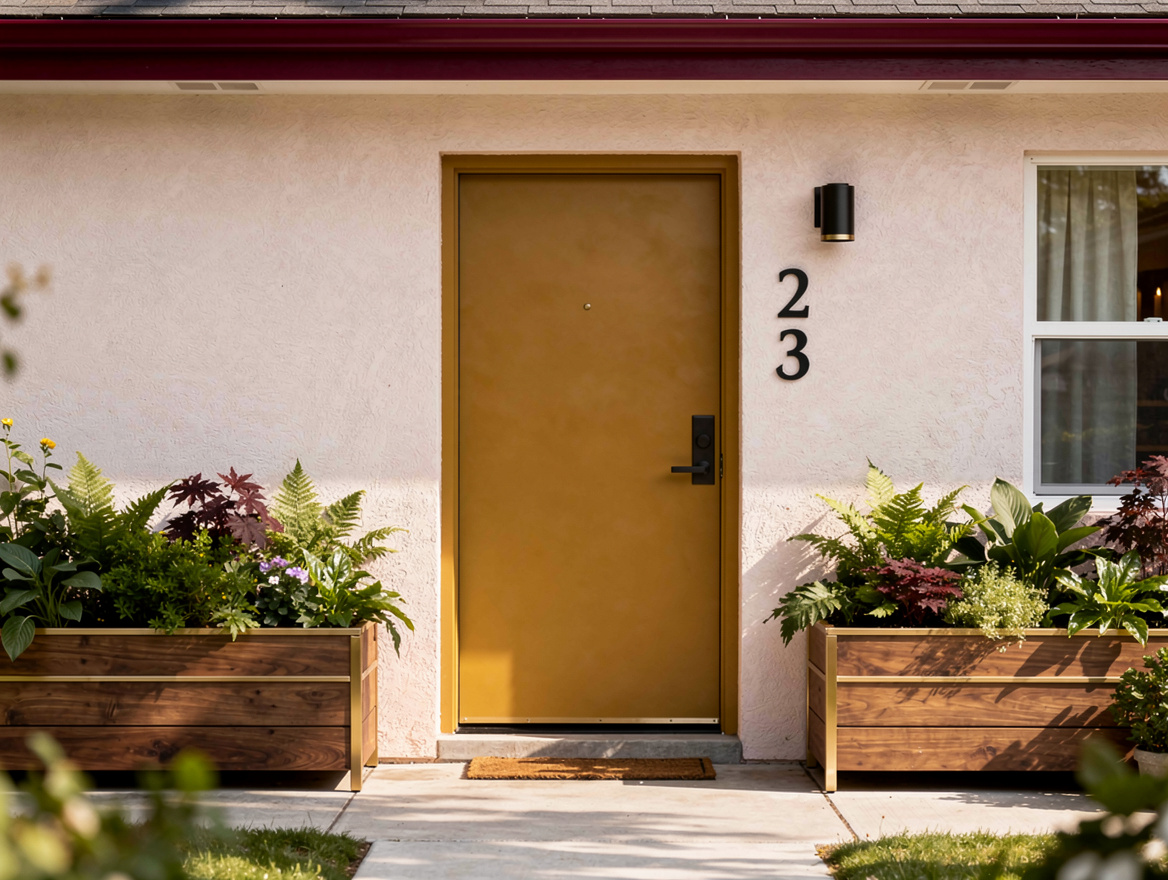
Warm Up Pale Stucco With Ochre
Warm stucco can take more color than most homeowners expect. A burnished ochre or terracotta door gives a pale exterior contrast, especially when the porch has natural wood planters or a simple black address plaque.
I’d skip soft buttery yellow, which can disappear in harsh sunlight. A richer shade such as Rookwood Amber looks more grounded and helps a mid-century or farmhouse facade feel current.
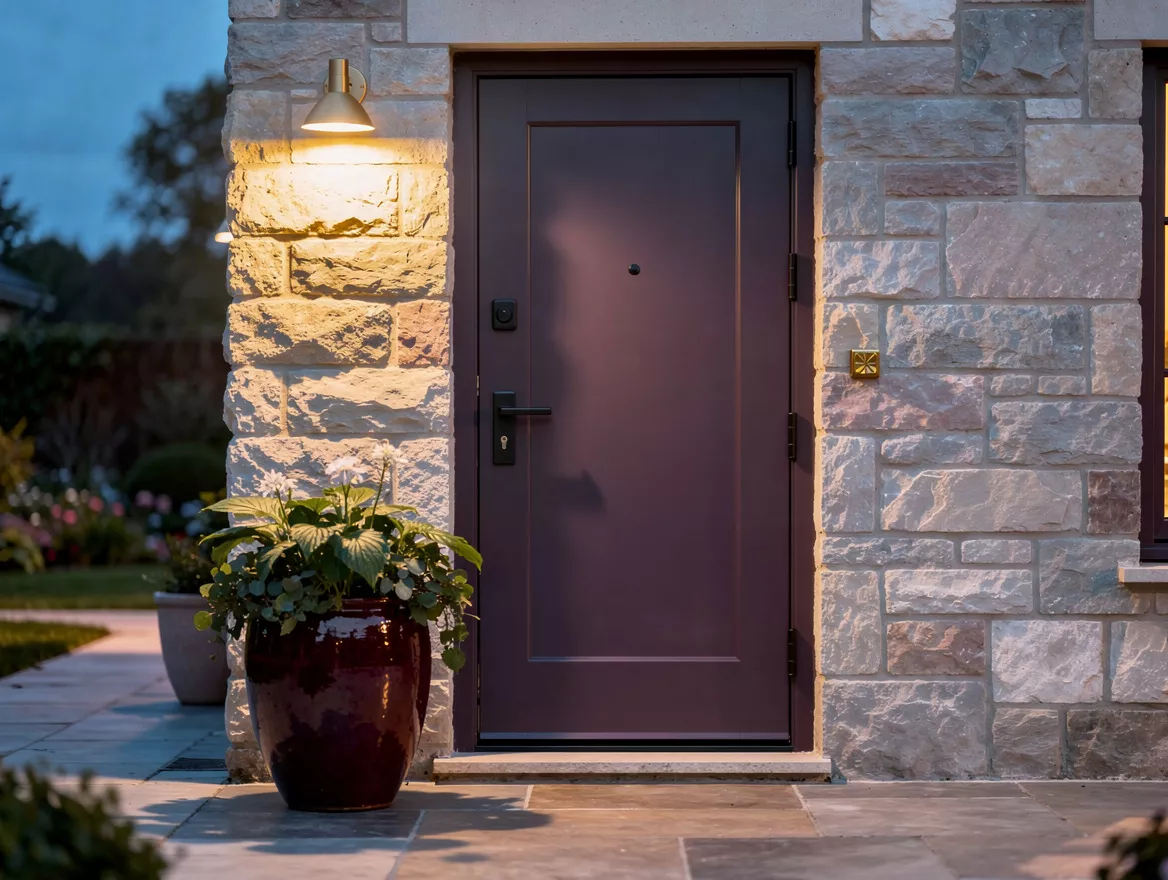
Test Aubergine Before You Commit
Aubergine is the bold choice I’d use on a neutral exterior with enough daylight. Brinjal reads nearly black from the street, then shows its plum undertone up close, which gives the entrance some real personality.
Buy a sample and view it at morning, midday, and dusk before painting the full door. With a matte black handle set from Lowe’s, the color feels tailored rather than theatrical.
Balance Teal With Clean Trim
Teal earns its place when an exterior needs energy but the house still needs broad buyer appeal. I like a green-blue door against white trim because Jacaranda gives the entry a coastal note without turning it into a theme.
Limit the supporting colors: dark house numbers, one planter, and a restrained porch light. A clear-glass sidelight can make a roughly 36-inch door feel more substantial, provided privacy is not a concern.
Finish the Color With Better Hardware
Paint is only half the upgrade. A rich stain on a wood door can look valuable, but loose hinges, a scratched threshold, and a tiny builder knob tell buyers the entry was finished on a budget.
I’d spend the final dollars on a solid handle set and clean weatherstripping from Walmart, Target, or Amazon. A satin nickel lockset works with navy, green, plum, and terracotta when brass feels too formal.
Start by standing across the street and judging the door against the roof, siding, and trim. Fix the slab and hardware first, then choose the color that gives those materials a sharper introduction.
Mia Carter writes about small-space living and budget home makeovers. She has restyled three rentals and tests most ideas in her own 45 sqm flat.