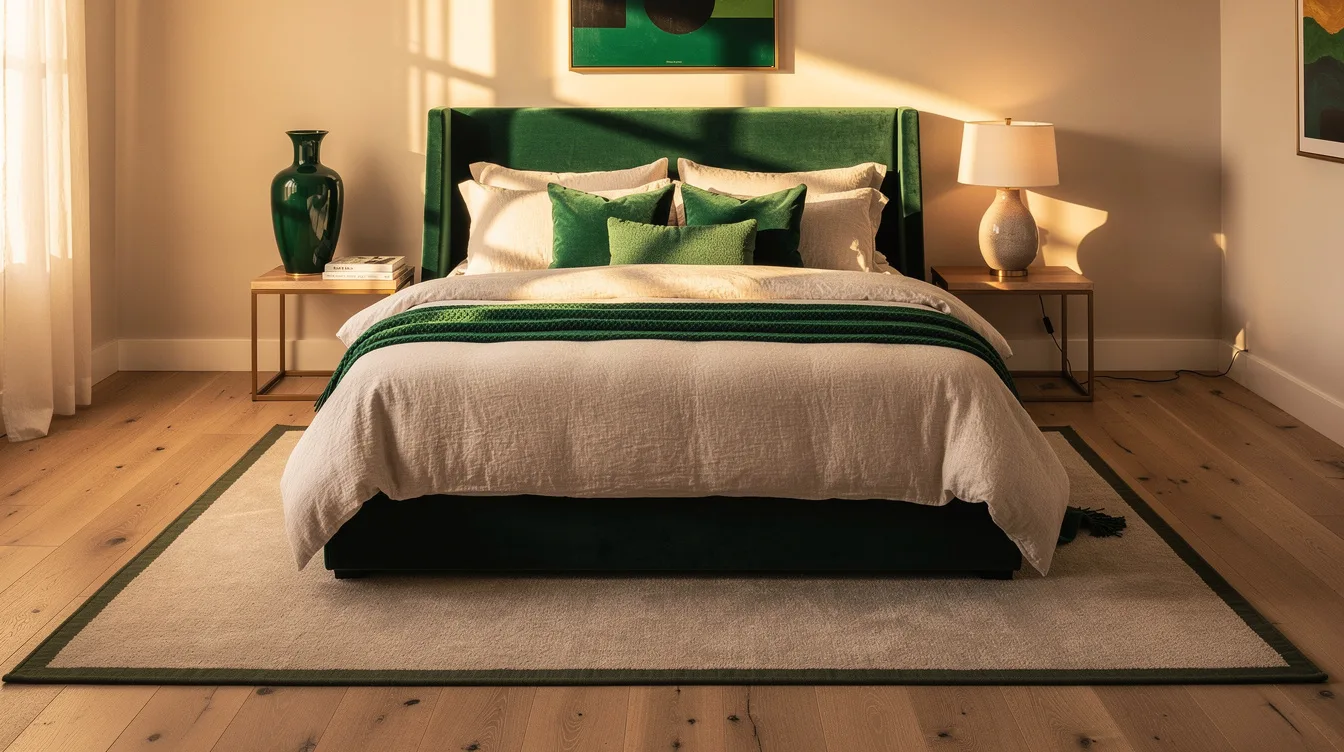
I once squeezed an 8-by-10 rug under a queen bed in a narrow rental bedroom, then spent weeks wondering why the whole room felt pinched. The rug showed only about 10 inches beside the bed, which is exactly where the design-world disagreement begins.
Most pros now favor a rug that gives a queen bed roughly 18 to 24 inches of softness on each side. Still, a smaller bedside setup can look intentional when the room, budget, or flooring makes a strong case for it.
Frame a Queen Bed With an 8-by-10
For a queen bed, an 8-by-10 wool rug is the practical standard because it reaches beyond the mattress, nightstands, and footboard without swallowing a typical bedroom. Designers increasingly treat this as the minimum generous option, not an extravagant upgrade.
Place the rug perpendicular to the bed and slide it under the lower two-thirds, or pull it farther up if the room is deep enough. A rug that barely clears the side rails makes an otherwise polished bedroom look underplanned.
At Home Depot, Lowe’s, and Wayfair, a typical 8-by-10 synthetic or wool-blend bedroom rug may run around $180 to $500. Spend more on size before spending more on a complicated pattern.
Give a King Bed the 9-by-12 It Needs
A king bed needs breathing room, and a 9-by-12 rug usually gives it. That larger field creates a real border around both sides and the foot, so the bed reads as anchored instead of parked on a postage stamp.
Yes, 9-by-12 rugs cost more and can feel intimidating in a bedroom with little open floor. But a too-small rug under a king is one of those details that makes expensive bedding and a solid wood bed frame lose their authority.
A typical 9-by-12 performance polyester rug at Walmart, Amazon, or Wayfair may cost around $220 to $650, depending on pile and construction. Measure door swings before ordering, especially near an ensuite or closet.
Use Runners When the Floor Deserves Attention
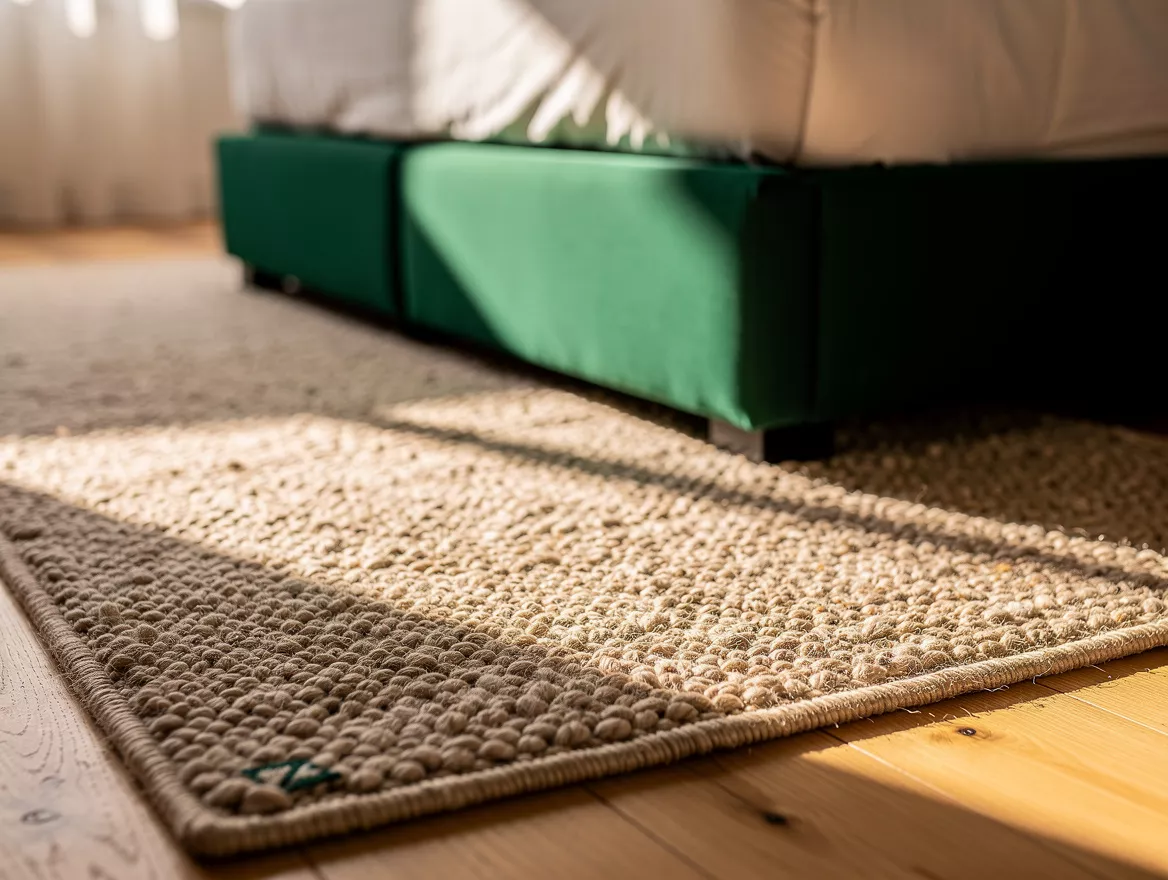
The smaller-rug camp has a convincing argument in rooms with white oak flooring, polished concrete, or an unusually tight footprint. Two bedside runners let the floor remain part of the design while giving bare feet a warm landing.
Choose matching runners around 2-by-5 or 3-by-5 feet, and keep their front edges aligned with the bed rather than drifting toward the nightstands. A pair of random bath-mat-sized rugs looks temporary, even when the colors are good.
Target and IKEA often carry washable cotton or flatweave runner options for around $30 to $100, typically. This approach works best with a simple upholstered bed and a room that has enough visible floor to feel deliberate.
Stop Letting the Rug Barely Peek Out
The least persuasive compromise is a 6-by-9 rug tucked so far beneath a queen or king bed that only a thin strip appears. It costs real money yet delivers neither the visual frame of a large rug nor the clean restraint of runners.
Use that size at the foot of the bed, across a dressing area, or in a compact guest room with a full bed. In a primary bedroom, it often creates a tiny island that visually chops up the floor.
If a larger rug is outside the budget, choose one substantial foot-of-bed piece in natural jute and leave it fully visible. The decision will look sharper than trying to imitate an oversized layout with insufficient coverage.
Layer Texture Without Adding Visual Noise
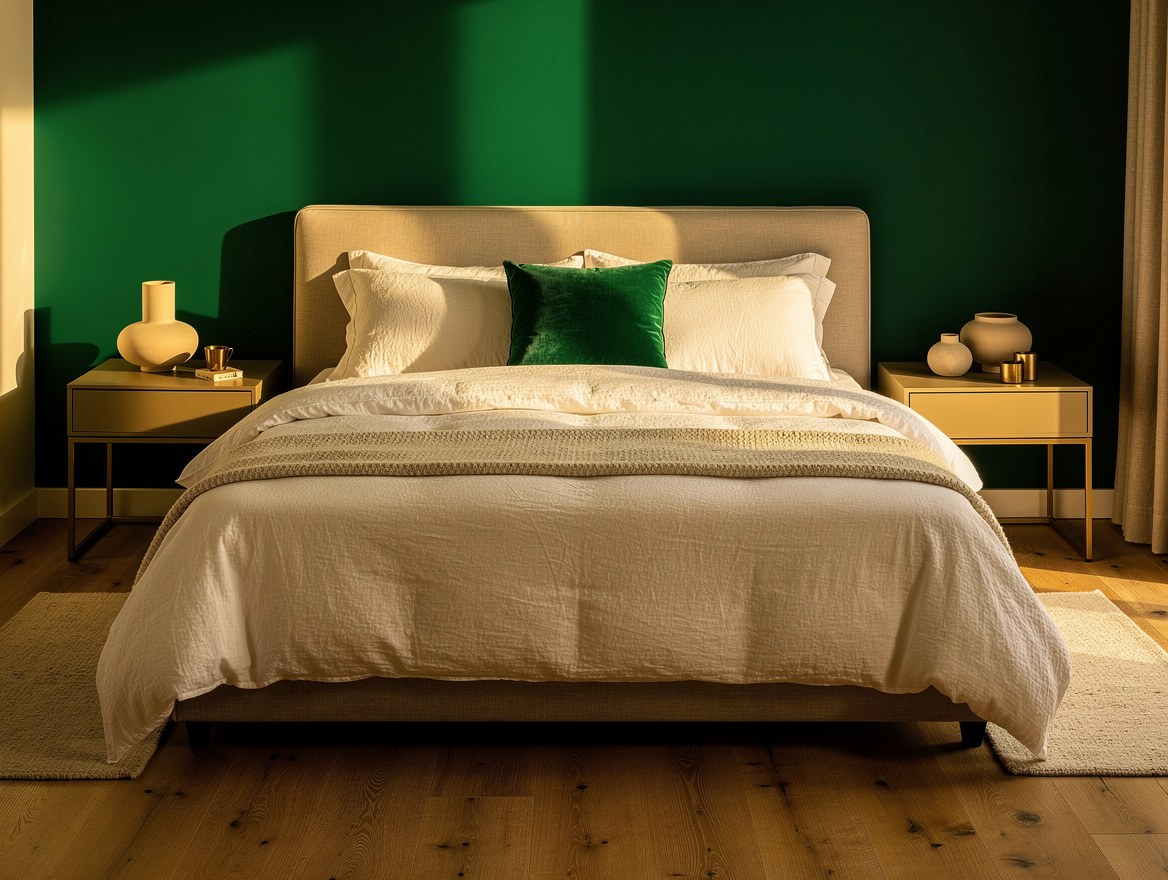
Oversized rugs do not need a loud motif to earn their footprint. A low-pile heathered wool blend in oatmeal, mushroom, or faded tobacco gives a bedroom the quiet, grounded feeling designers want without competing with the duvet.
Layering can work, but keep the base simple and the top rug smaller, such as a vintage-style 5-by-7 at the foot of the bed. One patterned layer. A linen quilt.
A brass reading lamp.
Costco, Lowe’s, and Amazon regularly offer neutral area rugs across several pile heights, with typical large-rug prices around $150 to $400. Skip shag in a bedroom unless you genuinely enjoy vacuuming deep pile around bed legs.
Match the Rug Plan to the Room’s Job
A bedroom rug should answer the way you use the room, not follow a diagram blindly. In a pet-friendly home or Airbnb, a washable Ruggable-style rug can outweigh the romance of a thick handwoven wool piece.
For a calm primary bedroom, I would choose one large rug beneath the bed every time the room allows it. For a small guest room, kids’ room, or rental with standout floors, runners can feel lighter and more honest.
Keep at least a modest strip of bare floor around the rug perimeter so the room does not feel wall-to-wall by accident. An 8-by-10 flatweave has more visual discipline than an oversized rug pressed against every wall.
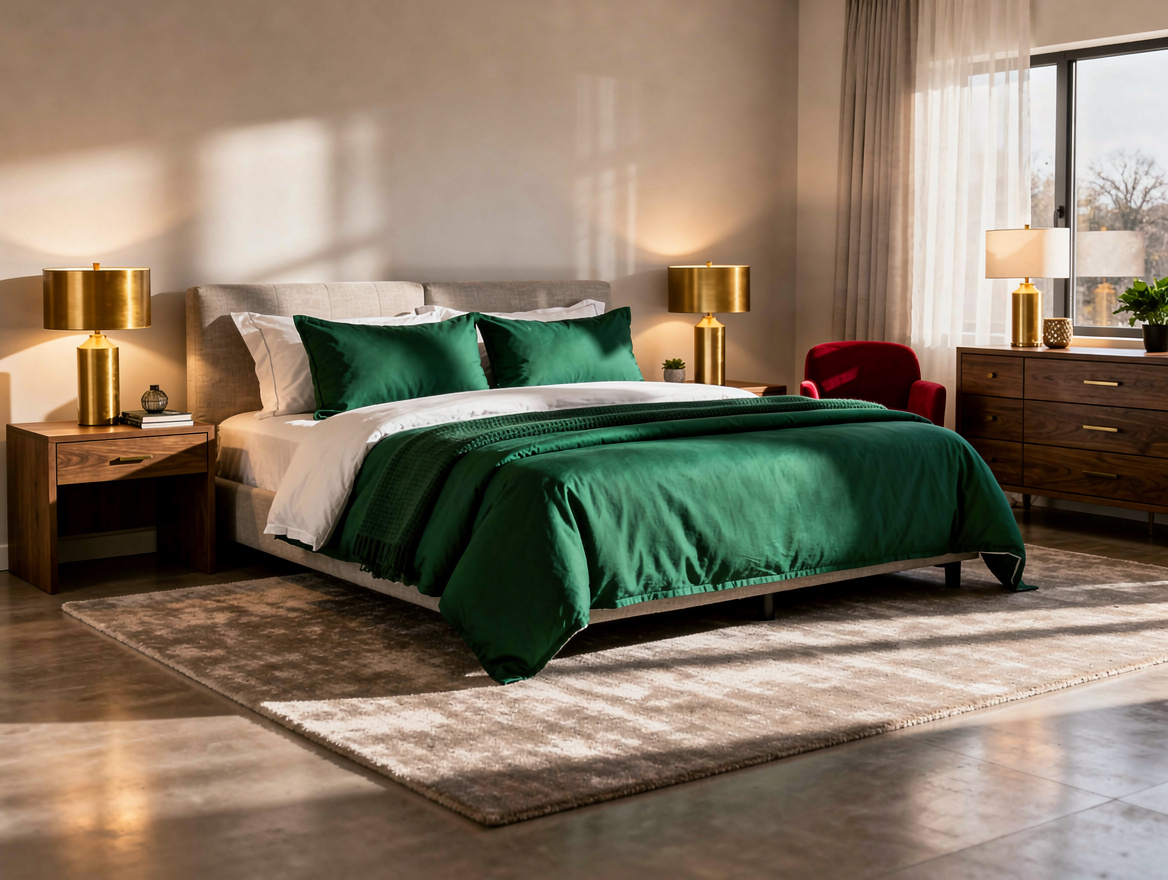
Start with painter’s tape: mark an 8-by-10 or 9-by-12 rectangle around your bed before shopping. The floor plan will tell you quickly whether your bedroom needs a generous anchor or a pair of purposeful runners.
Mia Carter writes about small-space living and budget home makeovers. She has restyled three rentals and tests most ideas in her own 45 sqm flat.