The ceiling fixture in a rental bedroom can handle getting dressed, yet it often makes the bed look flat and the walls feel cold after sunset.
A typical no-hardwiring lighting plan costs roughly $180 to $550, and the custom effect comes from three controlled layers: bedside light, hidden ambient glow, and one practical source near the mirror or wardrobe.
Frame the Bed With Plug-In Sconces
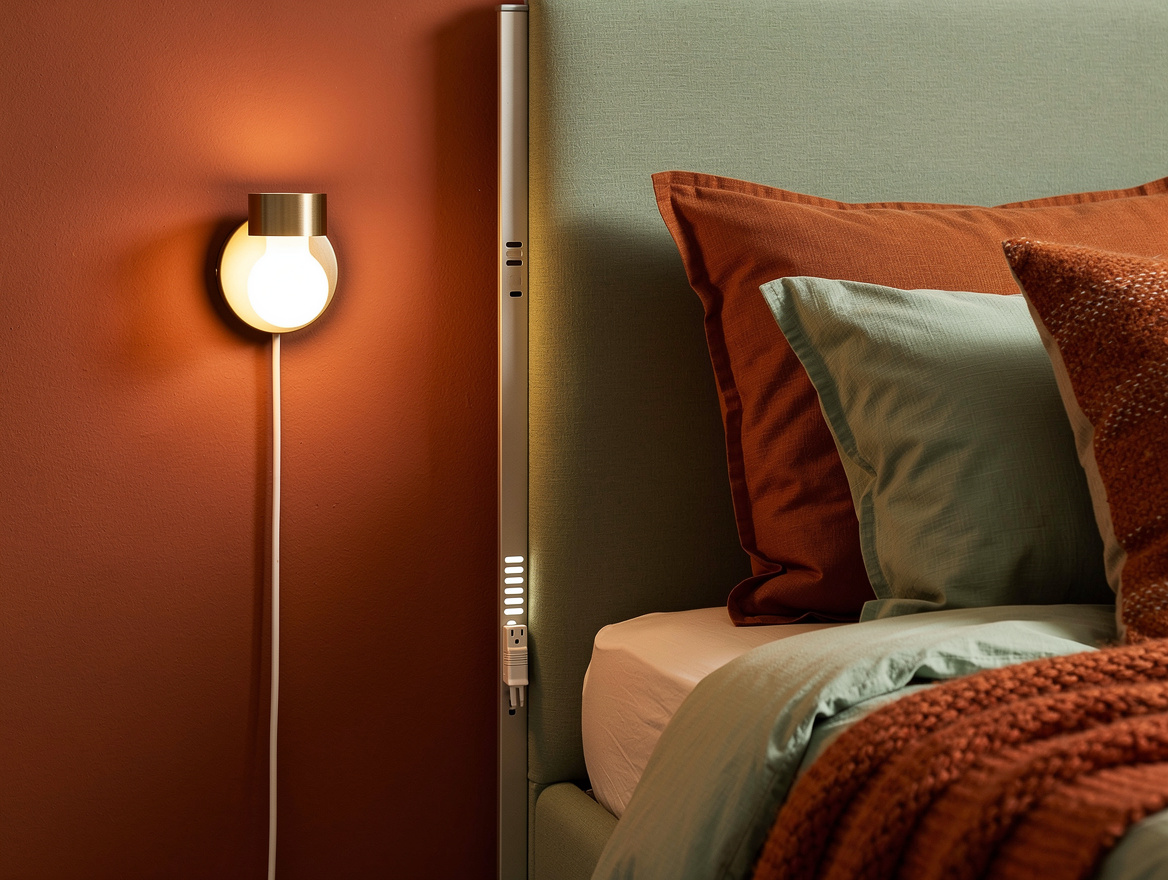
Start with a pair of plug-in swing-arm sconces instead of relying on a single ceiling fixture, then place one on each side of the bed for instant visual structure.
Mount each fixture about 20 to 28 inches above the top of the mattress and typically 6 to 12 inches beyond the bed edge, keeping both sides at the same height.
Choose a dimmable 2,700K warm-white bulb with a separate control on each side, so one person can read while the other keeps the room dark.
Budget pairs typically begin around $30 to $70, while useful mid-market sconces often cost about $85 to $200 each; decorative pieces can run above $200.
Hide a Warm Glow Behind the Headboard
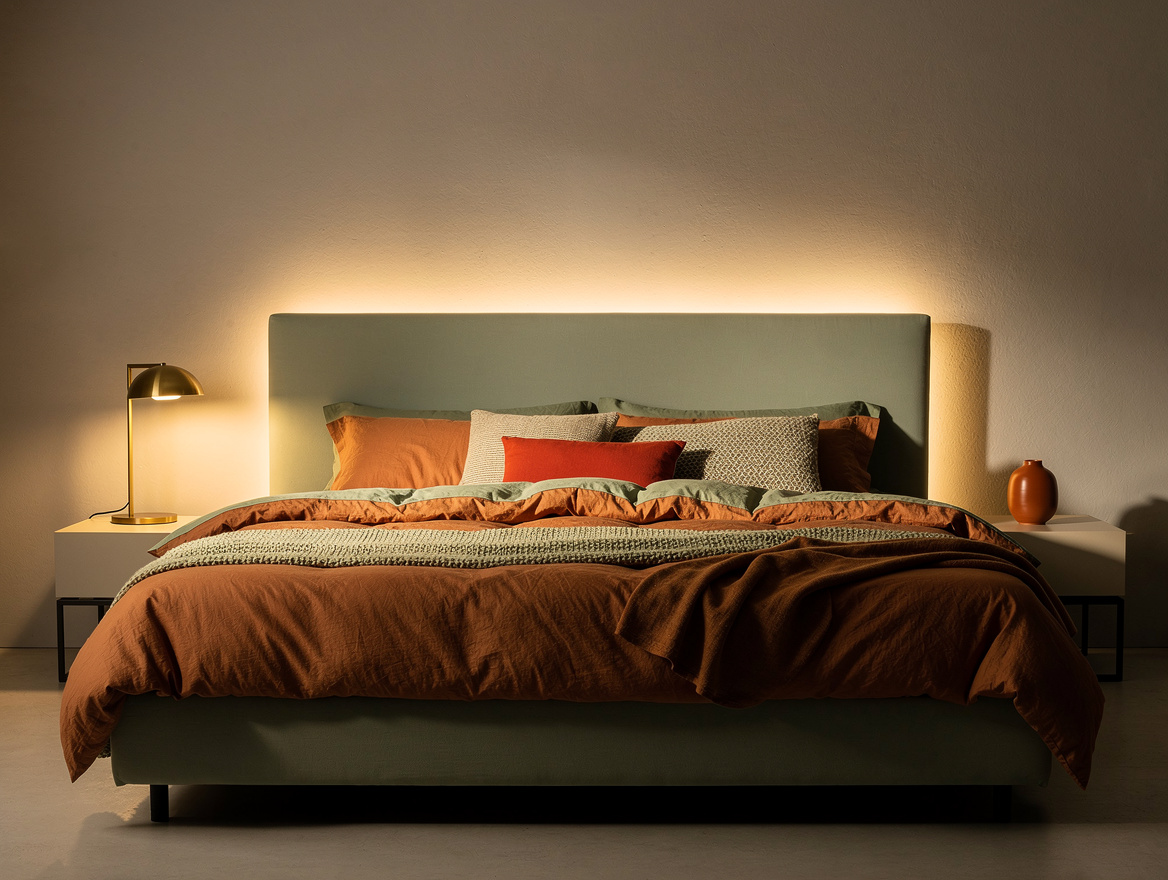
Run a warm-white LED strip behind the upper edge or rear perimeter of the headboard, where the light bounces onto the wall instead of shining into your eyes.
A strip around 5 meters long can cover a queen or king headboard in many layouts, but measure the route first and choose a cuttable model if the length needs adjustment.
An IKEA LED light strip can work well for this layer when its brightness is kept low, especially after bedtime.
Conceal the wire with removable cable raceway painted white, black, or brass-toned to match the wall and fixture, because the hidden hardware creates the expensive-looking glow.
Replace One Harsh Source With Layered Control
Keep the existing ceiling fixture for daytime chores and getting dressed, then add a plug-in pendant or floor uplighter for softer room-wide illumination.
A paper shade from IKEA can diffuse a bare overhead bulb, while a dimmable floor lamp aimed toward the wall creates broader light without putting glare directly over the pillows.
Set the room layer around 2,700K to 3,000K, and use a dimmer or smart plug so the bedroom can shift from practical morning light to a quieter evening setting.
The full lighting plan typically lands around $180 to $550, excluding a major ceiling-fan replacement, so spend first on the bed wall and let the remaining layers follow.
Light the Getting-Dressed Zone Precisely
Add one practical source near the mirror or wardrobe, such as a dimmable vanity lamp or compact picture light, so the bedroom remains useful after the overhead light is switched off.
Place the source where it lights your face and clothing rather than creating a bright spot behind you, and select a warm bulb that still gives enough clarity for color matching.
A frosted globe bulb softens the reflection in a small mirror, while a shaded lamp on a nearby dresser can handle the same job when wall placement is restricted.
Retailers such as Lowe’s, Home Depot, and Amazon offer renter-friendly options across the typical budget range, but the key feature is separate control, not a complicated fixture.
Finish With Tidy Cords and One Accent
Make every visible wire vertical, tidy, and symmetrical, using removable cable raceway wherever a cord travels down the wall.
Choose a small accent source for depth, such as a paper lantern, bookshelf LED, or brass table lamp on a dresser, and keep its output intentionally low.
One accent light is usually enough because the bedside pair, hidden headboard glow, and room lamp already establish the main rhythm.
Before buying another fixture, turn off the ceiling light at night and test each layer separately; the room should still feel warm when only the sconces and indirect glow are on.
Begin by marking the sconce positions beside the bed, then build outward with the hidden glow and practical lamp. That order gives the room its strongest visual structure before you spend on smaller accents.
Mia Carter writes about small-space living and budget home makeovers. She has restyled three rentals and tests most ideas in her own 45 sqm flat.