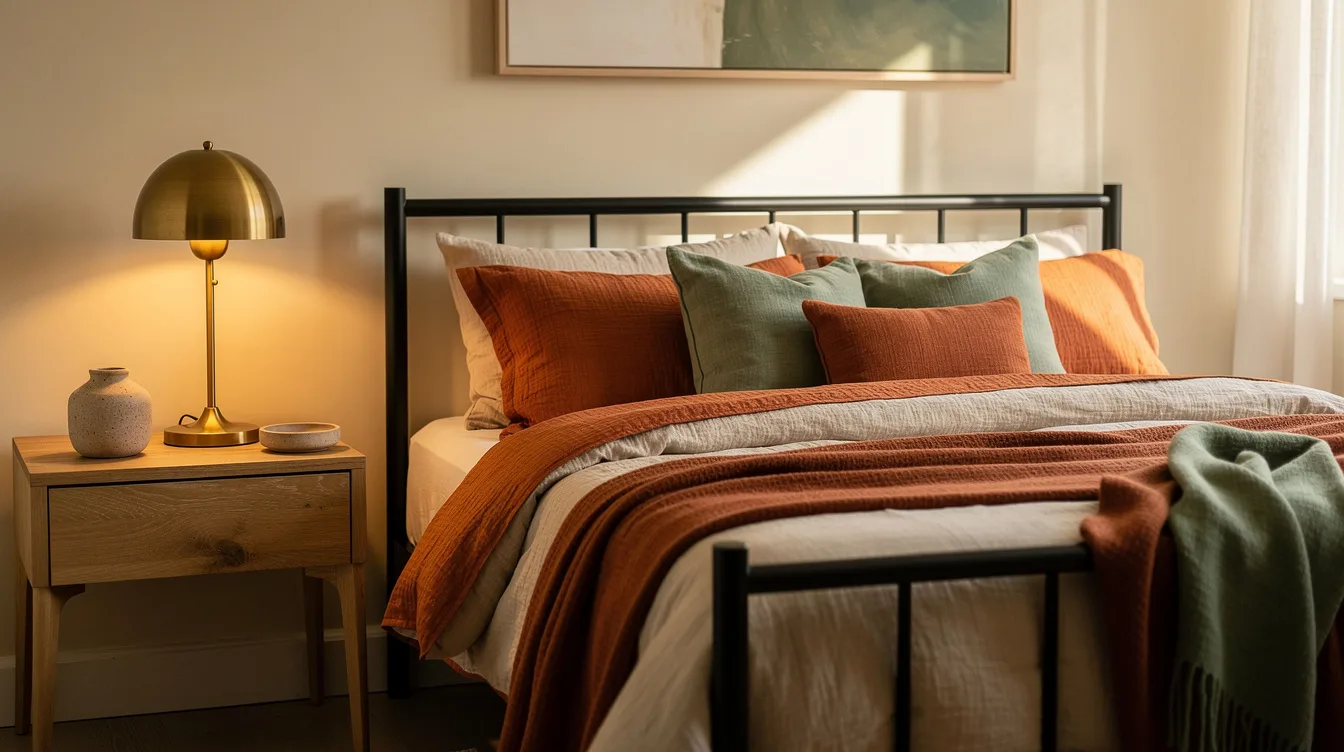
Matching every metal in a bedroom is the safest advice you’ll ever get, and it’s also why so many bedrooms read flat.
In my last rental, a standard queen bed, roughly 60 by 80 inches, sat between a chrome lamp, an antique brass mirror, and black curtain rods. None of it was ugly. It just looked like three separate shopping trips.
The designer fix is unglamorous and it works: treat finishes like a color palette, not a hardware aisle.
Cap the Palette at Two Finishes
Count your metals honestly first. Matte black, oil-rubbed bronze, polished nickel, and antique brass all get filed under metal, but your eye reads four different colors.
Most bedrooms hold two finishes comfortably. Three works only in a large, layered room with enough wall between pieces to let them breathe.
In anything under roughly 150 square feet, two is the ceiling. A third finish earns its spot as one small, deliberate accent, like a brass jewelry dish on the dresser, and it stops there.
Give One Metal a Clear 70/30 Lead
Equal amounts of two finishes is what makes a room feel unresolved. Split it about 70/30 and let one metal run the show.
That hierarchy is the whole difference between a styled bedroom and one assembled over four years of sales. If you’re using three finishes, roughly 60/30/10 keeps the ranking legible.
Choose your dominant metal from the pieces you can’t easily swap. The bed frame, the ceiling fixture, the rental door lever you’re not allowed to touch.
Everything cheap and portable follows that lead. Lamps, trays, and frames are the pieces you buy last, on purpose.
Repeat the Second Finish at Least Twice
One lone brass picture frame in a black and nickel room reads as an accident.
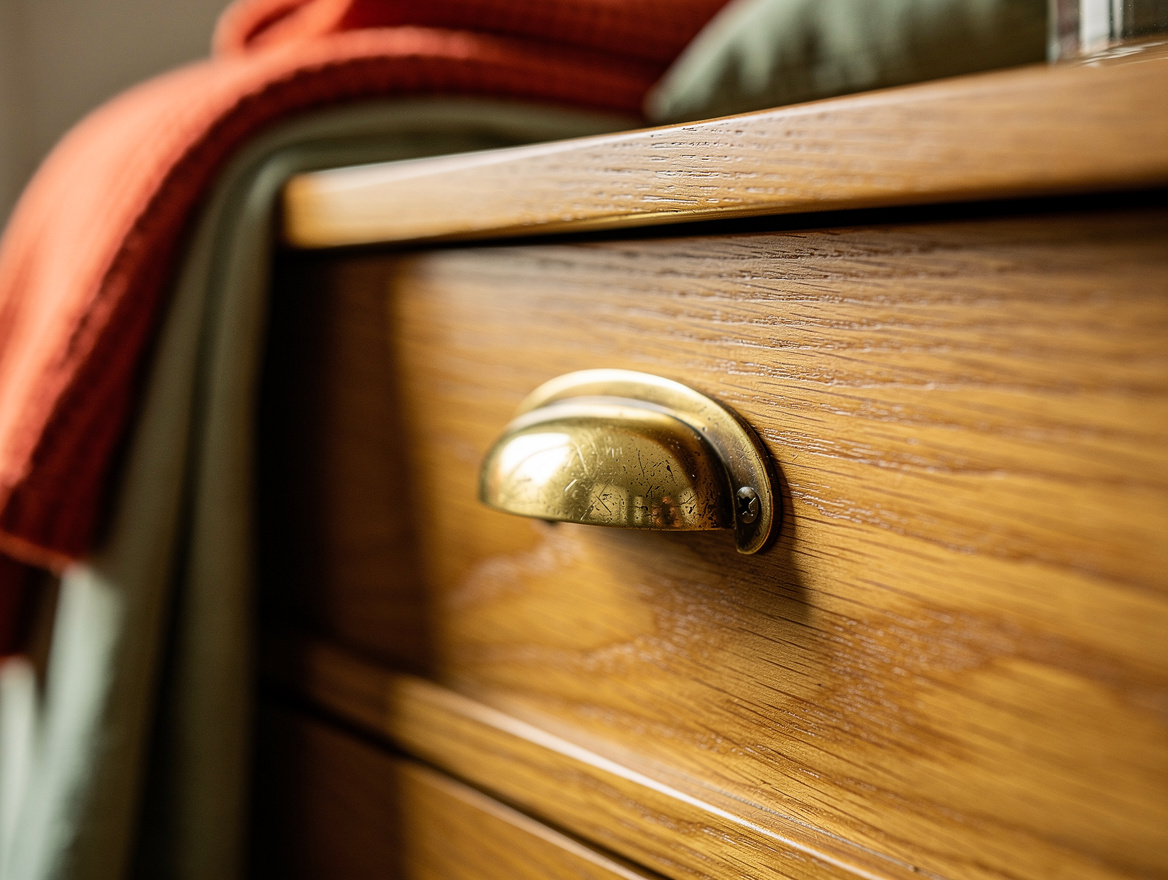
That same frame, plus a brass lamp base, plus a brass drawer pull, reads as a plan. Two appearances is the honest minimum, and three creates real rhythm in a bigger room.
Spread them out. A secondary finish clustered on one nightstand looks like leftovers rather than a repeat.
This is where I’d spend first if a room feels off. A four-pack of brass knobs from Home Depot typically runs about $5 to $8 apiece and instantly buys you the second echo you were missing.
Group Your Metals by Job
Keep matching functions on the same finish. All the cabinet pulls agree with each other, all the lighting agrees with itself, and the contrast happens between those groups.
Your eye wants a system it can read in a second. Mixed hardware inside a single dresser is the fastest way to make a good piece look secondhand in the bad way.
Hardware is the cheapest group to unify. A set of matte black pulls at Lowe’s or Walmart usually lands around $3 to $6 each, so an eight-drawer dresser is a $40 afternoon.
Do curtain rods and rings as one unit too. Nothing gives away a rushed room faster than a brass rod on chrome rings.
Lean on Aged Brass and Matte Black
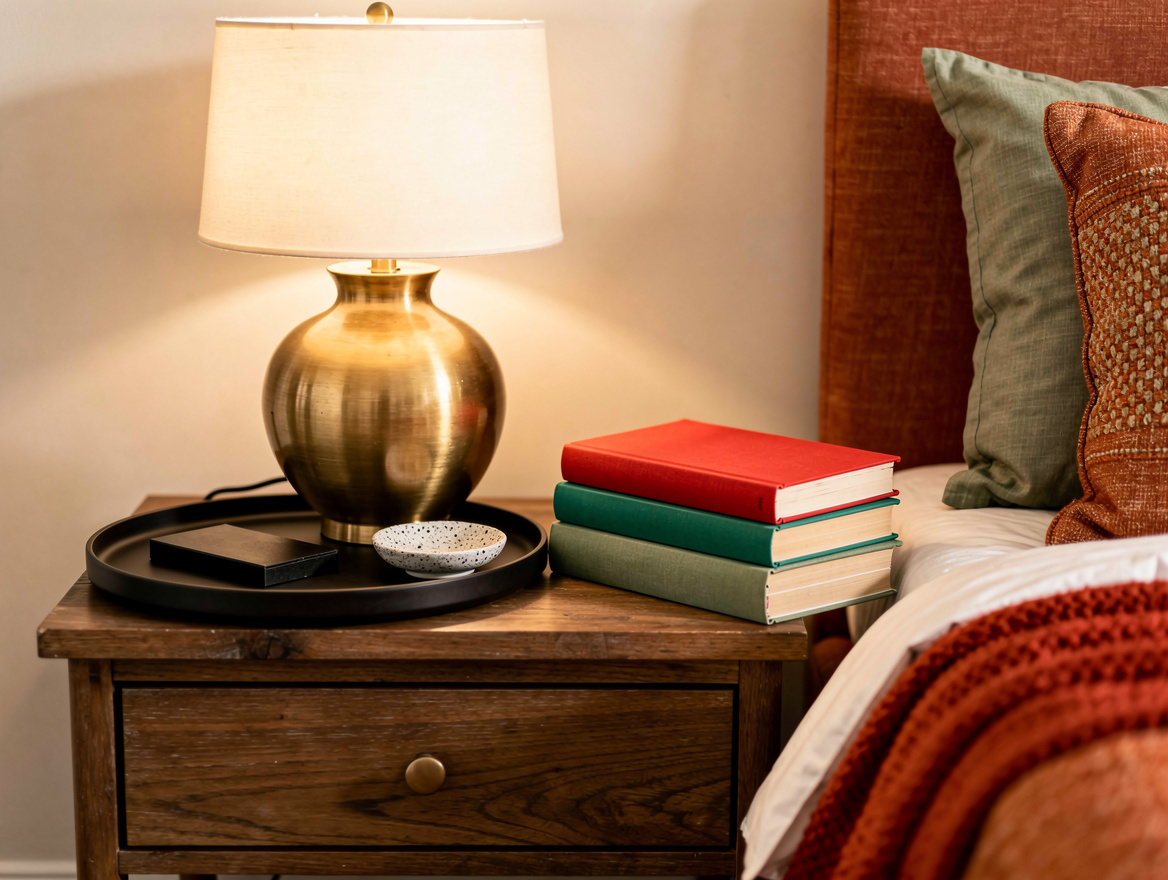
This is the lowest-risk contemporary pairing in a bedroom, and I use it constantly. Aged, antique, or unlacquered brass brings the warmth, and black draws a thin graphic outline around it.
Let brass dominate: bedside lamps, curtain rod, maybe a picture light over art. Then keep black to the frame, a mirror edge, a small tray.
Objects that carry both finishes at once do a lot of quiet work. The Crate and Barrel Promenade Black and Brass Floor Lamp stands about 62 inches tall and lists around $349, and because both metals live in one piece, it bridges your palette instead of adding to it.
For nightstands, a roughly 16.5 inch Cardiff table lamp comes in brass and black versions of the same silhouette. Same shape, one finish choice, no extra noise.
Swap Black for Brushed Nickel When Contrast Feels Harsh
Black can feel too graphic in a soft, sleepy room. Warm nickel is the gentler second.
Give antique brass the character jobs: lighting, mirror edge, a decorative tray. Give satin nickel the functional ones: wardrobe pulls, door lever, the arm of a reading sconce.
Temperature is what holds this together, so keep both metals on the warm side and skip anything mirror-bright.
It’s a palette that sits beautifully with warm ivory walls, natural oak, taupe upholstery, and washed linen. Add a stone lamp base and the room stops looking like a catalog page.
Dial the Sheen Down Before You Add Anything Shiny
Finish count is only half the problem. Sheen is the other half.
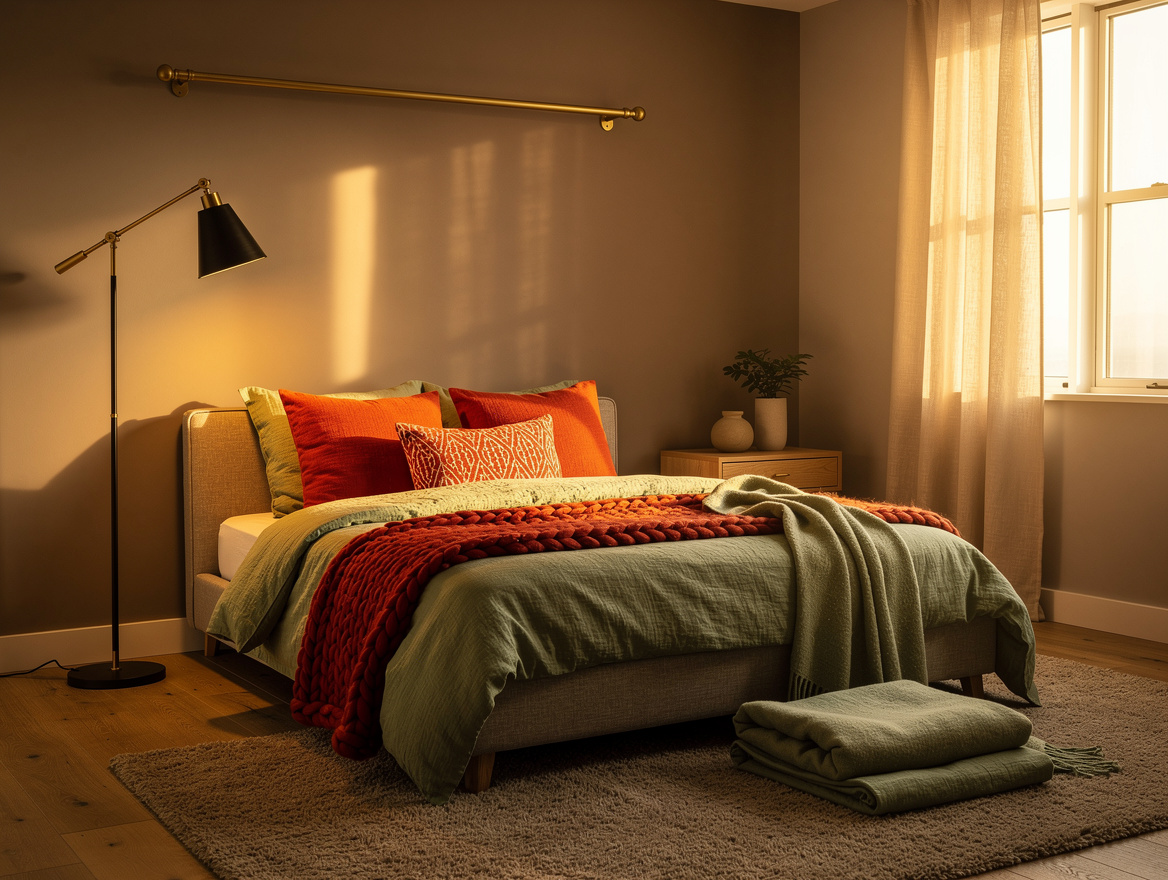
Matte black with unlacquered brass is forgiving because only one of the two reflects. Bright chrome with high-polish brass and bronze is visual chatter, no matter how well you split the ratios.
Black behaves almost like a neutral here, which is why it forgives so much. Polished chrome forgives nothing.
If you want depth without risk, choose living finishes. Unlacquered brass darkens over a year or two, and that slow patina does more for a bedroom than a third metal ever will.
Start at the lighting, pick your dominant finish there, then make the pulls and rods fall in behind it. Two coordinated lamps and one pack of knobs, typically under $200 all in, is usually the entire project.
Mia Carter writes about small-space living and budget home makeovers. She has restyled three rentals and tests most ideas in her own 45 sqm flat.