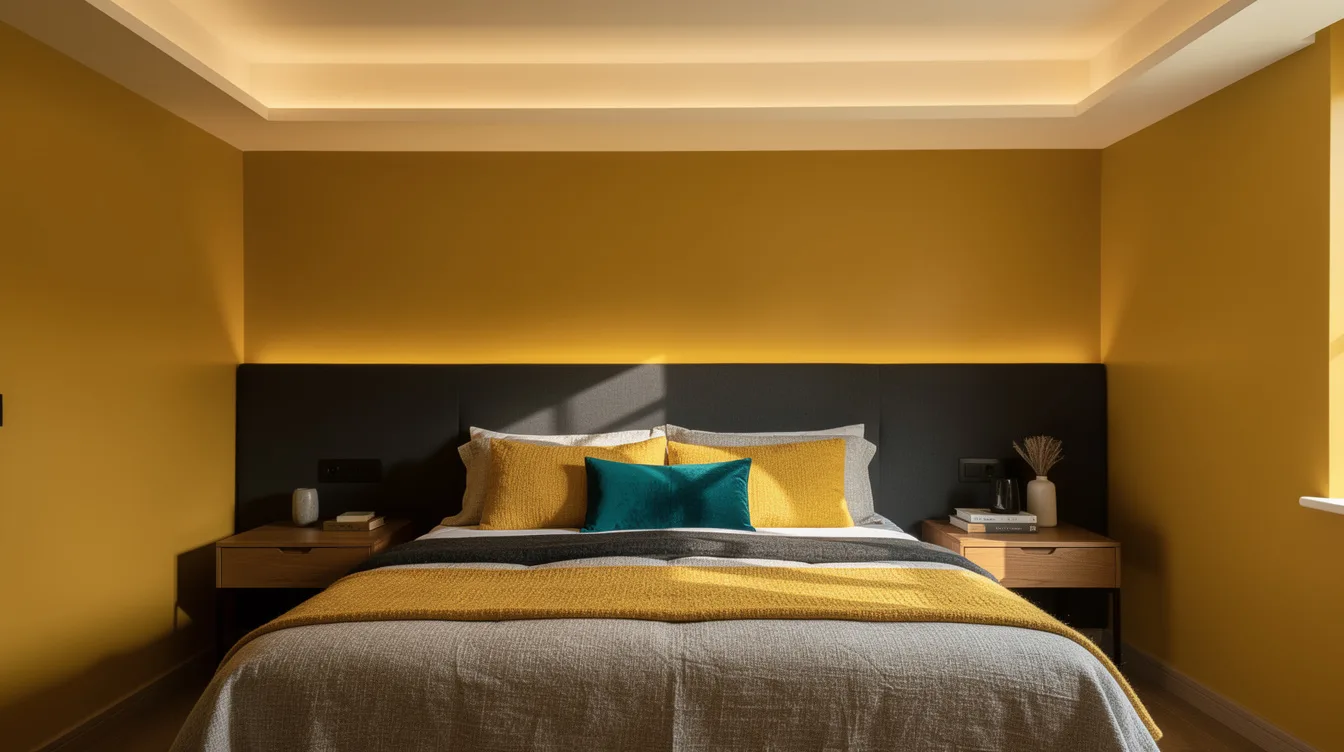
A bedroom can have a solid bed, soft linens, and still feel oddly unfinished when the ceiling is a blank white lid. Over a roughly 63-by-79-inch bed, a restrained tray creates a sleep-zone frame that feels built into the room.
The appeal is its restraint: shadow, proportion, and one controlled shift in color do more than decorative molding ever could.
Keep the Drop Deliberately Shallow
Designers favor a single-step drywall tray ceiling with a roughly 2-to-4-inch perimeter drop. Around 3 inches creates a readable shadow line without turning the bedroom into a themed hotel suite.
Published 2026 estimates place a new-build tray at roughly $500 to $1,500 per room, while a retrofit commonly runs about $1,500 to $3,000 or more. A Home Depot drywall specialist can help assess wiring, cracks, and insulation before anyone promises a final number.
Measure the Ceiling Around the Bed
Frame the sleep zone instead of automatically dropping the entire room. For a queen-scale bed, a centered panel roughly 106 to 130 inches wide and 130 to 165 inches long usually looks balanced.
Leave enough plain ceiling around the panel so the detail can breathe. A plasterboard reveal should make the bed feel anchored, not make every wall seem closer.
Respect a Low Ceiling
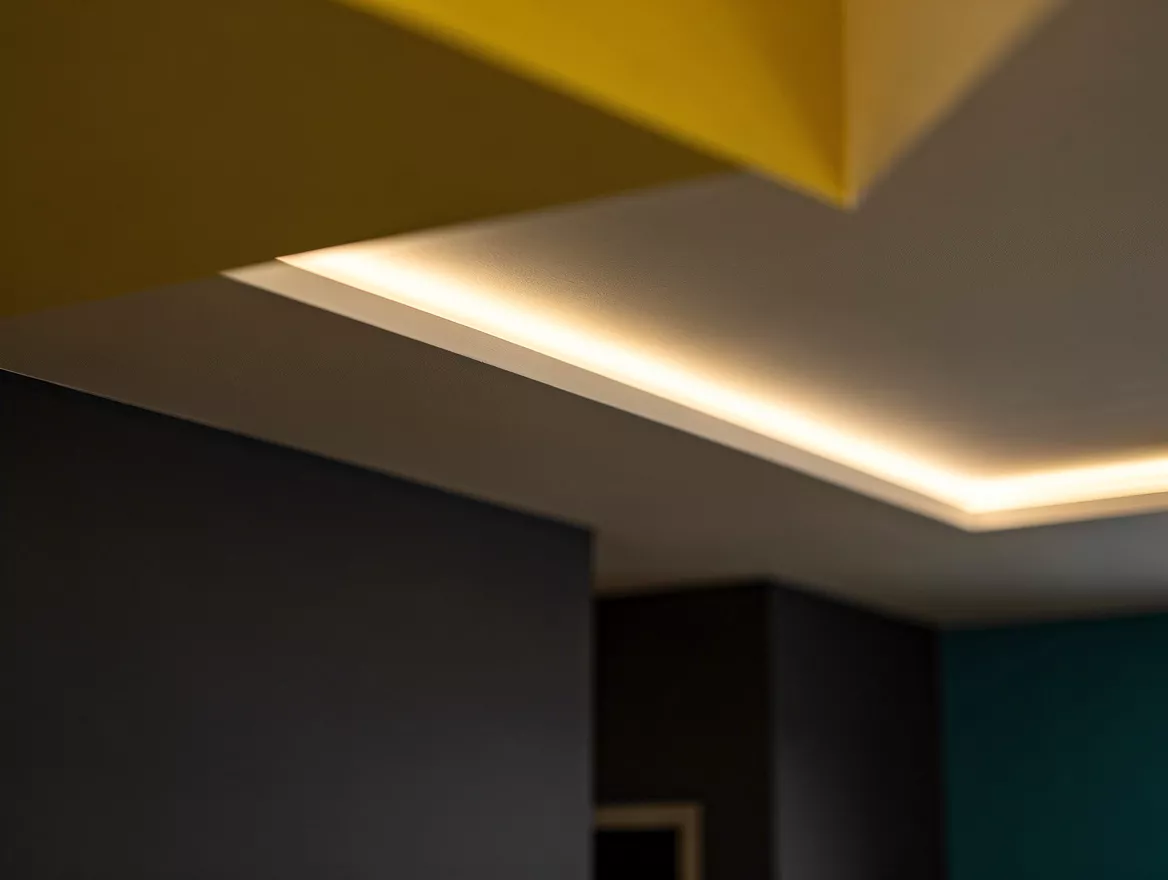
A finished ceiling height of roughly 106 inches is the comfortable starting point for a tray, while about 98 inches can work only with the shallowest version. At roughly 94 inches or lower, skip the dropped perimeter and choose a narrow shadow-gap reveal instead.
This is where restraint matters most. A crisp painted recess from Lowe’s reads cleaner than bulky crown molding fighting for headroom.
Deepen the Center Plane by One Step
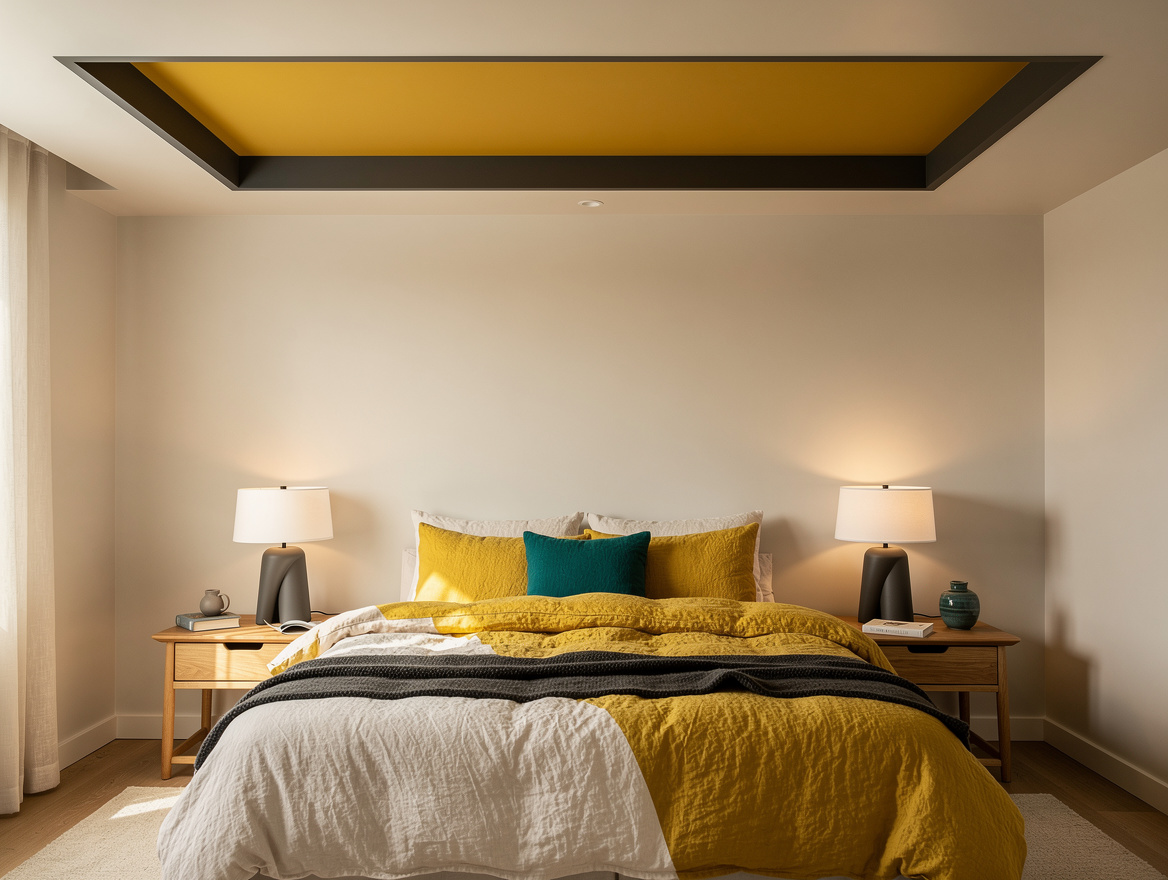
Paint the center field about 10 to 20 percent deeper than the walls, using a chalky warm ivory, muted mushroom, soft clay-beige, or subdued sage. The tonal difference should register after you enter the room, not announce itself from the hallway.
Choose a low-sheen matte paint from Home Depot and test it overhead first. Bright white centers can feel clinical beside warm bedding, and dramatic contrast looks dated fast.
Hide Light on the Upper Ledge
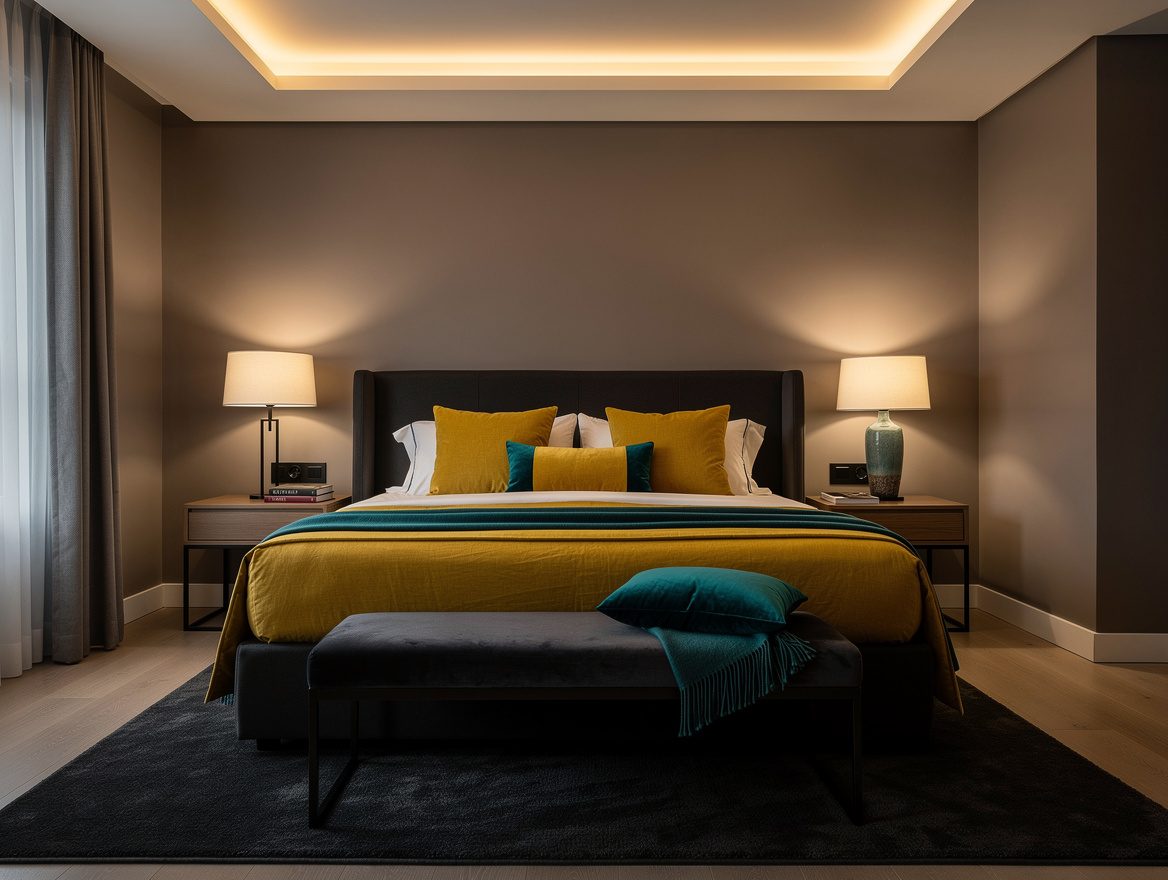
Install a dimmable warm-white LED strip on the inside upper ledge, aimed to wash the raised center plane. The fixture disappears, while the light makes the tray’s geometry visible after sunset.
A basic dimmable setup may add roughly $300 to $1,200 to a project, depending on electrical access and controls. Buy compatible components through Amazon or a qualified electrician, then keep the color temperature warm enough for bedtime.
Finish the Edge With a Reveal
Use a crisp plasterboard reveal or a slim shadow gap instead of oversized decorative trim. That narrow break is the architectural move, especially beside linen upholstery, oak nightstands, and quiet wall color.
A 0.4-to-0.8-inch recessed line is generally enough to give the ceiling definition. For a wood-accent variation, a bed-aligned field of oak battens from Home Depot can stop short of the walls and keep the room calm.
Start by measuring ceiling height before choosing paint or lighting. A shallow tray with a warm center plane will give the room more lasting presence than any oversized molding package.
Mia Carter writes about small-space living and budget home makeovers. She has restyled three rentals and tests most ideas in her own 45 sqm flat.