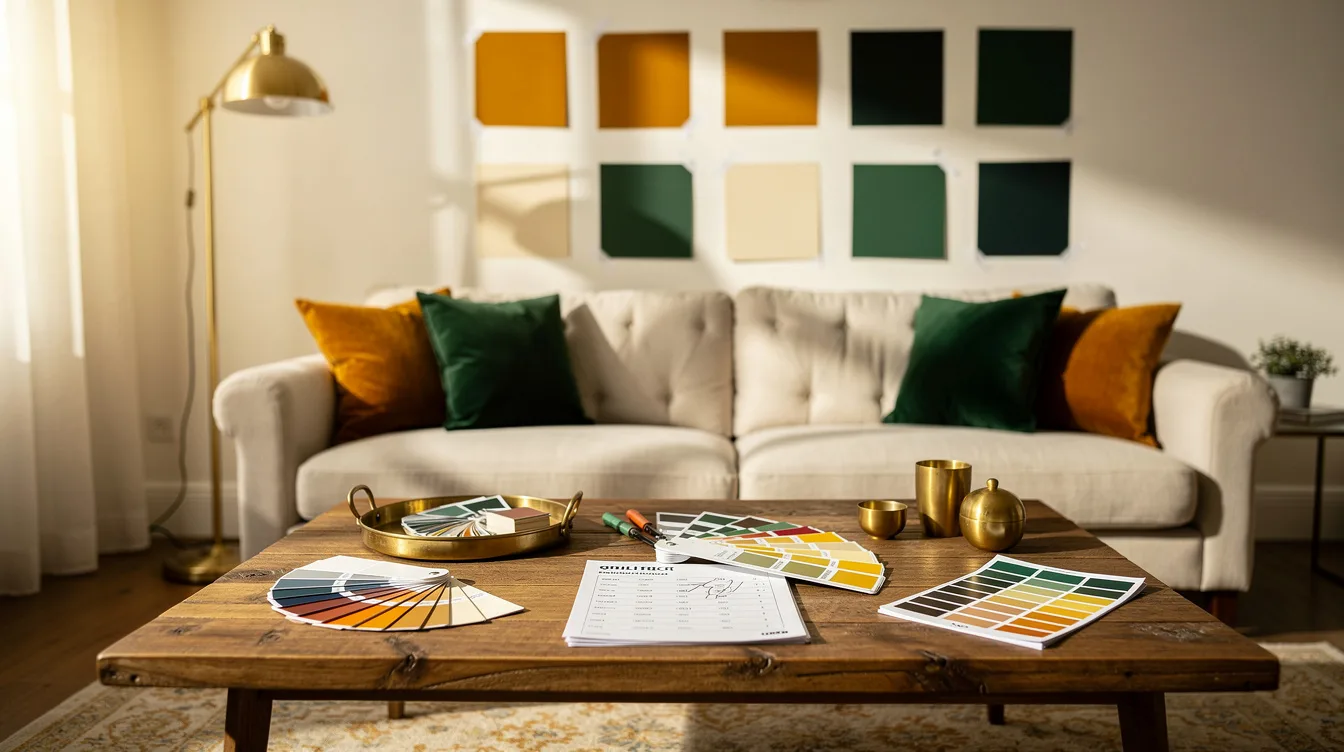
A typical in-home color consultation runs about $150 to $200 an hour in 2026, and that number scares most people off before they hear what’s actually included. I used to assume a color expert just pointed at a fan deck and said “that one.” Then I watched a friend hand her painter a written report with exact codes, sheens, and room-by-room notes, and the whole repaint went off without one argument. Here’s what you’d actually get for the money.
Build a Whole-Home Palette, Not One Lonely Wall Color
The biggest misconception is that a color consultant shows up, points at a fan deck, and leaves. In reality, they start with your goals, your existing finishes, and the fixed elements you can’t change, then build a scheme that flows from room to room.
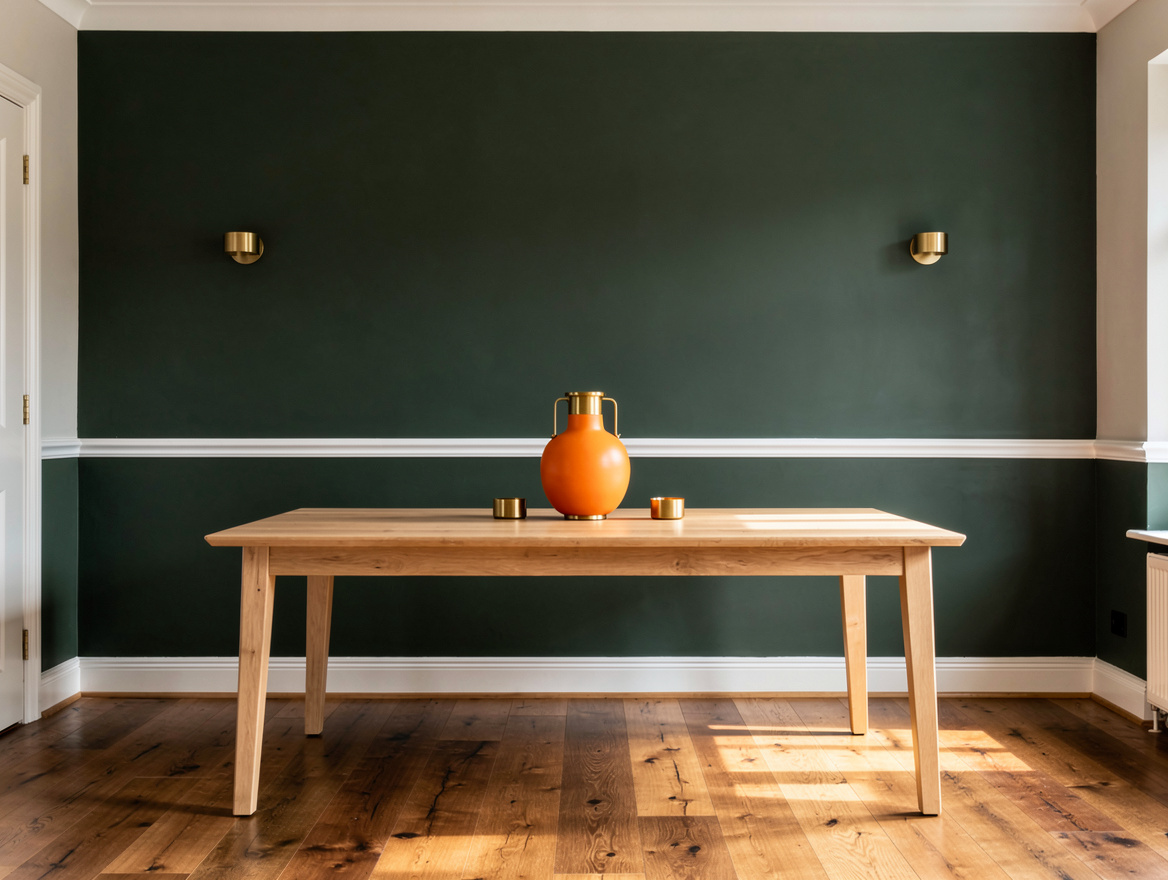
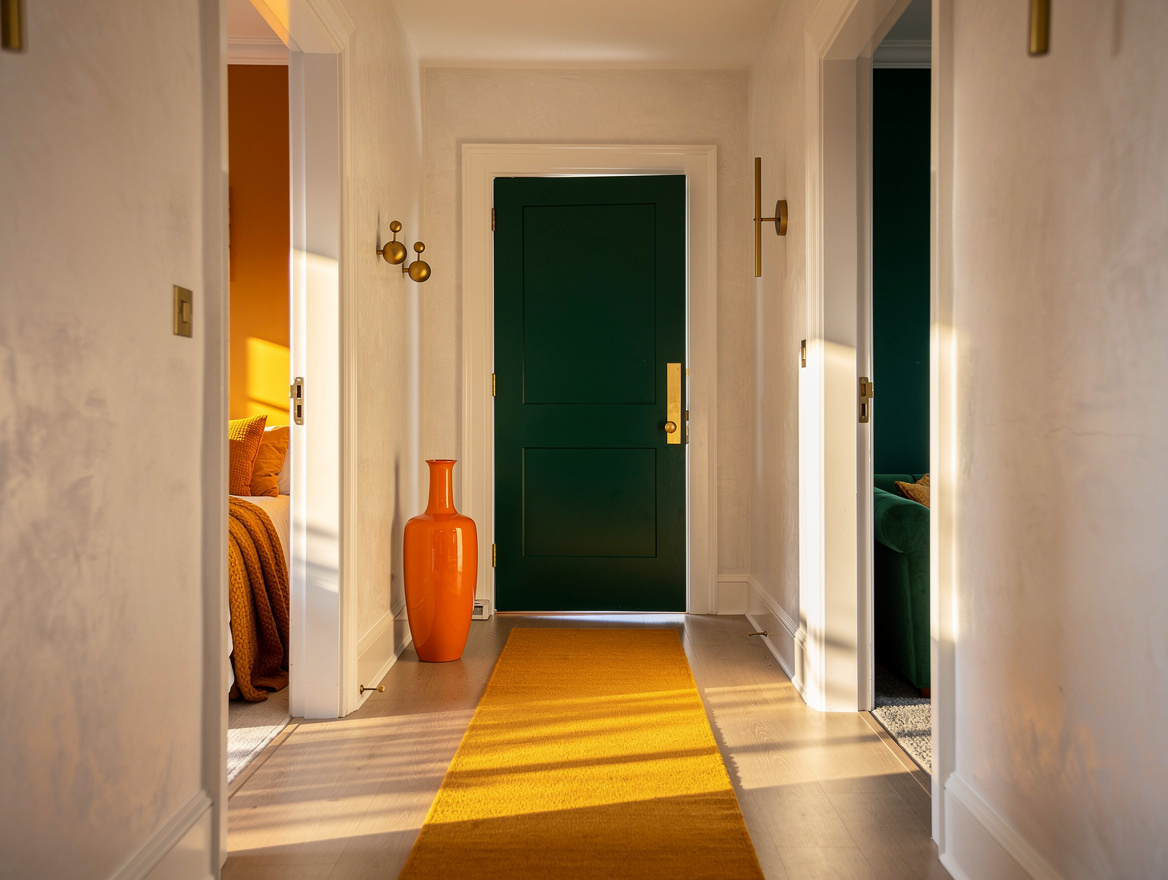
That means walls, ceilings, trim, doors, and cabinets all get decided together. A typical plan might pair a warm off-white on the walls with a cleaner white on the trim, then one deeper accent in the dining room so the house has a rhythm instead of a patchwork.
My opinion: this is the single thing worth paying for. A cohesive whole-home palette is almost impossible to reverse-engineer after you’ve already painted three rooms three unrelated colors.
Read Your Light Before Naming a Single Color
It seems straightforward: pick a swatch, buy a gallon, done. But the way most of us choose color works against the room, because the same greige reads warm and calm in a south-facing space and flat-out purple in a north-facing one.
A consultant will ask for room length, width, and ceiling height, plus photos and sometimes a floor plan. Those dimensions change how undertones show up at scale, and a pro has seen that trap enough times to dodge it on the first try.
They’ll also look at what’s already there. Honey oak floors, red brick, a busy granite countertop: each one throws an undertone into the mix, and a good expert coordinates with them instead of fighting them.
Coordinate Walls, Trim, Cabinets, and Floors as One System
Here’s where DIY paint projects usually fall apart. The wall color is fine, but it clashes with the honey oak floor, or the trim white makes the cabinets look dingy yellow.
Consultants cross-reference across product lines to avoid that. They’ll often spec a Benjamin Moore wall color against a cleaner trim white, or pull from Sherwin-Williams and match the sheen schedule so the satin on your walls doesn’t fight the semi-gloss on your baseboards.
Exterior work gets the same treatment: siding, trim, shutters, and the front door chosen as a set. One coordinating front-door color, chosen well, does more for curb appeal than repainting the entire house.
Run a Sample Strategy That Actually Proves the Color
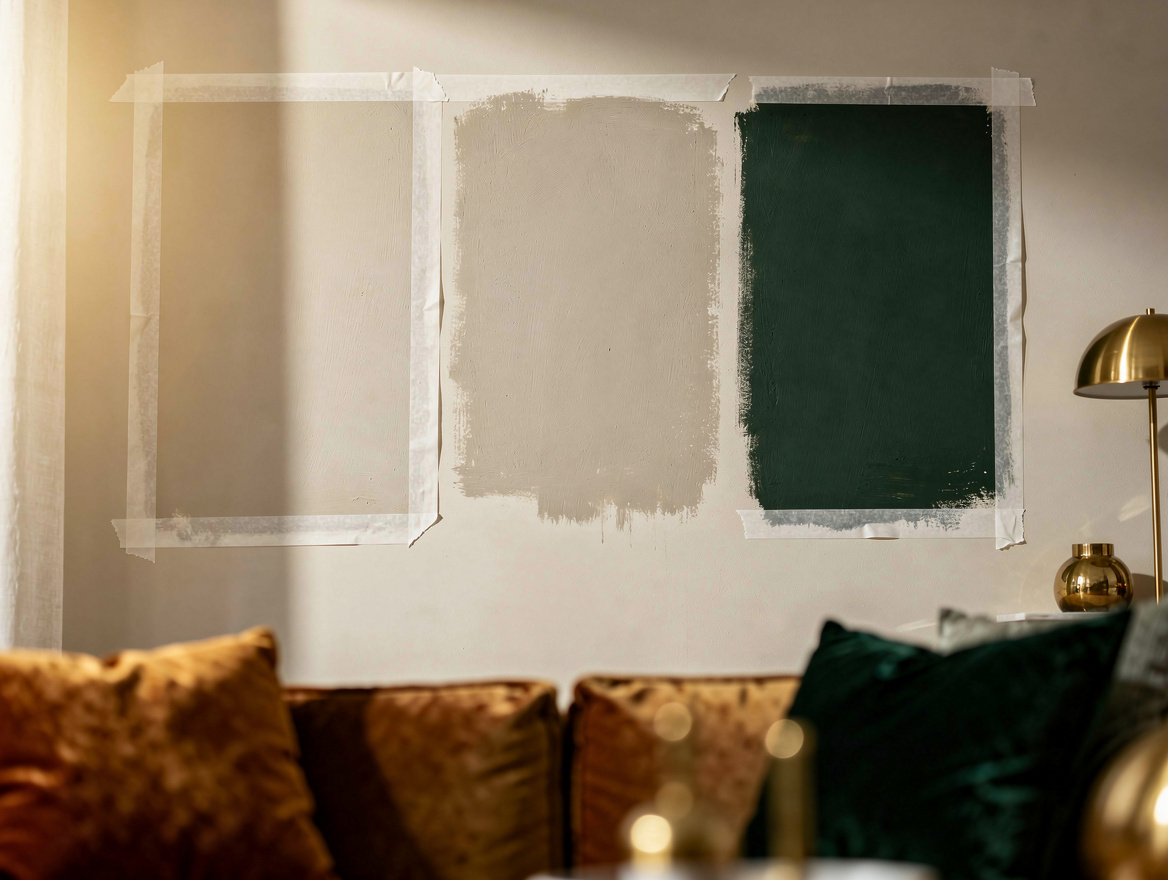
Most people test paint wrong. One tiny patch, viewed once at noon, and they’re shocked when the finished room looks different at 8 p.m.
A consultant will spec a real testing plan: brush-out patches on multiple walls, checked morning and evening. Sherwin-Williams sells 8 x 8 inch peel-and-stick samples plus free 2 x 3 inch chips, and Benjamin Moore offers half-pint brush-on samples that cover roughly 20 square feet with two coats, enough to judge a color honestly.
Behr at Home Depot works the same way for budget projects. The brand matters less than the method, and method is what you’re paying a pro to bring.
Hand Your Painter a Report, Not a Vague Verbal Wish
The deliverable that surprises most clients is the paperwork. A proper consult ends with a written color report listing exact color codes, finish recommendations per surface, and application notes your painter can follow without a single guess.
That document kills the classic failure mode where the painter swaps sheens or substitutes a “close enough” color because nobody wrote anything down. It also means you can rehire a different painter in five years and get identical results.
Some consultants now include AI-assisted room visualizations, so you see the palette rendered on photos of your actual rooms before a drop cloth comes out. Honestly, the preview alone settles most spousal paint debates.
Match the Service Level to Your Budget
Pricing in 2026 spans a wide range, so pick your tier by scope. Online consulting typically runs about $80 to $120 per hour, while a full in-home visit averages roughly $150 to $200 per hour.
At the entry level, Sherwin-Williams offers an email color consultation for about $65, which is a steal for a single room. Independent consultants commonly price single-room or multi-room packages from around $175 to $350.
Published package examples give you a feel for the market: about $250 for a consult covering up to 4 interior rooms with extra rooms near $75 each, roughly $295 for a whole-home interior plan, and around $325 for an exterior consultation covering siding, trim, shutters, and doors.
My take: if you’re repainting more than three rooms or touching cabinets, the math favors a flat package over hourly. You’ll spend less than the cost of one wrong gallon plus the labor to repaint it.
Start with the cheapest proof: order peel-and-stick samples of your top three contenders and live with them for a full weekend. If none of them survive Sunday evening light, that’s your sign the $65 email consult just paid for itself.
Mia Carter writes about small-space living and budget home makeovers. She has restyled three rentals and tests most ideas in her own 45 sqm flat.