
Extra pillows become awkward the moment a bedroom cabinet is only about 30 cm deep. A typical full-size pillow measures roughly 50 by 70 cm, so laying it flat usually fails before the door even closes.
The practical answer is a shallow cabinet with adjustable shelves, upright storage for daily pillows, and compression bags reserved for occasional polyester pieces.
Designers favor this setup because it respects the pillow’s loft instead of treating soft bedding like books.
Measure Cabinet Depth Before Buying
Start with the cabinet’s usable depth, because pillow loft determines whether the door closes cleanly; a shallow cabinet works only when the fullest pillow can stand without being crushed.
A typical full-size bed pillow is about 50 by 70 cm, so a shelf roughly 30 cm deep can still work when the pillow stands upright rather than lying flat.
IKEA BILLY/OXBERG is a sensible starting point because its exterior depth is approximately 30 cm, while its width gives a full-size pillow room to stand on its long edge.
Measure the interior opening after assembly, then test one actual pillow before committing to shelf positions, since exterior measurements never guarantee usable storage space.
Compare Cabinet Widths And Prices
The low BILLY/OXBERG cabinet measures approximately 80 × 30 × 106 cm and is listed at about $109, making it the strongest choice for a few spare sleeping pillows.
The taller version measures approximately 80 × 30 × 202 cm and costs about $169 in the current US listing, with enough enclosed height to separate guest pillows, decorative inserts, and covers.
Both versions use paper-foil-covered particleboard with fiberboard components and adjustable shelving, so their value comes from flexible storage rather than luxury construction.
The smaller IKEA BAGGEBO cabinet costs about $34.99 and measures approximately 50 × 30 × 80 cm, but its narrow body and awkward access make it a poor blind purchase for full-size sleeping pillows.
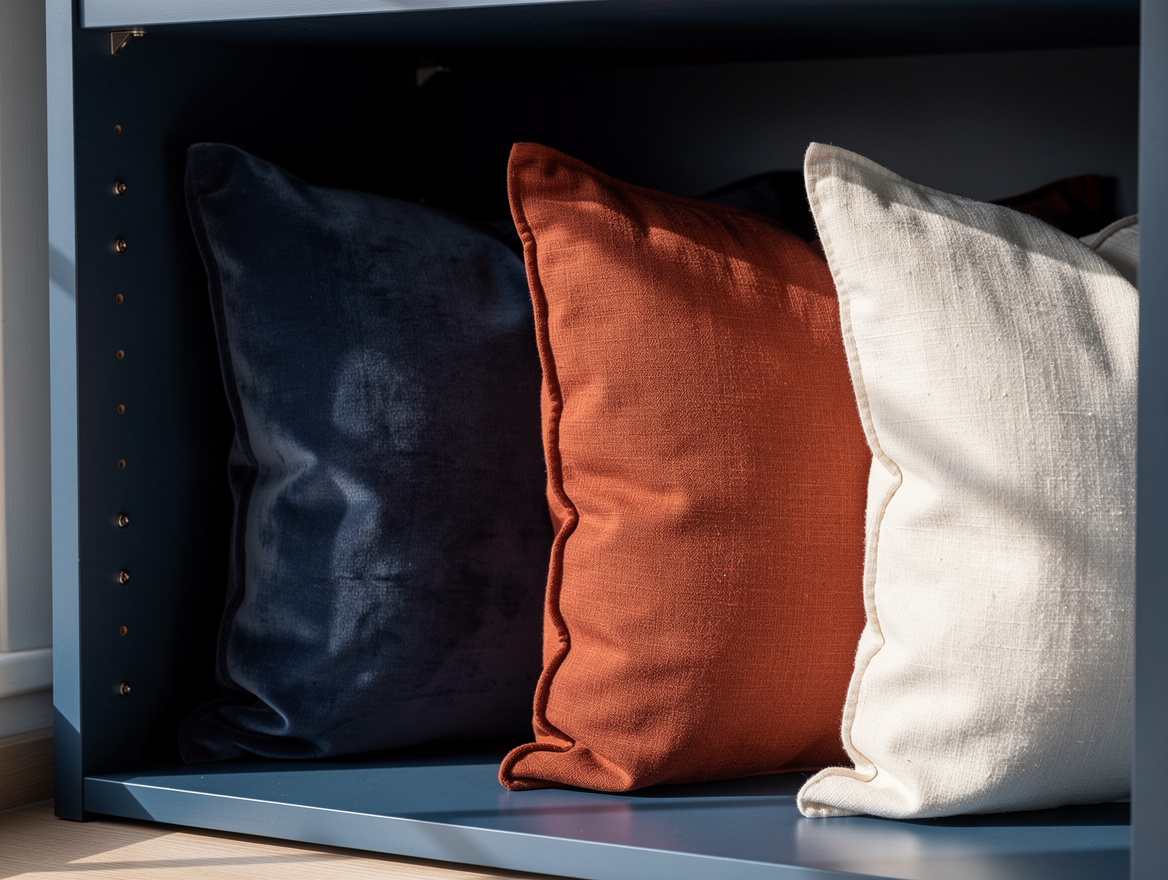
Stand Sleeping Pillows On Long Edges
Place each sleeping pillow upright like a file, with its long side running across the cabinet and its shorter side determining the compartment height.
For a pillow measuring about 50 × 70 cm, the 70 cm side fits across an approximately 80 cm-wide cabinet, while the 50 cm side needs a little extra vertical clearance.
Plan on a compartment around 55 to 60 cm high, then adjust it around the actual loft of your polyester pillow rather than relying on the product label alone.
This arrangement protects the pillow’s shape and avoids trying to flatten a bulky bed pillow onto a shelf that is only about 30 cm deep.
Adjust Shelves Around Pillow Loft
Use the cabinet’s adjustable shelves to create one taller bay for sleeping pillows and shorter bays for covers or small cushions, leaving enough air around each item.
Keep square inserts standing on an edge when possible, especially when their fill is soft enough to slump across a shelf and block the door.
The tall BILLY/OXBERG configuration has four adjustable shelves plus one stationary shelf, which makes it easier to build separate compartments without stacking everything into one heavy pile.
That flexibility is the reason I prefer adjustable shelving over a fixed bookcase: the cabinet can follow your pillow collection instead of forcing every item into the same cramped slot.
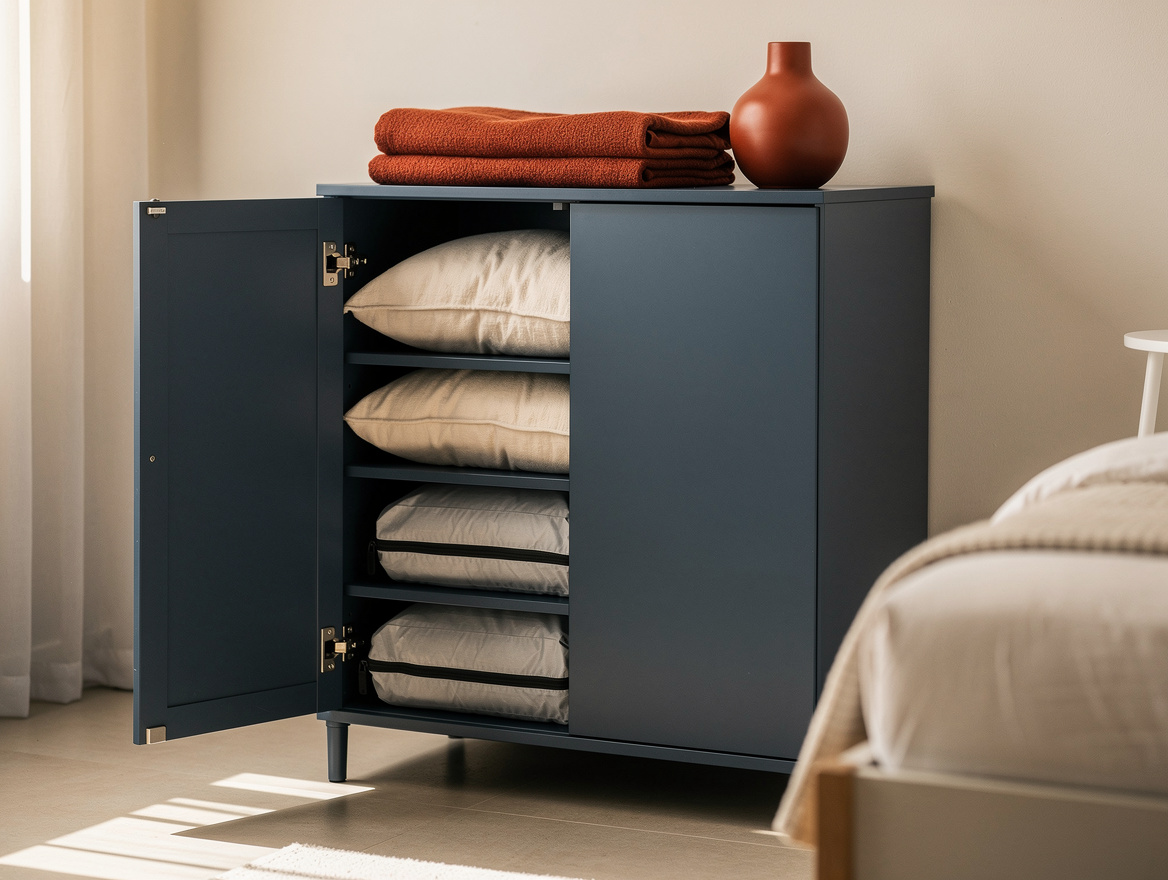
Reserve Compression Bags For Rare Use
Save compression bags for occasional-use polyester pillows, such as guest bedding that stays packed for much of the year.
Everyday pillows should remain upright in the cabinet, where their fill can keep its shape and you can grab one without unpacking the entire shelf.
Label each compression bag with its contents before storing it behind the door, because a sealed bundle quickly becomes anonymous once several covers and inserts share the same cabinet.
Compression is a space tool, not the main storage system; using it on every pillow creates a dense pile that is harder to inspect and easier to forget.
Finish With Covers And A Retrieval Zone
Protect clean pillows with breathable cotton pillowcases or washable covers, especially when the cabinet sits near an open window or a dusty baseboard.
Group sleeping pillows at one side, decorative cushions in the middle, and compressed guest pieces on the highest shelf so the items used most often stay easiest to reach.
A small label on the inside of the solid door can list each shelf’s contents without adding visual clutter to the bedroom.
Keep one hand-width of breathing room wherever the cabinet allows it, because a slightly relaxed arrangement looks better and makes the next pillow retrieval far less frustrating.
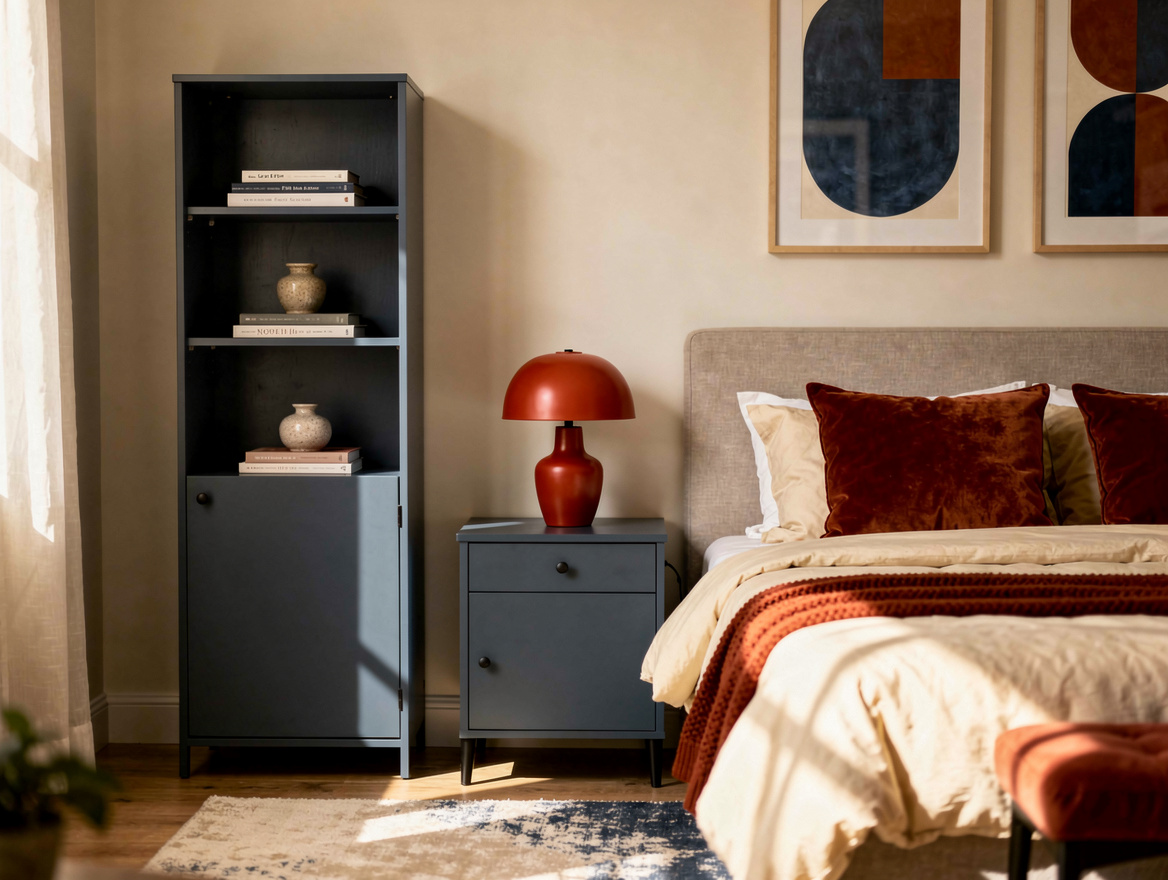
Begin with your fullest pillow: place it inside the cabinet, close the door gently, and set the first shelf only after the loft clears the frame. That single test will tell you more than a perfect-looking measurement chart.
Mia Carter writes about small-space living and budget home makeovers. She has restyled three rentals and tests most ideas in her own 45 sqm flat.