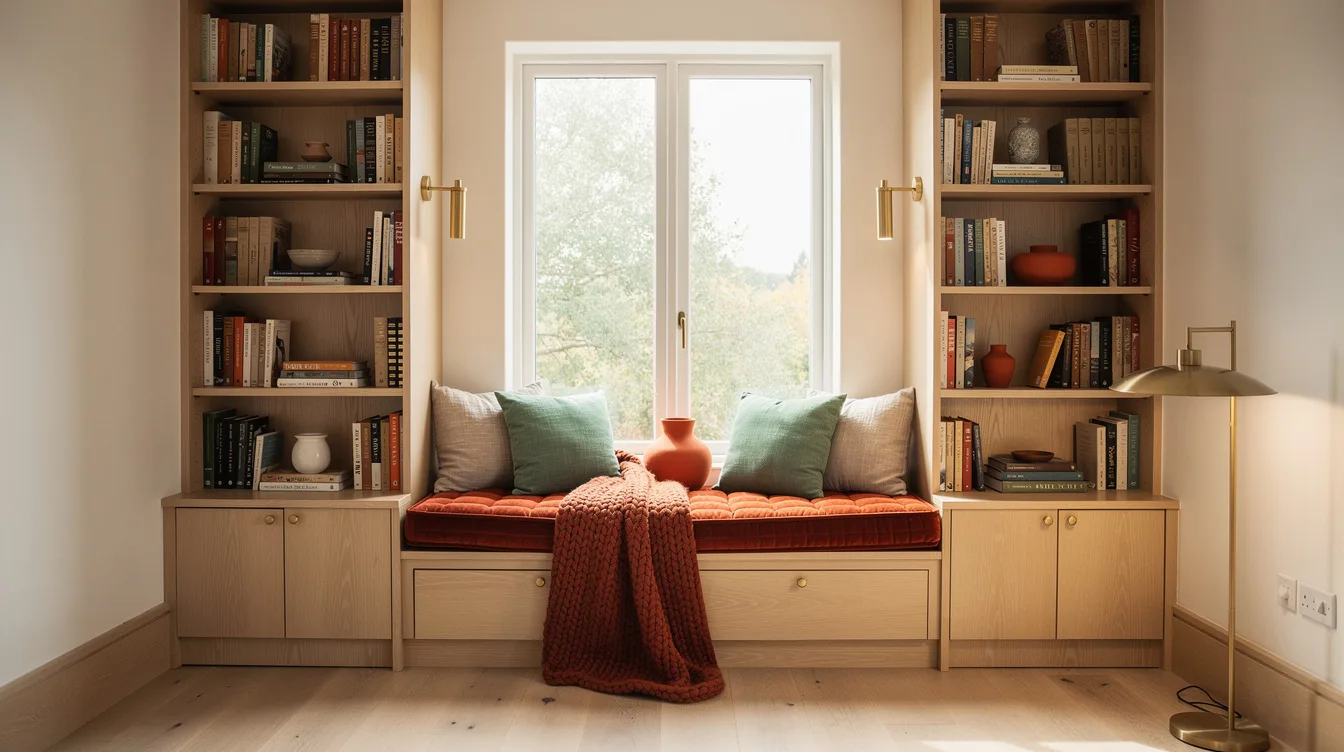
A 22-by-80-inch cushion can turn the dead space beneath a bedroom window into the room’s quietest reading seat. The challenge is keeping books, drawers, trim, and lighting from making that small corner feel heavy.
The strongest bedroom-adjacent libraries treat the window as the center of the plan, then build storage outward from it. Start with the architecture and the way you actually read, not with a shelf that happens to fit.
Frame the Window With Full-Height Storage
Place a built-in window seat between two tall bookcases so the reading spot feels intentional rather than squeezed into leftover wall space.
Keep the shelves shallow enough to préservé daylight, then repeat the room’s clear-finished oak or painted finish around the window for a cohesive architectural look.
White trim keeps a small bedroom library bright, while closed storage near the floor prevents the seat from feeling crowded by books.
Build the Seat Around Real Measurements
Start with the window, baseboard, and wall outlets before choosing furniture, then size the bench to the opening instead of forcing a standard piece into the alcove.
A practical DIY structure can use three-quarter-inch plywood, with a cushion about 22 inches deep and 80 inches long for a generous reading perch.
Use 2×4 framing where the bench needs strength, especially if it will hold daily readers, a child, or someone stretching out with coffee.
Choose Drawers Over Open Cubbies
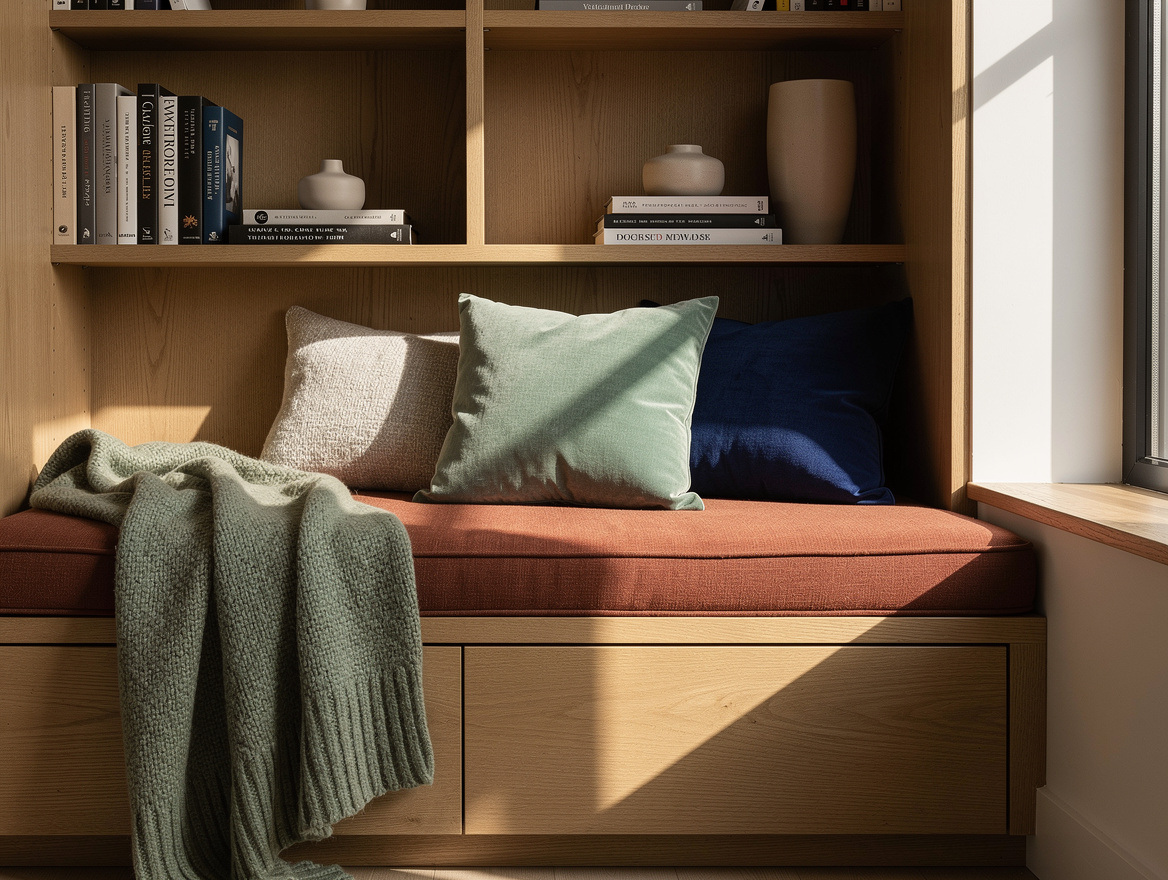
Storage under the seat should handle blankets, books in progress, and small bedroom clutter without making the reading area look busy.
Install 20-inch full-extension drawer slides so the back of each compartment remains reachable, a detail worth prioritizing over decorative hardware.
Four drawers across a long bench work especially well with painted drawer fronts, giving the library a calm surface while keeping practical items close.
Warm the Alcove With Layered Wood
For a more enveloping corner, continue light oak across the wall behind the seat and let the shelving share the same grain direction.
A narrow alcove can take a curved plywood bench when a rectangular seat feels too rigid, though the rounded construction usually costs more than a simple straight build.
Add a dark-green cushion or patterned textile against the wood, then keep the surrounding books loosely arranged so the space still feels made for reading.
Light the Reading Zone From Both Sides
Natural light should lead during the day, but a reader still needs focused illumination after sunset and a clear view of the page.
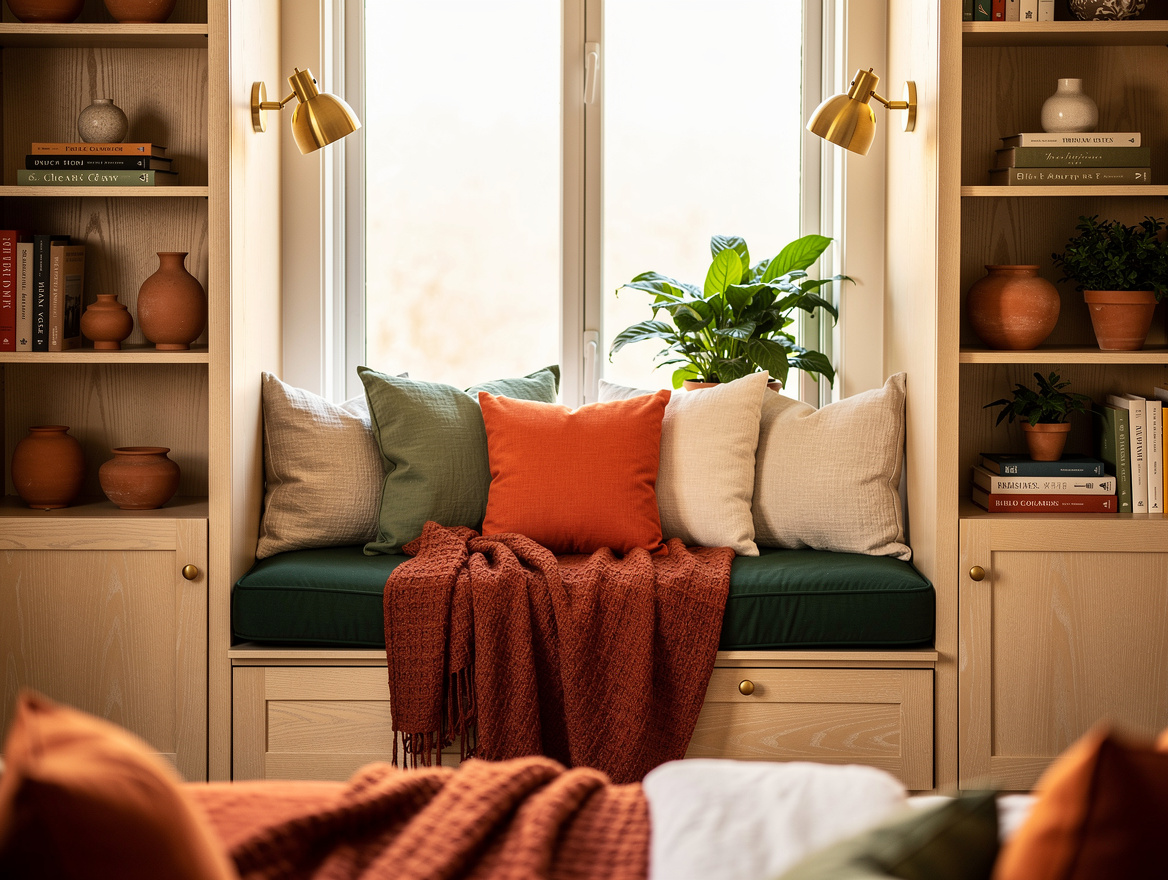
Mount brass sconces on both sides of the window or bench, leaving enough clearance for curtains and tall books without creating glare.
Picture lights can wash the shelves with a softer glow, while a warm-white bulb keeps the corner comfortable instead of making the bedroom feel clinical.
Set the Budget Before the Millwork
A long DIY bench with drawers can cost about $300 in materials, while two small cabinet-based benches may run roughly $500 before upholstery and finishing.
Five 18-inch-deep kitchen cabinets can create a sturdy base, with the cabinet portion costing around $750 in the cited example and the final price rising with fillers, trim, and installation.
Reserve about $600 for professional cushion labor, or roughly $30 for a no-sew version, and remember that a pair of brass sconces can cost under $80.
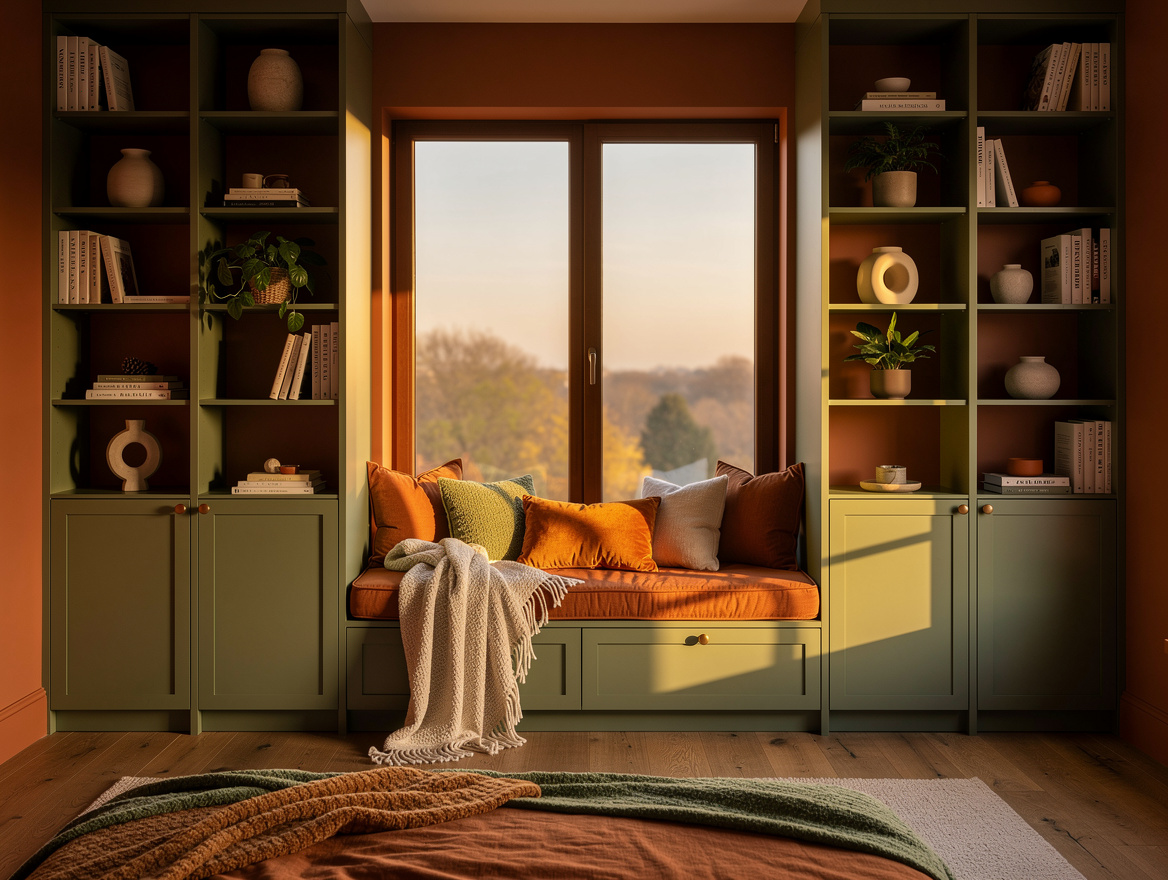
Measure the window first, reserve comfortable depth for the seat, and decide whether drawers or open shelves will carry the daily clutter. Once those choices are fixed, the finish, cushion, and lighting can make the library feel like it belonged to the bedroom from the beginning.
Mia Carter writes about small-space living and budget home makeovers. She has restyled three rentals and tests most ideas in her own 45 sqm flat.