
My last rental had a 30-inch kitchen window and a hand-me-down pantry cabinet I wedged beside it on day one. Within a week the window looked like an afterthought, a postage stamp glued next to a wall of doors.
I moved the cabinet eight feet left. Same window, same light, completely different room.
Designers avoid this pairing for reasons that go past looks, and most of them are measurable.
Stop Parking a Bookcase Right Against the Trim
The fastest way to shrink a window is to shove a 72-inch bookcase up against its casing. Your eye reads the wall as storage with a leftover hole in it.
Designers leave roughly 6 to 12 inches of bare wall between tall storage and the trim. That sliver of breathing room is what keeps the opening looking intentional.
If you can’t spare the inches, the piece belongs on another wall. No styling trick fixes a pinched window.
Measure Against the Sill, Not the Ceiling
Here’s the rule I wish someone had handed me three rentals ago: in the window zone, compare furniture height to sill height, not ceiling height.
If your sill sits around 32 inches up, a 30-inch console reads calm. A 78-inch shelving unit beside that same window reads like a mistake.
Walmart and Target both carry low consoles under about 30 inches for roughly $90 to $150. That’s the zone you want.
Protect the Angled Light You Can’t See Losing
People assume furniture only blocks light when it sits in front of the glass. Not true.
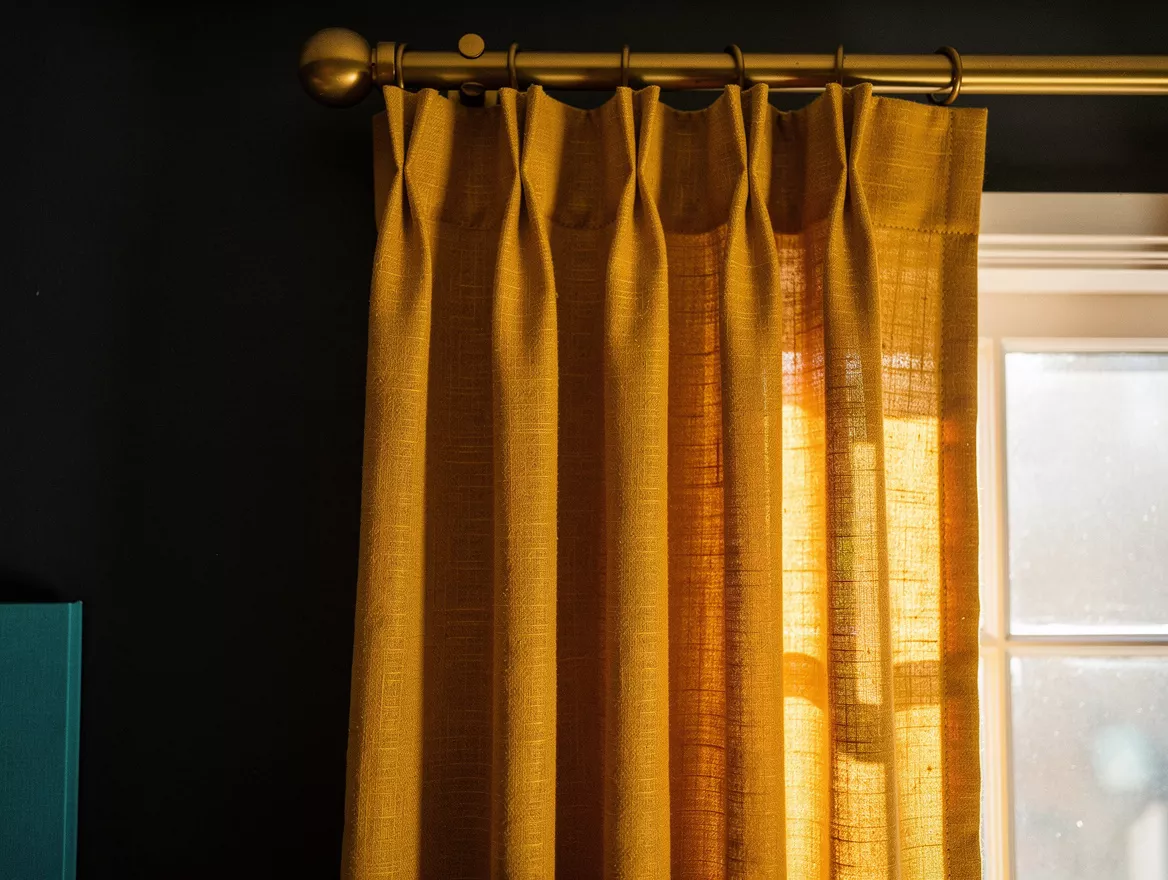
A tall opaque cabinet alongside the jamb intercepts daylight arriving at an angle, and it throws a soft shadow back into the room. You won’t notice it directly. You’ll just think the room feels dim.
Depth is the real culprit. Anything deeper than about 14 to 18 inches next to a small window is working against you.
Leave the Curtains Somewhere to Go
Drapery needs lateral stacking space when it opens, and a tall dresser eats exactly that. Keep about 4 to 6 inches clear from the curtain’s stack line.
I learned this with a $25 IKEA RÄCKA rod in my last apartment. The panels bunched against an armoire and never fully cleared the glass, so the window looked permanently half-dressed.
Casement windows need more. Give the sash 12 to 24 inches of swing room, plus access to latches and screens.
Balance the Vertical Instead of Fighting It
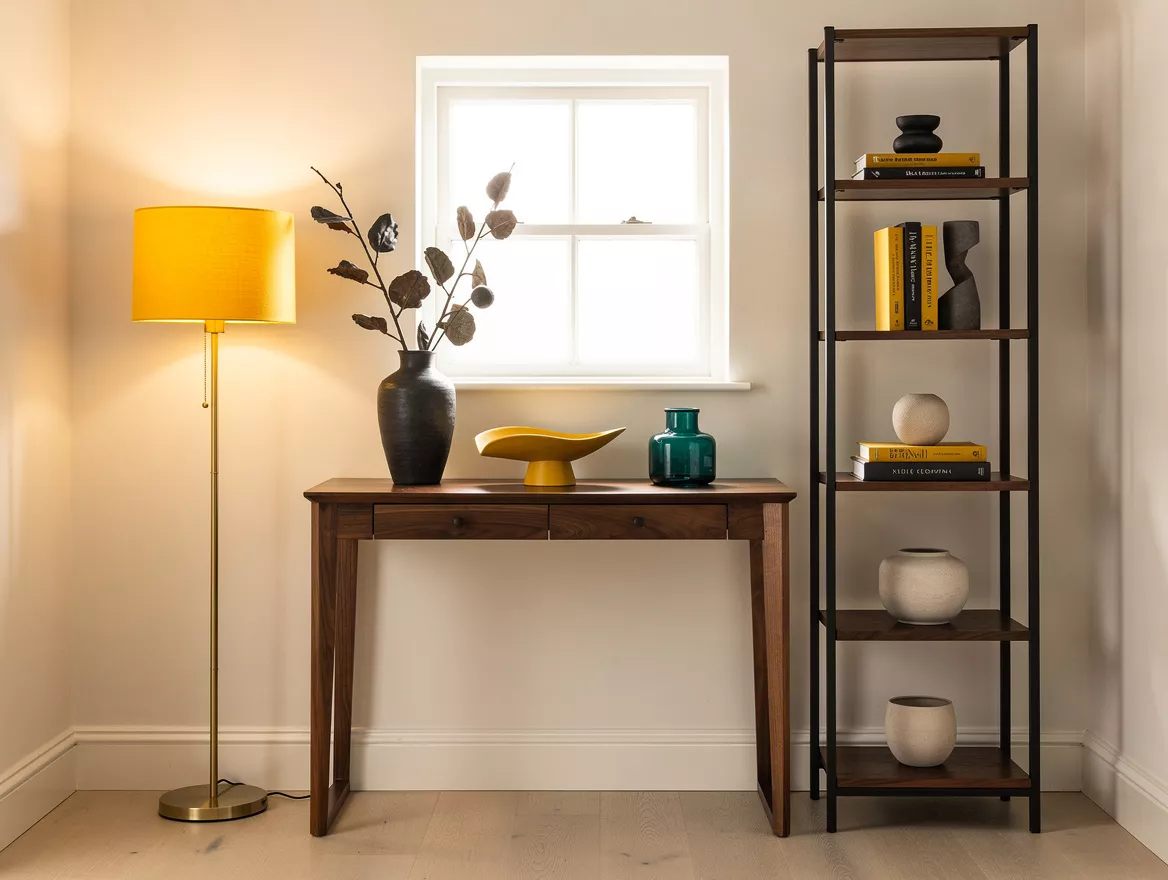
Sometimes the tall piece has nowhere else to go. Fine. Then commit to it and add a second vertical on the opposite side so the window sits between two anchors instead of cowering beside one.
A slim plant stand works. A floor lamp works. A Wayfair étagère in an open-back frame works even better because light passes through it.
Symmetry forgives a lot. Lopsided bulk forgives nothing.
Keep Walking Routes Clear of the Window Wall
Tall furniture near glazing tends to squeeze circulation right where people naturally drift, toward the view.
Aim for roughly 30 to 36 inches on primary routes, and about 24 inches on secondary ones. Tape it out on the floor before you order anything.
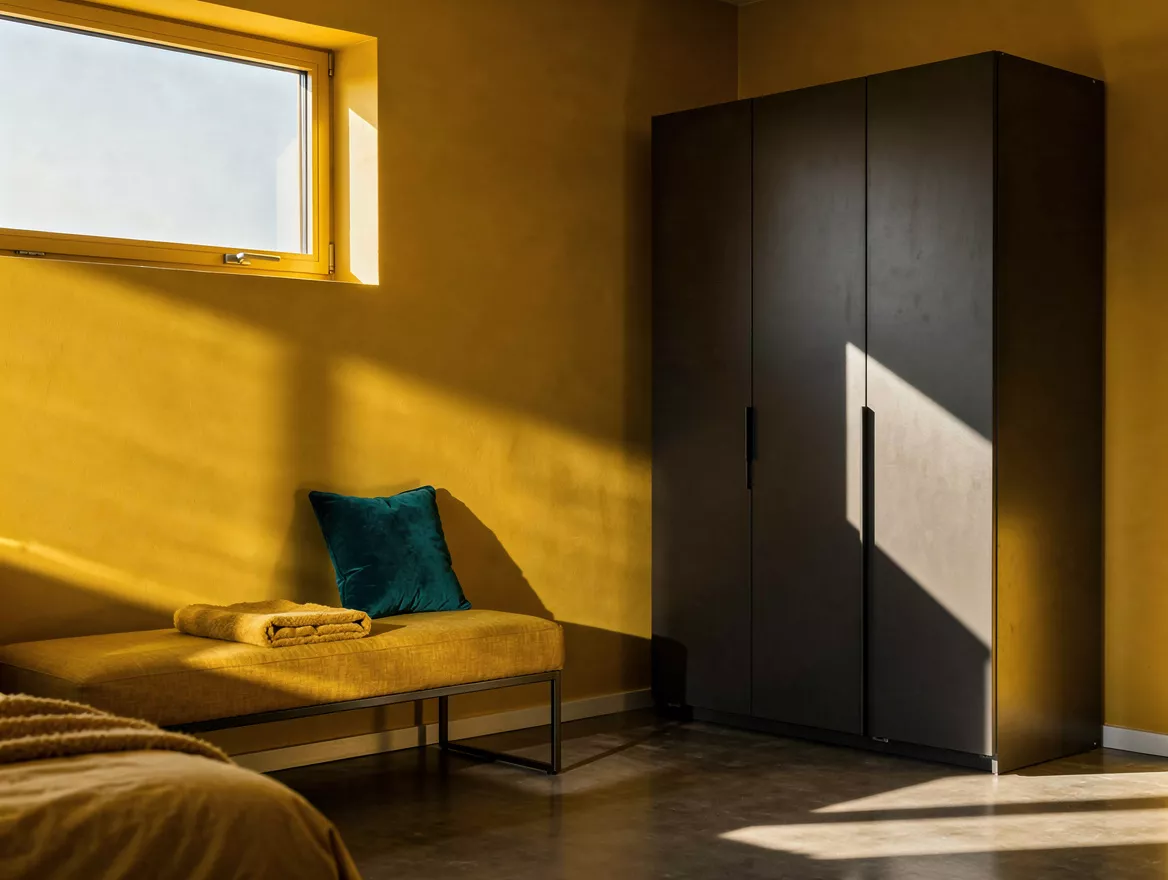
Also worth knowing: strong direct sun ages wood and fabric faster near glass. A walnut veneer cabinet parked in a south-facing beam will fade unevenly within a couple of seasons.
Start with the tape measure, not the shopping cart: note your sill height, then rule out anything taller for that wall. Expect to spend around $100 on a low console versus a few hundred on a tall unit you’ll end up relocating anyway.
Mia Carter writes about small-space living and budget home makeovers. She has restyled three rentals and tests most ideas in her own 45 sqm flat.