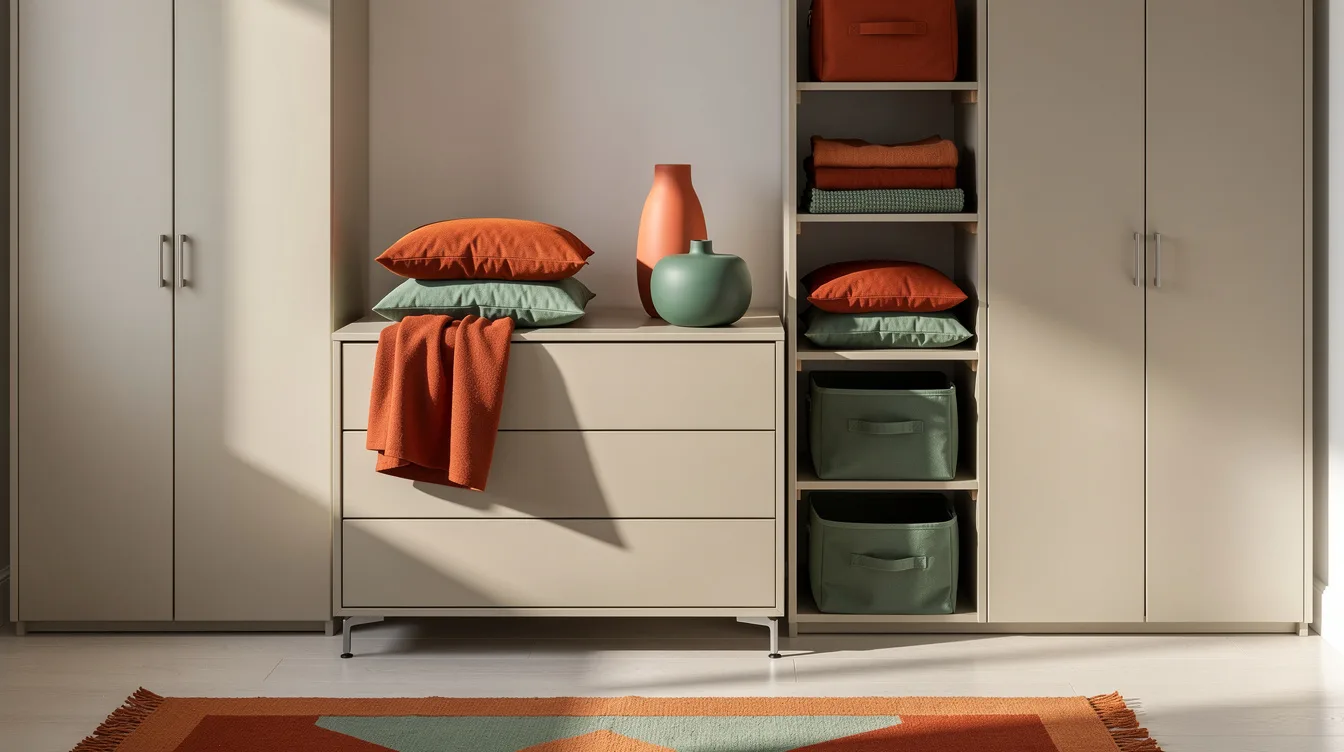
A narrow bedroom wall can feel useless until you measure what actually has to fit there. A cabinet around 12 to 16 inches deep can store a surprising amount of folded clothing, but it cannot replace the roughly 22 to 24 inches a conventional side-to-side hanging rail needs.
I learned that distinction in a small rental where a full-depth wardrobe would have clipped the bedroom door. The winning setup was shallow storage that treated clothing by category, not one oversized cabinet pretending to do everything.
Build a Closed EKET Grid
IKEA EKET earns its place on a truly tight wall because its shallow open cabinet is about 9 7/8 inches deep. At around $23 per cube, it handles rolled tees, socks, belts, and small bags far better than bulky stacks of denim.
Mount a row of roughly 27 1/2-inch-high door units above a low dresser, then keep daily basics below. The paper foil finish is practical, but closed doors are the real upgrade because mixed clothing stops becoming bedroom clutter.
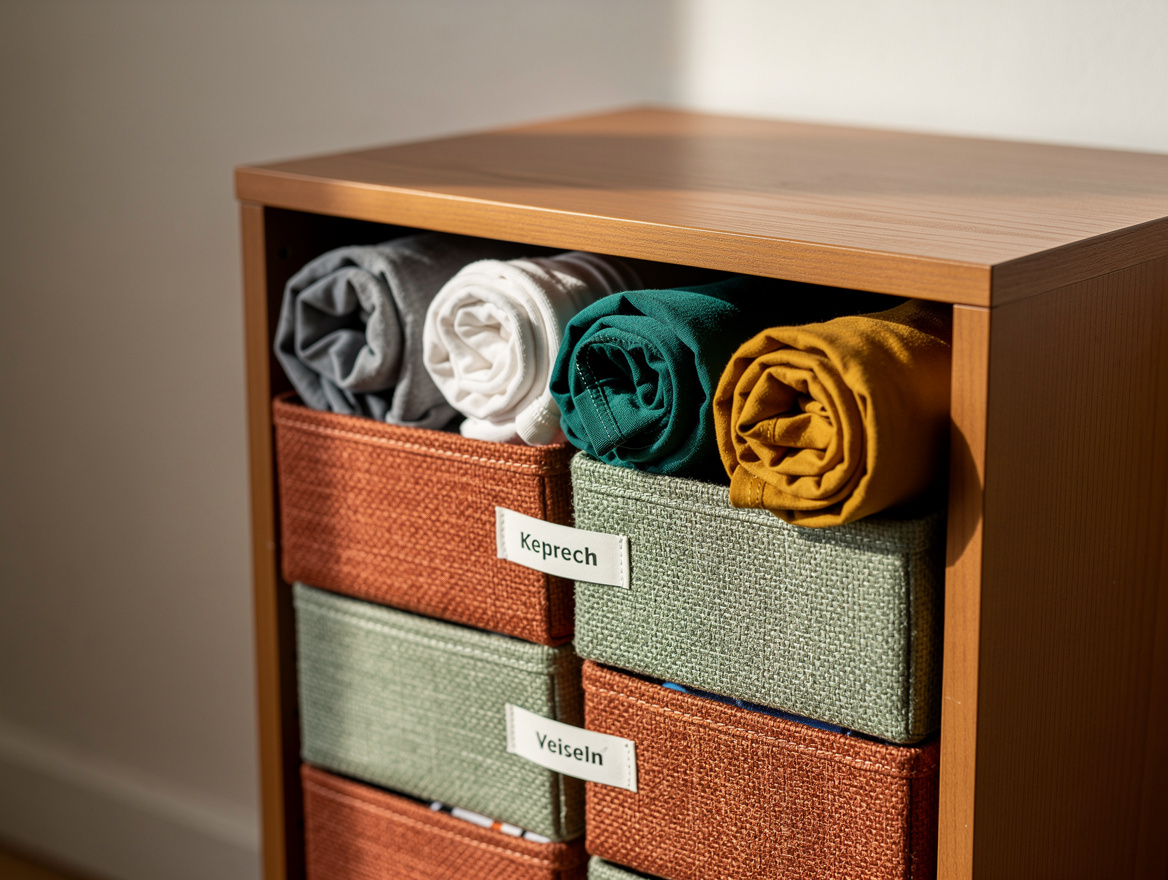
Use labeled fabric bins inside the smallest cubes and reserve open compartments for items you reach for daily. IKEA lists modest shelf capacities, roughly 11 to 15 pounds depending on the model, so this is clothing storage, not a substitute for a bookcase.
Fold Clothing Into a Tall Linen Cabinet
A tall, shallow cabinet gives a narrow wall the calm look of built-in storage without the construction bill. A typical engineered wood linen-cabinet format measures around 16 inches wide, 12 inches deep, and 71 inches high, leaving more walking room beside a bed.
Fold shirts vertically in bins rather than making broad piles that slump forward when the door opens. A Sauder Select Storage Cabinet or a similar Wayfair option works especially well for sweaters, workout gear, handbags, and spare bedding.
Choose adjustable shelves before decorative rattan fronts. The flexible shelf spacing matters more after a seasonal closet switch, when thick knits suddenly need twice the room of summer tanks.
Choose a Slim Dresser for Daily Laundry
For everyday clothes, a shallow dresser is more useful than a cabinet full of random baskets. Models around 12 to 16 inches deep typically cost roughly $150 to $600 at Target and Wayfair, depending on drawer construction and finish.
Look for wide drawers with simple pulls and a stable anti-tip kit. A veneered wood or painted engineered-wood chest has enough visual weight for a bedroom, while a flimsy narrow tower often looks temporary.
Give each drawer one job: underlayers, tees, pajamas, jeans. That small edit prevents the shallow depth from feeling like a compromise, and it keeps clean laundry from migrating to the nearest chair.
Turn Wall Cabinets Into Clothing Storage
Kitchen wall cabinets are a smart, slightly unexpected answer when a narrow wall has unused height. A 12-inch-deep Shaker wall cabinet can hold folded clothes, travel bags, and off-season storage while taking far less floor space than a standard armoire.
Typical cabinet pricing runs around $60 to $250 or more per box, before installation and trim. Painted plywood or MDF doors with soft-close hardware make the result feel intentional, especially when several cabinets align in one long run.
Place the lowest cabinet high enough that it clears a dresser, desk, or laundry hamper. I prefer matching doors over exposed shelving here, because bedroom storage should hide imperfect folds without asking you to reorganize every morning.
Hang a Small Capsule Front to Back
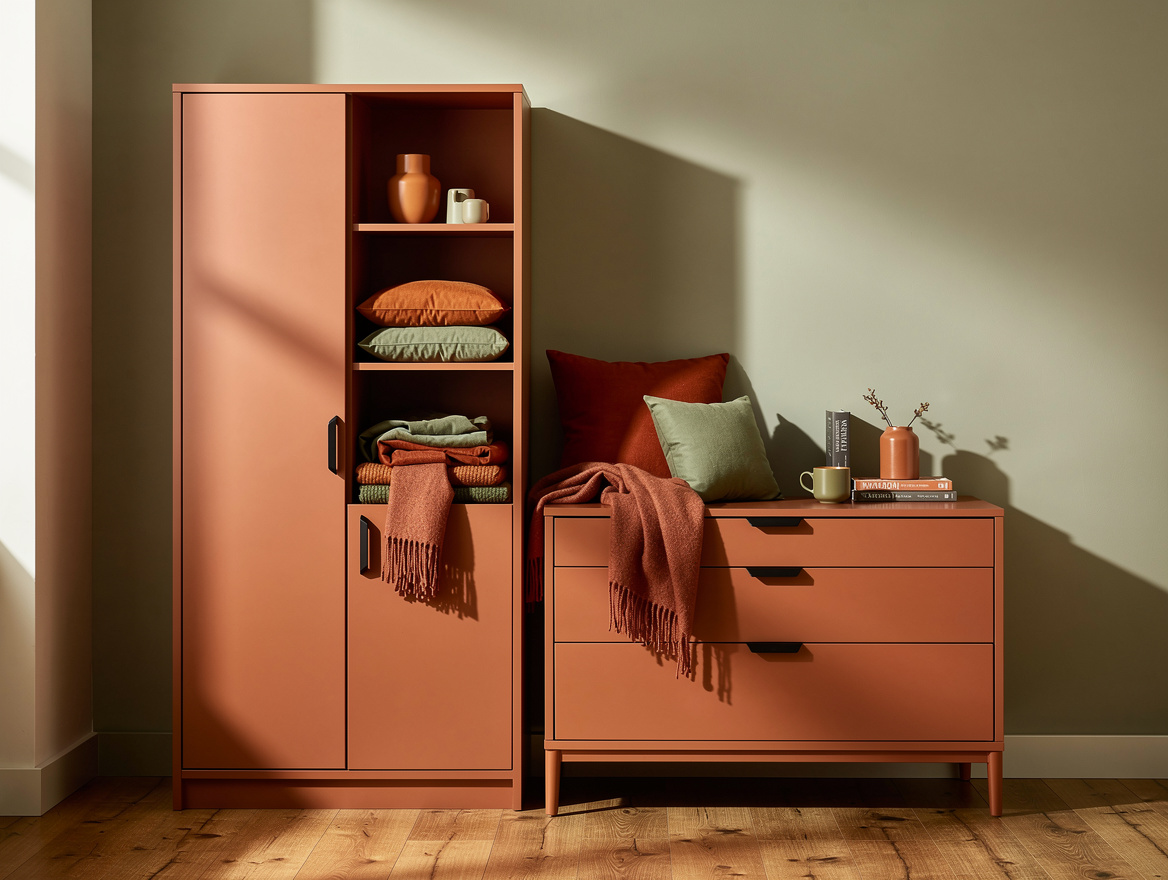
A slim wardrobe can hold hanging clothing, but only when the rail runs front to back. Units around 15 1/2 to 18 inches deep, often priced roughly $100 to $400 at Amazon or Wayfair, suit a compact capsule of shirts, jackets, and dresses.
A standard side-to-side clothes rail needs roughly 22 to 24 inches once hangers and doors enter the picture. Don’t buy a 12-inch cabinet expecting a full traditional wardrobe, because sleeves and hanger hooks will fight the doors every day.
Pick a cabinet with a steel hanging rail and enough clearance for your longest garment. Keep dress shirts, a jacket, and a few occasion pieces here, then let drawers handle everything that folds.
Soften Open Shelves With Boxes
Open shelving is the lowest-cost route when the wall is awkward, rented, or likely to change. A setup about 10 to 18 inches deep, using metal shelving or IKEA cubes, commonly lands around $60 to $300 before storage boxes and a curtain.
Use matching lidded boxes for underwear, accessories, and off-season pieces, then add one simple curtain on a tension rod if the wall needs visual quiet. A cotton canvas panel looks warmer than plastic bins and is easy to remove on laundry day.
Keep the lowest shelf open for shoes or a hamper. One woven basket, a small lamp, and clothes storage that stays off the floor make this arrangement feel like furniture instead of a temporary closet.
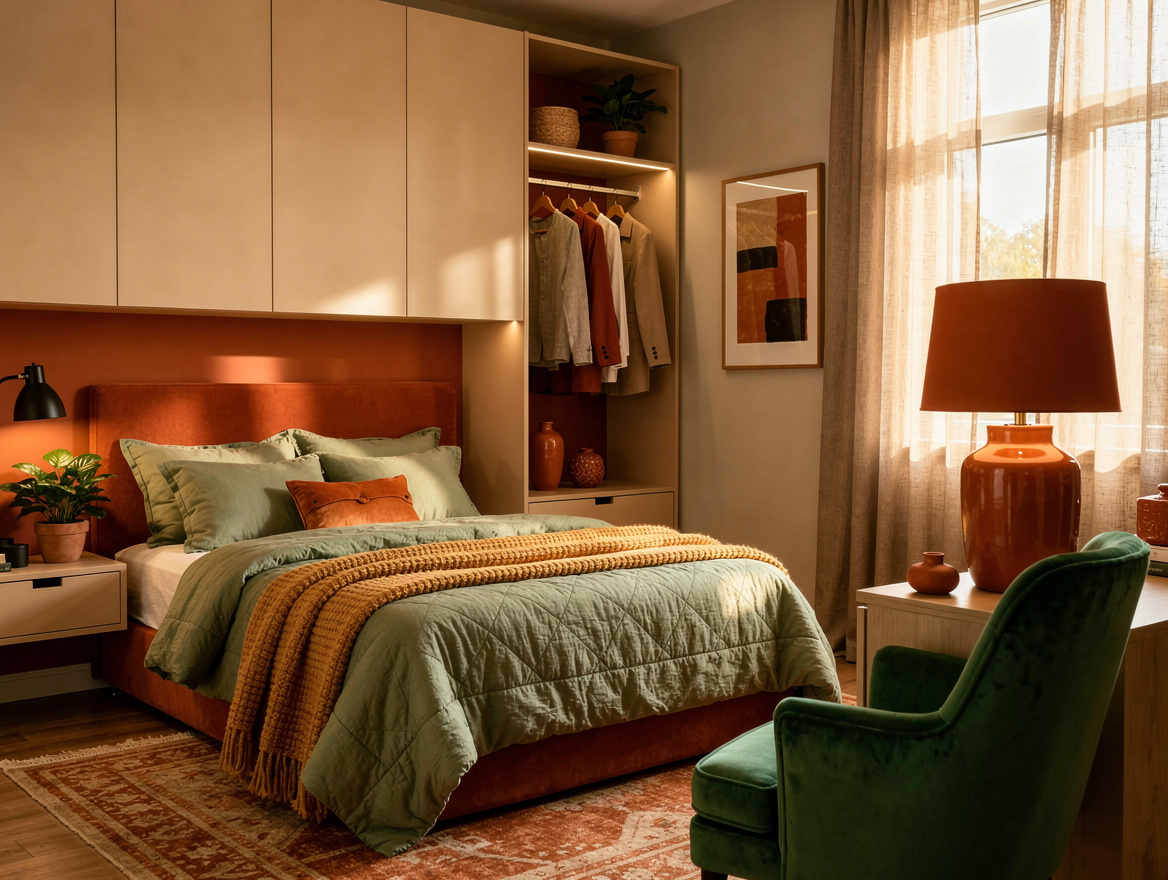
Start by measuring the clear walkway, then choose the shallowest format that fits your real clothing habits. Put folded essentials behind doors first, and save hanging space for the small group of garments that truly needs it.
Mia Carter writes about small-space living and budget home makeovers. She has restyled three rentals and tests most ideas in her own 45 sqm flat.