
Hidden toy storage cabinet ideas work best when you give every toy category a door, drawer, or bin behind furniture you’d use anyway. I once bought open shelving because it looked charming, then spent every evening staring at plastic dinosaurs. The cabinet mattered more than the labels. Your room can still feel warm and lived-in!
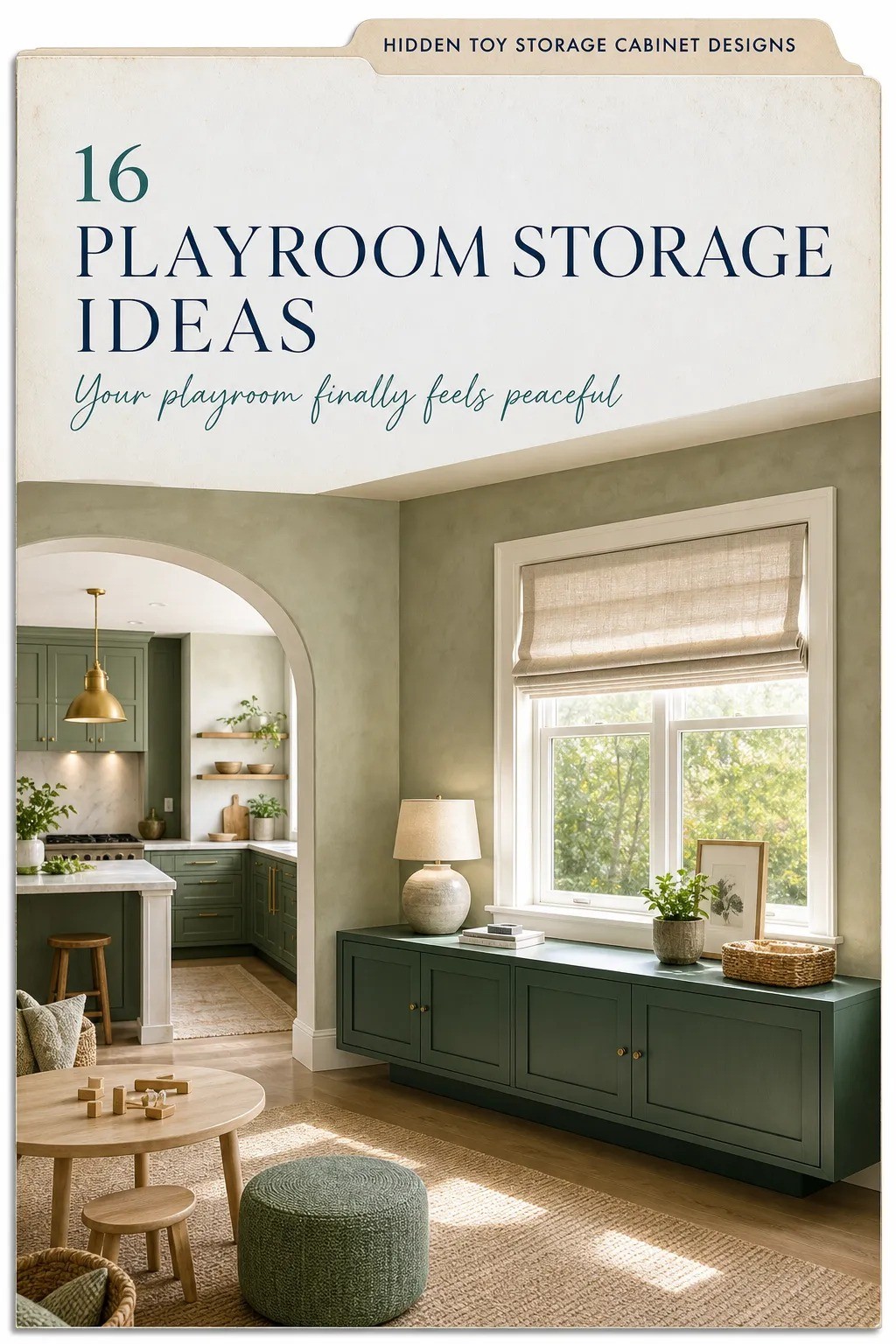
- Float a low credenza beneath the playroom window
- Build the Two-Wood Rule around a tall cabinet
- Swap bookcase clutter for a cabinet with cane doors
- Can a hidden toy cabinet work beside the sofa?
- Anchor a reading corner with a cabinet bench
- Use the Door-Within-a-Door Method for tiny pieces
- Paint one cabinet wall, then let the doors disappear
- Price the cabinet before you start changing everything
- Choose drawers over baskets for the After-School Drop
- Frame a hidden storage door with art ledges
- Make a cabinet island from two low units
- Hang a wall cabinet above the art table
- Let a vintage hutch hold the big, awkward toys
- Why hide toys behind a cabinet instead of a curtain?
- Create the Three-Zone Cabinet Plan
- Choose warm wood over glossy white for a shared room
1Float a low credenza beneath the playroom window
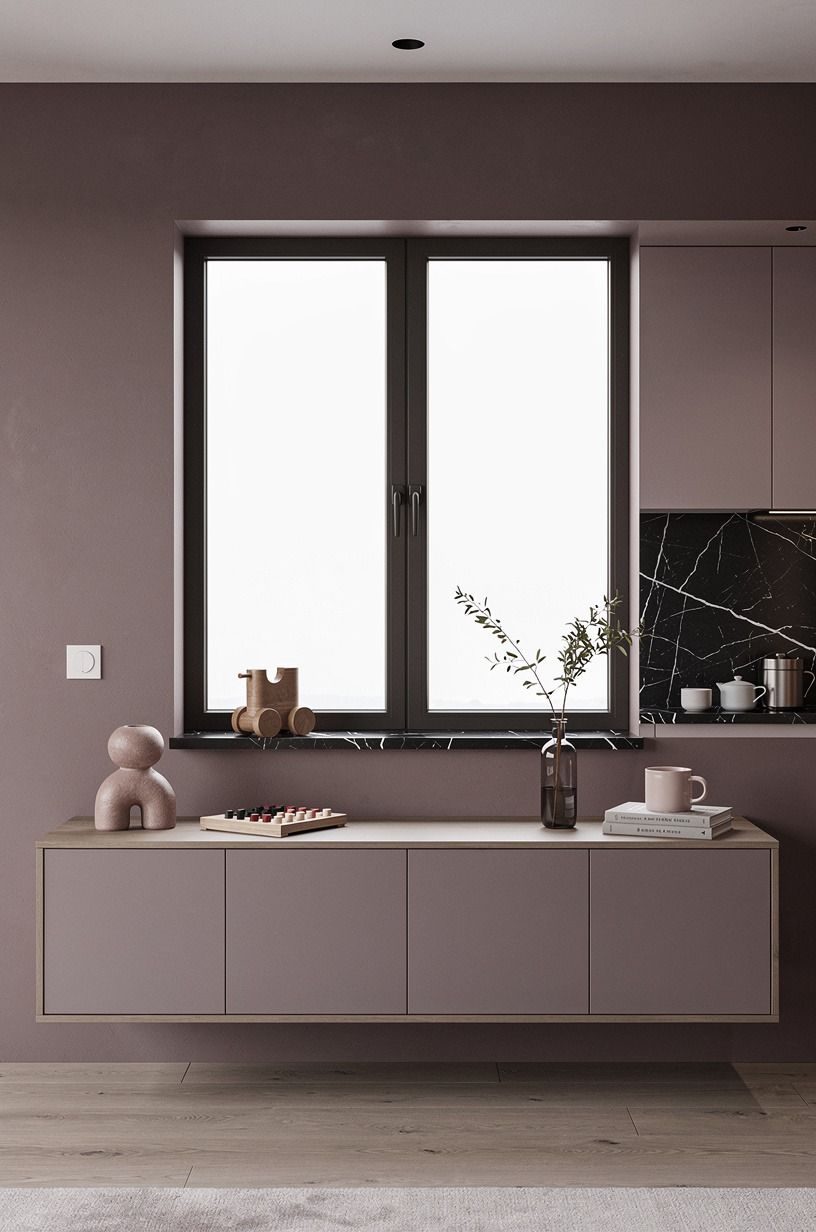
A low IKEA TONSTAD sideboard turns the dead wall under your window into a proper toy landing zone. You can keep puzzles, magnetic tiles, and the loud plastic stuff behind doors while your child still reaches the top for a drawing. I’d choose doors over open cubes here, because you don’t need every tiny figure watching you from across the room.
Use a 36 to 48 in child-height zone for the items your kid uses daily, then reserve the upper surface for a Nero Marquina marble lamp base and one washable tray. You’ll get a calming view from the sofa, and your child won’t need to empty six baskets to find one truck. For more closed-door layouts, see these hidden playroom storage ideas.
2Build the Two-Wood Rule around a tall cabinet
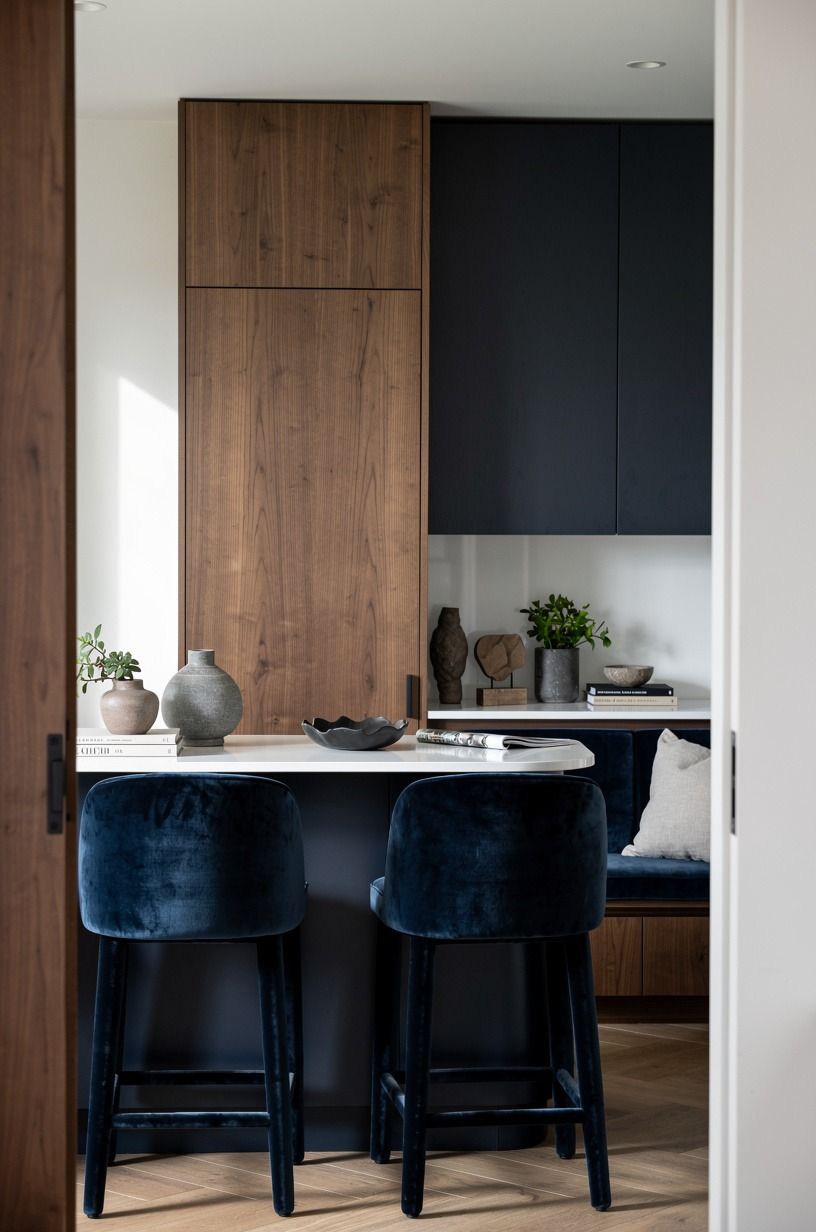
The Two-Wood Rule is simple: pick one pale wood and one darker accent, then stop.
3Swap bookcase clutter for a cabinet with cane doors
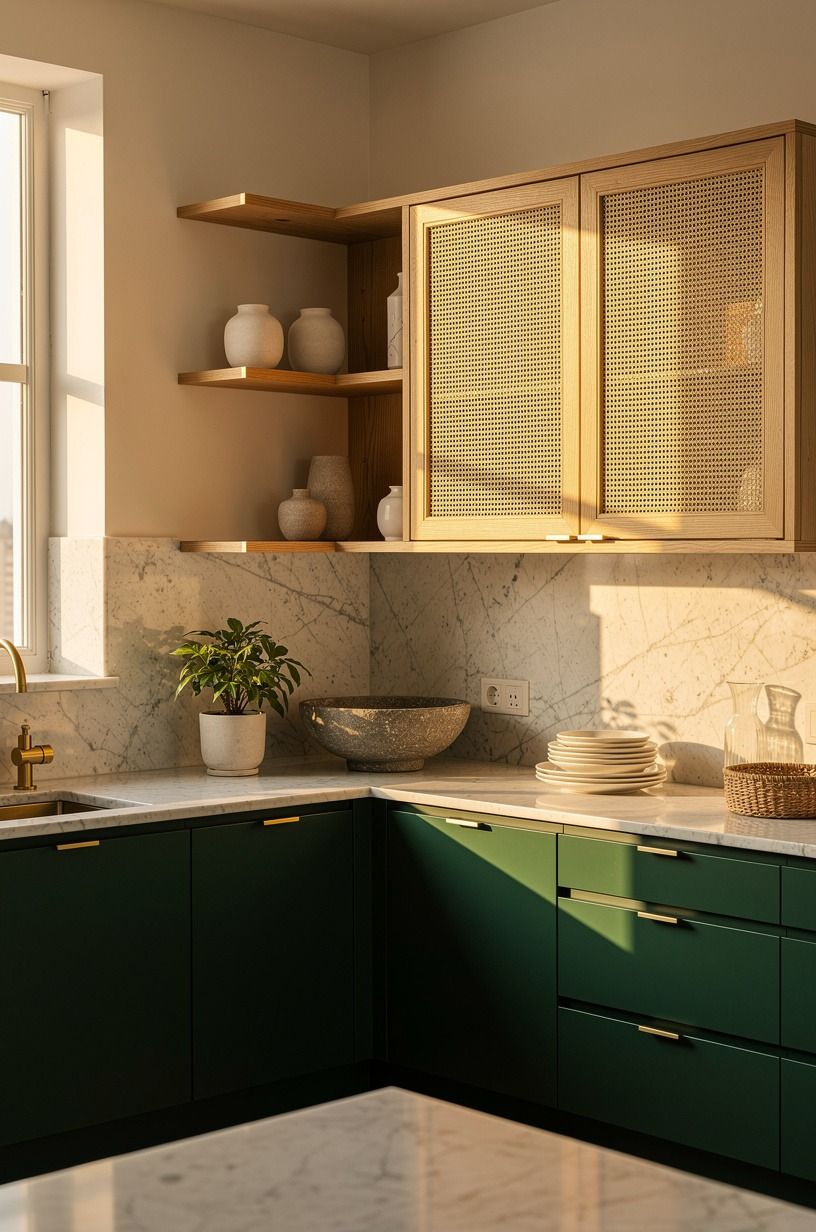
Skip the fully open bookcase if your toys are mostly odd shapes. A cane webbing cabinet door lets air move around soft toys and board games, but it hides the rainbow of packaging that makes a room feel frantic. You’ll still see a little texture, just not every puzzle box.
Put books in one visible strip at the top, then keep costumes and stuffed animals behind the lower doors. A deep emerald wall makes cream cane and gold accents feel rich rather than sugary.
And yes, you can paint the room before installing the cabinet. I’d do that first, because cutting in around furniture is miserable.
4Can a hidden toy cabinet work beside the sofa?
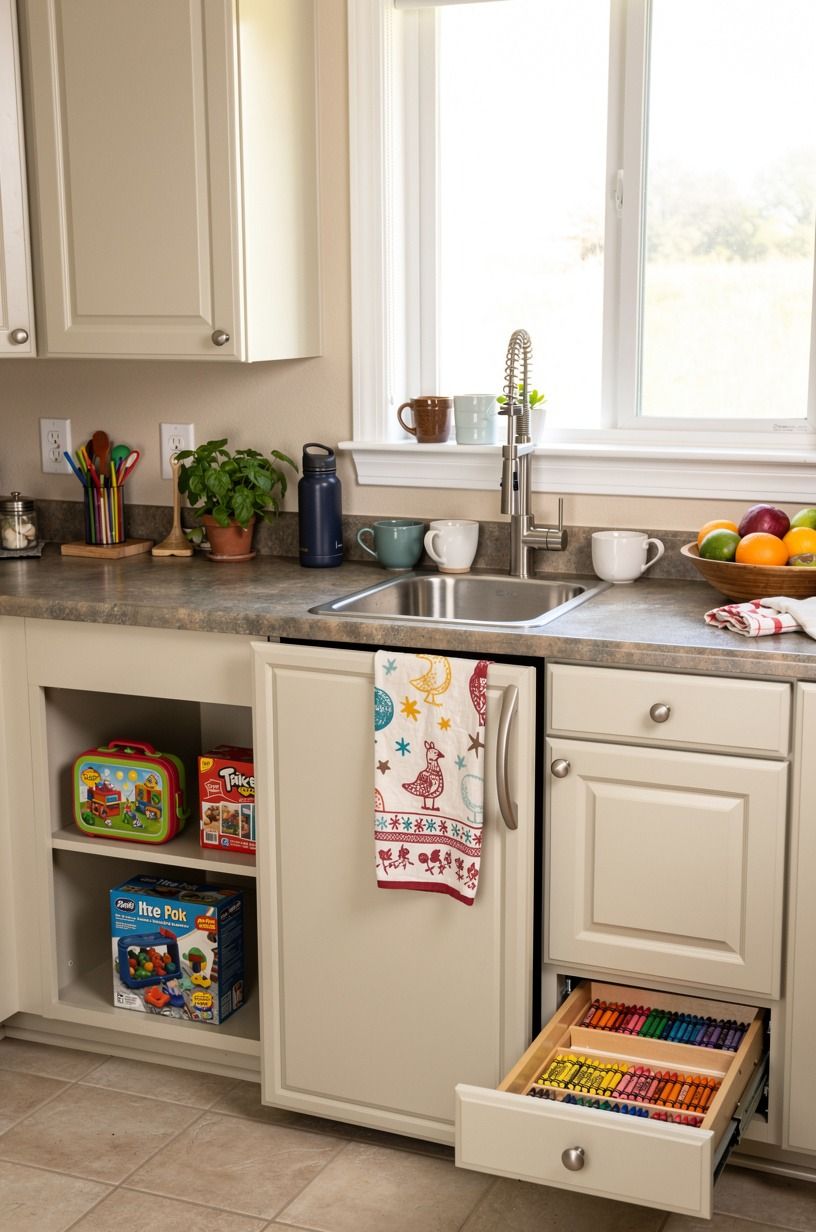
Yes, and it’s often the smartest place for one. A slim West Elm Mid-Century media console can hold building sets, crayons, and a play rug while still looking right beside adult seating. Your living room doesn’t need to announce that a toddler lives there, even if there’s a doll shoe under the coffee table.
Choose a cabinet deep enough for a rolled 5×7 ft play rug, then place the pieces your child uses most in the two easiest doors. A forest green wall looks especially fresh with natural oak and rust-toned details.
But don’t buy a glass-front console. You’ll spend your life arranging what should be hidden.
5Anchor a reading corner with a cabinet bench
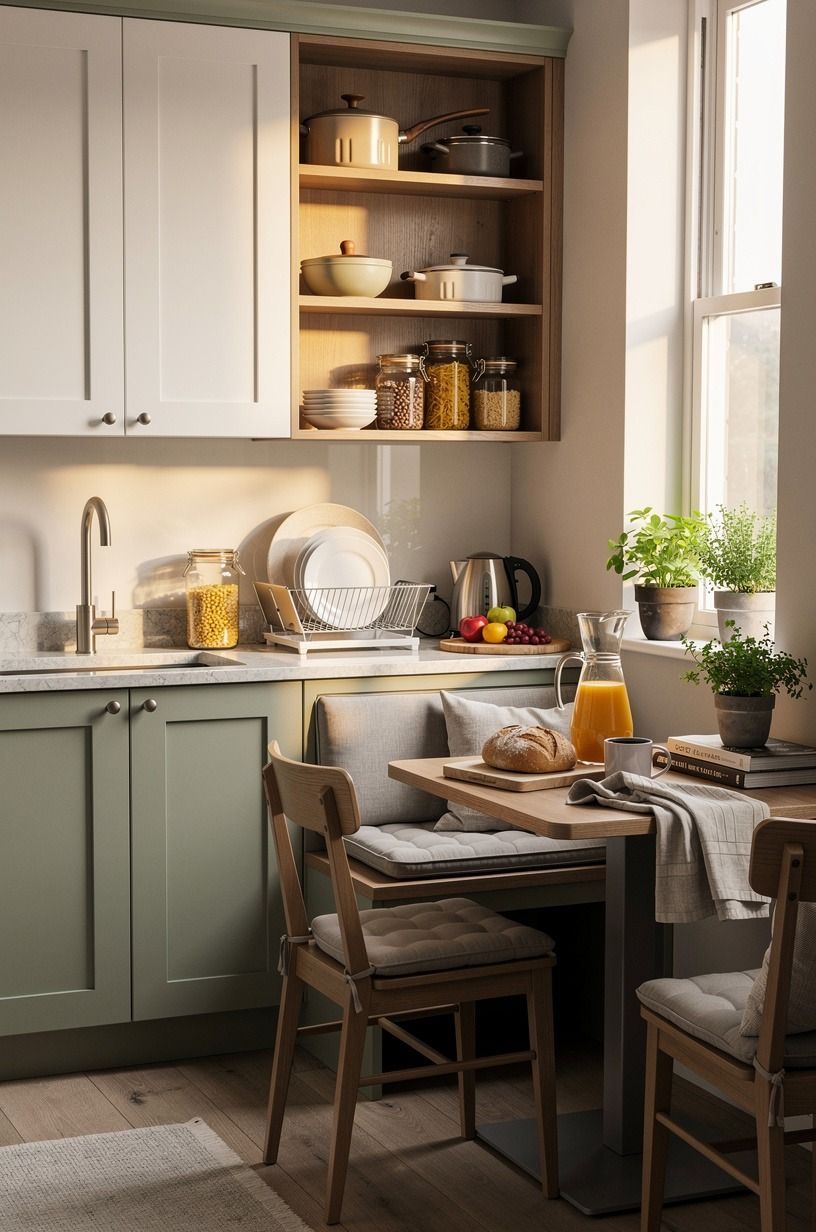
A cabinet bench does two jobs without asking your room for more floor space. Use a Pottery Barn Cameron storage bench or a similar lidded bench under a window, then add a 600gsm Turkish cotton cushion that can survive sticky fingers. You can sit with your child, and they can toss toys away without a ceremony.
The best version has separate compartments, not one giant hollow box. I learned that after fishing for a single wooden train under an entire costume collection.
A soft wool runner. Two picture ledges.
One bench with doors. Your reading nook will feel inviting, and your cleanup routine won’t become a scavenger hunt.
6Use the Door-Within-a-Door Method for tiny pieces
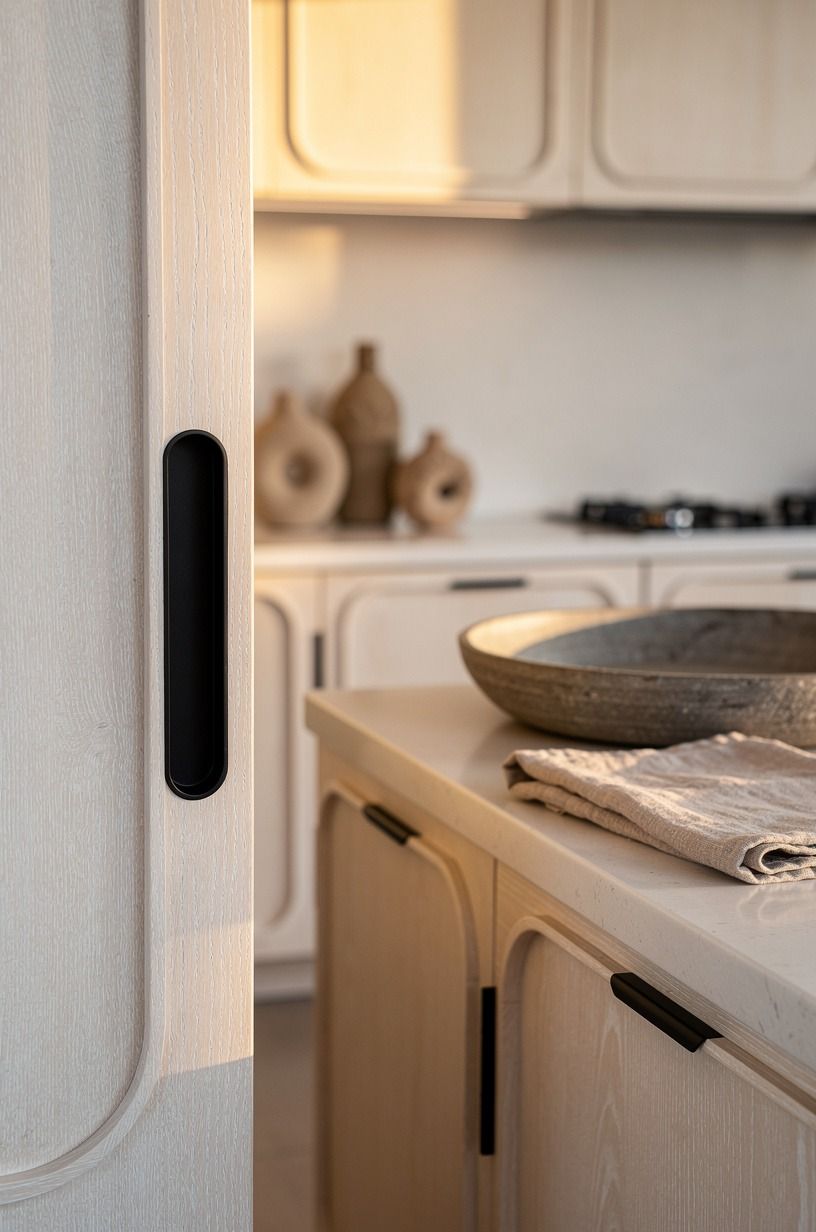
The Door-Within-a-Door Method means putting shallow labeled bins inside a deeper cabinet, so you’re not asking one dark box to solve every category.
7Paint one cabinet wall, then let the doors disappear
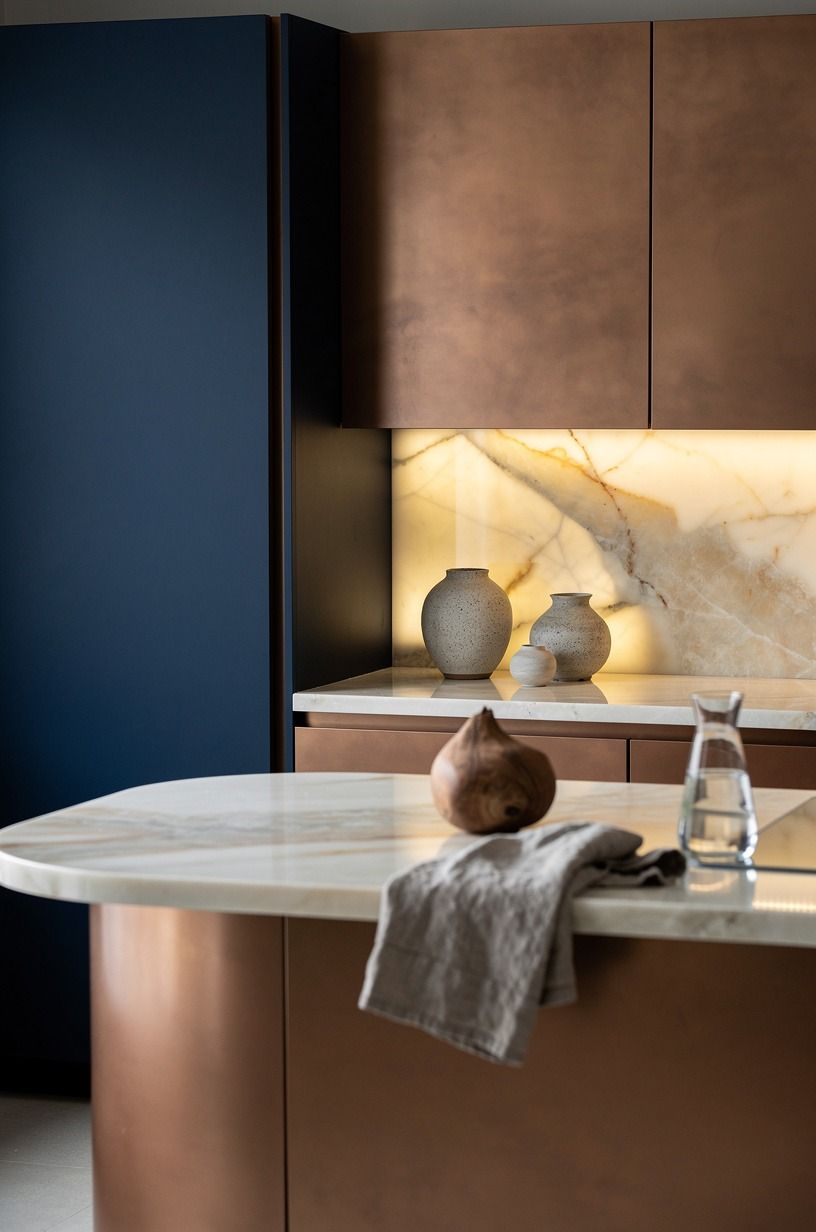
Paint the wall and cabinet in the same shade when you want storage to retreat visually. Benjamin Moore Hale Navy HC-154 gives a cabinet a deep blue finish that works with ivory details and warm copper. You’ll notice the room first, not the storage.
This is where a built-in look makes sense without full carpentry. Leave a small gap around a freestanding cabinet, paint behind it, and use a matte finish on both surfaces. The difference is subtle but real.
For more ways to hide function in plain sight, browse these hidden cabinet storage door ideas.
8Price the cabinet before you start changing everything
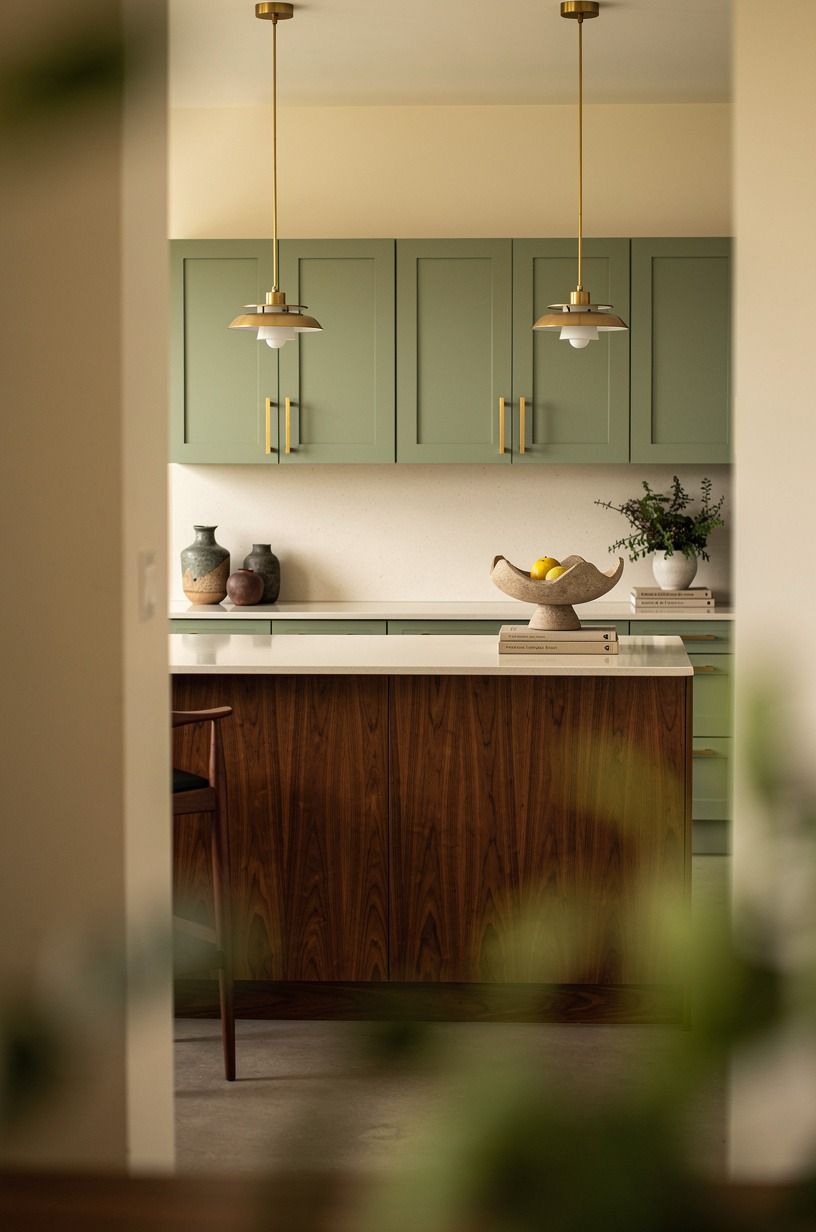
You don’t need a full renovation to get a useful playroom cabinet. Start with the storage problem you have, then decide whether your room needs paint, furniture, or a more permanent wall of doors. Your budget will go farther if you don’t buy decorative bins before measuring the cabinet.
A MALM dresser can be the budget answer if you anchor it safely and use the drawers for toys instead of clothes. Built-ins are lovely, but I wouldn’t pay for them until you know how your family plays in the room. You can change bins.
You can’t casually change cabinetry.
9Choose drawers over baskets for the After-School Drop
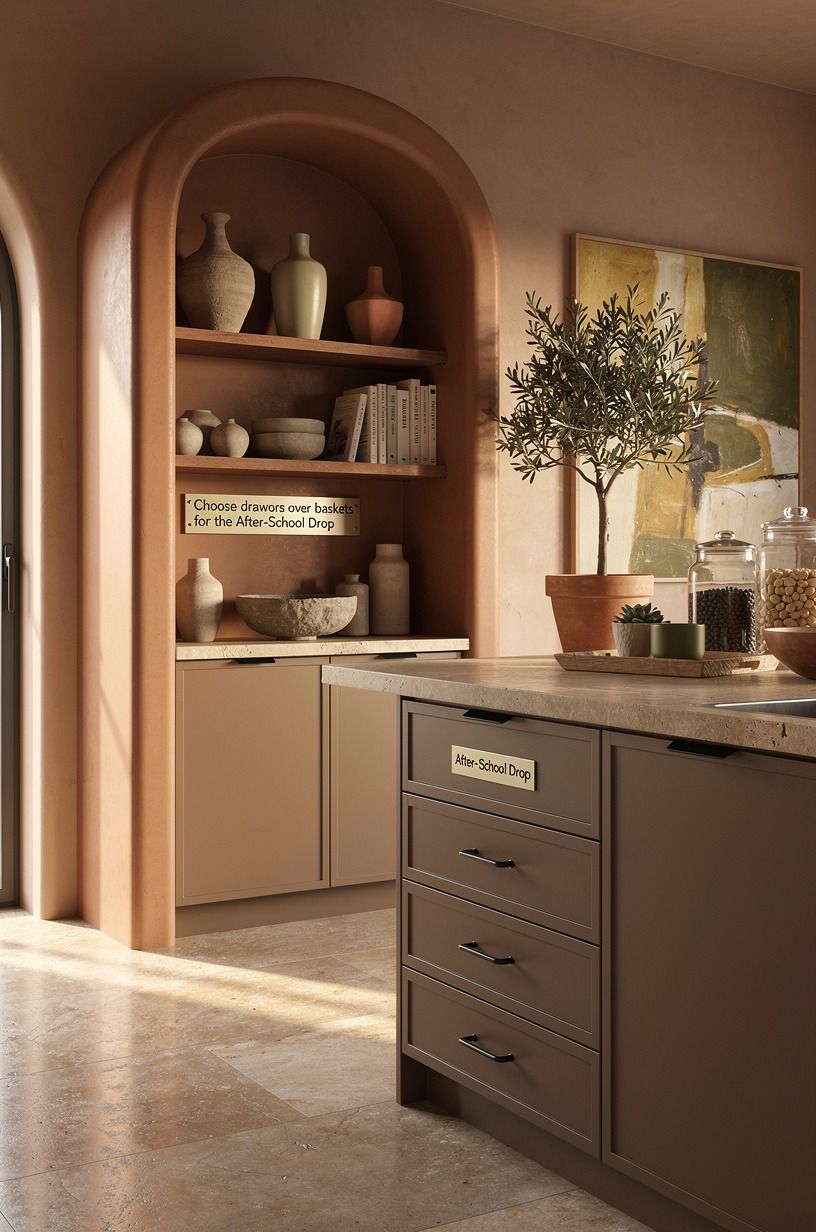
The After-School Drop is the cabinet zone closest to where backpacks, shoes, and toys first hit the floor.
10Frame a hidden storage door with art ledges
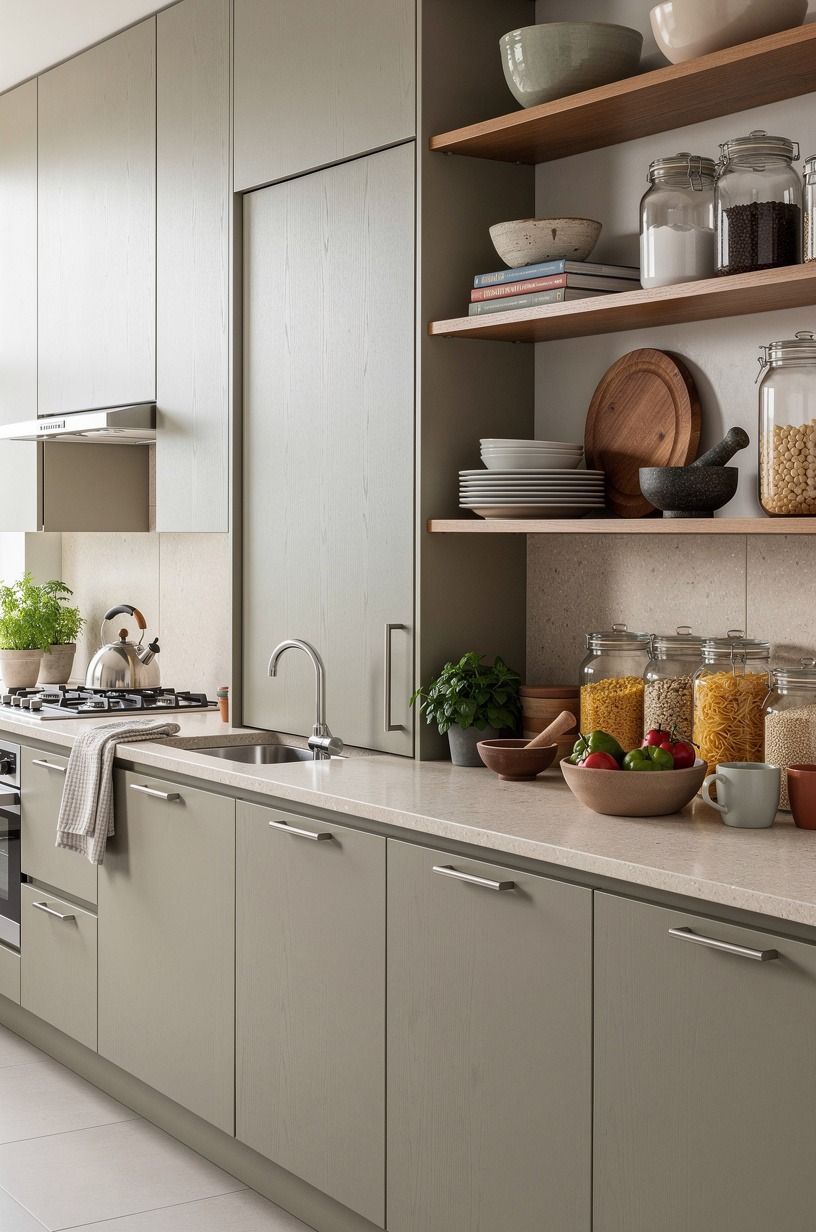
A full-height cabinet can look like part of the architecture when you frame it with art ledges. Put the cabinet doors in the center, then run slim shelves on each side for picture books and framed drawings. Your child gets a gallery wall, and you get a way to keep the bulkier toys out of sight.
Use IKEA MOSSLANDA picture ledges in a matching finish, but keep them sparse. Too many books turn the whole arrangement into another storage problem. A clay Belgian flax linen floor cushion works beautifully with aged brass, though I’d keep it away from the cabinet doors so little hands can open them without dragging furniture.
11Make a cabinet island from two low units
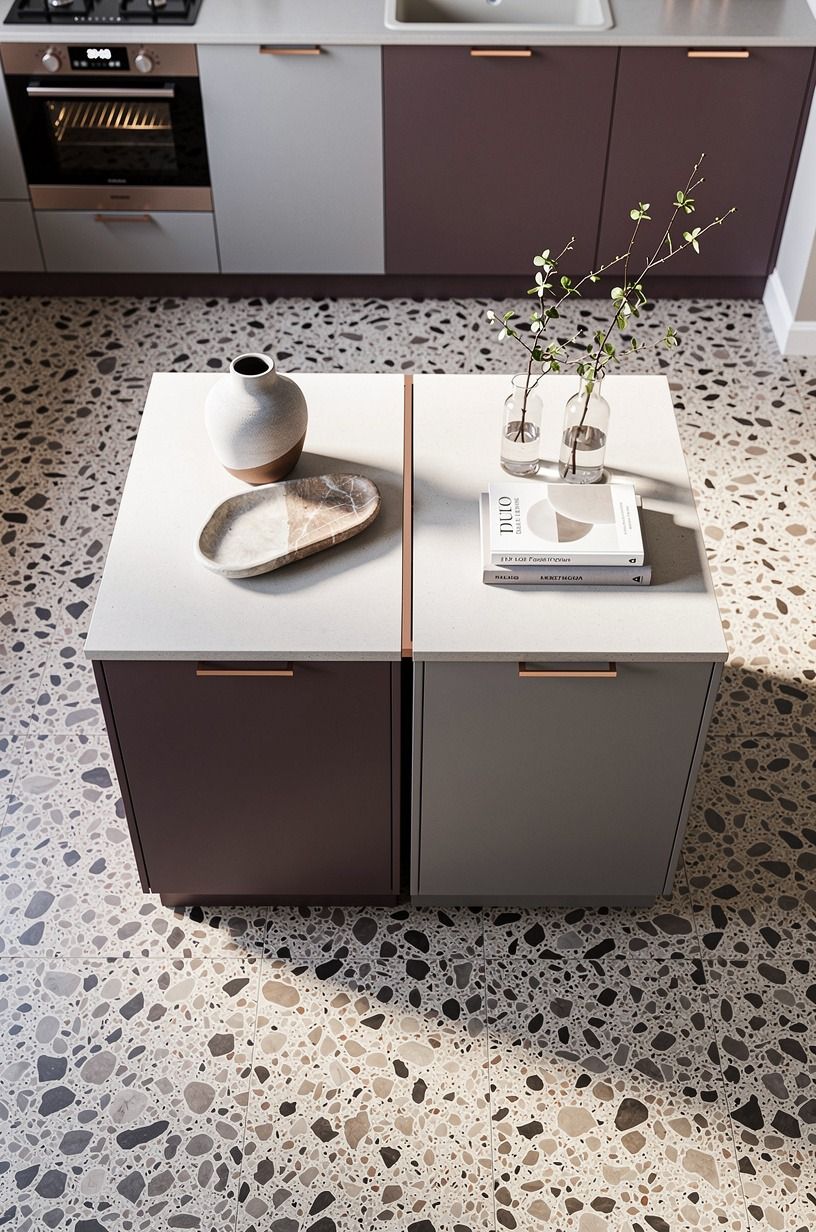
Two low cabinets back-to-back can create a playroom island that stores toys from both sides.
12Hang a wall cabinet above the art table
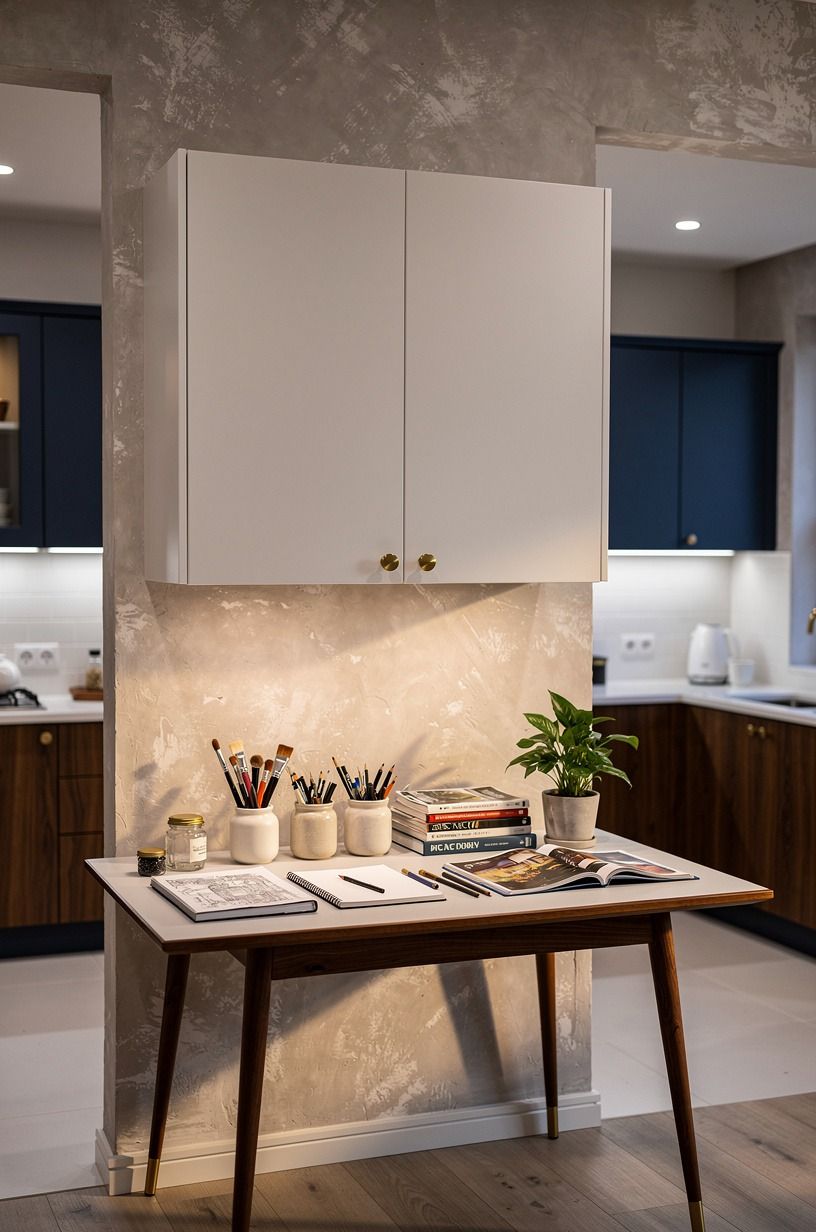
Wall cabinets are for supplies you want available but not constantly handled. Mount one above your art table for paint, glue, scissors, and the glitter you regret buying. You’ll keep the tabletop clear enough to use, which is more important than having every color visible.
Use IKEA SEKTION wall cabinets with plain fronts, then add a rail below for paper rolls and aprons. A cabinet door dampens that visual noise better than clear jars ever will.
But keep the lower edge comfortably above a child’s reach, and leave the daily crayons in one shallow drawer. Your child needs freedom, not a locked museum.
13Let a vintage hutch hold the big, awkward toys
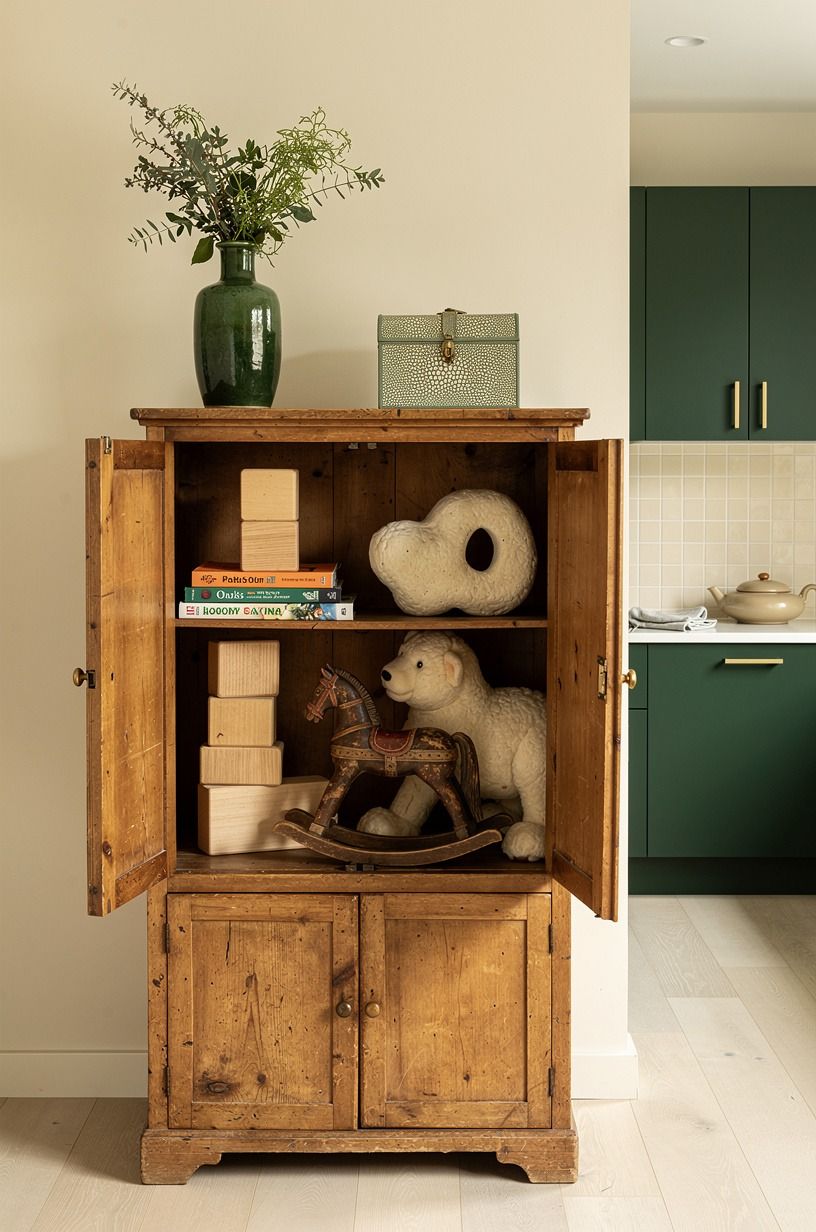
A thrifted hutch is excellent for oversized toys because its lower cabinets are usually deeper than a sleek console. A vintage hutch with shagreen accents can hold dollhouses, train tracks, and soft foam blocks without looking like plastic storage. You’ll get a little character, and the room won’t feel overly planned.
Paint the outside in a soft cream, then bring in emerald and gold details for contrast. I’d skip distressing the paint on purpose.
Real wear arrives soon enough in a playroom. If you like furniture with a past, read about this $85 thrifted hutch storage solution.
14Why hide toys behind a cabinet instead of a curtain?
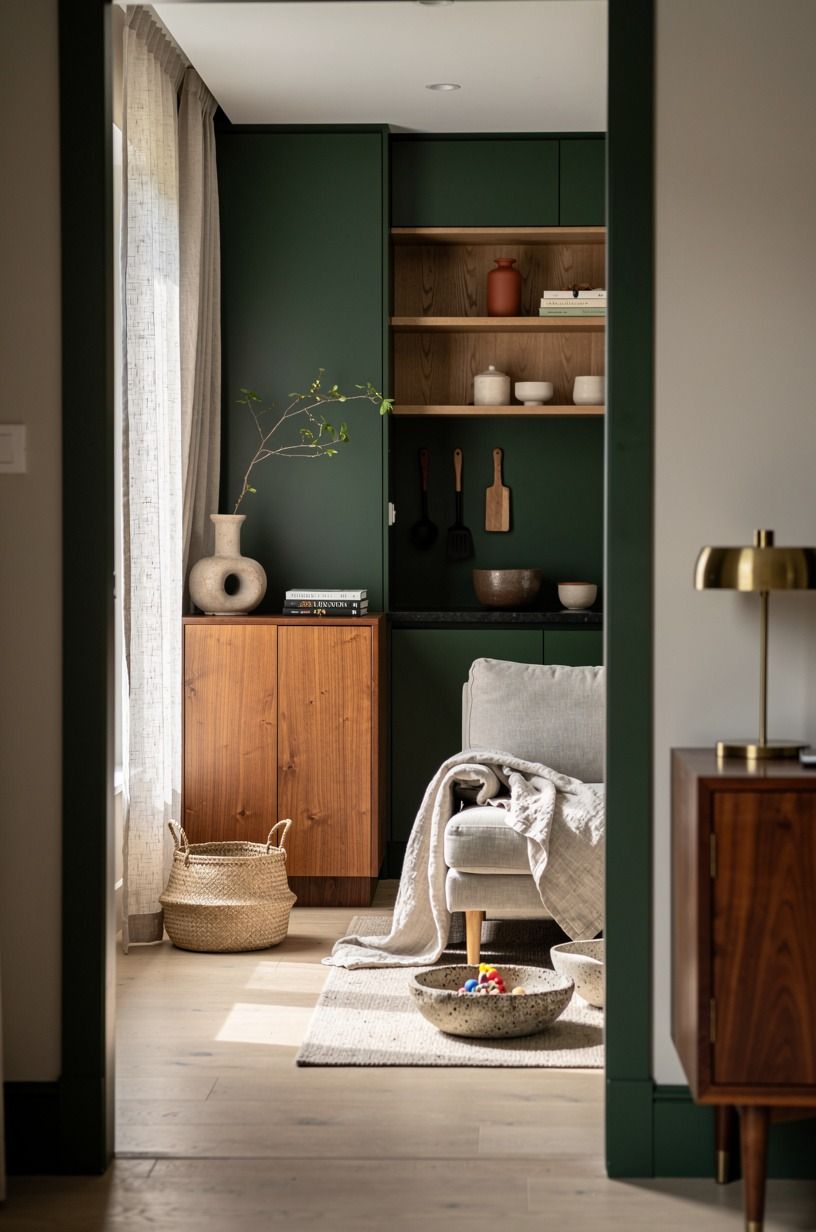
Because a cabinet gives you a hard stop. A curtain can soften a wall, but it doesn’t contain the lumpy shapes of dolls, trucks, and giant magnetic builds nearly as well. You can close a cabinet in five seconds, and your room instantly feels more peaceful.
That said, a Belgian flax linen curtain inside a cabinet opening can work for renters who can’t add doors. Use a tension rod, then choose a cabinet-height unit with a deep enough base to hold bins.
Your child still gets access, and you don’t have to drill into the wall. Small win!
15Create the Three-Zone Cabinet Plan
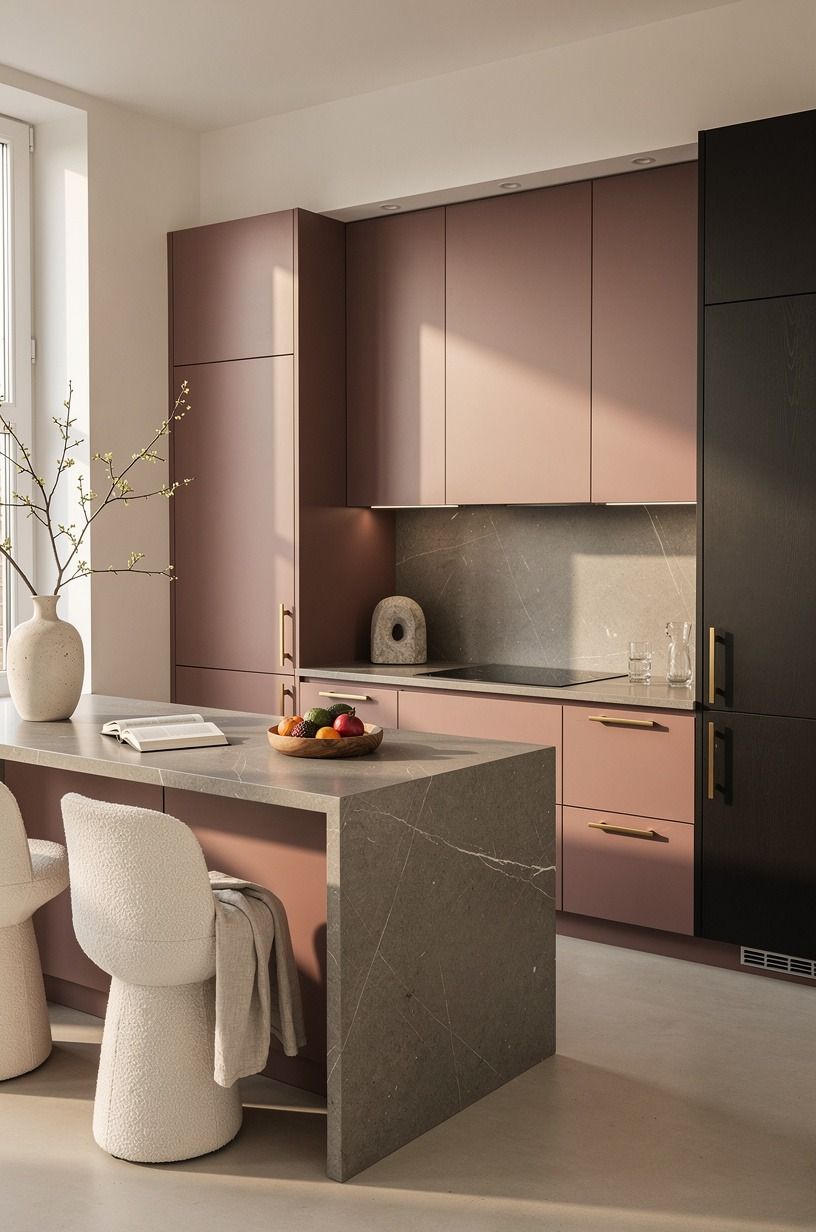
The Three-Zone Cabinet Plan keeps your storage from becoming a single chaotic category called “toys.” Give your child one low zone for everyday play, one middle zone for supervised materials, and one high zone for rotation. You’ll spend less time sorting, because the cabinet already knows what belongs where.
Place open shelves at 36 to 48 in for favorite books, then use solid doors below for the fast cleanup items. Wayfair Kelly Clarkson Home storage cabinet styles can work, but choose a model with adjustable shelving rather than fixed cubbies.
I prefer adjustable shelves every time. Toy collections change.
Your furniture shouldn’t make you start over.
16Choose warm wood over glossy white for a shared room
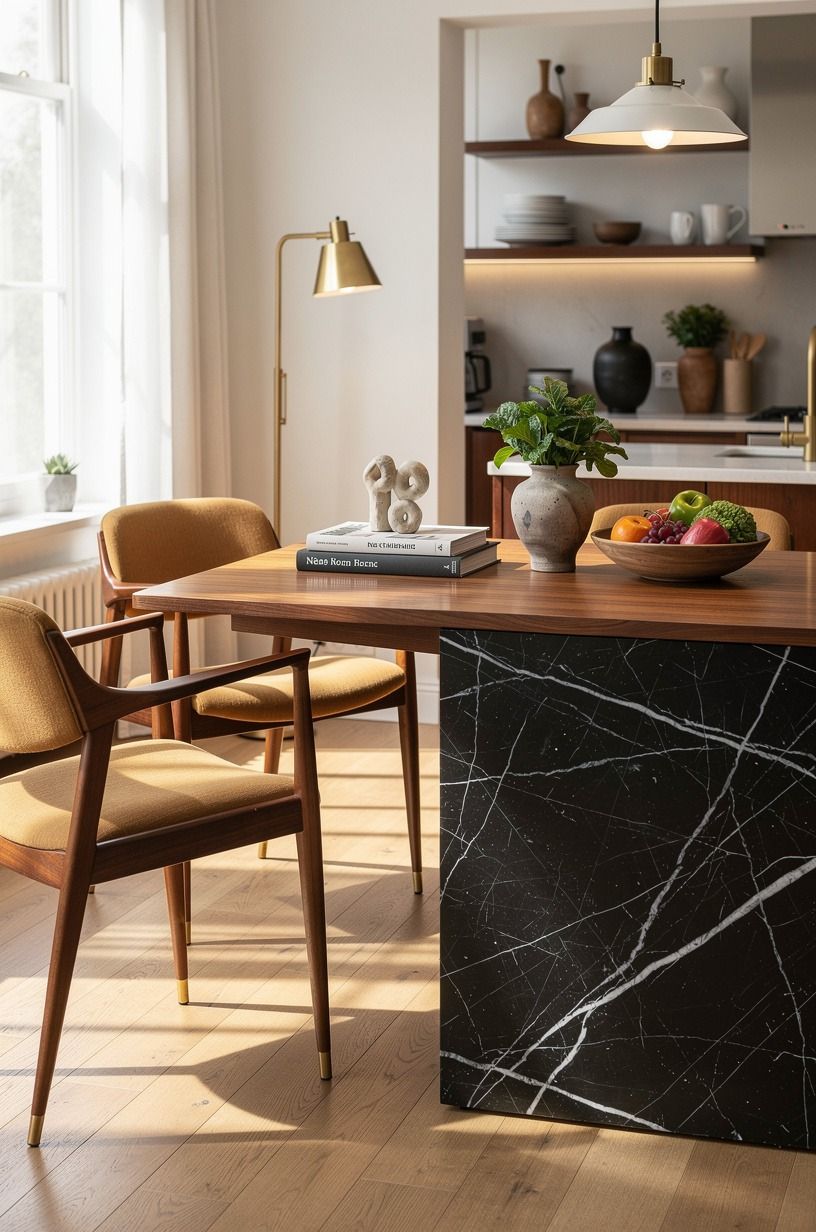
Glossy white cabinets show fingerprints, scuffs, and every fluorescent-colored sticker your child brings home.
What I learned after trying to organize toys in plain sight
I used to think open storage taught kids independence. Sometimes it does.
But I also watched my own carefully arranged shelves turn into a daily argument with gravity, packaging, and whatever tiny object had migrated under the sofa. The problem wasn’t that my child had too many toys.
The problem was that I had given every toy equal visual importance. A wooden puzzle, a neon plastic doctor kit, and six stuffed animals were all demanding the same attention.
Now I think a good hidden toy cabinet is less about hiding childhood and more about protecting the rest of your home from becoming a permanent staging area. You can leave out the things your child is genuinely using, then give the rest a door.
That boundary matters. It lets the playroom be playful without requiring you to love the sight of every object at once.
I also went back and forth on whether closed storage would make cleanup harder. It hasn’t. It’s easier because the categories are broader and the finish line is obvious. Blocks in one drawer.
Dress-up clothes in another. Books on the ledge. Done.
You don’t need a color-coded system worthy of a craft show. You need doors that close, a few bins that fit, and enough empty space to absorb the random birthday-gift avalanche.
And honestly, I’d rather spend five minutes closing cabinet doors than twenty minutes “styling” open shelves every night. Your home should support the people living in it. Not ask them to perform tidiness for the room.
The Questions Worth Answering First
What is the best hidden toy storage cabinet for a small kitchen?
A low IKEA KALLAX birch-effect unit with door inserts is a strong small-kitchen choice because it fits against a wall and keeps toys out of food-prep sight. You’ll get closed storage without bulk.
– Low profile – Fitted door inserts – Wipeable surfaces
Where can I buy hidden toy storage cabinet pieces on a budget?
Look at IKEA, Target, Wayfair, and Facebook Marketplace for cabinets with doors or drawers. You can often repaint a second-hand hutch, which gives you more storage per dollar than buying decorative baskets. These hidden cabinet storage door ideas can help you compare layouts.
How much does a hidden toy storage cabinet makeover cost?
A basic hidden toy storage cabinet makeover typically costs about $150 to $600 for paint, bins, decals, and a ready-made cabinet. You can spend nothing by sorting what you own first, which gives you a clearer cabinet plan before buying anything.
Can I create hidden toy storage on a budget?
Yes, and your cheapest move is using an existing dresser or low cabinet. Add bins, broad labels, and removable paint if you want color. You’ll get a faster reset routine without paying for built-ins.
– Existing drawer unit – Reused baskets – Removable labels
Is hidden toy storage worth it in a small space?
Yes, because small rooms benefit most from furniture that closes up visually. Put your cabinet on the longest uninterrupted wall, then keep a 5×7 ft rug clear for play. You’ll gain usable floor space and calmer sightlines.
Is hidden toy storage a good idea for a rental?
Yes. Choose freestanding cabinets, tension rods, removable wall decals, and peel-and-stick liners instead of permanent millwork.
Your landlord stays happy, and you still get a finished-looking play zone. For playful concealed spaces, explore these bookcase hidden entrance ideas.
Where I’d Start First
If I had to pick one, I’d start with a low cabinet with solid doors. You can’t organize what remains visible, because every loose toy keeps asking for attention. Pin a low cabinet for later and browse these hidden playroom storage ideas.