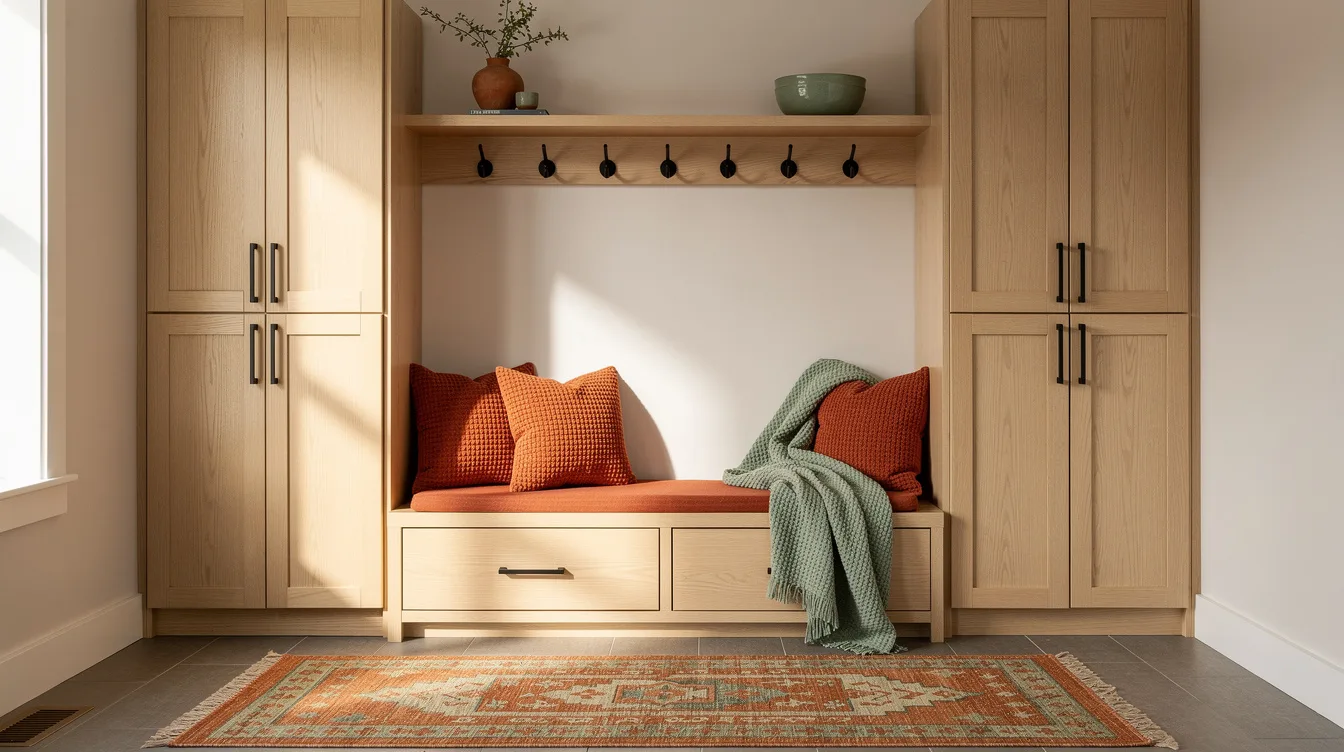
A tiny entryway can turn hostile fast when a 16-inch-deep bench pinches the only path to the kitchen. I’ve seen coats catch on door handles, shoes drift into the hall, and a supposedly helpful locker wall make daily arrivals harder.
The practical target is a 12- to 15-inch-deep locker setup with hooks, especially when the hallway is under 4 feet wide. That depth keeps the storage useful without sacrificing the 36-inch walkway a compact entry needs.
IKEA TRONES shoe cabinets prove how little projection can still earn its keep: a two-pack is typically about $40 and measures roughly 20½ by 7⅛ by 15⅜ inches. The best small mudrooms treat every inch like circulation space first, storage space second.
Commit to Hooks Before Choosing Depth
A shallow locker cannot pretend to be a closet. A standard hanger needs roughly 17 to 18 inches of depth to sit flat, so a 12-inch cabinet with a rod leaves coats skewed, jammed, and permanently rumpled.
Use sturdy matte black wall hooks instead, with one high hook for coats and one lower hook for bags. Hooks make a 12- to 14-inch-deep bay work honestly, and they let a family see what is actually coming through the door.
Protect the Walking Lane First
The common mistake is measuring the empty wall, buying a locker bank, then realizing the front door and passing bodies need the same real estate. Keep at least 36 inches of clear passage, even if that means choosing one narrow tower instead of a full built-in.
A slim white oak cabinet at roughly 12 inches deep and 18 to 24 inches wide can hold hooks inside the door, shoes below, and adjustable shelves overhead. It looks intentional when it has breathing room; a wider unit that blocks traffic never does.
Give Every Bay Enough Elbow Room
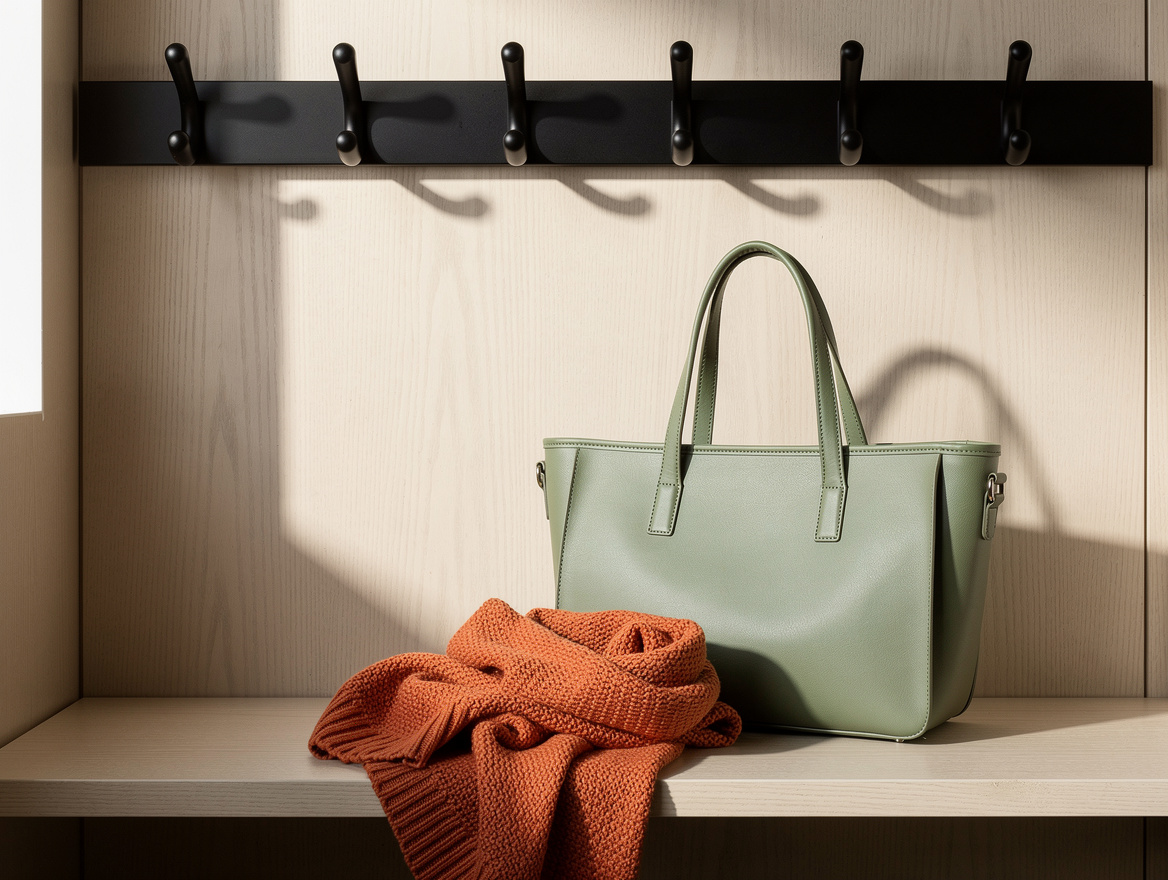
Skinny compartments look tidy in a showroom, then collapse under a winter coat and a school backpack. Plan for at least 18 inches of width per person, with 18 to 24 inches feeling much more realistic for a coat, tote, and daily clutter.
Install solid brass hooks about 6 to 12 inches apart so sleeves are not constantly overlapping. A single generous bay beats two decorative slots that force everyone to pile belongings on the bench.
Build the Bench Into the Storage Plan
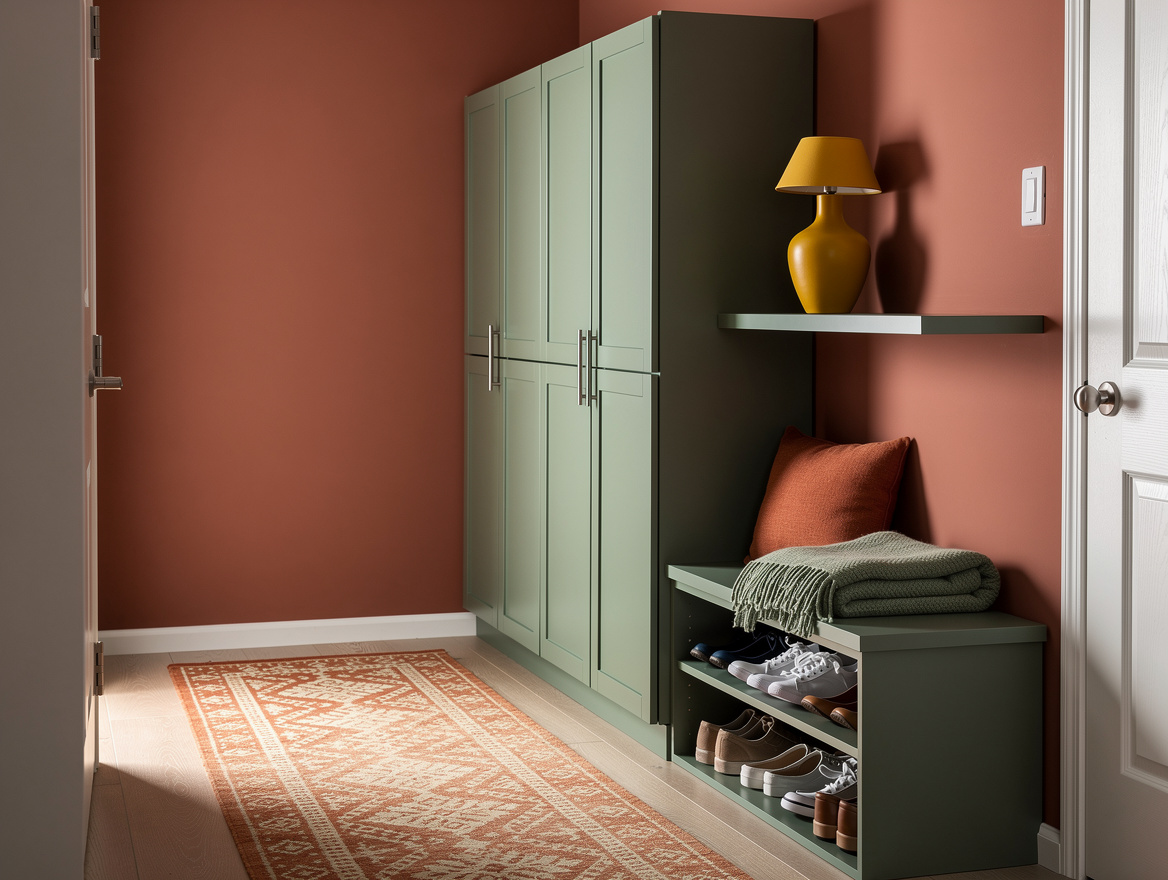
Adding a separate bench in front of lockers is a classic tiny-entryway blunder because it creates a furniture traffic jam. Choose a bench-style unit whose seat conceals shoes or whose base holds drawers, so one footprint handles sitting and storage.
A painted MDF bench around 14 to 17 inches deep is usually enough for pulling on boots without intruding into the hall. Aim for a seat height around 17 to 19 inches, then add one washable cushion instead of a heap of decorative pillows.
Use Vertical Space With Purpose
Stopping storage at shoulder height wastes the one asset a narrow entryway still has: the wall above it. Full units typically run 72 to 84 inches tall, but the top zone should hold seasonal gear rather than items needed at 8 a.m.
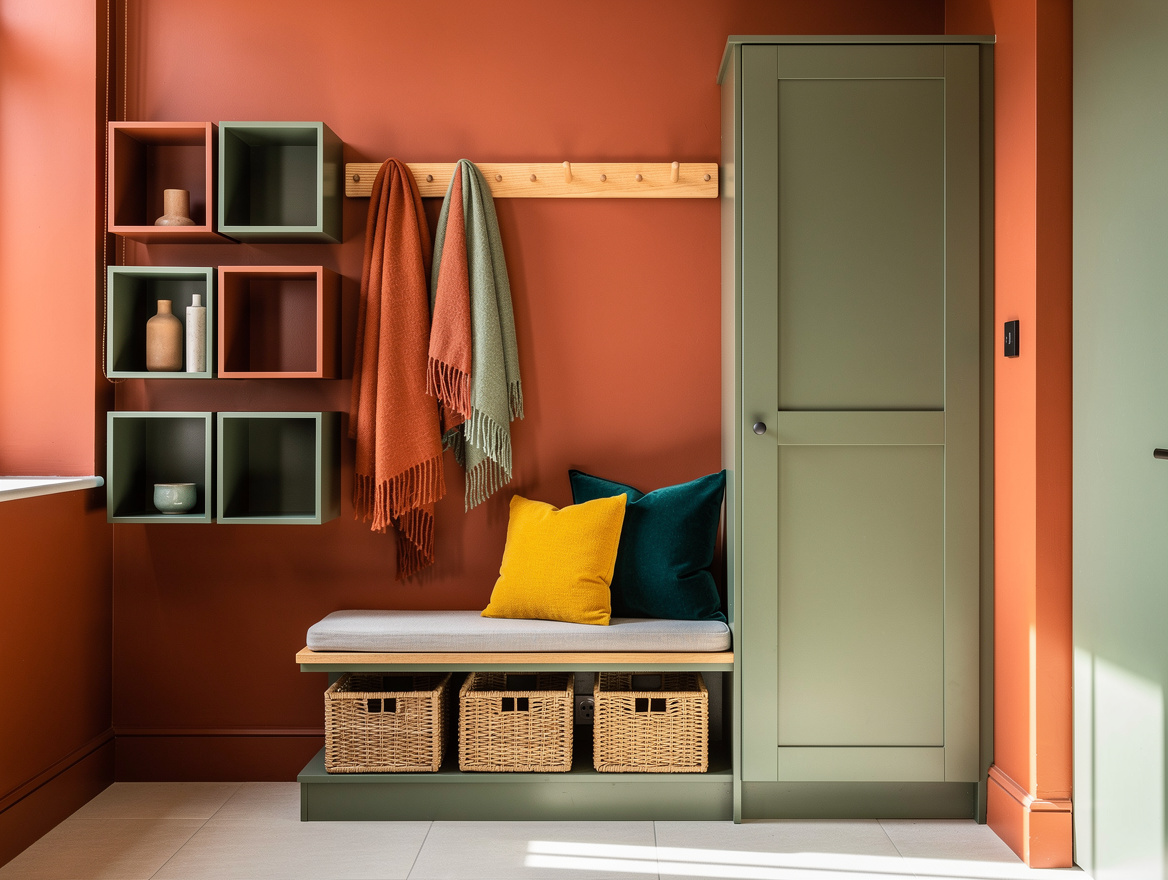
Pair a low bench with a natural wood peg rail at an everyday reach height, then reserve upper cubbies for spare hats and travel bags. For children ages 3 to 10, lower hooks around 36 to 48 inches make the system easier to use without adult rescue.
Choose Open Storage When the Room Feels Boxed In
Closed doors can make an already narrow entrance feel heavier, particularly when the unit spans most of a wall. Floating cubbies keep the floor visible, make cleanup easier, and give a tight hall a lighter visual rhythm.
A wall-mounted IKEA HEMNES shoe cabinet is typically around $180 to $400 depending on size and finish, and it can hide the least charming part of the entry: the shoe pile. Above it, use just a few hooks and a shallow shelf, because open storage only looks calm when it has a hard limit.
Start by taping a 12-inch-deep rectangle on the floor and walking past it with the door open. If that route feels easy, build upward from there with hooks, a shoe-hiding bench, and only the storage your household will actually maintain.
Mia Carter writes about small-space living and budget home makeovers. She has restyled three rentals and tests most ideas in her own 45 sqm flat.