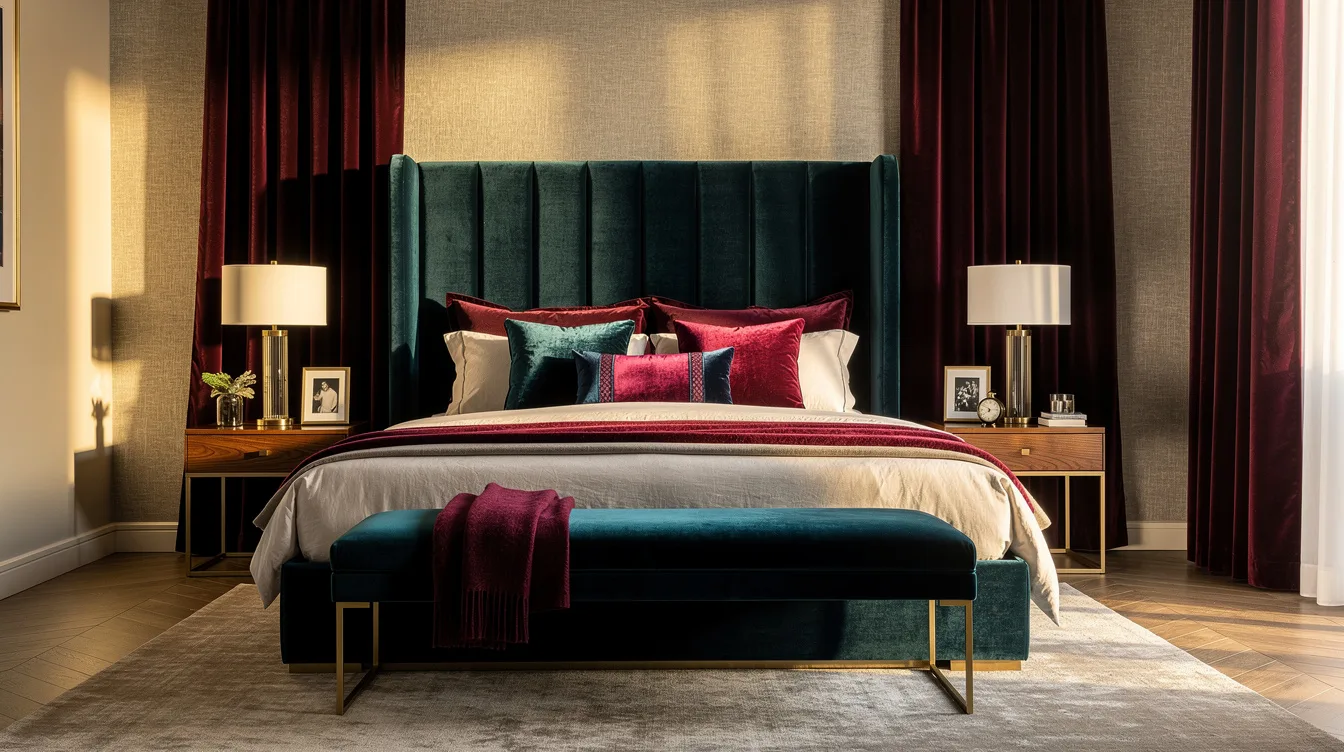
A headboard paired with about two cushions can look polished, yet the room may still feel unfinished when the windows and seating speak a different visual language.
Luxury bedrooms repeat one fabric beyond the bed because the repetition makes the space read as a single, custom-designed suite. The trick is controlled placement, not a matching set on every surface.
Move the textile across about three applications, then change its scale, construction, or texture as it travels. That is where the expensive look begins.
Choose One Hero Textile
Luxury bedrooms usually begin with one hero fabric that carries the room’s visual identity. The smartest schemes repeat its color, weave, or motif across selected surfaces instead of covering every object in the same print.
A headboard gives the textile its first major placement, where the material frames the bed and establishes the room’s scale. Upholstery-grade cloth has the weight and durability needed for this job.
Repeat that choice on a bench, cushion, or curtain detail, then let the surrounding pieces stay quieter. A Wayfair upholstered bench in a related tone can make the bed feel specified as part of a suite rather than purchased alone.
Repeat It at a New Scale
The repetition looks expensive when the fabric changes function as it moves through the room. A small motif on the headboard can become a narrow border, while a solid weave can expand into full-height curtains.
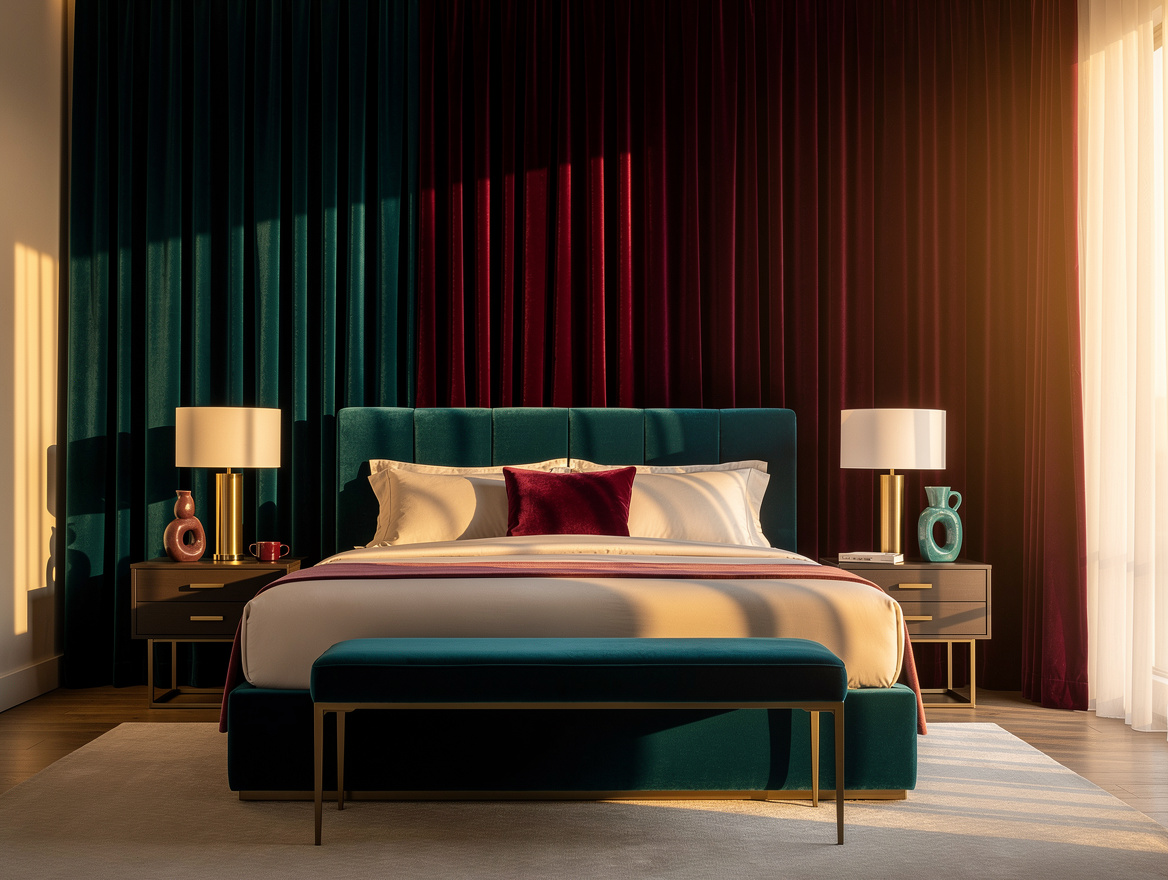
Windows deserve drapery-grade cloth, which falls differently from upholstery fabric and gives the scheme vertical movement. Use the same color family while allowing the surface to become softer, lighter, or more fluid.
An IKEA Roman shade can carry the bedroom’s accent color without repeating the exact pattern. This controlled change keeps the room connected and prevents the matching effect from becoming heavy.

Carry Softness Up the Walls
Fabric has its strongest architectural effect when it travels above the bed or toward the ceiling. A wall textile can make the headboard wall feel wider and more enveloping, especially when the pattern stays restrained.
Use upholstered wall panels only with a material approved for that application, because ordinary drapery cloth may lack the backing and stability installation requires. Precise seams matter more than a famous label.
Soft surfaces also reduce the hard visual edges created by painted walls, glass, and wood furniture. For a practical finish, pair the textile with Home Depot blackout lining in the window treatment so the bedroom feels finished from morning through night.
Pair Prints With Quiet Companions
A strong bedroom rarely repeats a loud print everywhere. A plain jacquard or subtle stripe can echo the hero textile’s color while giving the eye a place to rest.
Texture creates another form of repetition. Velvet can repeat the depth of a patterned headboard on a bench or lumbar pillow, while a woven solid keeps the bed from looking like a packaged set.
Keep the exact hero fabric to about two placements, or use roughly two to four cushions when the pattern is quiet. A Target lumbar cushion can bridge the bed and an accent chair without making every surface compete for attention.
Finish the Scheme Like a Custom Job
The impression of luxury often comes from small finishing decisions rather than the textile’s price. Contrast piping around a headboard or cushion gives repeated fabric a tailored edge and makes the pieces feel related.
Pattern matching, generous fullness, careful lining, and clean installation carry more visual authority than simply adding another expensive material. On curtains, lined panels hold their shape and make the window treatment look deliberate.
Hardware should disappear into the composition. A simple Amazon curtain rod in a finish that matches the room’s existing metalwork keeps attention on the fabric instead of announcing how it was hung.
Install for Structure and Restraint
Every surface needs the construction suited to its job. A commercial-grade textile may work for a wall application, while upholstery cloth belongs on the headboard and drapery cloth belongs at the window.
Many custom headboard makers accept customer’s own material, which opens the door to a coordinated scheme without forcing every piece to come from one collection. Bring the same fabric to a bench or cushion only when the room has enough plain space around it.
Before ordering, map the repeated elements from the doorway: bed, window, seating, and wall. Add a Lowe’s curtain track or other discreet support only after deciding where the eye should land first, because repetition works best when it guides attention rather than fills every inch.
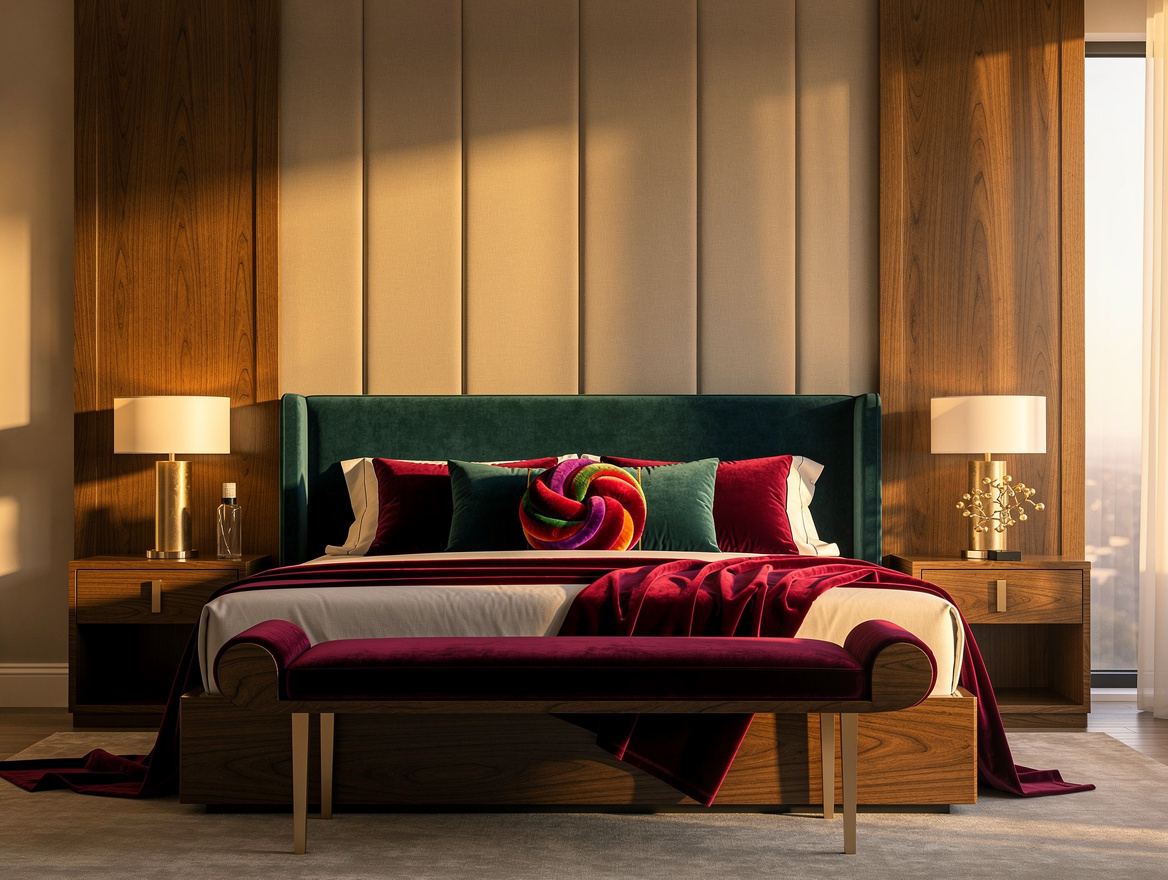
Start with the headboard fabric, then choose the one secondary surface that benefits most from its color or weave. Once that connection is working, leave the remaining pieces quiet enough for the room to breathe.
Mia Carter writes about small-space living and budget home makeovers. She has restyled three rentals and tests most ideas in her own 45 sqm flat.