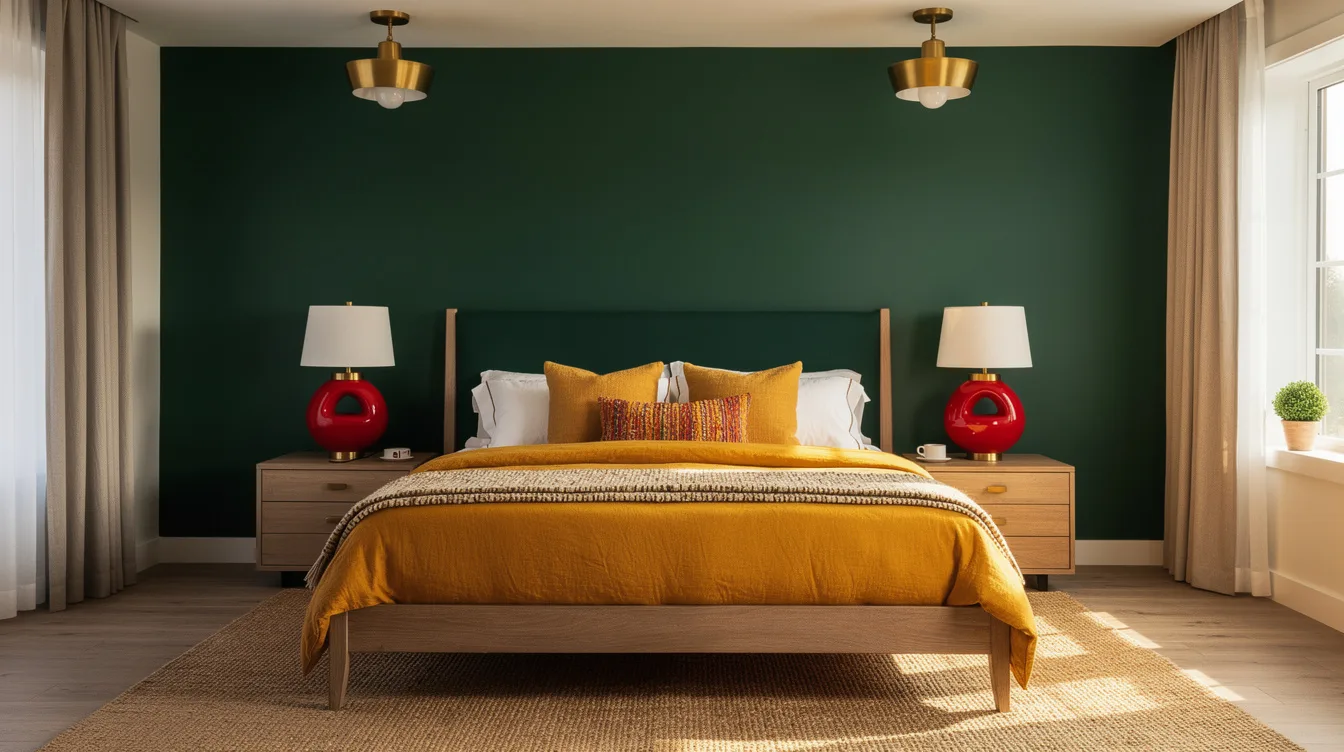
A 12-by-16-foot bedroom can feel oddly unbalanced when two ceiling junction boxes sit in the wrong visual relationship to the bed. The best solution depends on whether those boxes run along the room’s centerline, hover above the nightstands, or serve separate zones.
Start with placement before shopping for a matching pair. The right shade, height, and spread will make two existing boxes feel deliberate, while the wrong arrangement can leave even expensive fixtures looking misplaced.
Align Both Boxes Along the Centerline
In a rectangular room with both junction boxes running through the middle, flush mounts usually make the cleanest choice. They keep the ceiling visually open and spread attention across the room instead of pulling it toward one corner.
For a typical 12-by-16-foot bedroom, test both fixtures on one longitudinal axis before installation. About 4 feet and 12 feet from the same end wall can create a useful starting layout, though existing boxes may make fixture selection more practical than perfect symmetry.
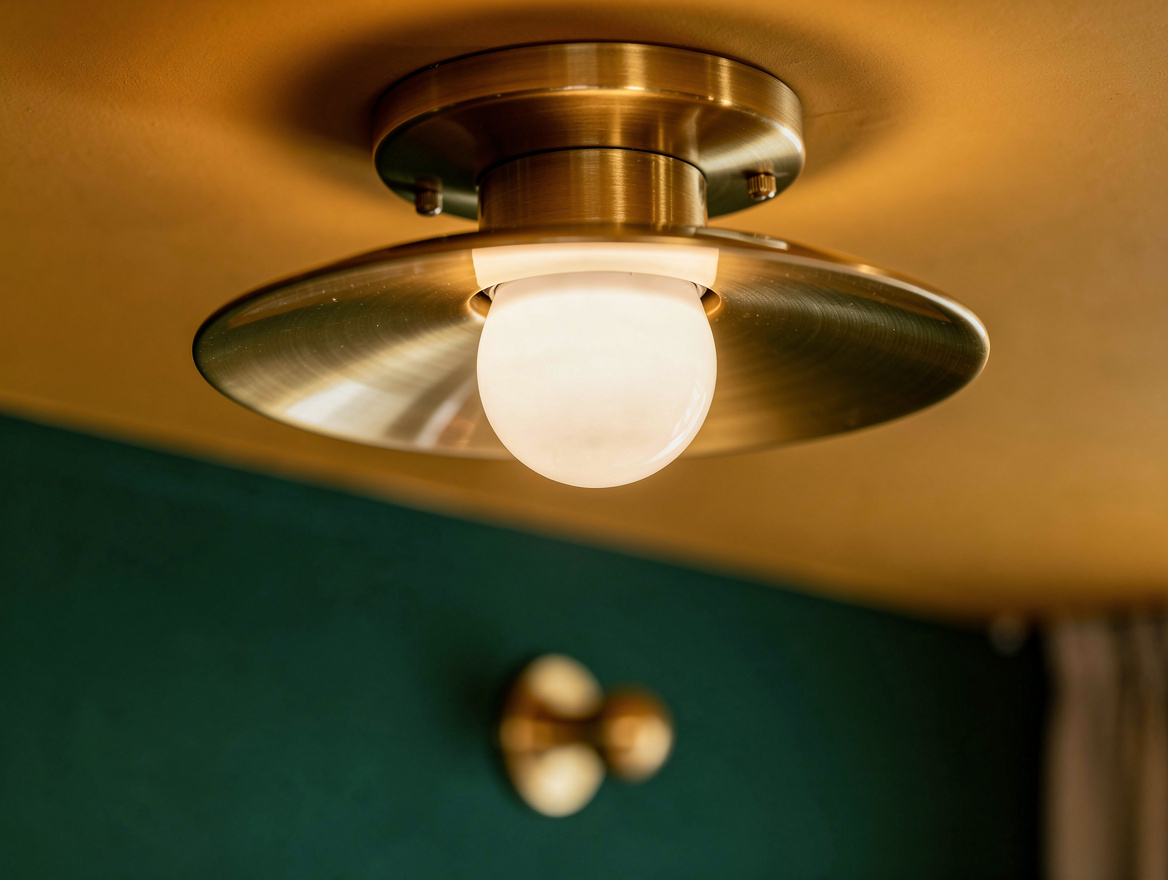
A compact matte-brass globe fixture from Home Depot can cost about $44.99 each, or roughly $90 for two. The supplied example is about 8 inches wide, uses one E26 bulb, and leaves enough ceiling area for a smaller room to breathe.
That clear shade exposes the bulb, so pair it with a frosted E26 bulb when you want gentler light. A decorative filament bulb will look more visible and brighter, which can feel harsh above a bed.
Frame the Bed With Paired Pendants
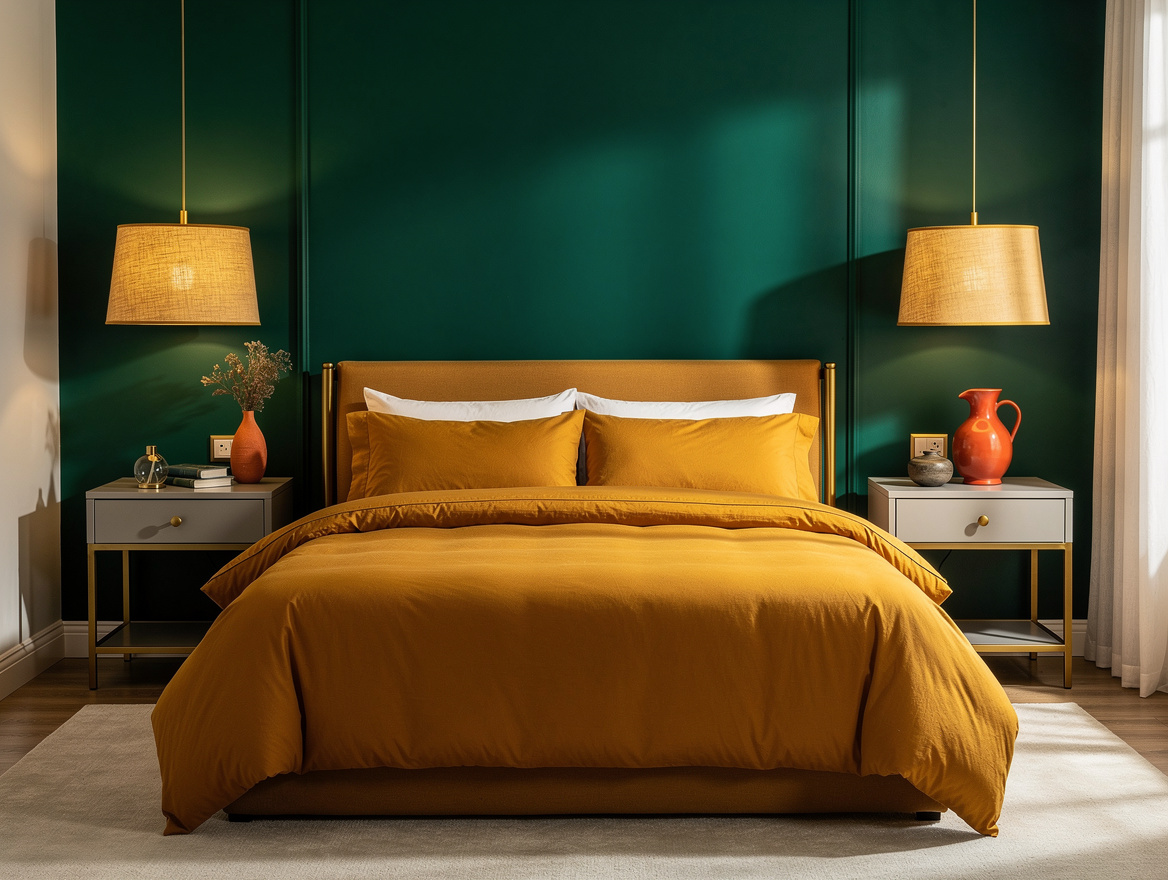
When the boxes sit above the nightstands, use paired pendants to frame the bed and free the bedside surfaces. The arrangement feels intentional because each fixture belongs to a distinct bedside zone.
For a queen-bed layout, center each pendant over an 18-to-24-inch nightstand as a starting point. Test the position from a seated posture before finalizing the height, since the mattress, shade shape, and your sightline all affect comfort.
A pendant shade about 6 to 10 inches wide can keep the composition light, while a larger shade brings more visual weight. Begin with the bottom of the shade about 20 to 28 inches above the nightstand, then adjust until you can reach for a glass without entering the fixture’s path.
Choose opaque fabric shades when reading in bed matters. They soften the bulb and direct a calmer pool of light toward the nightstand instead of shining directly into your eyes.
Split the Room Into Useful Lighting Zones
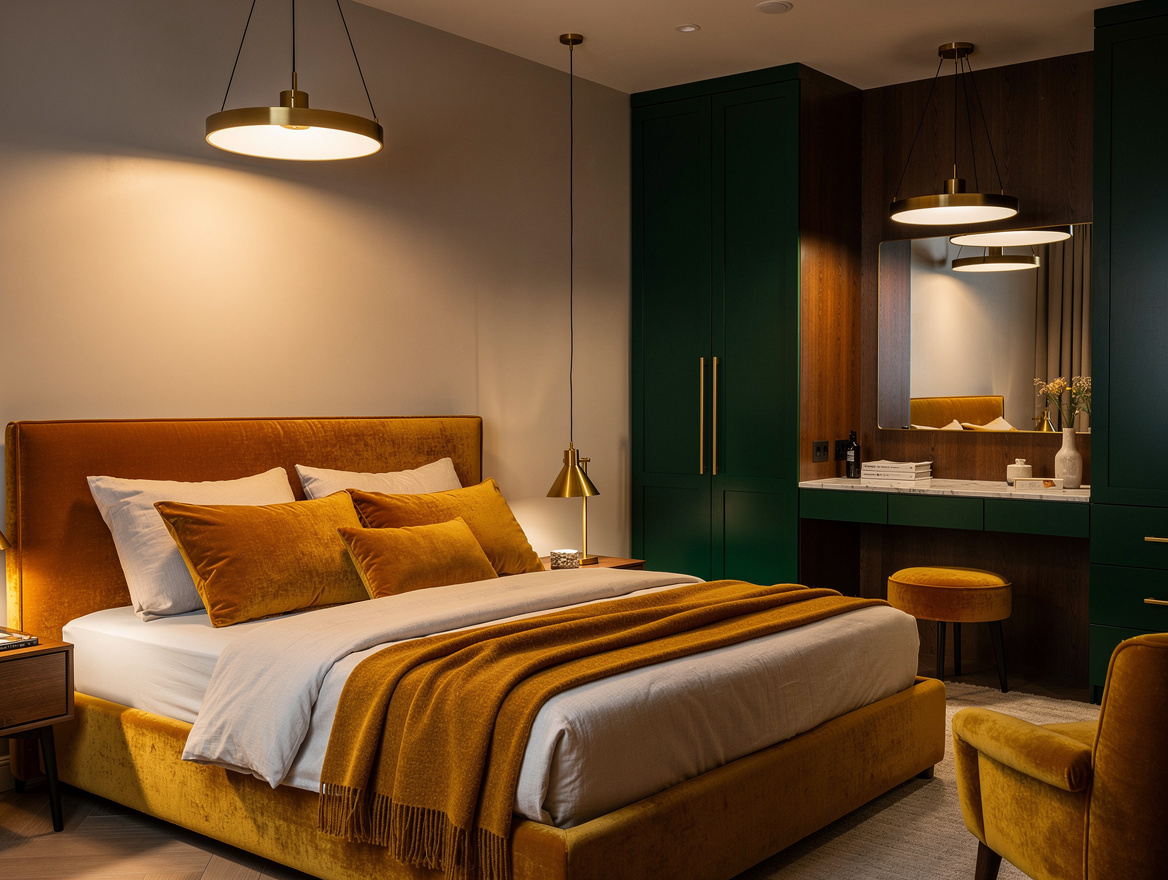
One box may serve the bed while the other supports a dressing or reading area, so matching fixtures are unnecessary. A pair of coordinated fixtures can share a finish or shade color while using different shapes for different jobs.
Place the brighter fixture where you dress, fold clothes, or check an outfit. Use a softer fixture near the reading chair, and let the room’s furniture determine the visual center rather than forcing both boxes into a symmetrical arrangement.
A fabric drum fixture works well over the bed because its broad shade spreads light gently. Near a reading chair, a compact pendant or directional ceiling light can provide more useful illumination without overwhelming the sleeping area.
Keep the palette related through one repeated detail, such as a brass finish or warm ivory shade. The result should read as one lighting plan with separate tasks, not as two unrelated purchases.
Diffuse the Light Before It Reaches the Bed
Bedrooms benefit from overhead light that reaches the room without producing a sharp glare line across the pillows. Diffused shades soften the source and make a ceiling fixture feel less commercial.
A fabric, frosted-glass, or linen-look shade can filter the bulb more effectively than a fully exposed lamp. That matters most when the fixture sits close to the bed’s visual field.
Use soft-white bulbs when the room needs a warmer evening atmosphere. The exact bulb brightness should follow the shade and room size, but a diffuser remains the more important decision when glare is the problem.
Clear glass still has a place in a bedroom, especially in a compact fixture, but it creates a brighter and more exposed effect. Reserve it for rooms where the visible bulb is part of the design and use frosting when comfort takes priority.
Mock the Dimensions From the Pillows
Before buying fixtures, mark the proposed locations with painter’s tape or paper circles. In the example 12-by-16-foot room, starting points around 4 feet and 12 feet from one end wall help reveal whether the pair feels balanced from the bed.
For centerline boxes, fixtures around 14-to-18-inch diameters are a reasonable planning range for many standard-height bedrooms. Treat that range as a design starting point, then check the ceiling height, furniture scale, and view from the pillows.
Stand on the bed, sit upright, and walk toward the closet before committing to a fixture size. Check that wardrobe doors open freely and that a semi-flush fixture does not make the ceiling feel crowded.
For bedside pendants, tape the proposed shade bottom in place and test the movement around the nightstand. A mock-up catches awkward clearance faster than a product photograph ever will.
Coordinate Finishes Without Copying Shapes
Two ceiling boxes should feel related, but identical fixtures are only one solution. Repeat a finish, shade tone, or material so the arrangement has a clear thread while each light performs its own job.
A matte-brass finish can connect a compact globe fixture over the bed with a pendant near a dressing zone. Black hardware creates a sharper contrast, while white or natural fabric keeps the ceiling quieter.
Keep the retail math grounded: the supplied compact example is about $44.99 per fixture before installation, tax, and bulbs. Larger shades, more substantial materials, and specialty pendants will raise the allowance, so set the fixture budget before choosing a look.
When two boxes already exist, placement deserves the first decision. Choose the finish after the bed, nightstands, and reading zone have shown you what the room actually needs.
Mark the bed, nightstands, and walking paths first, then test each box from the pillows and the doorway. That small planning step will tell you whether the room needs matching ceiling lights, bedside pendants, or a coordinated pair with different jobs.
Mia Carter writes about small-space living and budget home makeovers. She has restyled three rentals and tests most ideas in her own 45 sqm flat.