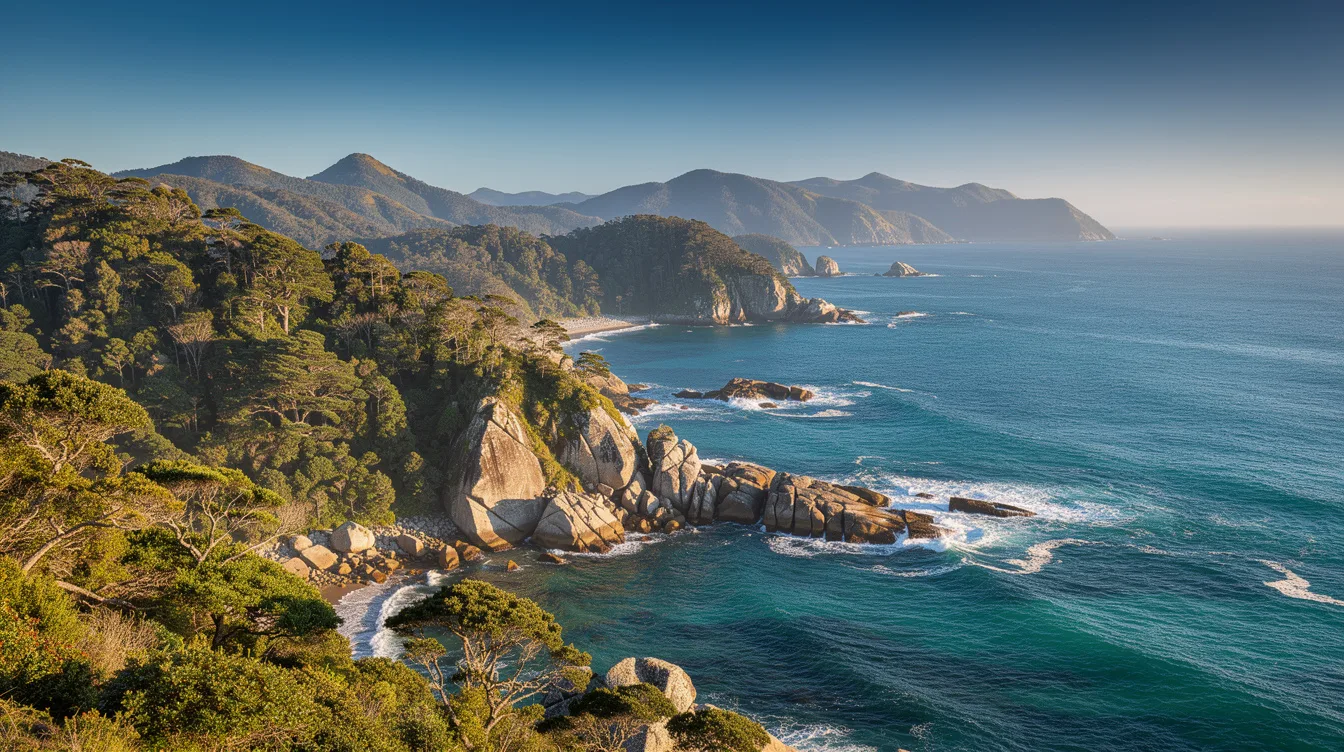
Great Barrier Island, known as Aotea in Māori, sits 62.1 miles northeast of central Auckland in the outer Hauraki Gulf. It feels far farther away because the island runs largely off-grid, with solar power and collected rainwater shaping the daily rhythm.
And that distance is the appeal. You can leave a major city behind, then find an island where the night has room to get dark and the ferry crossing still depends on the weather.
The sky is the reason to stay overnight
In 2017, Aotea / Great Barrier Island became an International Dark Sky Sanctuary. It was the third sanctuary designated internationally and the first located on an island, which makes this more than a casual after-dinner stargazing stop.
Because the island has little artificial light, darkness arrives with real force. You should stay at least one night if the sky is your priority. A rushed day trip misses the point, especially when clouds or transport conditions shift the plan.
But the designation doesn’t promise a clear night. It protects the conditions for darkness, not the weather, so give yourself time rather than building the trip around one evening.
Two coasts, and a useful choice
The Pacific-facing east coast has surf beaches, cliffs, sand dunes, and a more exposed feel. The west coast has sheltered bays and harbors, so it is the better bet when you want calmer swimming, boating, or a kayak outing.
The east and west feel like different islands. You can chase surf and wind on one side, then spend the next day near quieter water. Lively, but never built up in the manner of a resort island.
And you shouldn’t try to see every cove in one pass. Great Barrier Island covers 285 square kilometers, or about 110 square miles, and more than 60 percent is public conservation land managed by the Department of Conservation.
Mount Hobson gives the island its high point
Mount Hobson, also called Hirakimatā, reaches 2,057 feet. The island’s interior includes rugged hills, wetlands, and kauri forest, so the experience moves quickly beyond beaches and boat ramps.
You can walk the Aotea Track in Aotea Conservation Park, Auckland’s only multi-day wilderness walk. DOC huts and campsites make it possible to stay out longer, but this is not a polished, all-inclusive escape. Bring the gear and allow for a slower pace.
But there are easier ways to be outside. The island is promoted for fishing, diving, mountain biking, surfing, hiking, and camping, so you can build a trip around the activity that actually suits your energy.
Thirty minutes by air, 4.5 hours by ferry
A small plane reaches Claris in about 30 minutes from Auckland and is the practical choice for a short stay. The ferry takes about 4.5 hours, but it can make more sense when you need a vehicle, camping equipment, or simply want the crossing to be part of the trip.
And transport is part of the trade-off. Flights, ferry crossings, and the exposed east coast are weather-sensitive, so don’t plan a tight connection that leaves no room for a delay.
There is no conventional public-transit network to rely on. Taxis and rental cars exist, and peak-period buses may operate from Shoal Bay Wharf at Tryphena, but you should arrange a rental car ahead if you want real freedom to explore.
Go for two nights, not a checklist
Two or more nights is the right rhythm. Use one day for the southern or central parts of the island, then keep another for northern harbors or a longer hike. That extra time also gives the dark sky a second chance.
The island has Māori heritage, archaeological sites, and remnants from kauri logging and mineral extraction. You’ll also notice the practical limits of off-grid life, so bring reusable supplies and use water carefully.
But Great Barrier Island isn’t trying to make travel effortless. By the time the light falls over the outer gulf, the harbor quiets down, and the sky starts doing the work.