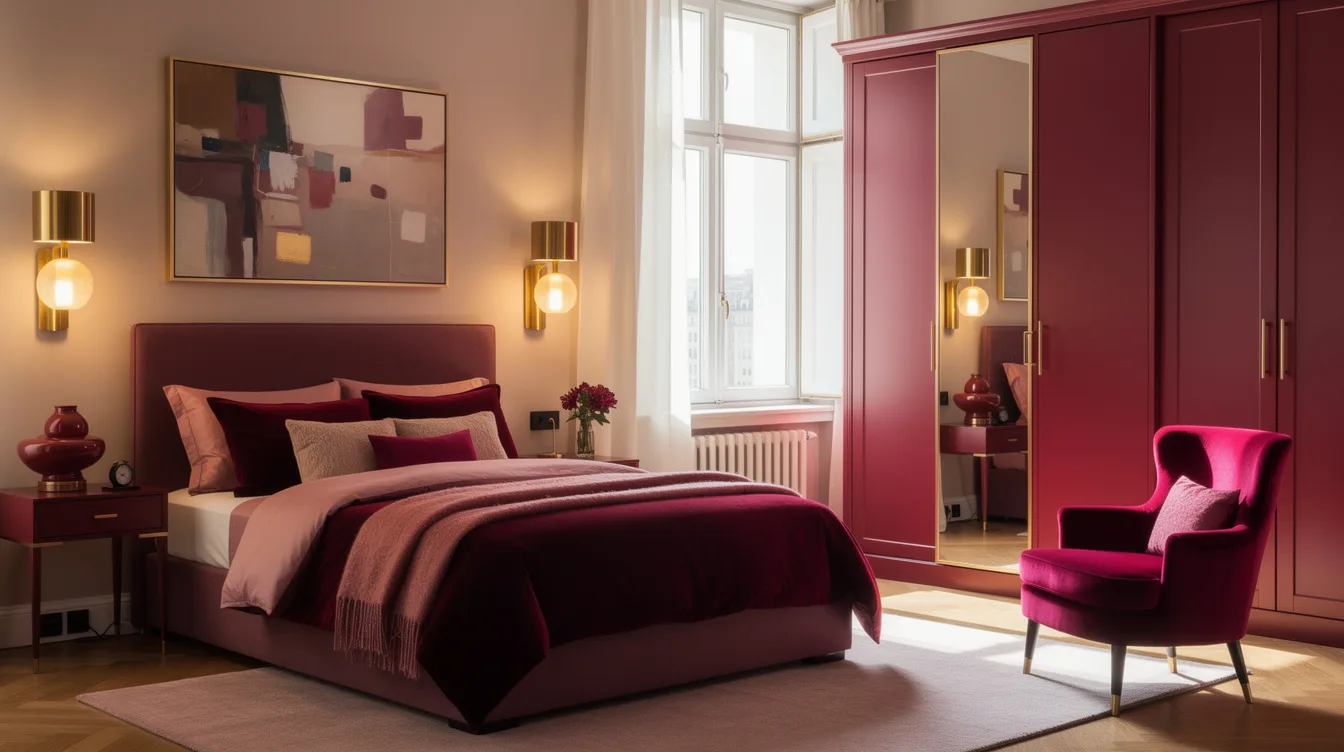
In a typical 10-by-12-foot bedroom, the bed and wardrobe can share one ceiling, but they should not share one lighting mood. Bright overhead light helps you judge a shirt before work, while the same glare can make winding down feel abrupt. The fix is a deliberate split between soft sleep lighting and focused dressing light.
Split the Room With Two Lighting Circuits
A typical 10-by-12-foot bedroom needs separate control for the bed and wardrobe zones, even when both fixtures share one ceiling box. Put the sleep area on a dimmer and give the dressing side its own wall switch, because bright morning light should never flood the pillows at night.
A simple Leviton dimmer from Home Depot often costs about $20 to $35, while a second switch may add roughly the same amount before installation. That small electrical decision does more for comfort than buying a larger chandelier.
Keep the controls near the entry and within reach of the bed when possible. A bedroom feels carefully planned when you can turn on a soft bedside glow without crossing the room, then activate the dressing lights only when you need a clear view of clothing.
Designers favor this split because sleep and dressing ask for opposite conditions. The bed wants low, warm, indirect light, while a closet needs even illumination that shows color and texture honestly.
Wash the Bed in Low, Warm Light
Start the sleep zone with light that lands on the wall, ceiling, or fabric instead of directly in your eyes. A linen drum shade from Wayfair can soften a flush mount, and a typical shade costs around $35 to $80 depending on size and construction.
Choose bulbs around 2200K to 2700K for the bed area, with a dimmer that lowers the output before bedtime. A shaded fixture near the dresser can still work, but its glow should stay below eye level and away from the mirror.
Place a table lamp on each nightstand only if both sides of the bed need the same reading support. A $39 IKEA FADO lamp, or a similar frosted glass lamp from Target, gives off a rounded glow that feels calmer than an exposed clear bulb.
Avoid a bare bulb suspended over the mattress. The fixture may look simple in a showroom, yet its glare becomes the first thing you notice when you are lying down with the lights low.
Aim Task Light at the Wardrobe
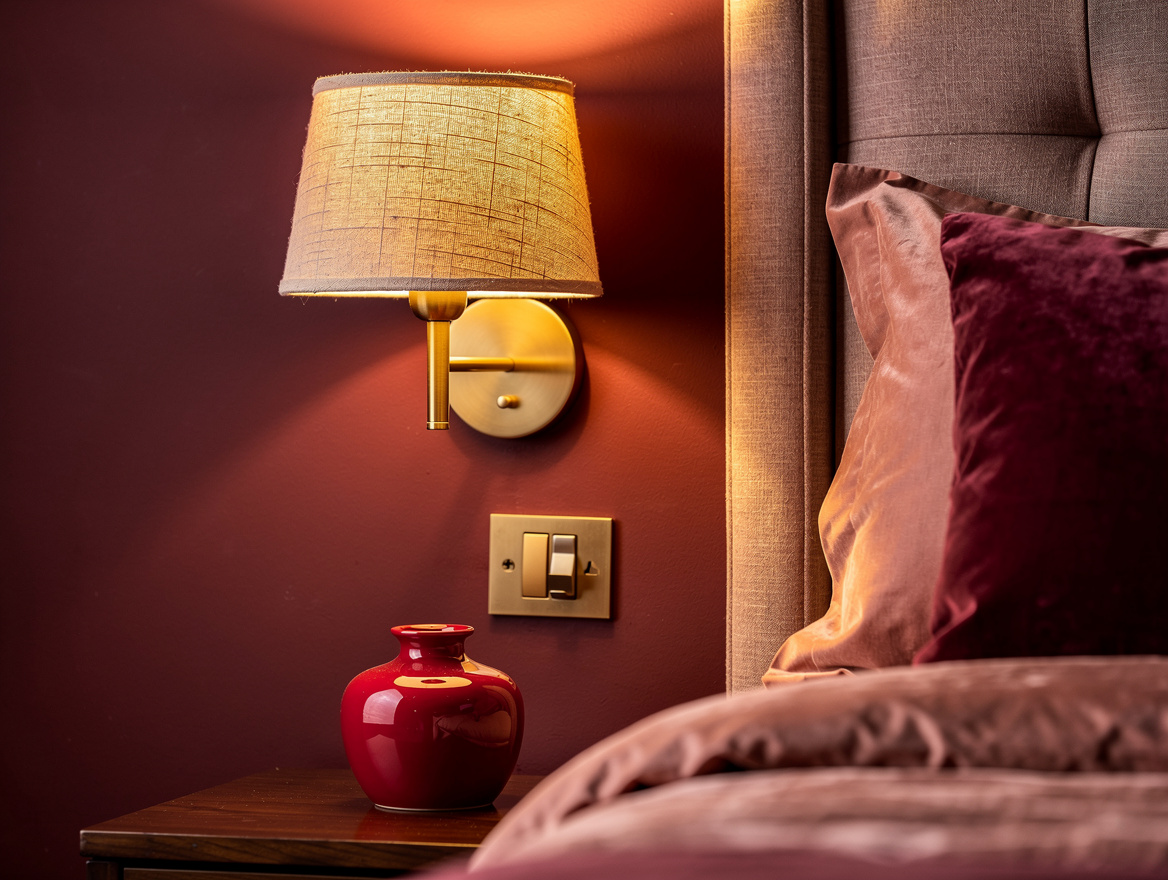
The dressing zone needs light from the front and sides, so your body does not cast a shadow across the clothes. A vertical LED bar from Lowe’s can run along a wardrobe edge, while a typical plug-in model costs about $25 to $60.
For a reach-in closet, use a ceiling fixture with a wide beam rather than a narrow spotlight aimed at the floor. A low-profile LED flush mount from Amazon works well when its diffuser spreads light across shelves and hanging garments.
Keep the color near 3000K in this zone if you want a crisp view without the cold blue cast of an office. Warm-white light helps navy, gray, brown, and black clothing stay distinct while preserving a comfortable bedroom mood.
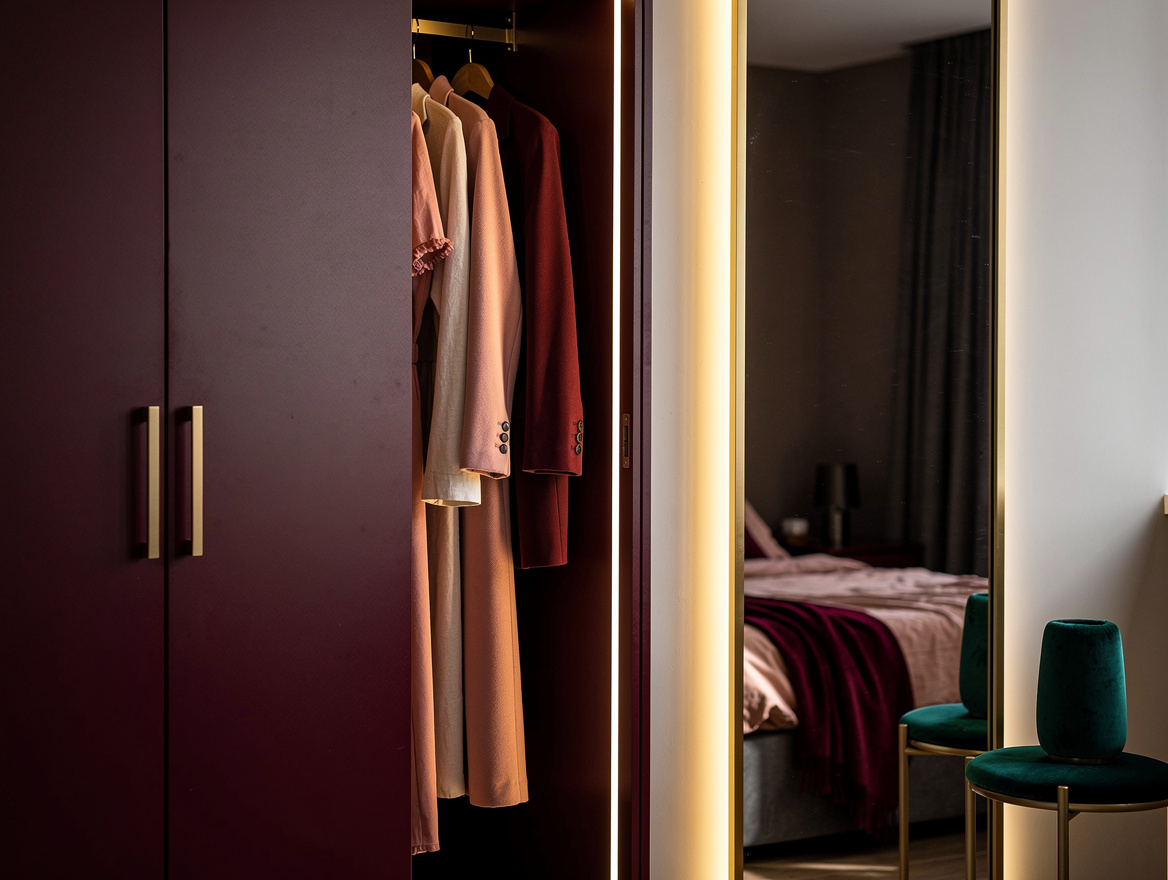
Install the brightest source beside the mirror, not behind you. The mirror should receive light from both sides or from above at a moderate angle, because a fixture behind your shoulders turns your face into a shadow.
Mount Sconces at the Right Height
Bedside sconces free the nightstands and keep the reading beam close to the task. A brass wall sconce from Target can cost around $45 to $100, and its finish adds warmth without requiring another object on the tabletop.
Mount the fixture so the shade or light source sits slightly above your seated eye line, then test it from the mattress before tightening the hardware. The best position depends on the bed height, so a fixed number rarely works for every room.
Choose an adjustable IKEA NYMÅNE wall lamp when one person reads and the other sleeps. Its directional arm lets the reader aim light at a page while keeping the beam off the neighboring pillow.
Use cord covers only when the wiring cannot be placed inside the wall, and match them to the wall color. Visible cords are sometimes unavoidable in a rental, but a straight, restrained line looks intentional while a loose loop makes the entire sleep zone feel temporary.
Layer Color Temperature Without Visual Noise
Use one warm family of bulbs throughout the bedroom, then allow the dressing area to run slightly brighter. A 2700K LED bulb from Costco or Walmart usually costs about $2 to $6 per bulb when bought in a multipack.
Keep the bed fixtures near 2200K to 2700K and the closet fixtures around 3000K, but avoid mixing daylight bulbs into the same view. The goal is a gentle shift from restful to functional, not a patchwork of competing whites.
A matte opal diffuser hides harsh points of light and works especially well in a small room with pale walls. Look for it in ceiling fixtures at Home Depot or Ace Hardware, where common bedroom sizes typically cost roughly $40 to $120.
Test every lamp after sunset with the curtains closed. A bulb that seems soft in a bright store can look severe against a dark wall, especially when its beam reflects off a mirror or glossy closet door.
Hide the Glare Before It Reaches the Pillow
Walk through the room from the bed and look directly toward every fixture. A frosted glass globe from IKEA or Wayfair is usually easier on the eyes than a clear globe, and a typical replacement costs around $15 to $50.
Keep ceiling fixtures centered over the circulation path when possible, rather than directly above the headboard. If the existing junction box cannot move, choose a semi-flush fixture with a covered underside and direct the stronger light toward the dressing side.
Mirrors need special attention because they multiply glare. A full-length mirror from Walmart or Target should sit beside a diffused light source, not opposite an unshaded lamp that bounces a hard white spot across the room.
Finally, dim every layer until the bed feels quiet, then raise only the dressing lights for morning use. That final test reveals whether the zones truly support different routines or simply add more fixtures to the same problem.
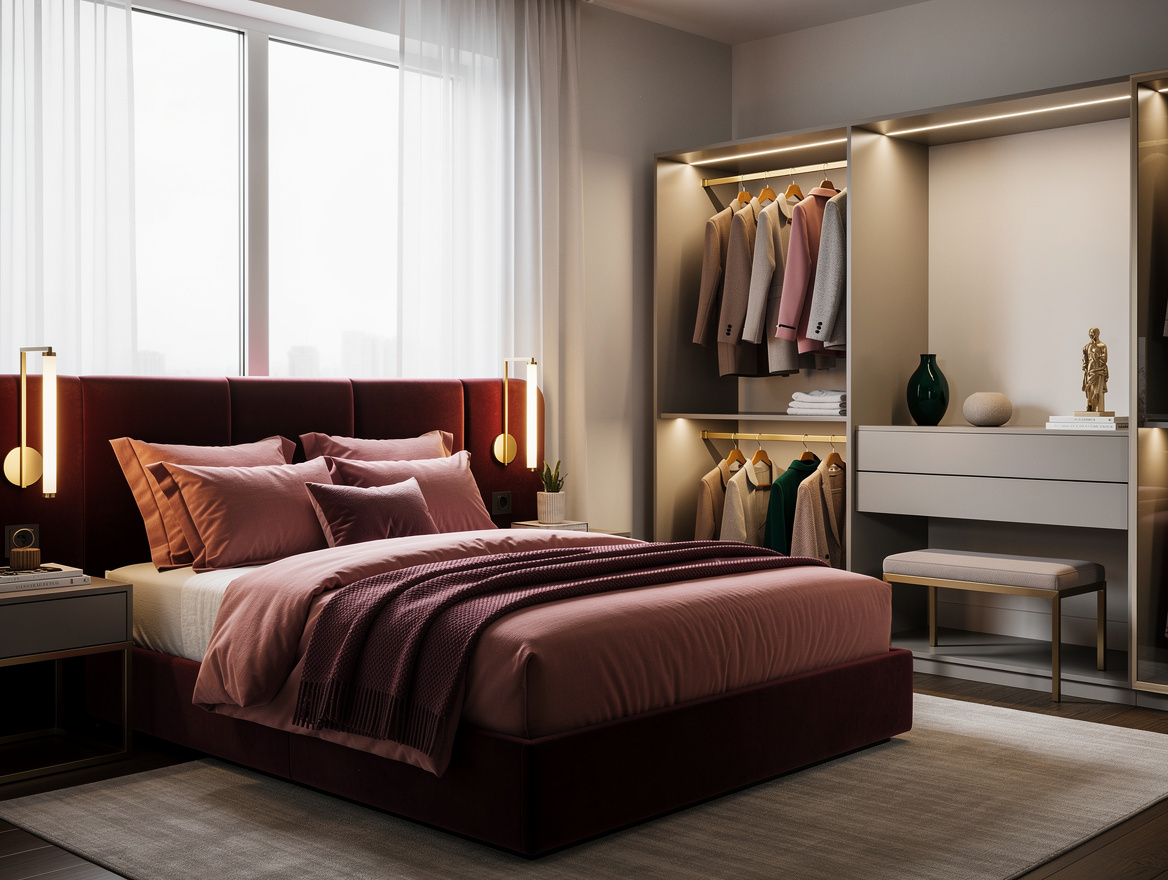
Begin with two controls: dim the bed zone, then brighten the wardrobe zone only when you are getting dressed. Once that circuit works, choose shades and bulbs that keep every beam out of your eyes.
Mia Carter writes about small-space living and budget home makeovers. She has restyled three rentals and tests most ideas in her own 45 sqm flat.