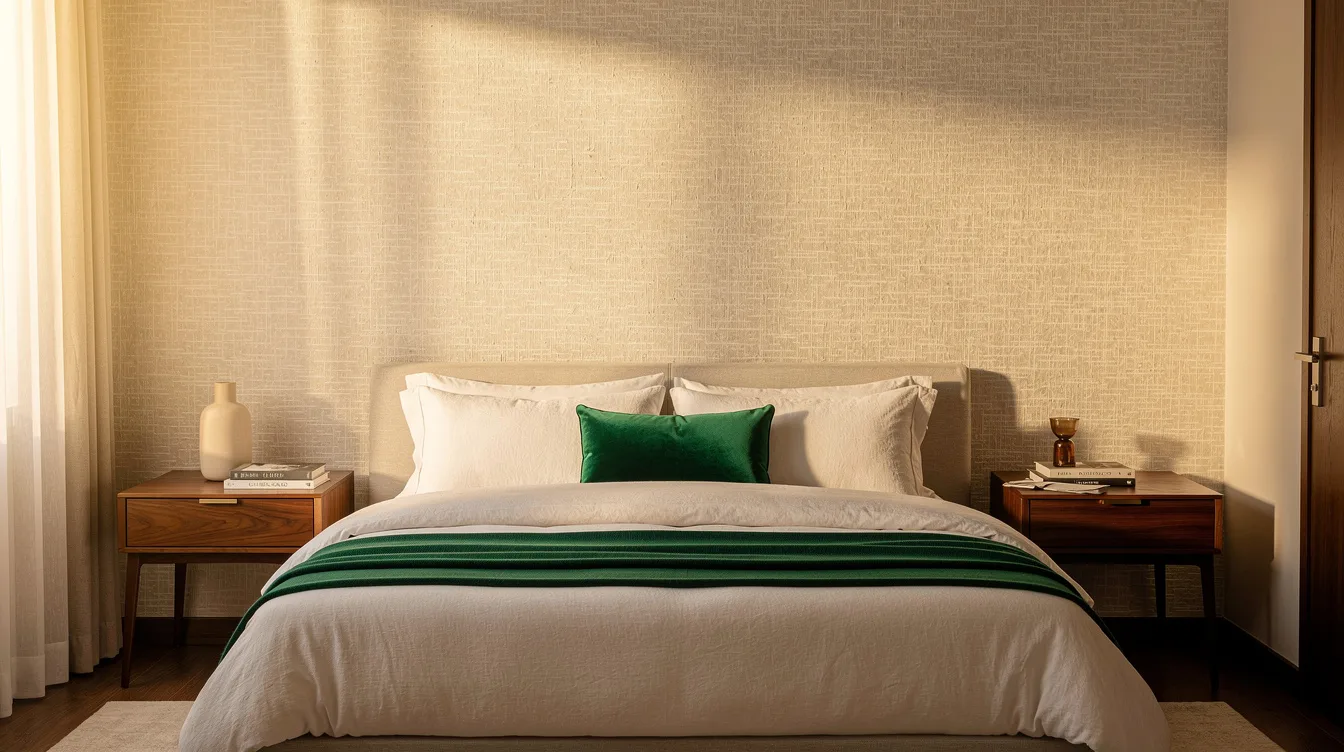
I wanted softness behind my 60-inch queen bed, not another flat painted wall that disappeared after sunset. The first sample I taped up showed why silk has stayed a luxury choice: its sheen changed from warm to cool as daylight moved across the room.
I also learned quickly that “silk” can mean several very different materials and budgets. A typical specialty installation can run about $4 to $10 per square foot, so the wall needs a firm plan before any roll is ordered.
Choose the Fiber Before the Pattern
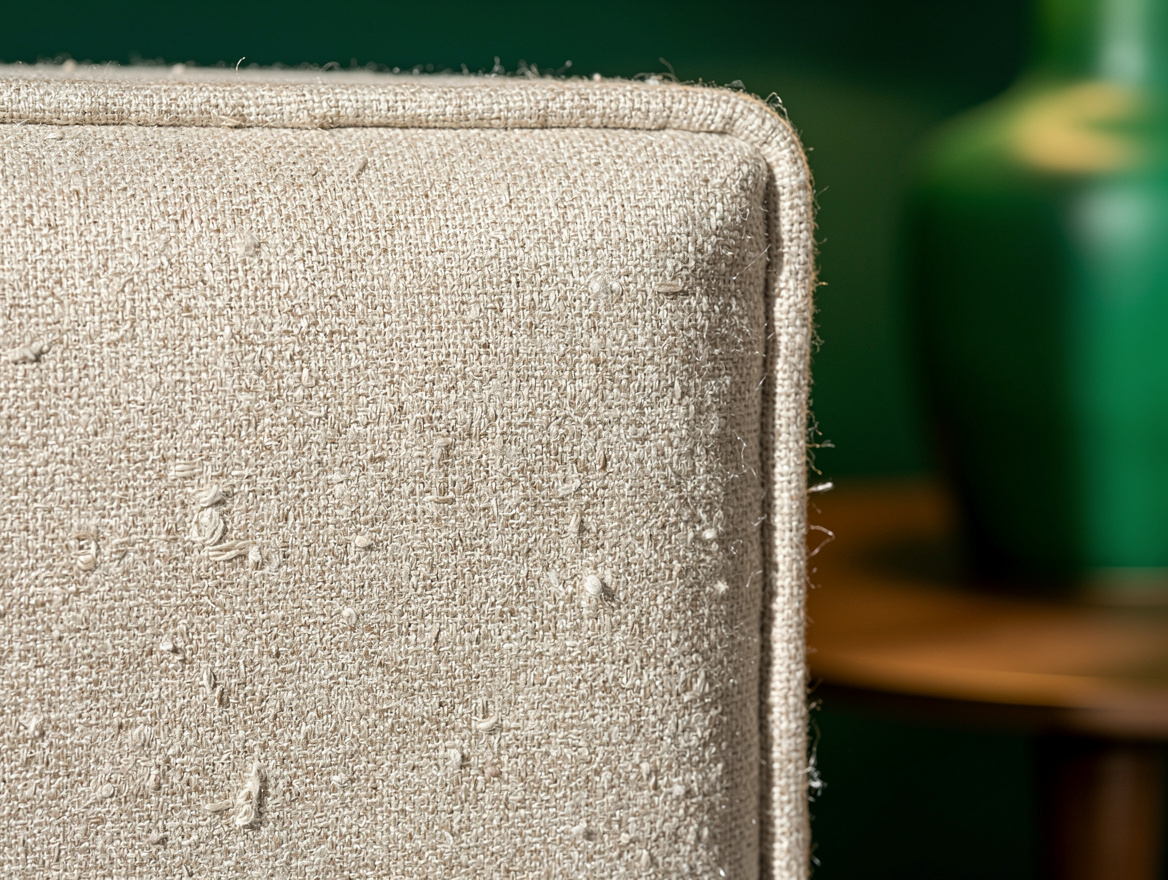
Start by deciding whether you want genuine silk wallpaper, a silk blend, or a synthetic silk-look finish. True silk has visible yarn variation and a soft, shifting glow that feels far richer than a printed imitation.
That irregular weave is the point, especially behind a bed where morning light can catch it. For a room that needs easier cleaning, polyester silk-look wallpaper gives a smoother surface and a lower-stress finish.
Reserve Silk for the Headboard Wall
I kept the material to one wall, directly behind the bed, and the room immediately felt calmer. A full room of silk wallcovering can look heavy, while an accent wall lets its texture read as intentional.
Paint the other walls in a matte cream, warm sand, or muted mushroom tone. The contrast lets the sheen do its work without turning the primary bedroom into a formal sitting room.
Measure for Waste, Not Just Coverage
A typical standard roll is about 21-inch-wide wallpaper by roughly 33 feet long, but silk patterns and hand-finished edges demand extra material. Measure the wall, then account for matching, cuts around outlets, and the width lost at each edge.
Wide natural-fiber blends may come in rolls around 36 inches wide, which can reduce seams but make installation less forgiving. I would never buy exactly the calculated coverage for a tactile wallcovering.
Spend Where the Light Can Find It
The best silk wall is the one that catches indirect daylight or the glow from bedside lamps. I placed a pair of shaded lamps near the bed, and the raw silk texture looked alive without becoming shiny.
Skip a harsh exposed bulb aimed straight at the wall. A dimmable warm bulb and a linen lampshade create the softer, layered light this material deserves.
Balance the Sheen With Matte Surfaces
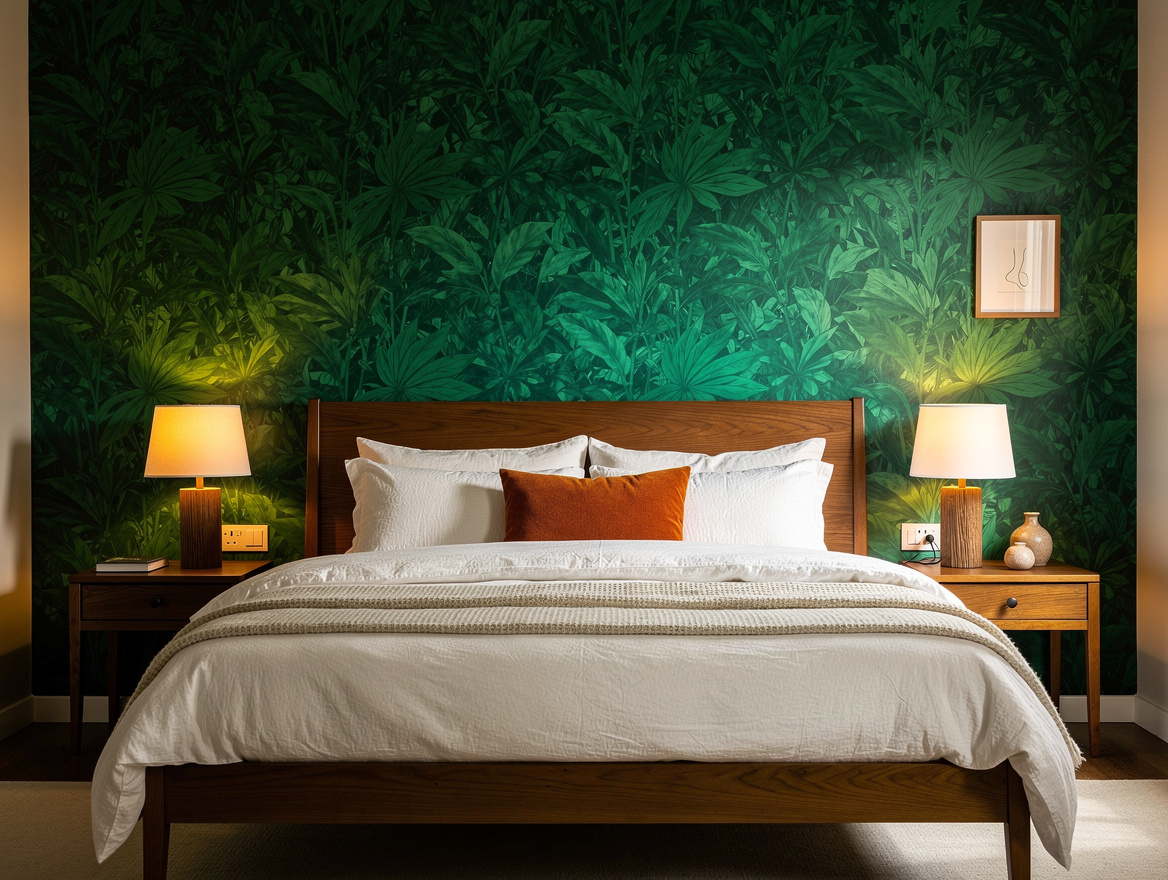
Silk needs visual breathing room. I paired it with a matte cotton duvet cover, wood nightstands, and one upholstered bench instead of adding mirrored furniture or glossy lacquer.
A chunky wool throw. A ceramic lamp base. One brass picture frame.
These grounded pieces keep the wall from feeling overly dressed up, especially with a botanical or chinoiserie-inspired pattern.
Price the Whole Wall Before Falling in Love
Silk-look rolls can sit near the lower end of a typical $60 to $400 per-roll specialty range, while genuine silk and custom mural work can climb dramatically. A custom silk mural may cost roughly $2,000 to $6,000 or more for one wall.
Compare material, adhesive, lining, labor, and the extra roll you may need for repairs. For accessible browsing, Home Depot, Lowe’s, Wayfair, and Amazon are useful places to compare silk-look options before committing to a specialty order.
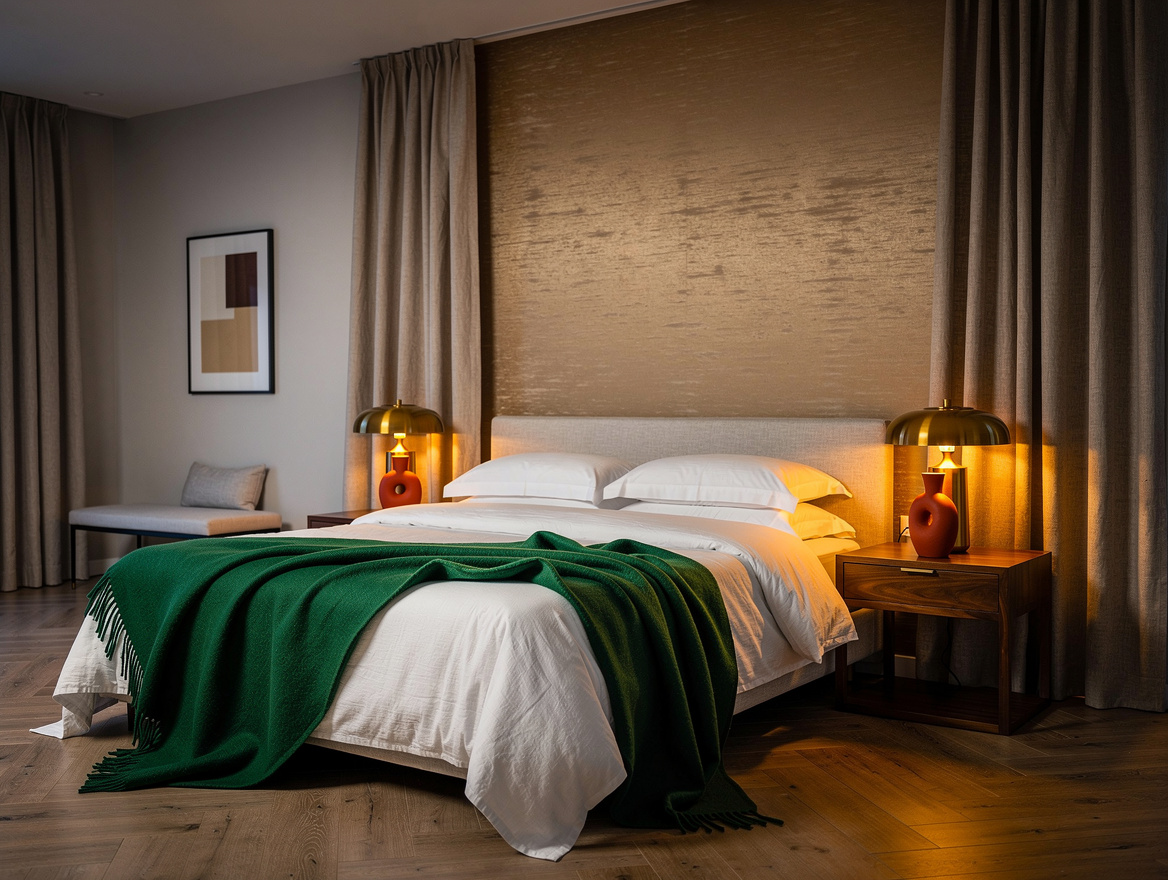
Begin with a large sample behind the headboard and watch it from breakfast through bedtime. If the texture still feels quiet and inviting under your real lighting, the wall is worth the investment.
Mia Carter writes about small-space living and budget home makeovers. She has restyled three rentals and tests most ideas in her own 45 sqm flat.