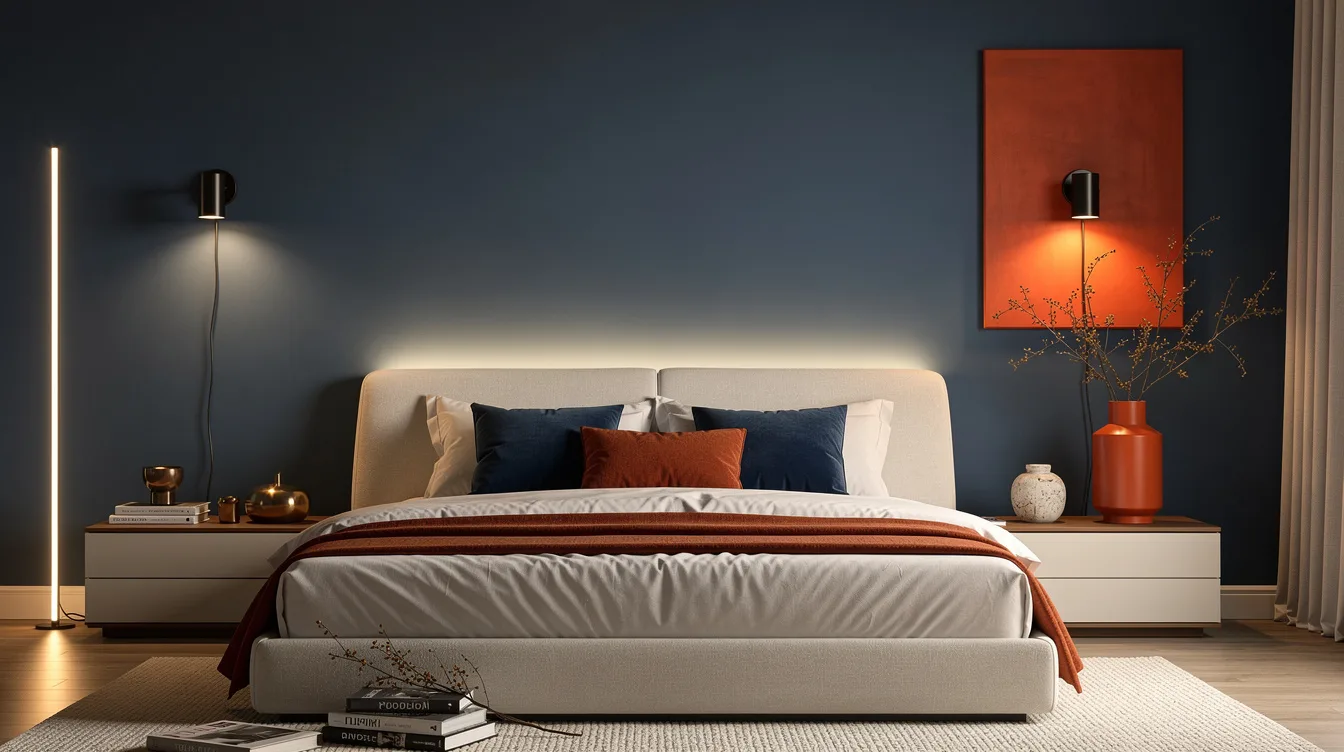
I used to switch on one floor lamp beside a 54-inch bed and wonder why the room still felt gloomy by 8 p.m. A ceiling fixture is convenient, but a plug-in plan with three heights of light gives a bedroom far more control.
Start with one indirect ambient source, two bedside task lights, and one low accent light. Warm 2700K bulbs make the room feel ready for rest, while roughly 3000K at the reading spot keeps book pages clear.
Bounce Ambient Light Into a Pale Corner
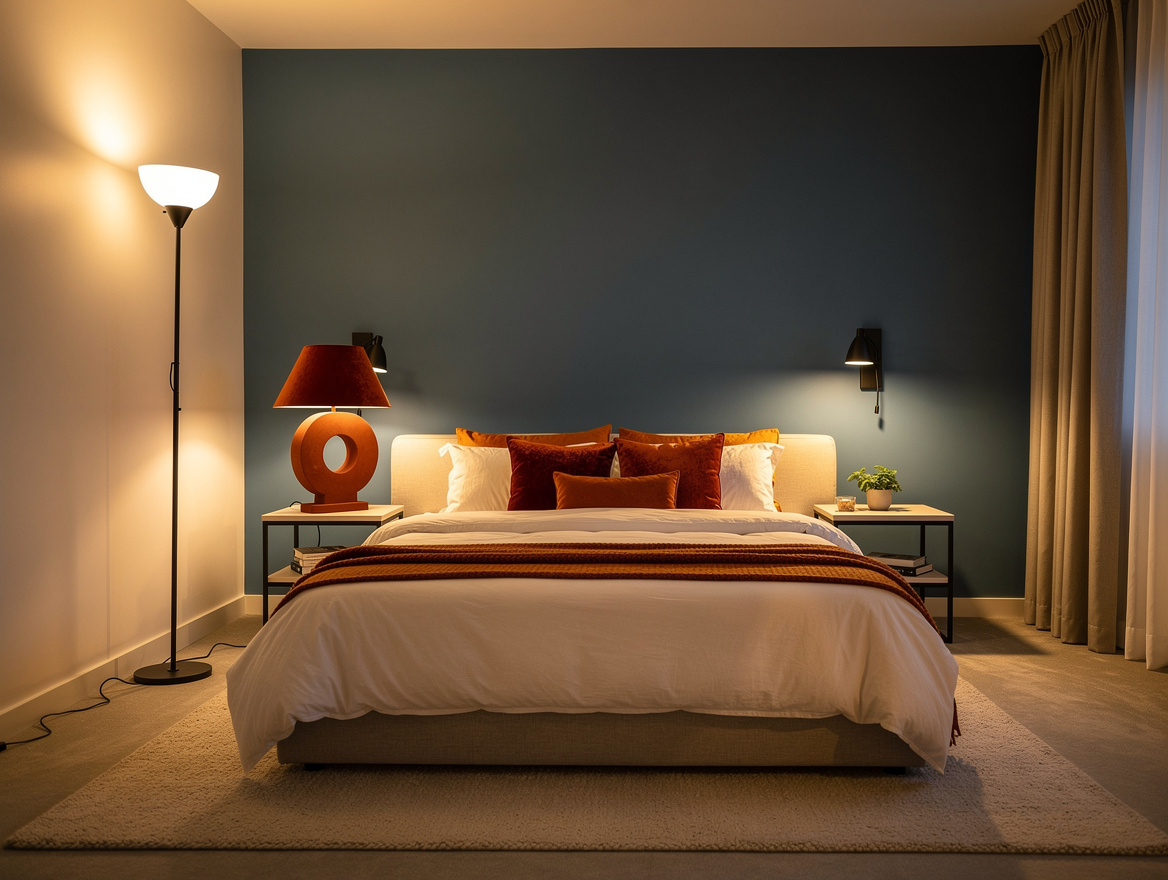
Put a tall IKEA PS 2026 Floor Uplighter in the darkest corner and point its adjustable head toward a pale wall or ceiling. It is about $49.99, stands 72 inches high, and has a narrow 11-inch base that fits beside a dresser without crowding the walkway.
Aiming light upward makes the room feel broadly lit instead of spotlighted. Plan for roughly 800 to 1,500 lumens total from the ambient layer, then dim it down once you are in bed.
One bright floor lamp in the middle of the room is a bad bargain: it flattens every surface and throws hard shadows around the bed. A bounced beam gives painted walls and curtains a softer edge.
Give Each Sleeper a Focused Reading Light
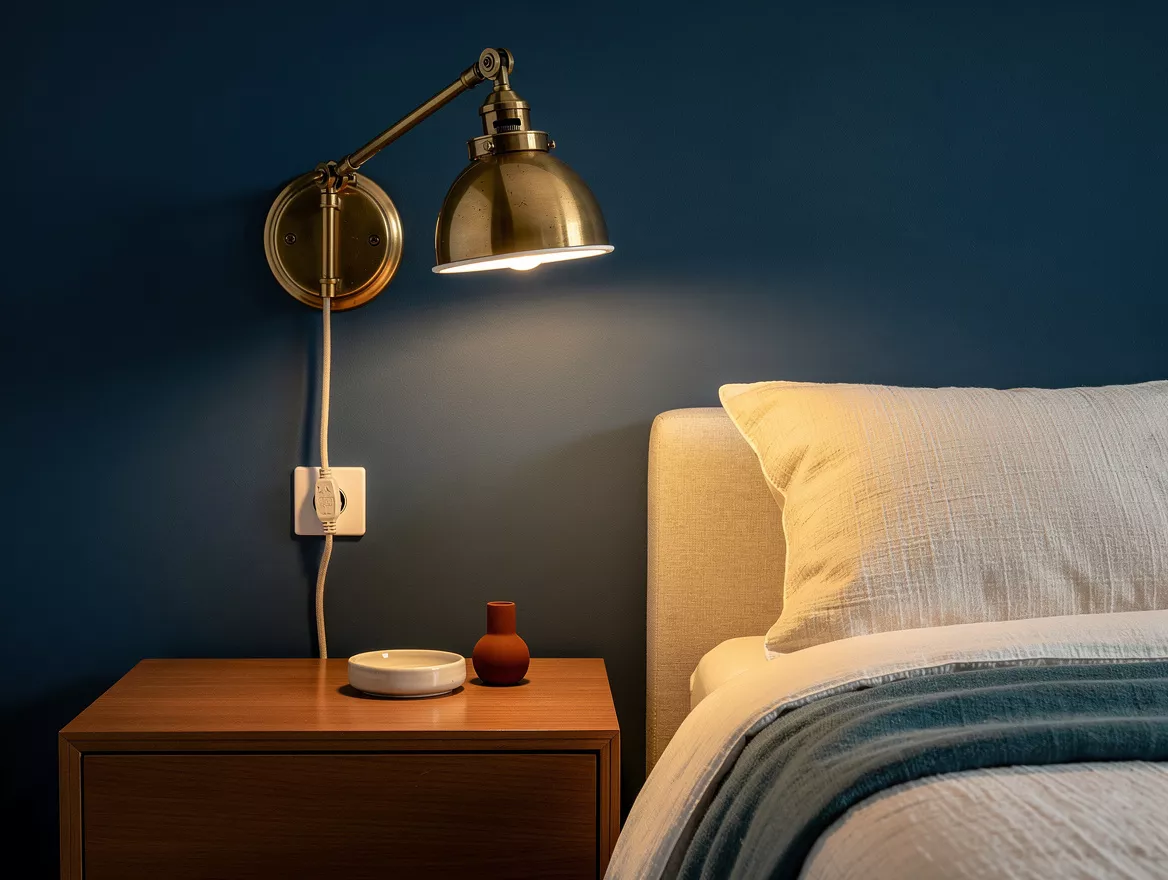
Install a plug-in black powder-coated steel swing-arm sconce on each side of the bed if both people read, scroll, or get up at different times. Typical plug-in swing-arm sconces cost about $35 to $100 each, and they free the nightstand for a water glass and a real book.
Choose a 10- to 16-inch projection so the fixture reaches past the pillow without becoming an elbow hazard. A deep 20-plus-inch arm usually looks clumsy in a compact bedroom.
Mount the fixture center roughly 36 to 48 inches above the mattress top, or keep the bulb about 20 to 28 inches above your seated reading height. A focused 300- to 600-lumen bulb per side is enough for reading without waking the whole room.
Choose Shades for the Job They Need to Do
A linen shade spreads a gentle glow across the wall and works well when the bedside light also sets the evening mood. It is my pick for a calm, soft bedroom with light wood or upholstered furniture.
Choose an opaque metal cone shade when the lamp is mainly for reading. Its directed beam keeps light off a sleeping partner and makes a paperback easier to see.
For a darker room with walnut furniture, antique brass-finish steel feels warmer than shiny chrome. Matte black is sharper and more graphic, especially against white paint and simple bedding.
Hang Plug-In Pendants Above Tiny Nightstands
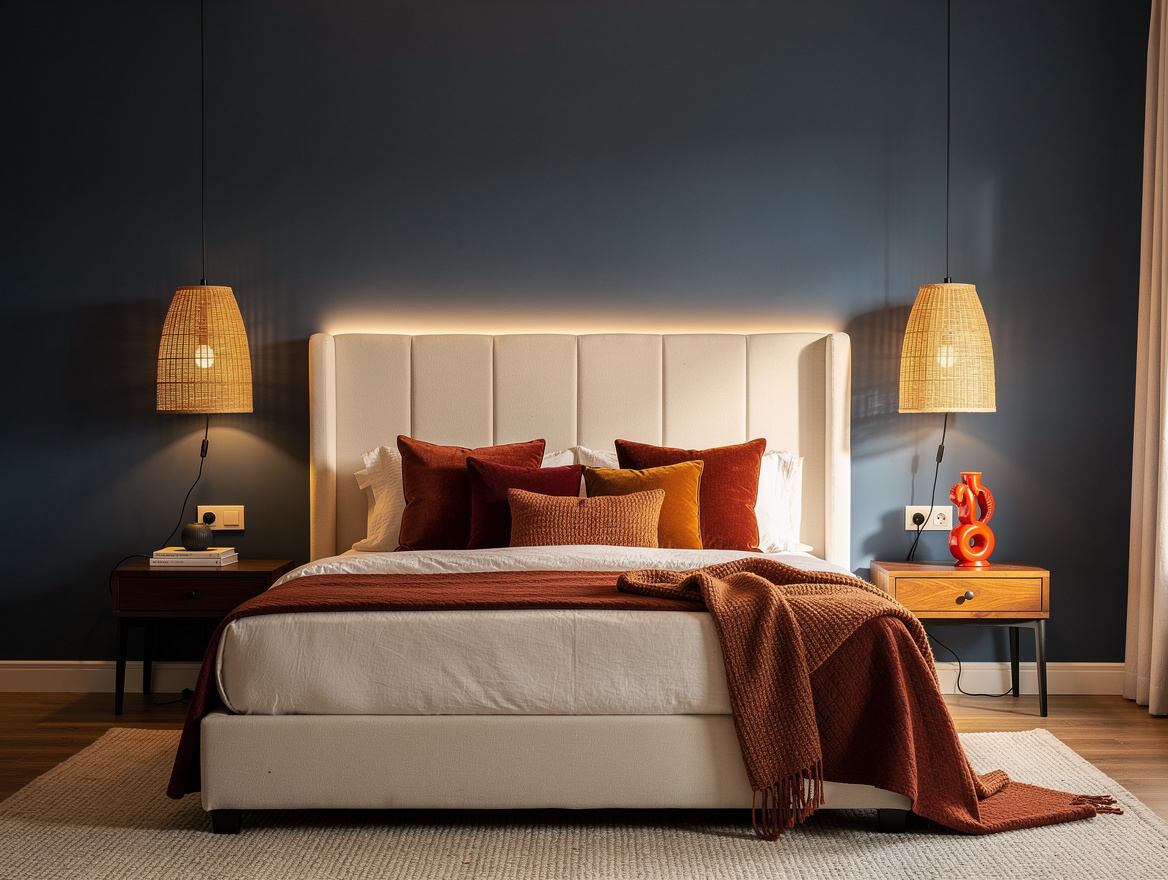
Trade table lamps for a pair of plug-in pendants when your nightstands are too narrow to hold one. A common setup uses a 12-inch fabric pendant shade, an E26 socket, an on-off switch, and about a 15-foot cord.
Keep the bottom of each shade roughly 18 to 24 inches above the nightstand surface, with the pair aligned to the bed rather than the room corners. The symmetry feels settled, even if the furniture around it is mismatched.
A rattan-and-metal pendant brings texture without adding another tabletop object, though its small shade gives a more decorative than powerful reading beam. Typical woven options run about $50 to $160 each, so reserve them for rooms that already have a separate focused task light.
Hide a Low Glow Along the Headboard
Run a dimmable LED strip behind the headboard or along the back edge of a floating nightstand for depth after dark. This layer should feel almost invisible during the day and give the bed a soft outline at night.
Keep accent light within roughly 50 to 250 lumens. More than that turns a subtle detail into a glowing billboard, especially behind a pale upholstered headboard.
Use warm-white light near the bed and hide the tape so individual diodes never show. The best result is a wash of light on the wall, not a visible technology project.
Light the Route to the Door at Floor Level
Add a small rechargeable portable lamp near the doorway, or use a low plug-in motion-sensor nightlight under the bed. It gives you a safe path for water or a midnight bathroom trip without forcing your eyes into full brightness.
This is the layer most bedrooms skip, and it is what makes the lighting feel intentional rather than merely sufficient. Keep it low, warm, and modest enough that it does not compete with the bedside lamps.
Finish cords with adhesive cable clips and a paintable cord cover. Exposed loops make even a thoughtful renter-friendly setup look temporary.
Buy the uplighter first, because it changes the room’s overall mood immediately. Then add matching bedside task lights before spending on decorative pendants or headboard LEDs.
Mia Carter writes about small-space living and budget home makeovers. She has restyled three rentals and tests most ideas in her own 45 sqm flat.