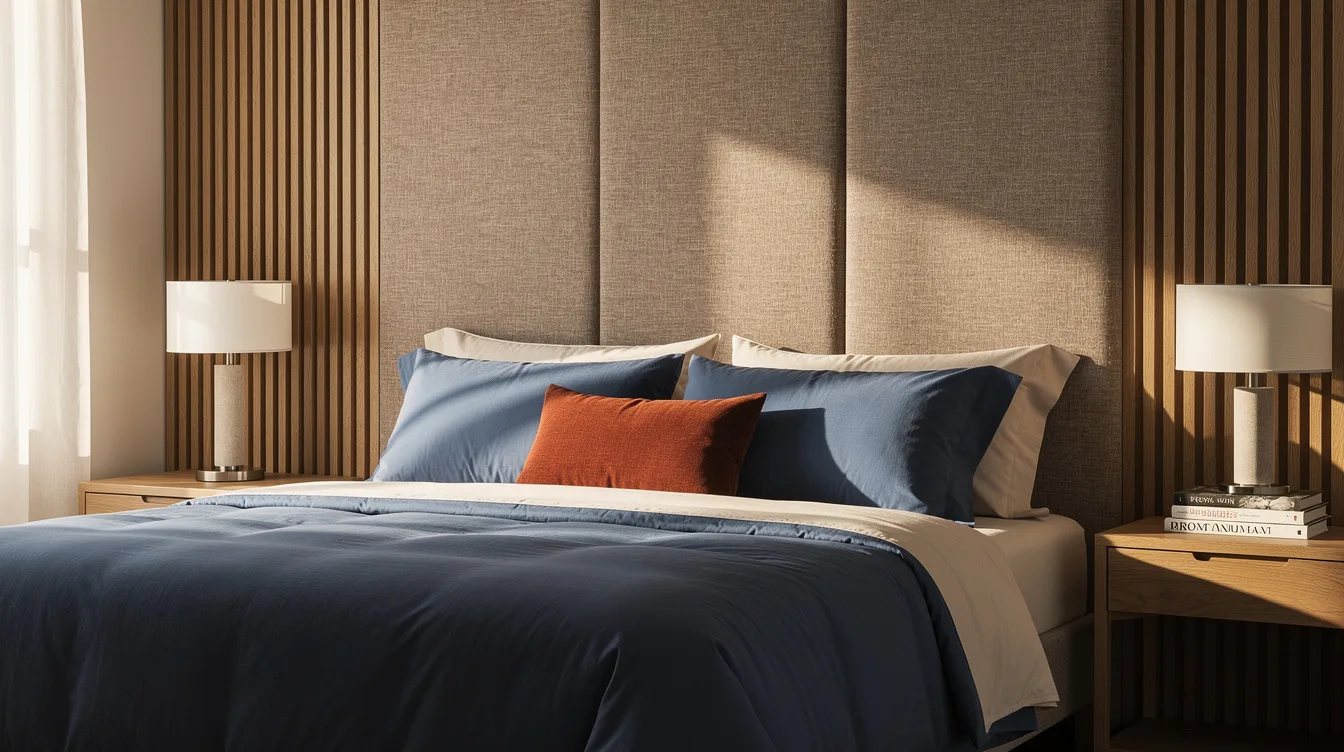
My bedroom wall was 104 inches wide, yet every ready-made headboard I tried left the bed looking stranded in the middle of it. Upholstered panels solved that scale problem, but only after I stopped treating them like decorative stickers.
I found the best results came from a measured layout, durable fabric, and a firm decision about where the padded surface should begin and end. A few inexpensive modular padded panels can work, while a custom installation needs a far more disciplined plan.
Map the Bed Wall Before Ordering Tiles
I started with painter’s tape, not fabric. A queen bed is typically 60 inches wide, and my first layout looked skimpy until the taped composition extended about 12 inches beyond each side of the mattress.
Amazon 12-by-12-inch upholstered tiles make sense when the wall is awkward, because you can build a tight grid around outlets, sconces, or a window return. I prefer fewer, larger blocks over a busy checkerboard, which can read like a playroom behind an adult bed.
Measure the visible wall after nightstands are in place, then decide where the panel edges should land. That small planning step keeps the pattern centered on the bed, not merely centered on the room.
Build a Full-Width Hotel Backdrop
The strongest result came from treating the bed wall as one broad plane. I ran the upholstered area from nightstand to nightstand, then kept the top line level instead of shaping it into a fussy arch.
A custom fabric-covered wall headboard can typically cost about $999 to $1,775 or more, depending on fabric, surface area, and installation. That sounds steep, but a continuous backdrop gives a standard bed the settled feeling of a boutique hotel room.
Choose this route when the room has clean architecture and you plan to stay put. For renters, modular panels from Wayfair are the more sensible commitment because individual pieces are easier to remove or replace.
Choose Texture That Holds Up Close
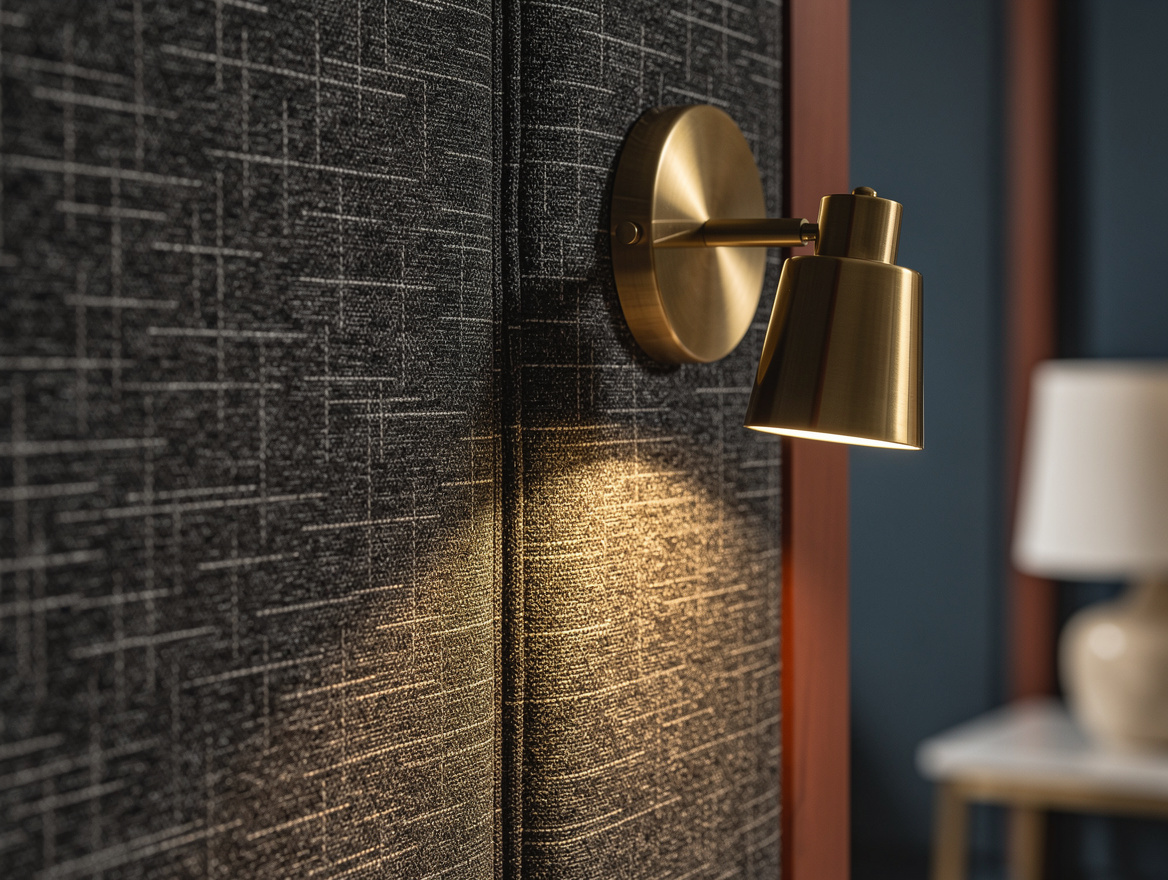
I wanted softness without a high-maintenance bedroom, so I skipped delicate-looking velvet. Woven polyester upholstery fabric has enough texture to catch morning light and is usually less stressful around pets, hair products, and late-night coffee.
For a darker room, charcoal upholstery panels create depth without demanding constant styling. Warm taupe works better in a bright room with oak furniture, while muted green can feel rich when the bedding stays mostly cream.
Keep the fabric finish consistent across every panel. Mixing a smooth synthetic with a nubby texture on the same wall looks accidental unless the contrast is repeated elsewhere in the room.
Add Wood Only Where It Earns Its Place
My favorite version used upholstery in the center and vertical wood at the outer edges. That framing gives the bed wall a clear boundary and prevents a large padded field from feeling too plush or too much like a recording studio.
Home Depot oak-toned slats bring needed grain beside a neutral fabric, especially with simple white bedding. Leave a narrow reveal between materials so each surface has a deliberate edge instead of looking like a patch job.
Don’t cover every inch with slats, mirrors, LEDs, and panels at once. The wall needs one dominant material, and upholstery should stay in charge when comfort is the point of the installation.
Set Lighting Before You Hang Anything
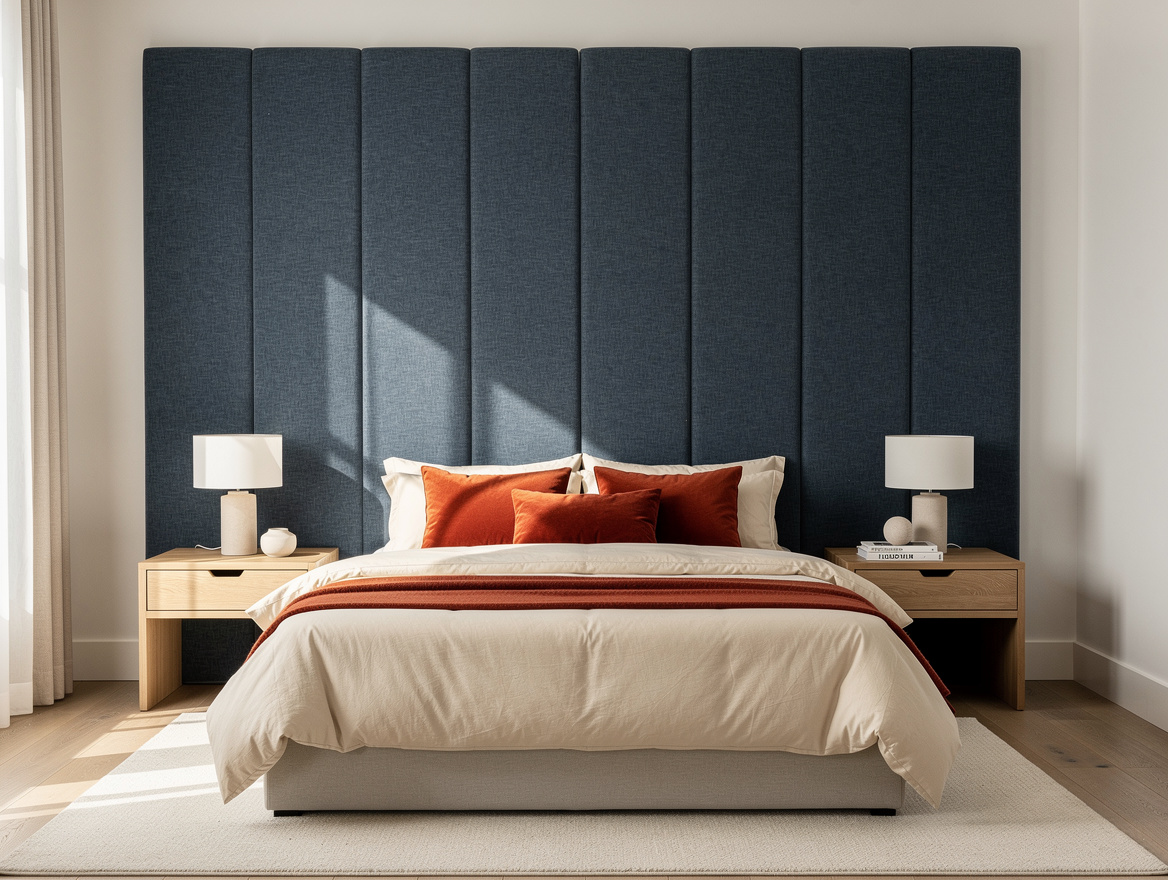
I nearly made the classic mistake of placing panels first and figuring out lighting later. Wall-mounted reading lights need a clear landing zone, and their cords, switches, and shadows are much easier to solve while the wall is still exposed.
A concealed Lowe’s warm-white LED strip can cast a soft glow above a panel run, but it should never become the room’s only bedside light. Use it as atmosphere, then keep real reading lamps within reach.
Check the thickness before installing hardware. Lighter panels are often around 3 centimeters thick, while more substantial upholstered systems are typically closer to 5 centimeters, enough to affect where a sconce base or outlet cover sits.
Stop Panels at a Useful Height
I learned that a full-height padded wall is not automatically more luxurious. Stopping panels roughly 48 to 60 inches above the floor often gives the bed enough presence while leaving breathing room for paint, wallpaper, or art above.
A Target linen-look wallpaper above a lower upholstered section can make the room feel finished for far less than wrapping the whole wall in custom work. The upper field also gives you a place to change color later without rebuilding the headboard.
For a king bed, test the height with a paper template before buying materials. A panel wall should rise above the pillows when the bed is made, otherwise the expensive texture disappears under the bedding.
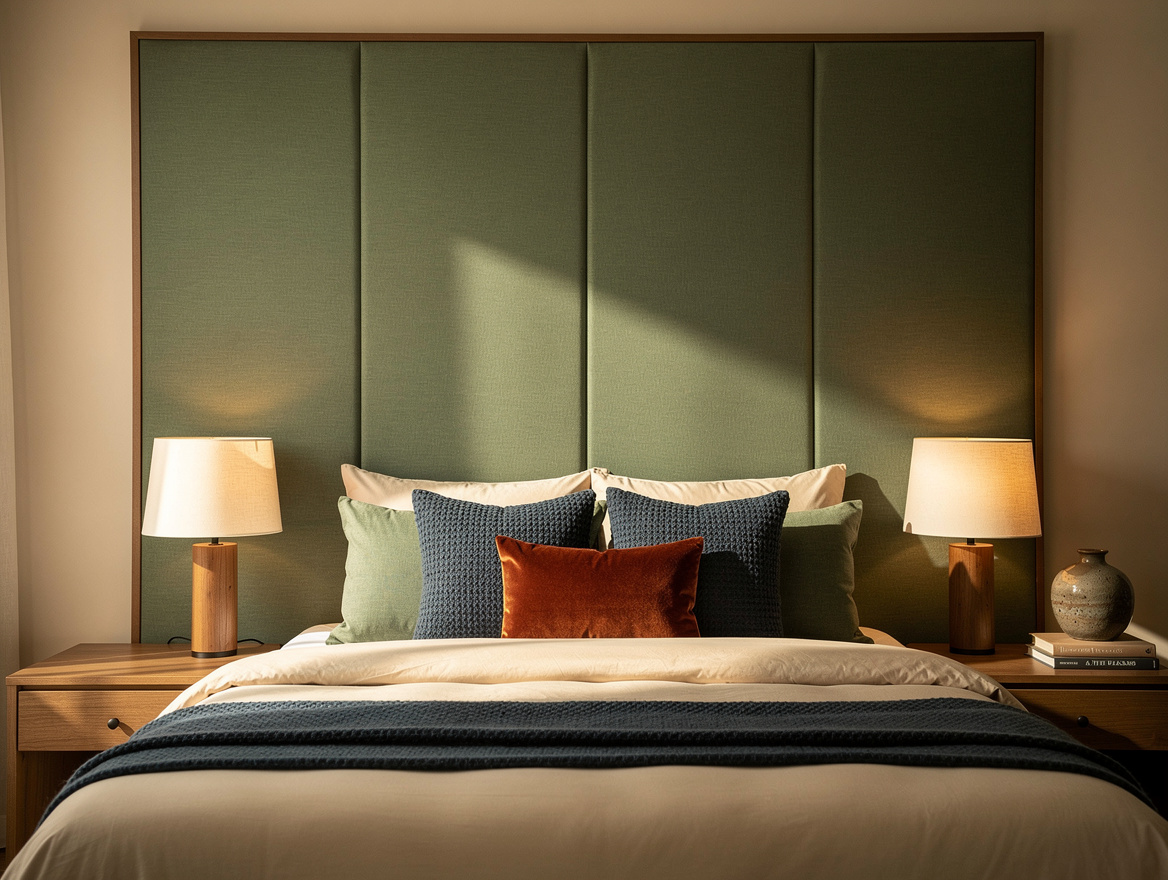
Start by taping a full-width outline behind your bed tonight. When that shape feels balanced from the doorway, you’ll know whether to buy flexible tiles or invest in a tailored wall treatment.
Mia Carter writes about small-space living and budget home makeovers. She has restyled three rentals and tests most ideas in her own 45 sqm flat.