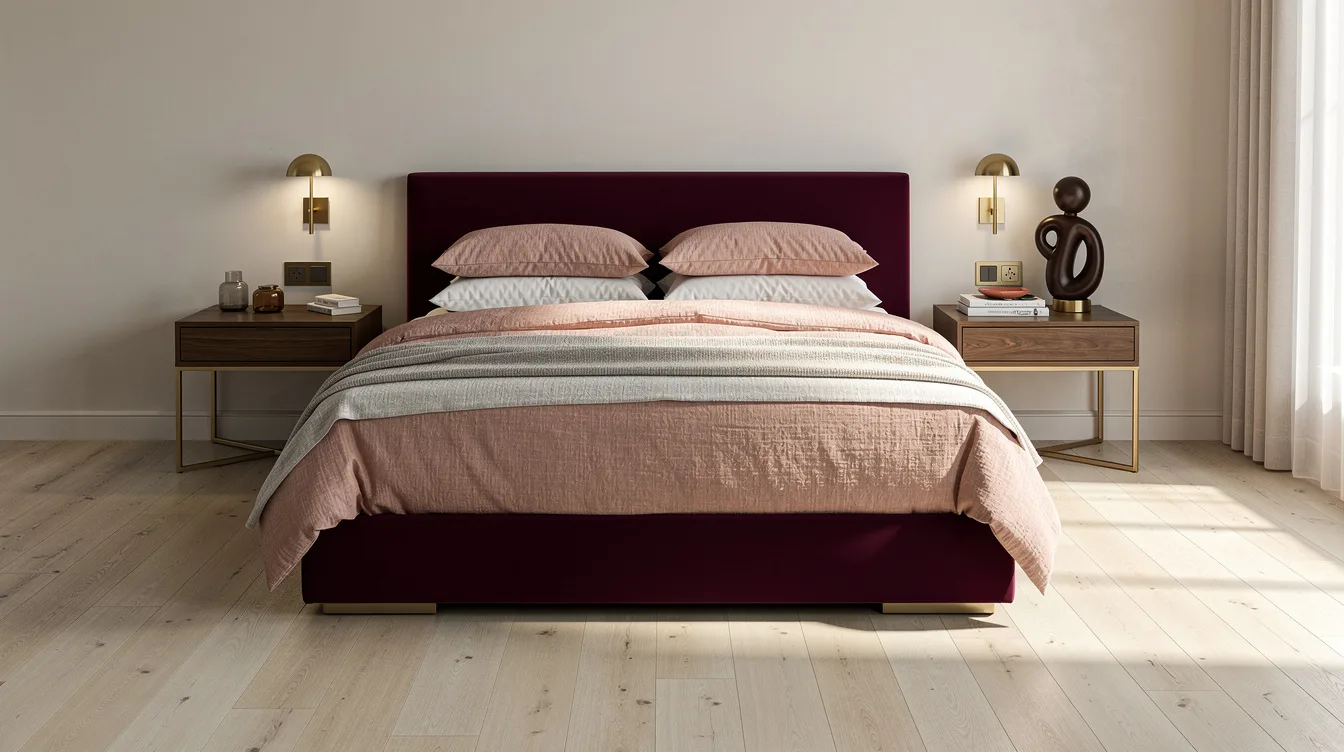
Making a bed should not require a sideways shuffle between a wall and a nightstand. In a refined bedroom, a roughly 160 by 200 cm mattress needs a room around 3.40 to 3.55 m wide and 3.85 to 4.00 m long once the real frame, bedside pieces, and circulation are counted.
I learned to distrust a floor plan that shows only the mattress rectangle. The difference between a merely functional room and one that feels calm is often a 75 cm walking passage on each side of the bed.
Float the Bed on a Clear Central Axis
Start with the bed as the room’s main island, centered on the most solid wall rather than pushed into a corner. A wood bed frame with a low profile keeps that floating effect believable, especially when the foot of the bed faces an uncluttered wall or window.
For a 160 by 200 cm mattress, allow roughly 75 to 80 cm on both accessible sides and around 90 cm at the foot. That means planning from the frame’s outside edge, since an IKEA MALM high bed frame in this mattress size is roughly 176 by 209 cm, not the size of the mattress alone.
Measure the Frame Before Buying a Mattress
The mattress size can make a layout look possible on paper, then fail the moment rails and a headboard arrive. An IKEA STJÄRNÖ bed frame in the 160 by 200 cm size is roughly 168 by 209 cm, a useful reminder that every frame changes the math.
Use the full outside dimensions, then draw the walking routes on the floor with painter’s tape. A roughly 60 cm passage works as a basic minimum, but it feels like a compromise when you are changing sheets or passing someone getting dressed.
Keep Nightstands Out of the Walking Route
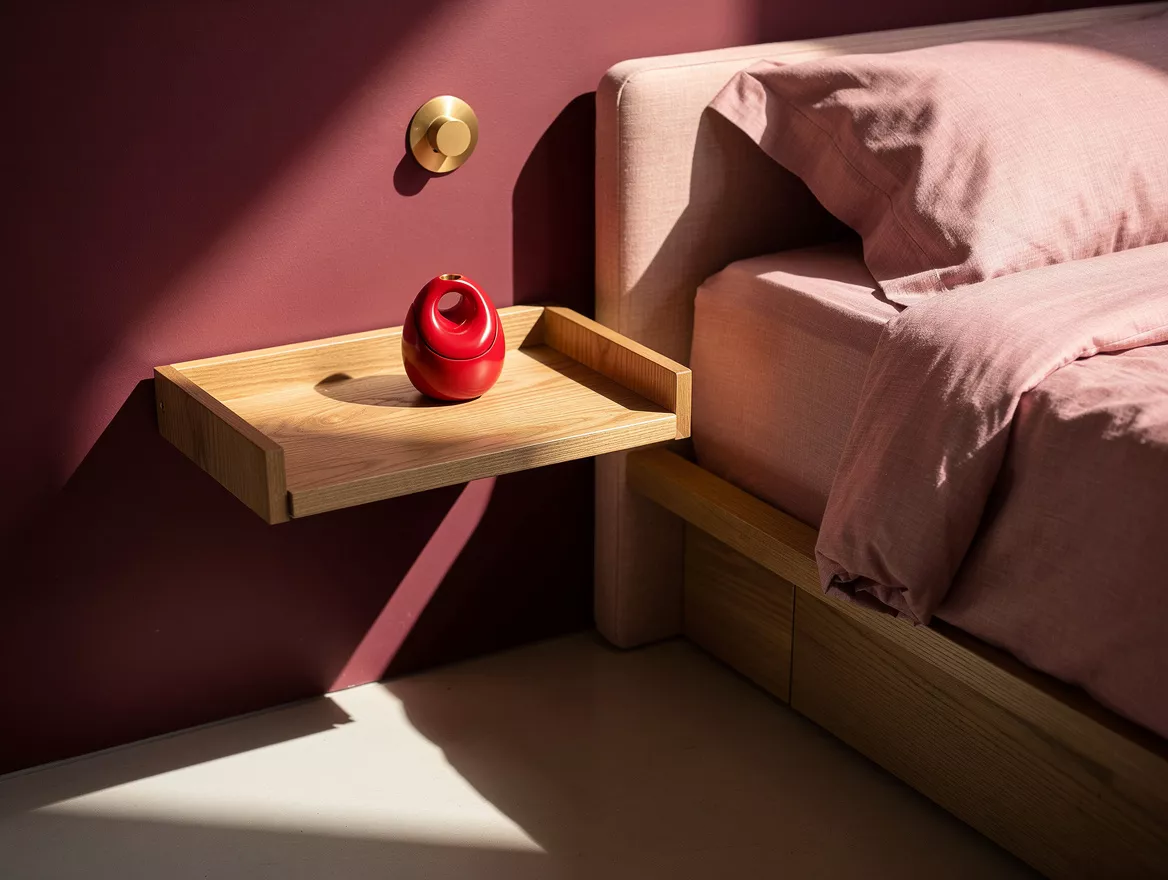
Nightstands should sit close enough to be useful, with roughly 5 to 10 cm between the bed frame and each table. Choose a shallow oak wall-mounted shelf or a compact table around 35 to 45 cm wide when the room is tight.
Match the top of each bedside surface to the mattress top, within roughly 5 cm, for a calmer line and easier reach. Oversized drawers beside a bed are where refined plans often go wrong, because they borrow space from the route your body actually uses.
Protect a Generous Foot Zone
The foot of the bed needs its own airspace, not a leftover strip between furniture. Aim for roughly 90 cm of clear floor beyond a linen-upholstered bed, which gives the room the composed pause people associate with a good hotel room.
A slim walnut bench can work there only when it still leaves roughly 75 to 90 cm for passage. Skip a bulky storage bench in a modest room, because its hidden compartments do not make up for having to turn sideways every morning.
Move Storage to a Separate Working Wall
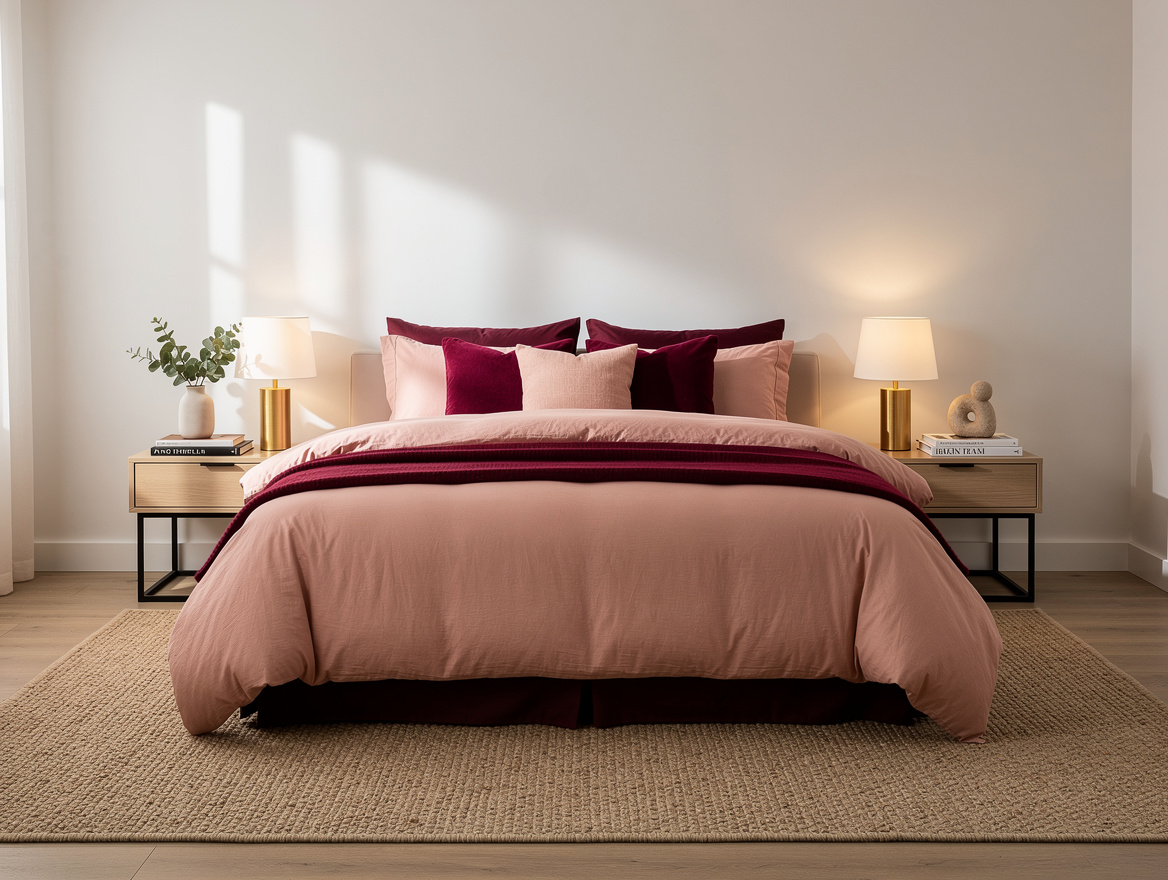
A bedroom can have open circulation around the bed and still hold serious storage, but the wardrobe needs a dedicated working zone. Leave roughly 90 cm in front of a sliding-door wardrobe or dresser so drawers and doors can open while a person stands there.
Place that storage on a side wall or near the entry instead of directly opposite the bed whenever the room is short. A shallow painted wood console across from the bed reads far lighter than a deep dresser pressing into the foot clearance.
Use One Quiet Seating Moment, Then Stop
In a room roughly 3.80 by 4.20 m or larger, a reading chair can make the open plan feel intentional rather than empty. Pick one bouclé accent chair with a small side table, and keep roughly 75 to 90 cm between it and the bed.
Smaller bedrooms rarely need a chair, a bench, and a vanity all competing for floor space. A cotton floor lamp, one framed print, and a clear path to the window create more comfort than an extra piece of furniture ever will.
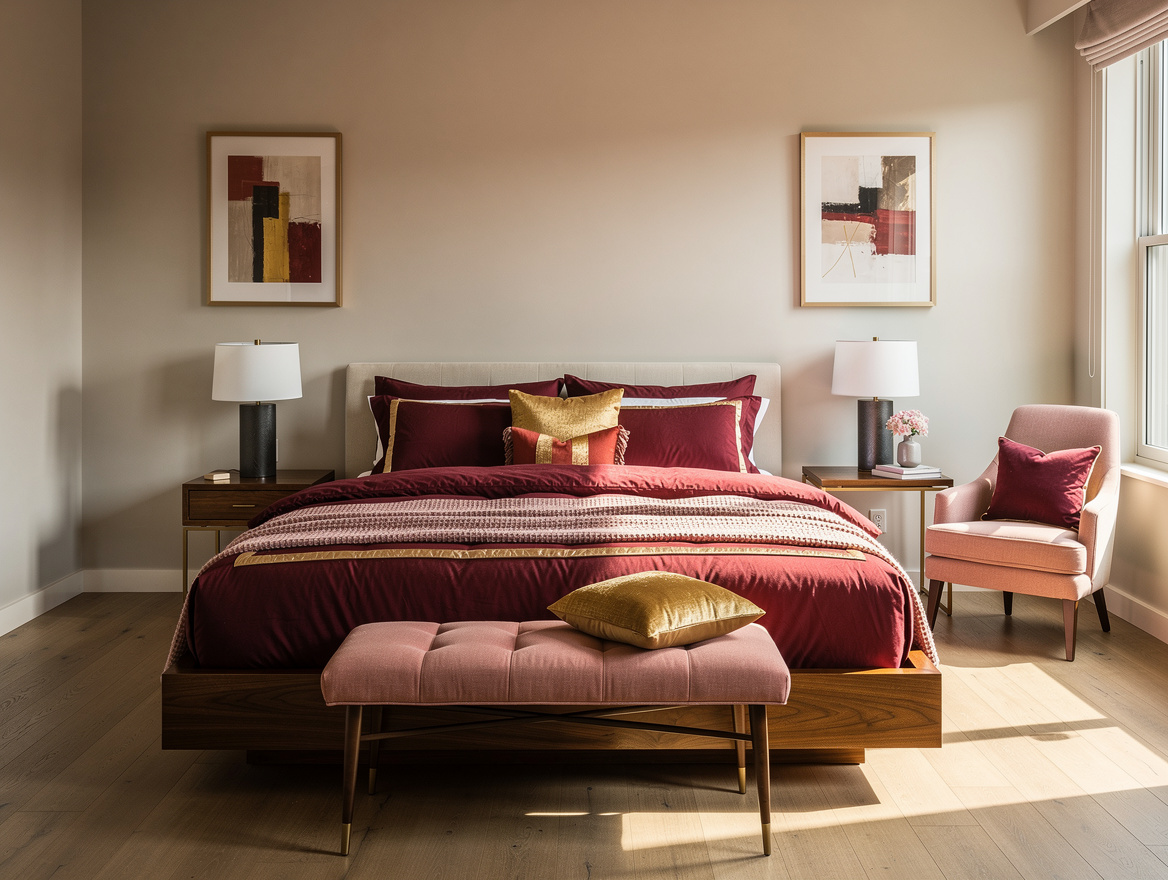
Begin by taping the full bed-frame footprint and a roughly 90 cm foot zone onto the floor before you shop. Protect those empty lanes first, then let the bedroom rug and smaller furnishings earn their place around them.
Mia Carter writes about small-space living and budget home makeovers. She has restyled three rentals and tests most ideas in her own 45 sqm flat.