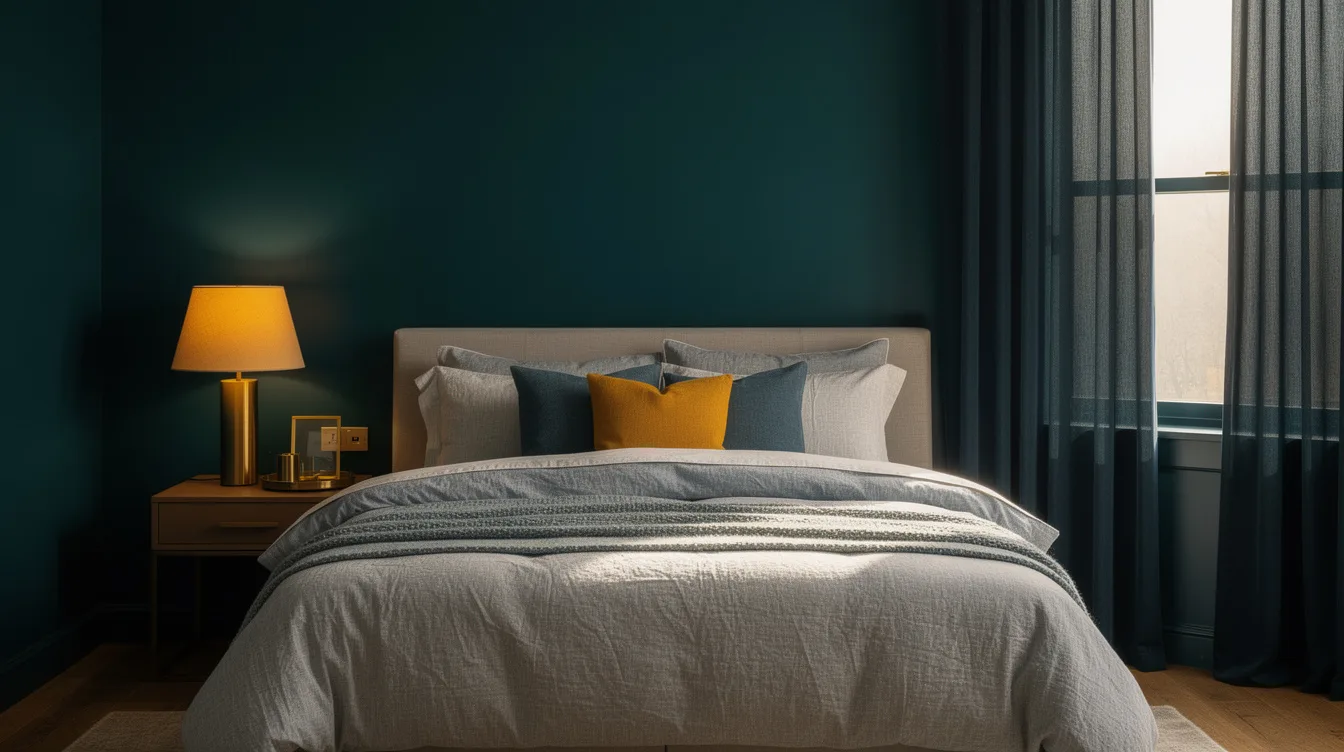
A queen mattress is about 60 inches wide, which can make a guest bedroom feel generous until the curtains, nightstands, and luggage begin competing for space. The real challenge is creating a room that feels private, easy to move through, and ready for a late arrival.
Blackout curtains set the mood, but their placement matters as much as their fabric. Pair them with breathable bedding, useful lighting, and storage that gives visitors room to settle in.
These six choices keep the room comfortable without turning it into a hotel replica.
Center the Room on the Queen Bed
A standard queen bed frame gives guests a comfortable landing spot while leaving enough floor space for circulation. Choose a low-profile silhouette in oak or painted wood so the bed feels substantial without dominating the room.
A typical IKEA queen bed frame costs around $200, depending on the design and materials. I prefer a simple frame with visible legs because it keeps the floor open and makes cleaning easier.
Finish the bed with a breathable linen duvet cover in ivory, oatmeal, or soft blue. Those shades photograph well, hide minor wrinkles, and make the room feel relaxed rather than staged.
Protect a Clear Walking Path
Arrange the bed so visitors can reach both sides without squeezing past a dresser. About 24 inches of clearance along each active side usually feels comfortable in a guest room, though the exact fit depends on the doorway and closet.
A narrow wool runner beside the bed adds warmth without stealing valuable floor space. Keep its edges away from the door swing, and skip thick shag if the room already has a tight layout.
Use a slim dresser across from the bed instead of a deep chest. A typical 18- to 20-inch depth leaves more breathing room and gives guests a surface for luggage, folded clothes, and a phone charger.
Mount Blackout Curtains Above the Window
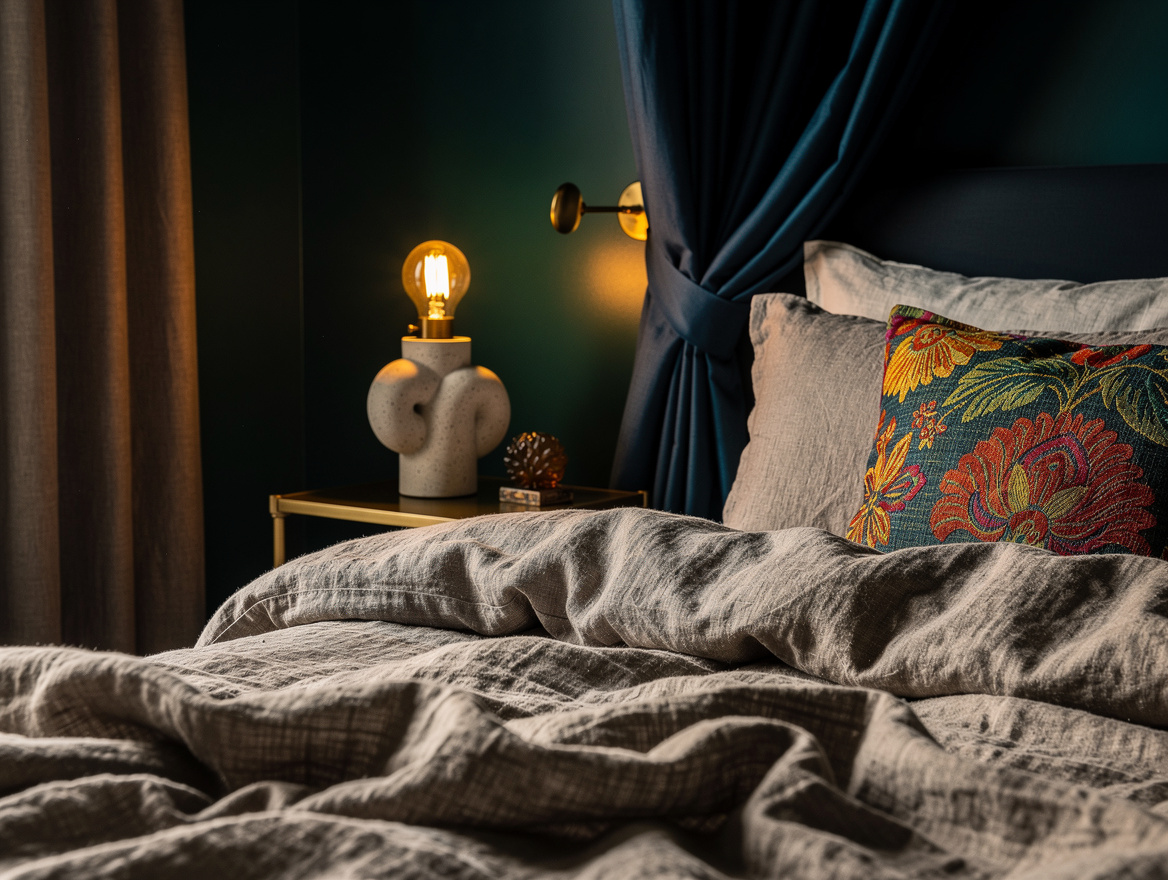
Blackout curtains work best when they cover more than the glass. Hang a Wayfair blackout panel several inches above the window frame and extend the rod beyond both sides so early light cannot leak around the edges.
A typical pair of blackout curtain panels costs around $35 to $70, depending on size and lining. Choose a fabric with enough weight to fall straight, since flimsy panels make even a well-designed room look temporary.
Use a brushed brass curtain rod if the room has warm wood or cream bedding. For a cooler palette, matte black gives the window a clean outline and pairs neatly with black picture frames or cabinet pulls.
Let the panels reach the floor, with a small break or a barely grazing hem. Curtains that stop above the baseboard make the room feel shorter and leave guests wondering whether the installation was rushed.
Give Each Sleeper a Useful Light
Guests should be able to read or find their water without crossing the room in the dark. Place a compact Amazon table lamp on each nightstand, or use one wall-mounted fixture on each side when the nightstands are narrow.
A typical bedside lamp costs about $25 to $60, and a fabric shade is worth the modest upgrade. It softens the bulb, reduces glare, and creates a calmer glow than a bare globe.
Choose a ceramic lamp base in a color already repeated in the room. Then use a warm white bulb around 2700K, which feels welcoming at night and still provides enough light for a book.
Keep the nightstand surface edited: a lamp, a water glass, and a small tray are enough. A crowded table forces guests to move your decor before they can settle in.
Layer Sheets for Real Comfort
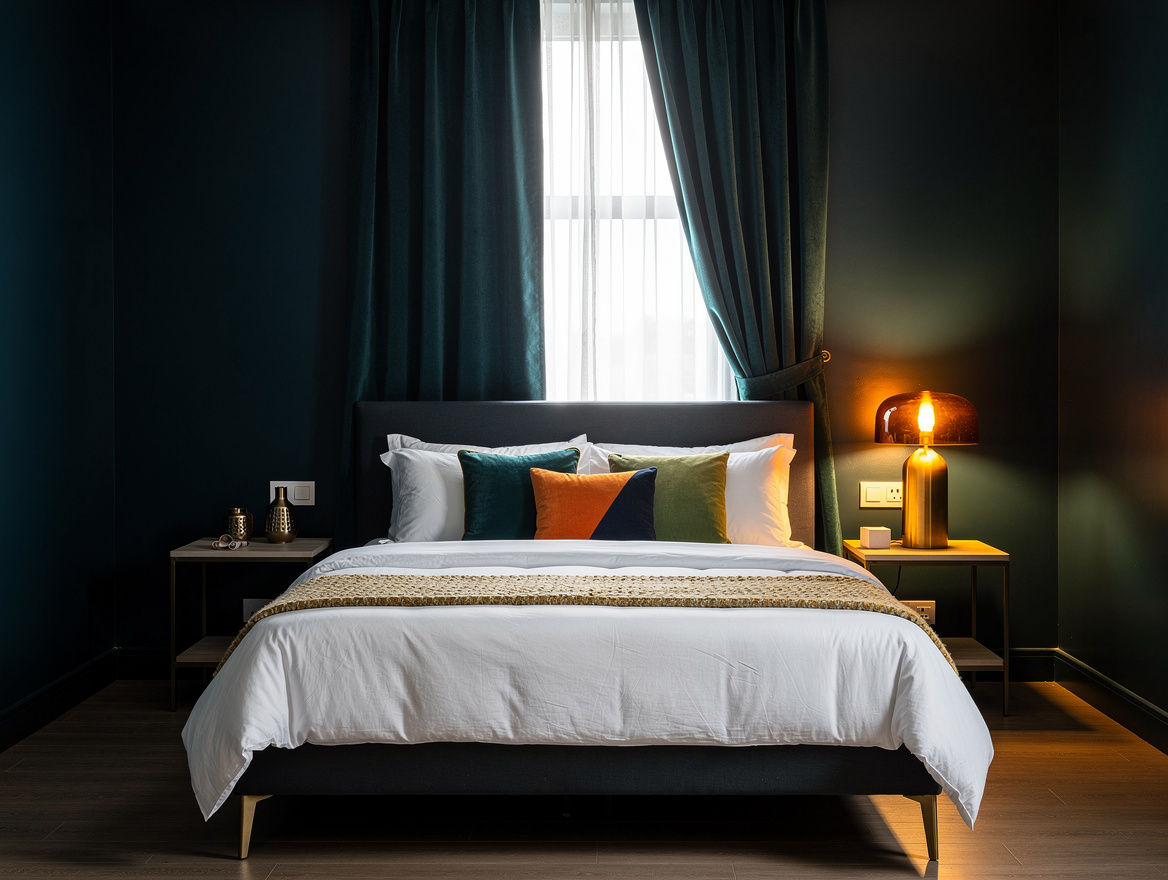
Start with cotton percale sheets for a crisp, breathable feel that works across seasons. A typical queen sheet set costs around $40 to $90, and white or pale gray makes laundering and replacement simple.
Add one medium-weight blanket between the sheet and duvet. That layer gives guests control over temperature and keeps the bed useful for warm sleepers as well as people who prefer more weight.
A folded velvet quilt at the foot of the bed supplies texture and an easy extra layer. Keep the pattern restrained, because busy bedding can compete with the curtains and make the small room feel visually crowded.
Store a spare blanket in the closet or a labeled basket rather than stacking too much on the mattress. Guests appreciate options, but they also need a bed that looks ready to use.
Add Color Through Practical Storage
Paint is the easiest way to give the room a point of view. A muted soft blue wall works especially well with blackout curtains because it feels restful in daylight and remains gentle under warm lamps.
Keep the ceiling and trim light if the room is compact. The contrast around the window helps the curtains look intentional, while a fully dark room can make a queen bed feel oversized.
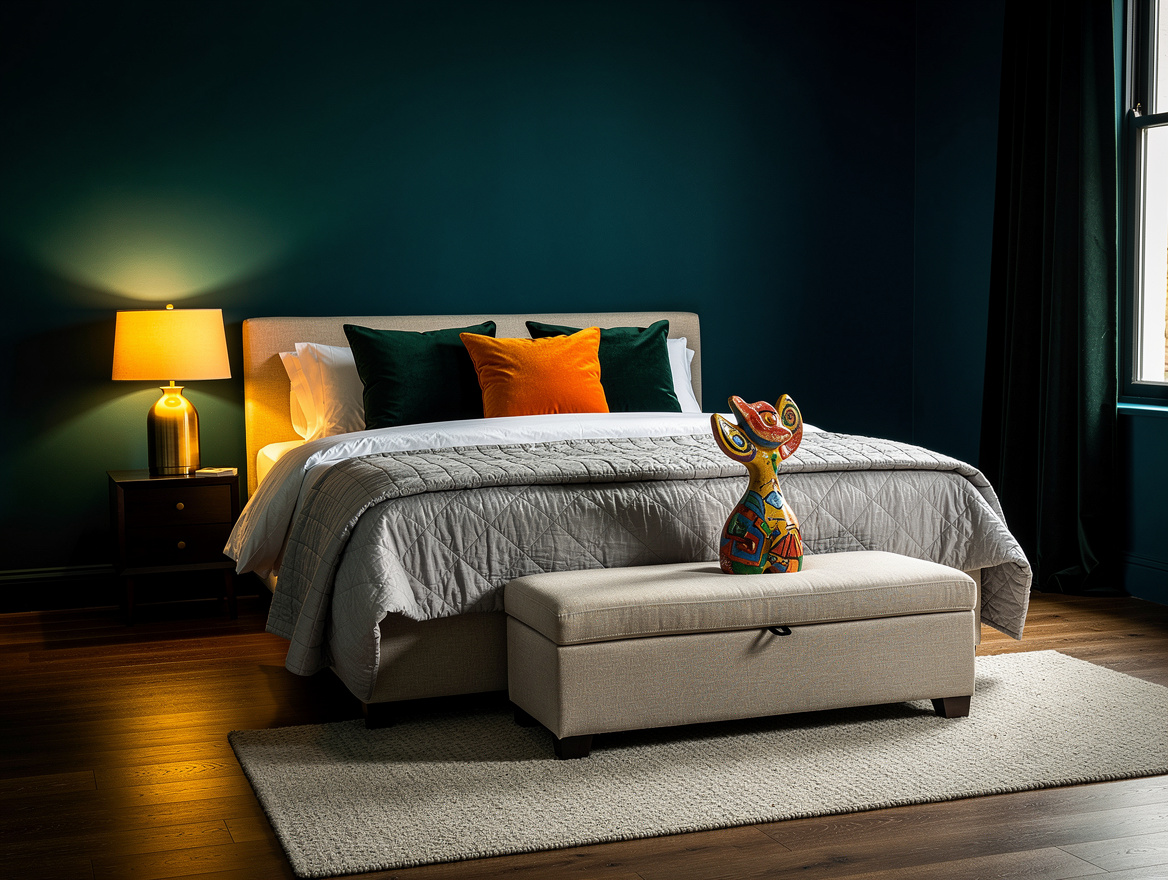
Place a Walmart storage bench at the foot of the bed only if the walkway remains generous. A typical upholstered bench costs around $60 to $150 and gives guests a place to sit while putting on shoes.
For smaller items, use one rattan basket for extra towels or blankets. One clearly assigned container is more useful than several decorative bins with no obvious purpose.
Begin with the curtain rod and bed placement, then build the lighting and bedding around that layout. When guests can sleep late, reach a lamp, and unpack without moving your furniture, the room is doing its job.
Mia Carter writes about small-space living and budget home makeovers. She has restyled three rentals and tests most ideas in her own 45 sqm flat.