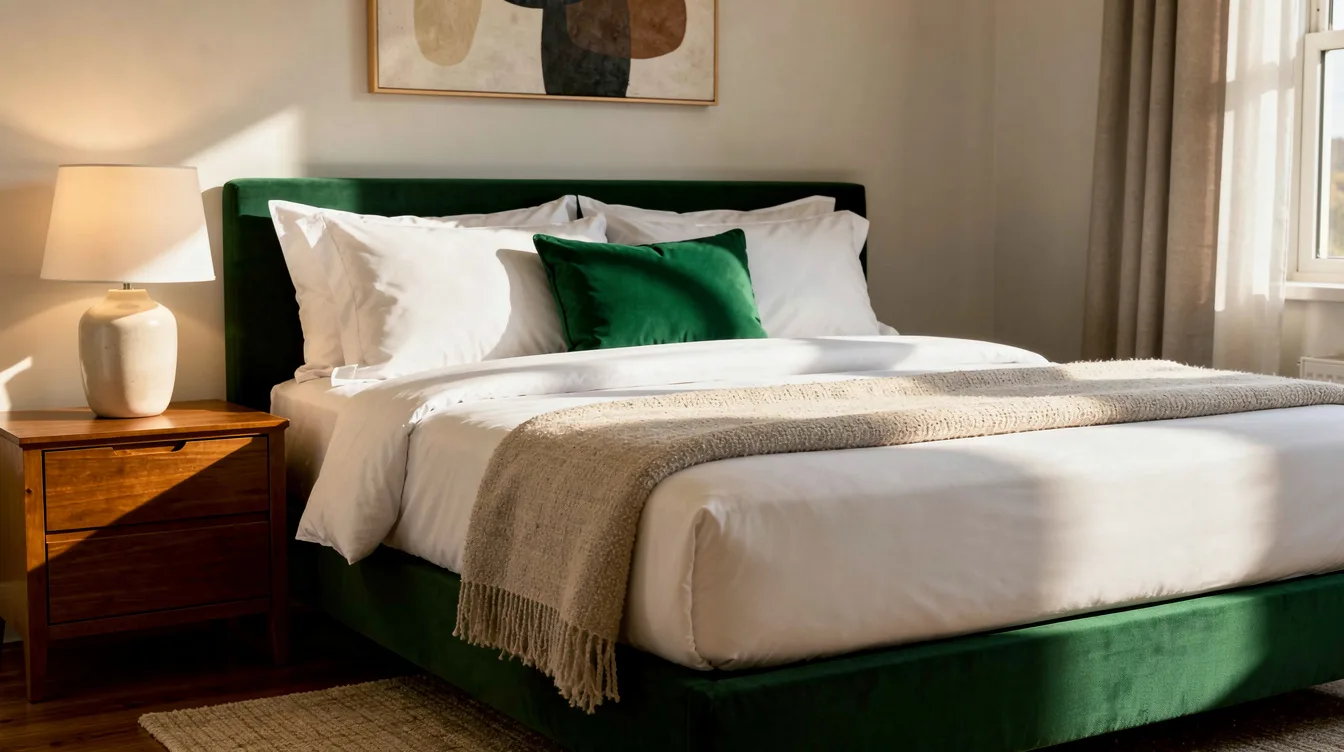
A guest bed can look fully made and still feel like a compromise at 2 a.m. A 3-inch mattress topper gives most guest rooms the comfort shift people actually notice, without turning the bed into a towering pile of bedding.
I like a room that signals care before anyone pulls back the covers. The goal is a bed with enough softness for an overnight stay and enough structure to look composed every day.
Start With the Right Depth
Choose a 3-inch gel memory foam topper for the broadest range of guests. It softens a firm mattress, cushions shoulders, and keeps the finished bed at a manageable height.
A 4-inch model suits a thin platform mattress or a notably hard sofa-bed surface, but it brings more heat and movement. Typical Queen prices run about $100 to $400 for a 3-inch topper, so this is where the room earns its comfort budget.
Measure the Finished Bed First
Measure from the base mattress through the deep mattress topper before buying sheets. A standard fitted sheet can pull loose at the corners after one restless night, which instantly makes a guest room feel underprepared.
Look for extra-deep pockets and a generous elastic edge at Target or Amazon. White percale is my strong preference here because it looks crisp, breathes well, and makes a thick sleep surface feel deliberate.
Wrap the Foam in a Quilted Layer
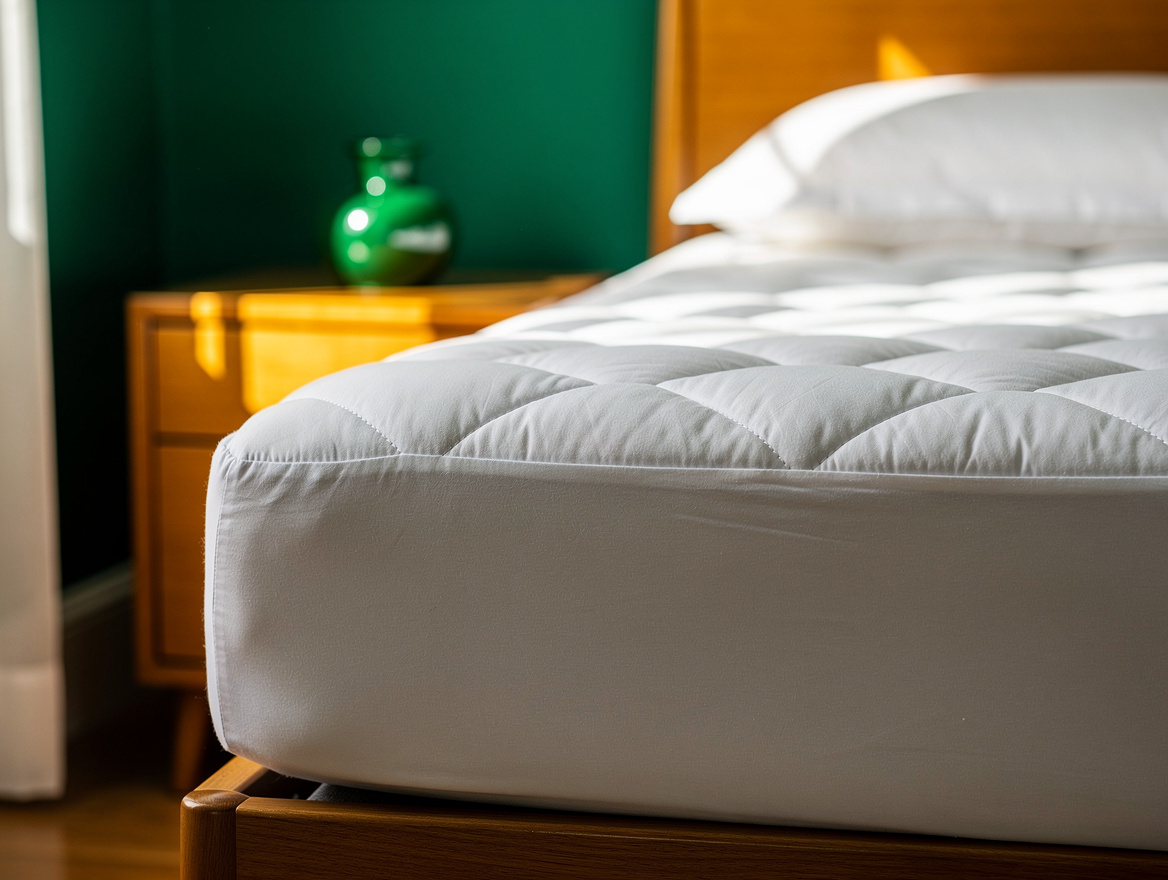
A white quilted encasement hides the unmistakable outline of foam and gives the bed a more tailored profile. It also creates a clean barrier between guests and the topper, which matters in a room used by different visitors.
Skip shiny microfiber covers that catch the light like plastic. A cotton-blend protector from Walmart or Costco has a quieter, hotel-adjacent finish and is easier to wash between stays.
Build a Cooler Sleep Surface
Memory foam can sleep warm, especially under heavy bedding. Choose a ventilated Novaform ComfortLuxe Plus topper with gel foam when you want the supportive, cushioned feel without trapping quite as much warmth.
For a guest who dislikes the slow sink of foam, latex feels springier and generally cooler. A lighter cotton blanket lets visitors adjust their own warmth, which is far more useful than guessing their ideal duvet weight.
Give the Bed a Grounded Footboard Moment
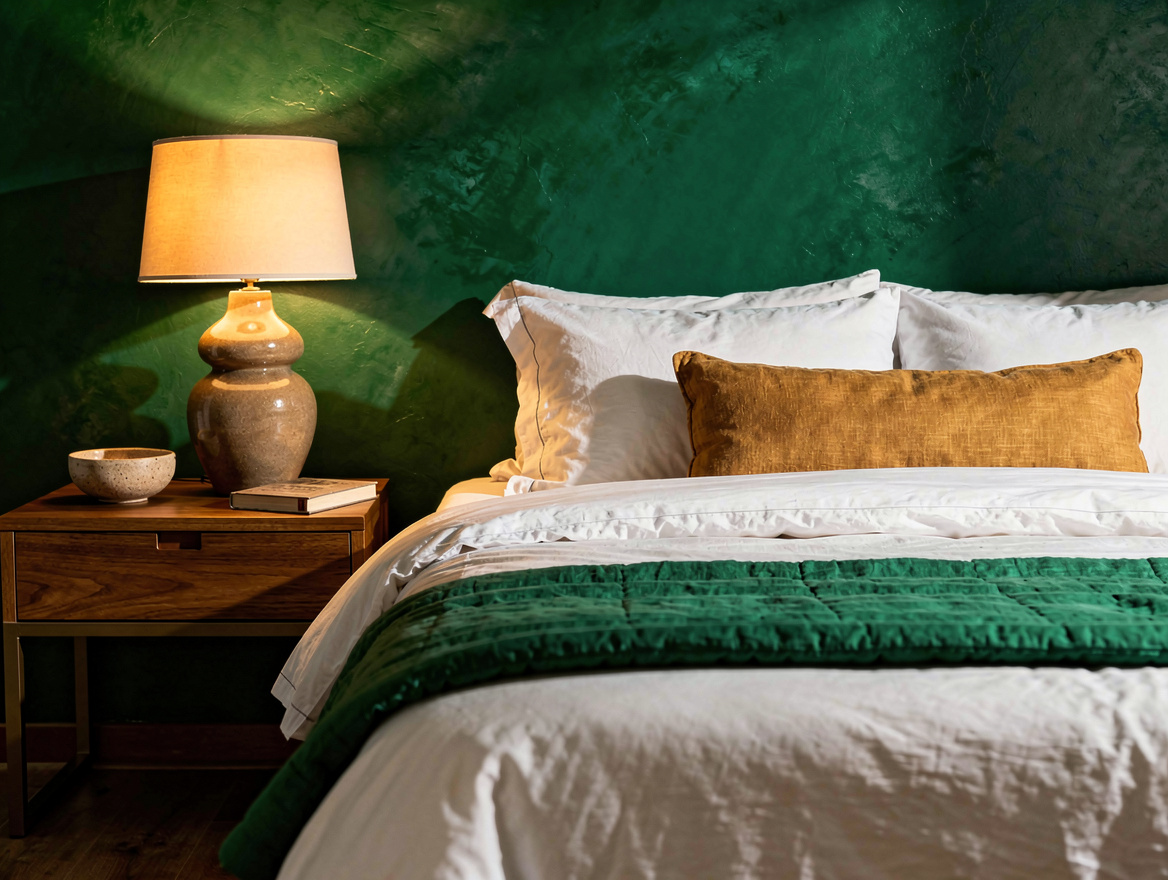
A thick topper makes a bed look best when the lower half has visual weight. Fold a cotton blanket across the foot, then add one substantial lumbar pillow instead of a fussy row of decorative cushions.
A washed linen quilt from Wayfair or IKEA adds texture without burying the bed. Keep the palette quiet: ivory, soft clay, faded blue, or warm gray all make the extra loft feel calm rather than inflated.
Make the Nightstand Do Useful Work
Comfort does not end at the mattress. Place a ceramic bedside lamp, a charging cable, and a small carafe within reach so guests never have to search the room after the lights are off.
A wood tray keeps those pieces from looking scattered and gives the bedside surface a finished purpose. Leave one drawer or basket empty for a phone, glasses, or medication, because a guest room should absorb real life gracefully.
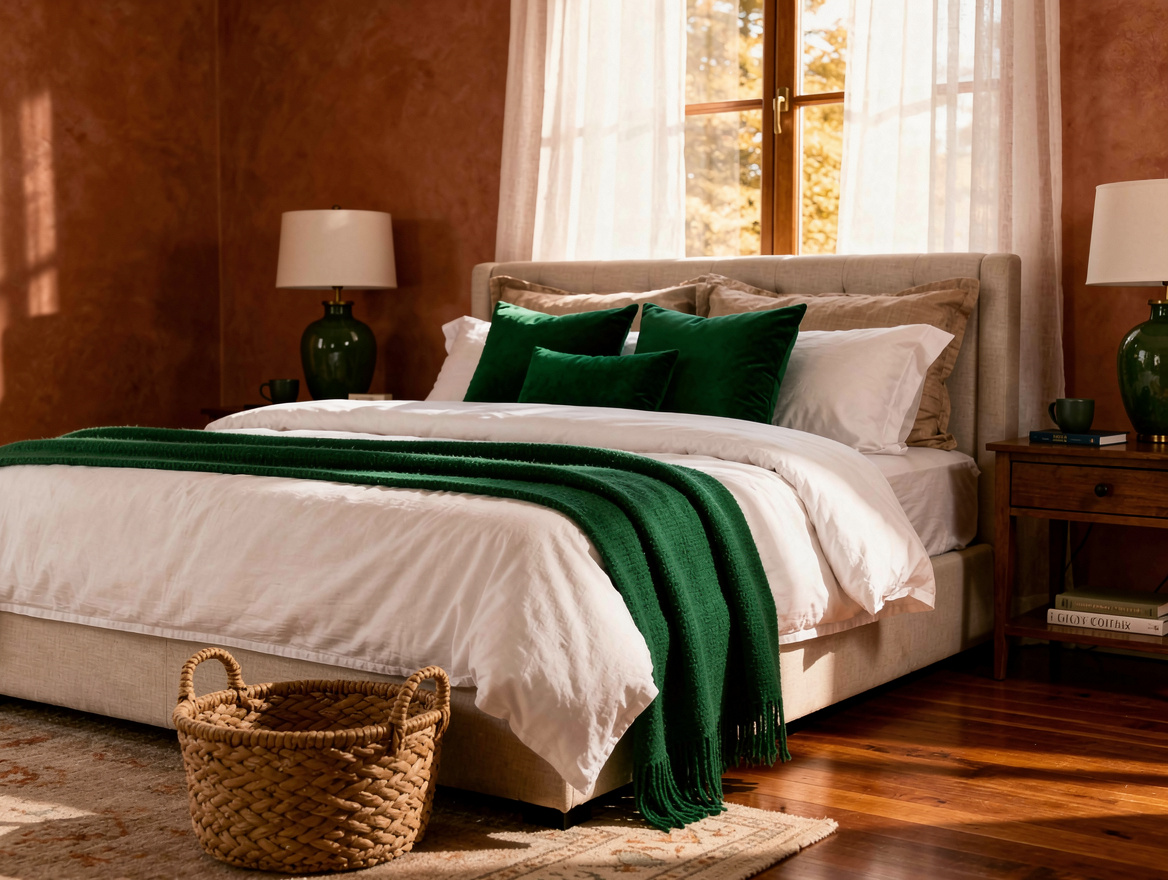
Buy the extra-deep fitted sheets at the same time as the topper. That single pairing is what keeps your most comfortable guest-bed upgrade from looking accidental.
Mia Carter writes about small-space living and budget home makeovers. She has restyled three rentals and tests most ideas in her own 45 sqm flat.