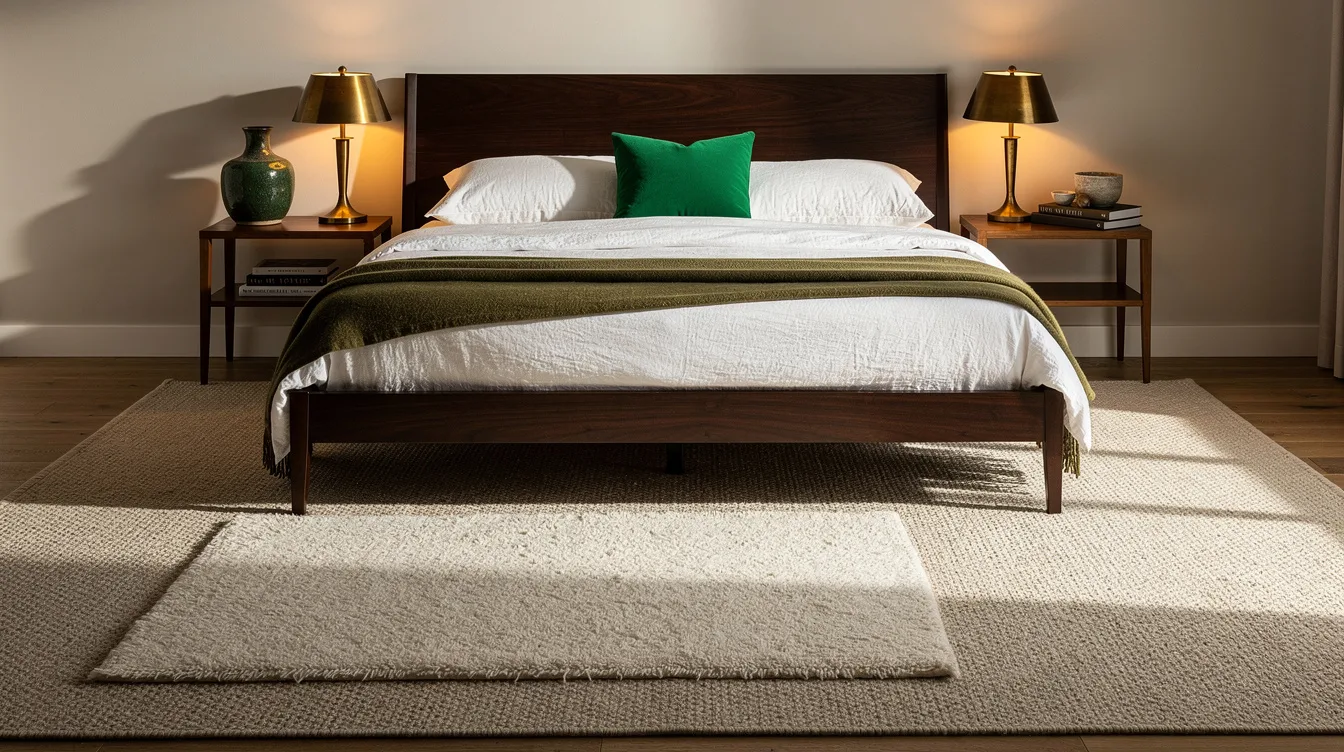
I thought my queen bed needed more pillows until I measured the rug beneath it. An 8 x 10-foot rug gave the bed about 18 to 30 inches of softness at each side, and the whole room finally had the calm, generous footing I associate with a five-star stay.
The winning layout is restrained: one large quiet rug underneath, then one smaller tactile piece shifted toward the foot or bed-entry side. The reveal is what makes it feel intentional.
Start With a Properly Scaled Base
For a queen bed, I use an 8 x 10-foot base rug; a king usually needs 9 x 12 feet when the room allows it. A small 5 x 7 under a large bed reads like an afterthought, even when the bedding is expensive.
Run the base perpendicular to the bed and slide it beneath the front two-thirds, ideally under the nightstands. Leave roughly 18 to 30 inches visible at both sides and the foot, plus about 12 to 24 inches of bare floor around the room perimeter.
I like a low-pile neutral from Wayfair or Home Depot for this layer because it stays visually quiet. Stone, oatmeal, warm gray, faded tobacco, and soft taupe all give the upper rug room to do its job.
Choose Texture Before Pattern
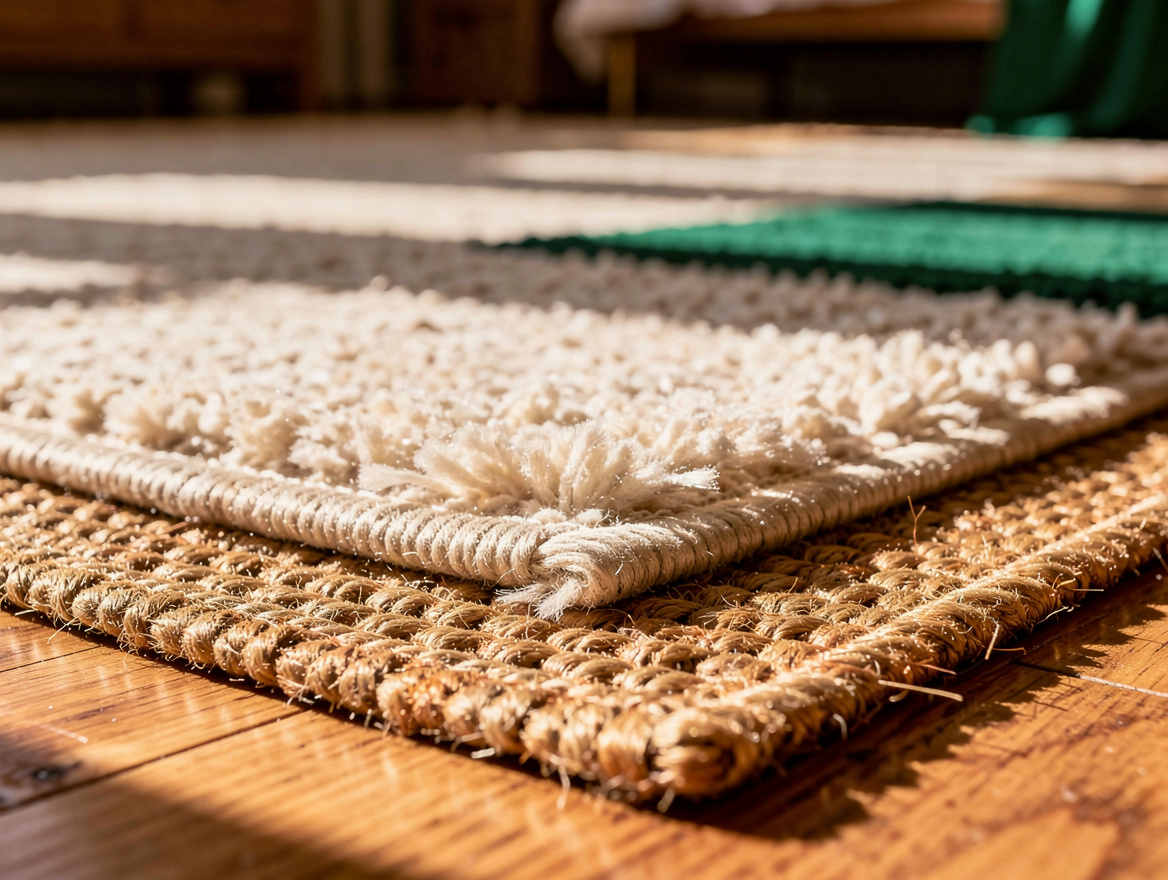
Texture creates the hotel feeling faster than a busy print ever will. My favorite pairing is a flatwoven jute rug below a plush wool or wool-blend rug, especially with dark walnut furniture and white linen.
A Ruggable low-pile base can work well in a bedroom that needs easy cleanup, while a dense ivory accent rug supplies the barefoot comfort. Keep the top layer plain if the bottom rug has even a subtle vintage or linear pattern.
One crisp contrast is enough. Matte weave below, soft pile above. That difference looks considered in morning light and still feels good when you step out of bed at night.
Set the Smaller Rug Low and Off Center
Place the top rug at the lower half of the bed, not directly beneath the pillows. For a queen, a 4 x 6-foot accent rug or roughly 4 x 7 size has enough presence without covering the base layer.
Shift it about 8 to 16 inches toward one side rather than centering every edge. That slight imbalance feels relaxed, particularly when it meets a bench, a reading chair, or the side where you enter the bed.
For a king, I prefer a roughly 5 x 8-foot top rug across the foot or beneath the bench zone. Keep at least 10 inches of the base exposed around it, otherwise the two rugs merge into one bulky shape.
Match the Layers to the Bed Frame
A dark wood bed frame looks richer over sand-colored jute and a creamy wool top rug. Add a muted olive throw and aged-brass lighting, then stop before the room starts looking themed.
For an upholstered bed, I lean toward a tonal base in mushroom or warm gray with a slightly lighter plush rug. Target and Amazon often have workable accent options, but check pile height in the listing before buying from a photo alone.
The bed should remain the largest soft form in the room. Your rugs support it, they do not compete with the headboard, duvet, or artwork.
Use a Runner When the Room Is Tight
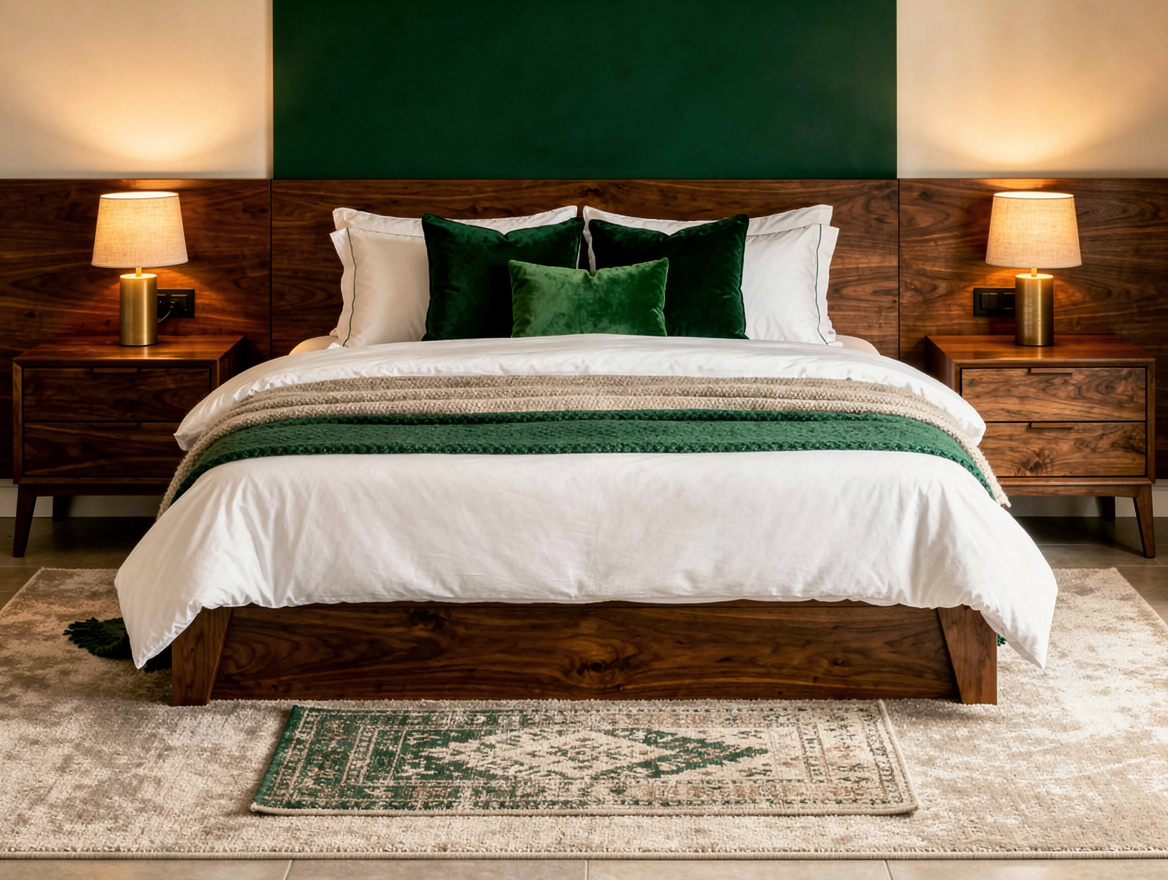
Small bedrooms do not need a tiny whole-bed rug. In a rental or narrow room, place a 2 x 6-foot runner along the bed-entry side and let it begin near the lower two-thirds of the mattress.
This arrangement gives your feet a landing spot and preserves more visible floor, which makes a compact room breathe. A simple washable runner from Walmart is often a smarter buy than forcing an undersized rug beneath a queen bed.
Skip runners on both sides unless the room has generous clearance. One well-placed strip of texture looks deliberate; matching slivers can make the bed feel boxed in.
Finish the Stack With Grip and Restraint
Use a thin non-slip rug pad under the base and another grippy layer between rugs if the upper piece shifts. This is especially important with jute, flatweaves, and slick hardwood floors.
Typical prices vary by material and size, but an 8 x 10 synthetic base may run about $150 to $350, while a wool accent layer can land around $200 to $600. That range is why I spend on scale first, then add texture with the smaller rug.
Do not add a third floor covering near the bed. The polished look comes from a clear hierarchy: broad foundation, tactile focal point, plenty of exposed border.
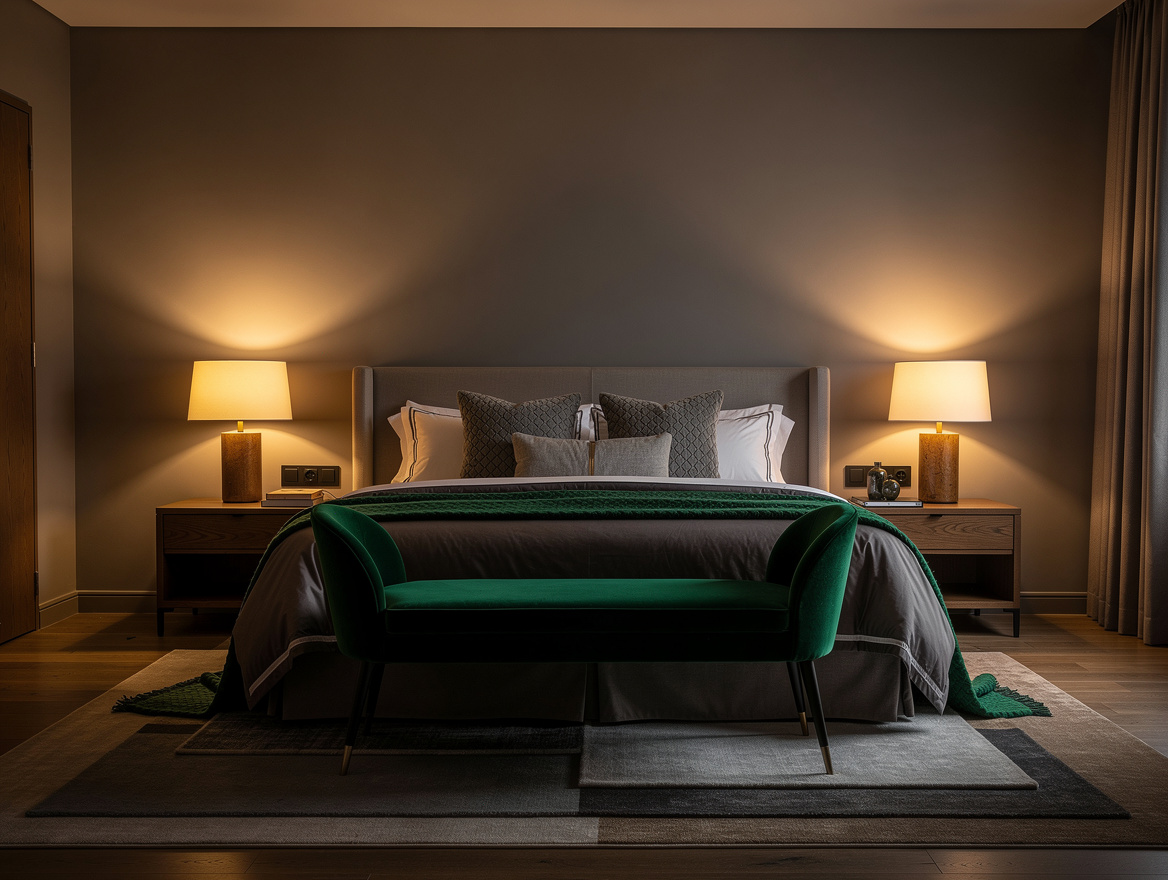
Begin by taping out an 8 x 10-foot rectangle around your queen bed. Once you see that generous footprint, choose the quiet base before shopping for the softer top layer.
Mia Carter writes about small-space living and budget home makeovers. She has restyled three rentals and tests most ideas in her own 45 sqm flat.