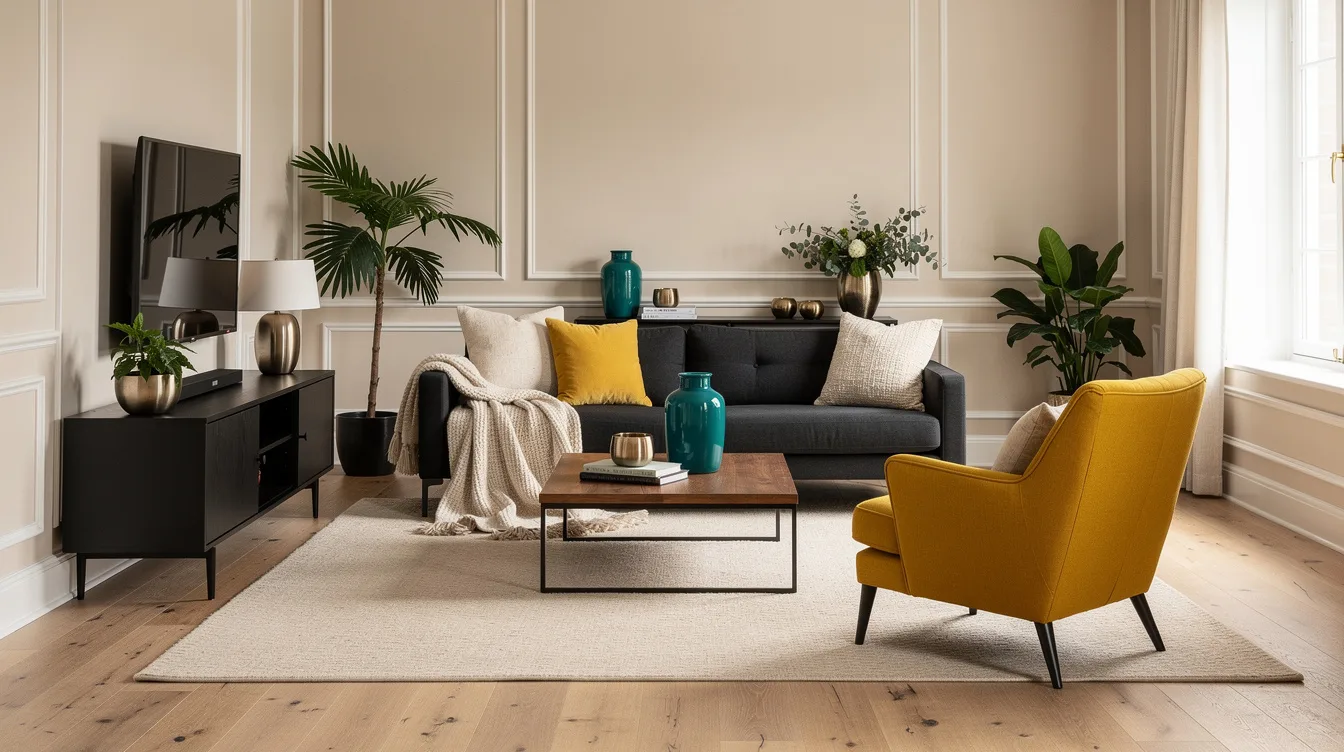
Paint is one of those choices that looks easy until you have six swatches taped to the wall and every one of them turns weird by dinner. In a typical 2,000-square-foot house, a full interior repaint can cost roughly $2,000 to $6,000, so getting the color family right matters more than chasing the loudest trend.
The safest 2026 palette is also the one most real homes wear best: warm whites, soft off-whites, grounded beiges, and muted greens. Bright pastels and cold grays are fading, and honestly, they are not worth building a whole-house plan around anymore.
Start the Entry With a Warm White That Handles Low Light
Your entry usually has the hardest job in the house: it has to feel clean at 8 a.m. And welcoming at 8 p.m. In a typical small entry and hall, you may be covering roughly 35 to 45 square meters of wall surface, so this is not the place for a risky undertone.
I’d keep the walls in Sherwin-Williams Alabaster SW 7008 or Benjamin Moore White Dove OC-17 in eggshell. Both are forgiving, both flatter wood floors, and with interior paint often costing about $40 to $80 per gallon, this is one of the safest places to spend a little more for a color you won’t repaint in two years.
For trim, use the same shade in semi-gloss if you want the space to feel larger. High-contrast white trim in a narrow hall can look fussy fast, and I think that mistake dates a house more than people realize.
Warm Up the Living Room With an Off-White or Light Beige
A typical living room around 4.5 by 6 meters has enough wall area to make cold paint feel even colder. This room wants softness, not a flat builder white that makes upholstery look tired.
Benjamin Moore Pale Oak, Sherwin-Williams Aesthetic White, and Sherwin-Williams Accessible Beige are the failproof picks here. They work with oak, walnut, black metal, linen, and the usual mix of old and new furniture that real homes actually have.
If you want one richer note, paint the TV wall or the wall behind the sofa in Sherwin-Williams Evergreen Fog SW 9130 or Behr Hidden Gem. Muted green is still the smartest accent in 2026, and it has far more staying power than the cool gray feature walls people are finally letting go.
For budgeting, a common living room can land around $300 to $1,000 per room with pro labor and materials, depending on prep and local rates. That range is broad, but the rule is simple: spend your energy on prep, then choose a quiet color that lets the room breathe.
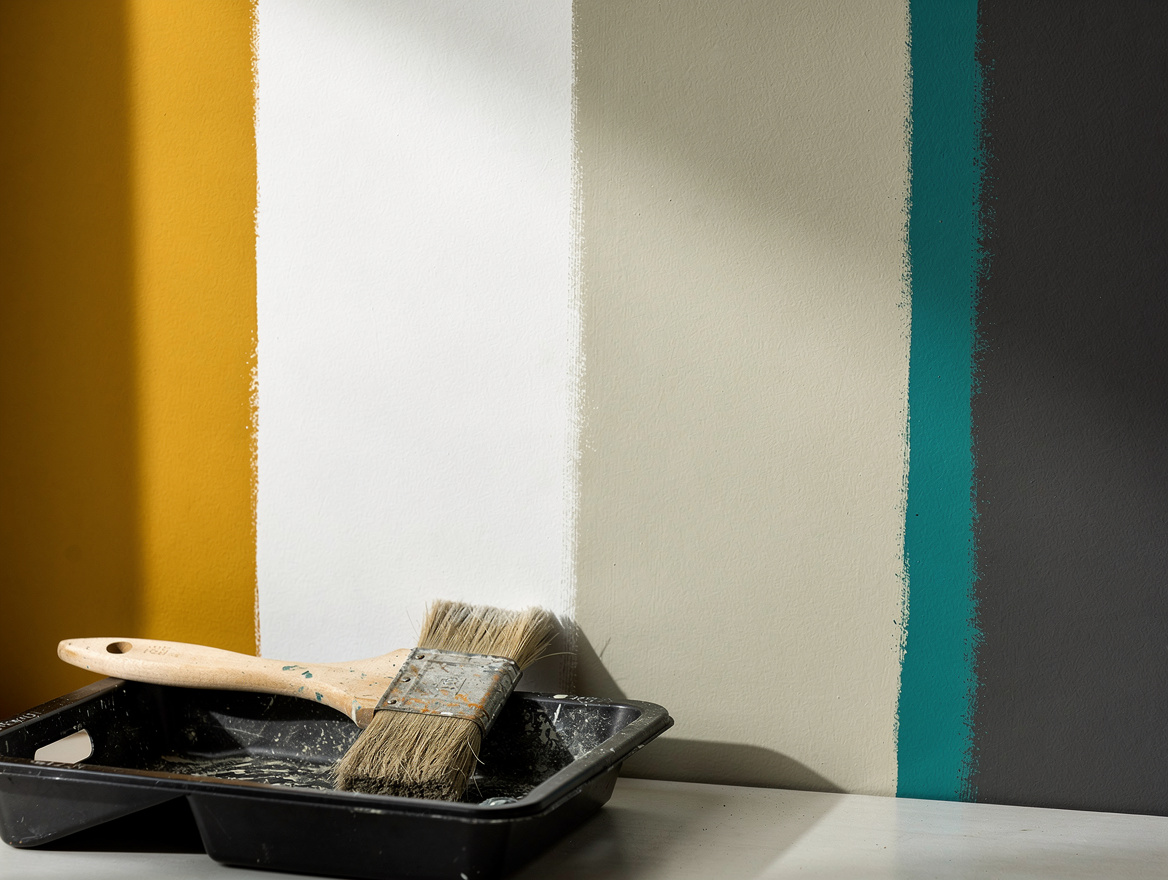
Keep the Kitchen Bright, Then Add Depth Through Cabinets or a Nook
Kitchens punish the wrong paint color because cabinets, counters, backsplash tile, and appliances all compete for attention. On walls, I’d stay with a soft off-white in an easy-clean finish, especially if the room gets mixed daylight and warm recessed lighting.
Sherwin-Williams Shoji White SW 7042 or Sherwin-Williams White Duck SW 7010 work beautifully around warm stone and white quartz. They bridge older gray finishes and newer beige kitchens, which is exactly why they feel dependable instead of trendy.
If your kitchen has an island, pantry door, or breakfast nook, that is where I’d bring in color. Behr Hidden Gem on lower cabinets or a built-in breakfast corner gives enough contrast without making the whole kitchen feel darker, and I strongly prefer that move over a bold all-over green kitchen most homeowners regret.
For materials, interior paint and primer often run roughly $2 to $4 per square meter per coat, or about $0.20 to $0.40 per square foot. In plain English, the color decision matters more than shaving a few dollars off the can.
Give the Dining Room More Presence With a Deeper Neutral
The dining room is where people can handle a little more depth, even in an open plan. It is used for shorter stretches than a living room, so a slightly moodier color reads intentional instead of heavy.
Sherwin-Williams Natural Linen is one of the best answers if you want beige without yellow. It has enough body to frame a wood table and black chairs, and I think it looks far more current than the icy taupes that dominated a few years ago.
If the room has decent daylight, a muted green can also work on all four walls. Sherwin-Williams Evergreen Fog in eggshell paired with a walnut table or oak sideboard feels grounded and expensive, even when the furniture came from Target or Wayfair.
This is also a smart room for a premium splurge if you care about finish quality, but you do not need the priciest can in the store. Most guests notice the undertone, the lighting, and the sheen first, not the label.
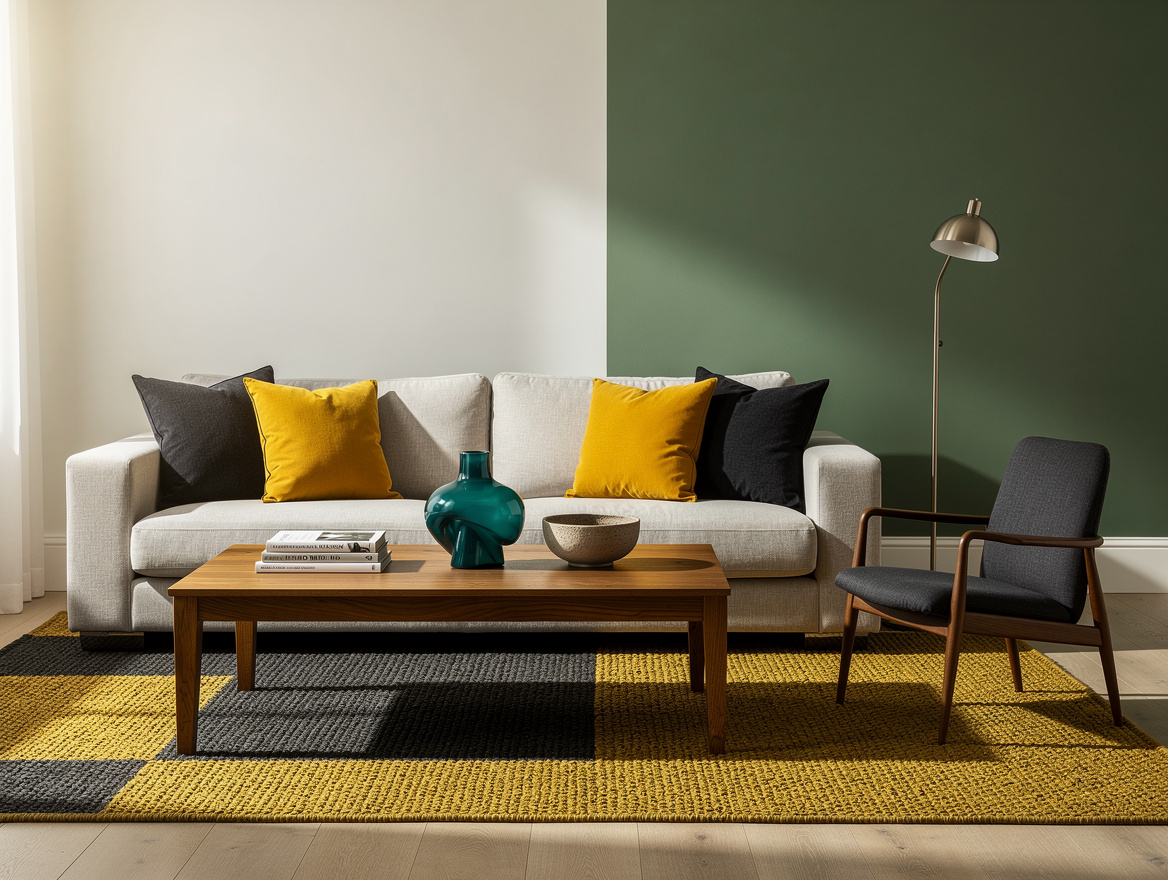
Make Bedrooms Softer With Beige, Greige, or Muted Sage
Bedrooms should settle the nervous system, and many people overshoot with either pure white or dark drama. In a room centered on a typical queen bed, a soft mid-light paint does more for comfort than a stack of decorative pillows ever will.
Benjamin Moore Pale Oak is still one of the easiest bedroom colors because it shifts gently through the day. Sherwin-Williams Accessible Beige also works, especially with cream bedding, linen curtains, and natural wood nightstands from IKEA or Amazon.
For a calmer, more enveloping option, muted sage is the better bet. Behr Hidden Gem has enough gray to stay quiet, and that matters because bright green bedrooms usually look cheerful for a month and childish after that.
If you are repainting more than one bedroom, this is where a whole-house plan pays off. Using one warm neutral in the main bedroom and a related sage or beige in secondary rooms keeps the house cohesive, which helps it feel newer and, later on, easier to sell.
Choose a Clean White-Adjacent Paint for Bathrooms and Laundry Areas
Bathrooms and laundry rooms need clarity, but sterile paint is the wrong kind of clean. In smaller spaces, a white-adjacent shade with a touch of warmth reflects light better and is kinder to skin tones in the mirror.
Benjamin Moore White Dove or Sherwin-Williams Alabaster are reliable in bathrooms, especially with matte porcelain tile, brushed nickel, or warm brass. I would use a bathroom-rated paint in a low sheen and skip anything too glossy on the walls, because shine emphasizes every patch and bump.
If the room gets natural light, a pale green on the vanity wall can work. I’d still keep it restrained, because bathrooms already have a lot of hard surfaces and they do not need color doing acrobatics too.
On a whole-house scale, interior painting often lands around $3 to $7 per square foot of floor area, or roughly $2,000 to $6,000 for a typical 2,000-square-foot home. That is exactly why failproof paint beats experimental paint, room after room.
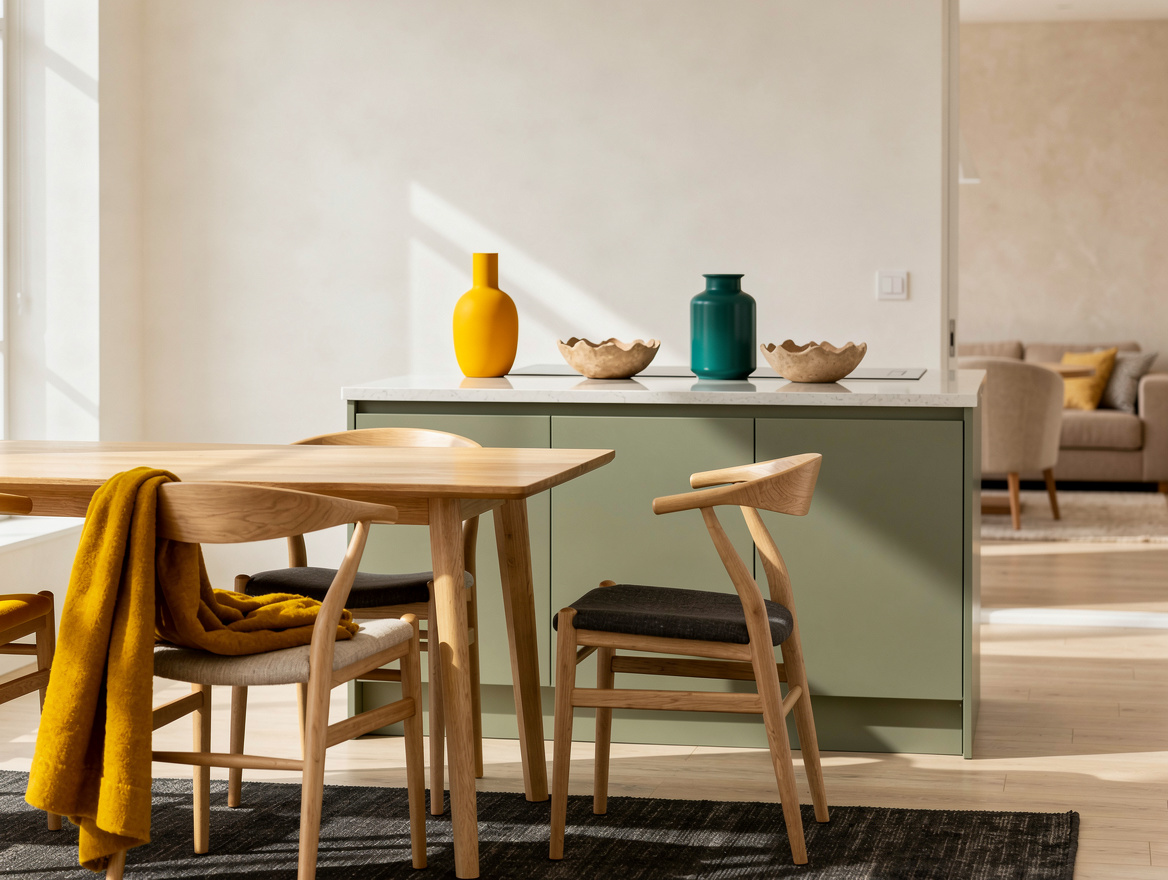
Start with the room you see first, usually the entry or living room, and lock in one warm white before you test anything bolder. Once that anchor shade is right, every other room gets easier to choose.
Mia Carter writes about small-space living and budget home makeovers. She has restyled three rentals and tests most ideas in her own 45 sqm flat.