
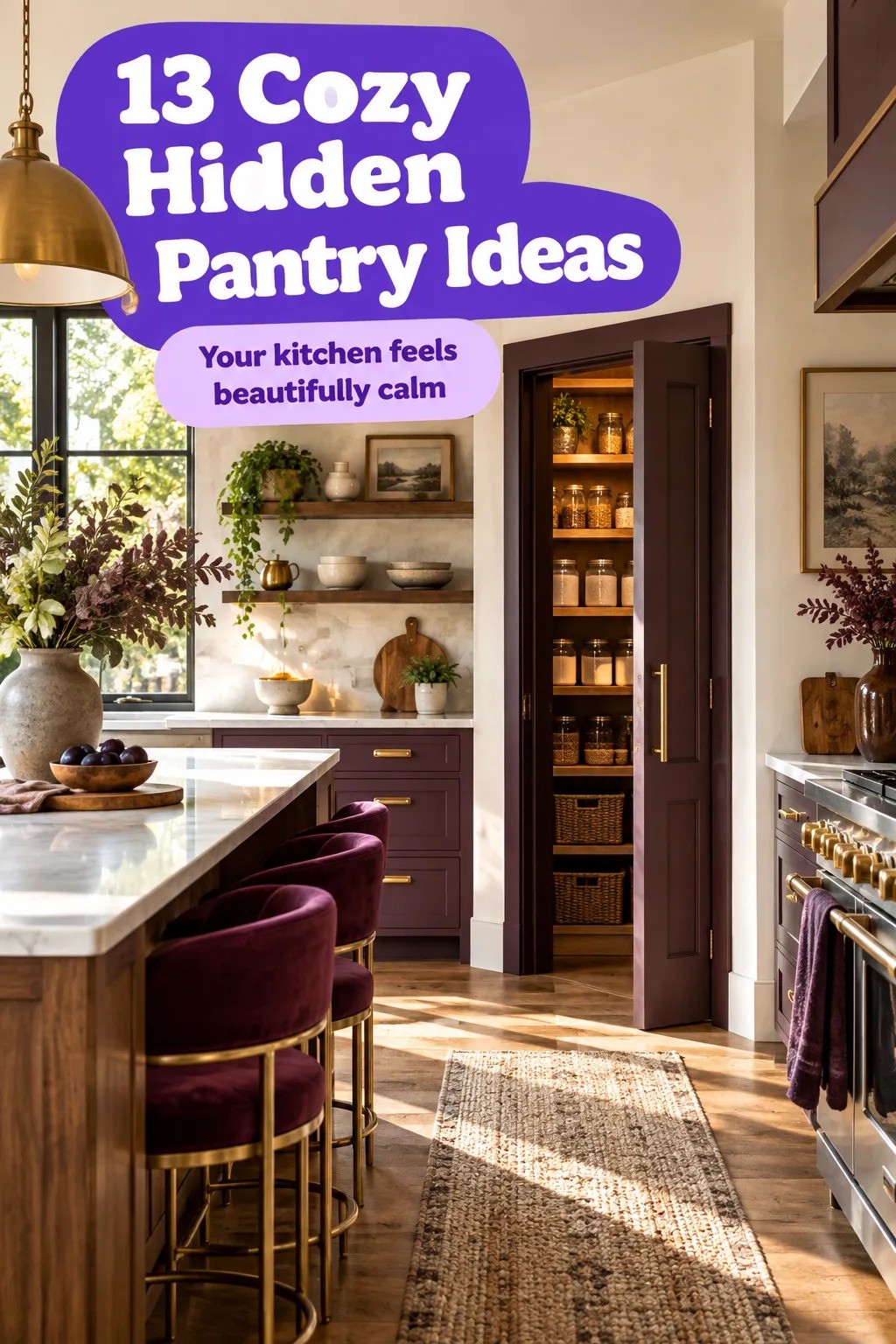
How to build a hidden pantry without losing cabinet space starts with using the dead zone beside, behind, or inside your existing kitchen run. I learned this after storing flour in three different cabinets and still finding nowhere for a broom. A shallow cabinet, a disguised door, and careful clearance can give you useful storage without a full remodel.
- Start by measuring the dead space
- Choose a cabinet footprint that converts cleanly
- The Three-Depth Storage Stack
- Anchor the frame before adding shelves
- Could a DIY hidden pantry door disappear?
- Three-Point Alignment: When Lines Meet
- Layer the Three-Height Light Stack
- Swap deep shelves for pull-out access
- Farrow & Ball Studio Green or White Dove?
- The Front-Label Rule
- Build a narrow pantry door over a wider cabinet
- What clearance does the work zone need?
- Finish the pantry with a maintenance plan
1Start by measuring the dead space
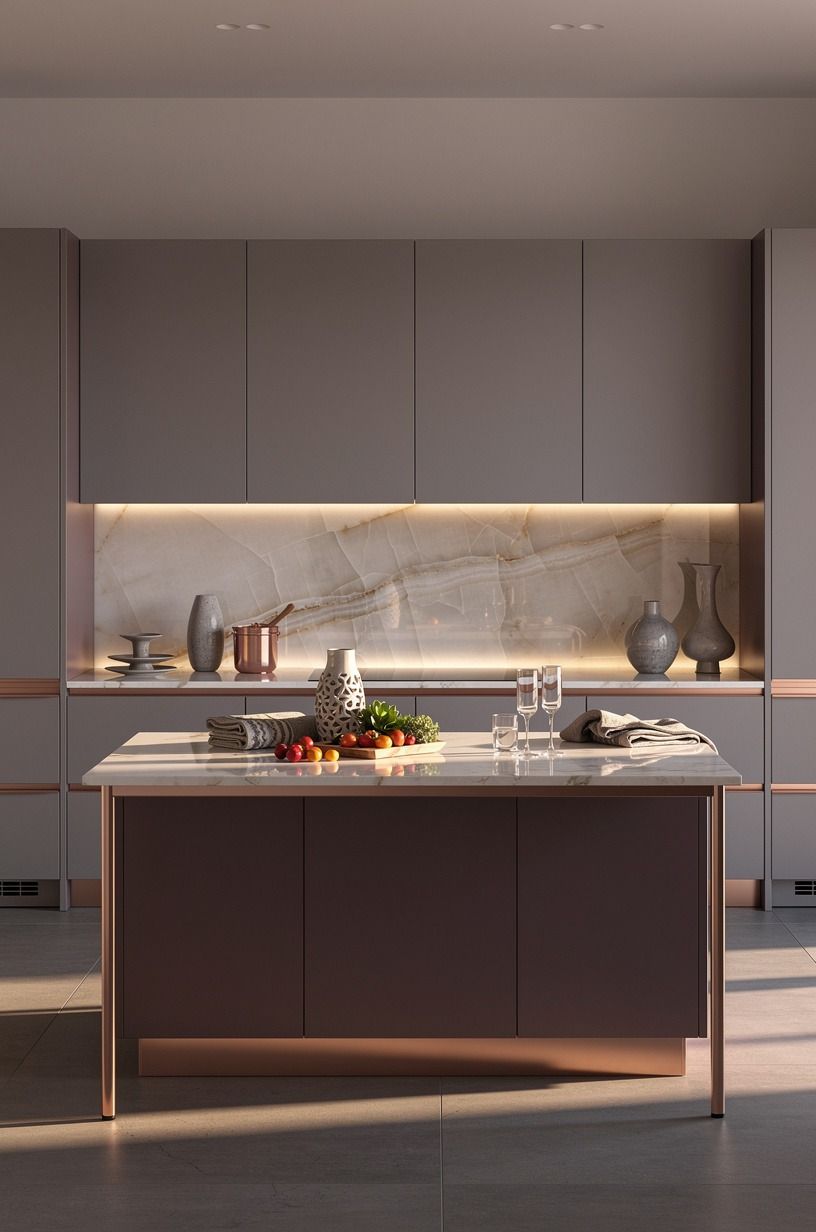
Measure the narrow gaps beside your refrigerator, range, or tall cabinet before you buy anything. You’ll want the width, depth, and height at floor level and counter level because walls rarely behave as neatly as a showroom display. A space that looks like 12 inches may shrink near a baseboard or outlet.
For a 3/4-inch shelf beside backlit translucent onyx, leave enough room for the shelf thickness, door swing, and your hand. I’d rather lose a little capacity than build a pantry you can’t comfortably reach. Your goal is easy access, comfortable movement, and a generous feeling when the door opens.
Write down the location of studs, plumbing, and electrical lines. A stud finder, painter’s tape, and pencil are enough to begin.
And if you’re working beside a refrigerator, measure its door swing before you commit to a cabinet depth. My first sketch ignored that detail, and the pantry door would’ve opened straight into the handle.
If you’re unsure how much room the project needs, compare these small hidden pantry layouts before making a cut.
2Choose a cabinet footprint that converts cleanly
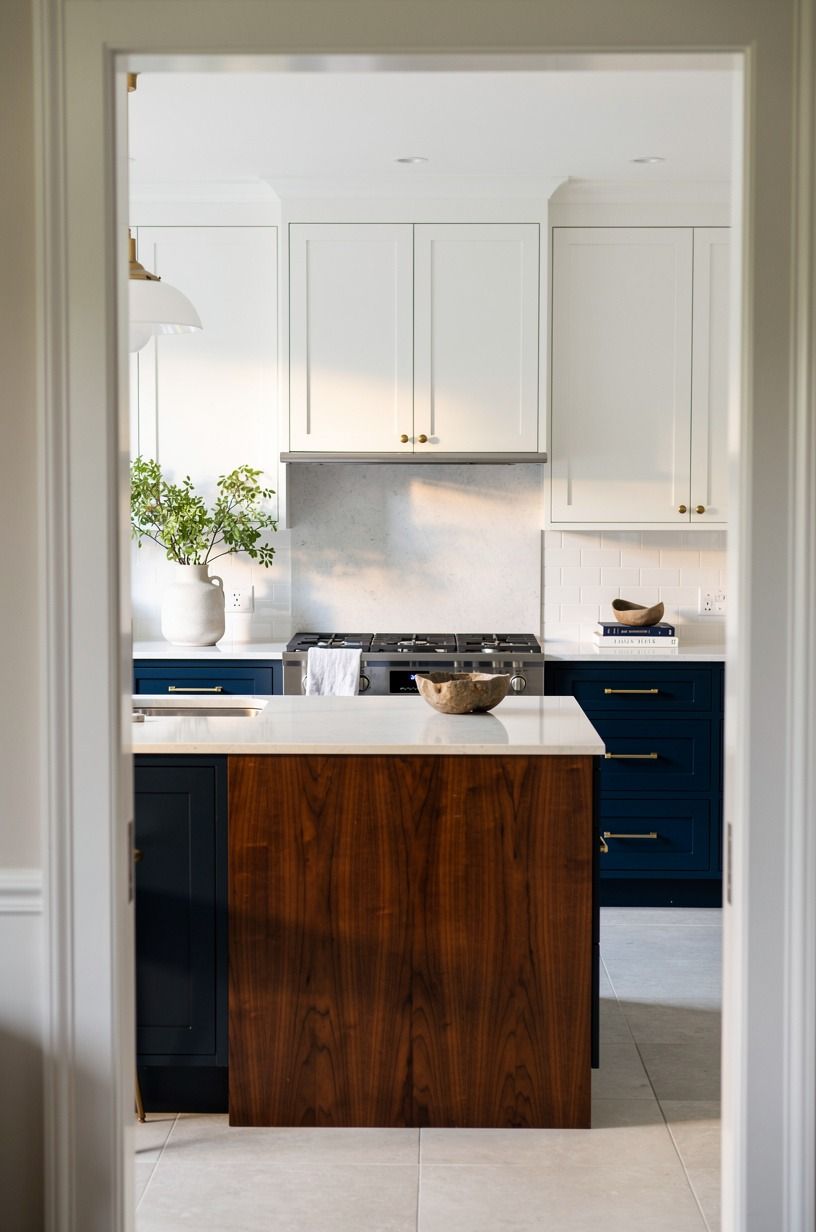
A cabinet-to-pantry conversion works best when the opening is shallow and close to where you prep food. Look for a tall cabinet, an unused broom cupboard, or the space beside a refrigerator.
You don’t need a full walk-in room to gain useful storage. A narrow vertical zone can hold cans, baking trays, spices, and paper goods.
For the interior, book-matched walnut shelving can be adapted when its proportions fit your opening, though I wouldn’t force it into a damp or uneven wall. A custom cleat system is often steadier. Keep heavier jars low, lighter packages high, and leave a clear middle shelf for the items you reach for every morning.
You’ll want your shelves to feel intentional from the doorway. Farrow & Ball Studio Green No.93 gives a deep, earthy interior that hides scuffs, while Benjamin Moore White Dove OC-17 keeps a tiny pantry bright.
I’d skip glossy white melamine here. It reflects every crumb and makes the space feel more like a utility closet than part of your kitchen.
For a more complete visual direction, this modern hidden pantry guide shows how concealed storage can blend into a clean kitchen wall.
3The Three-Depth Storage Stack
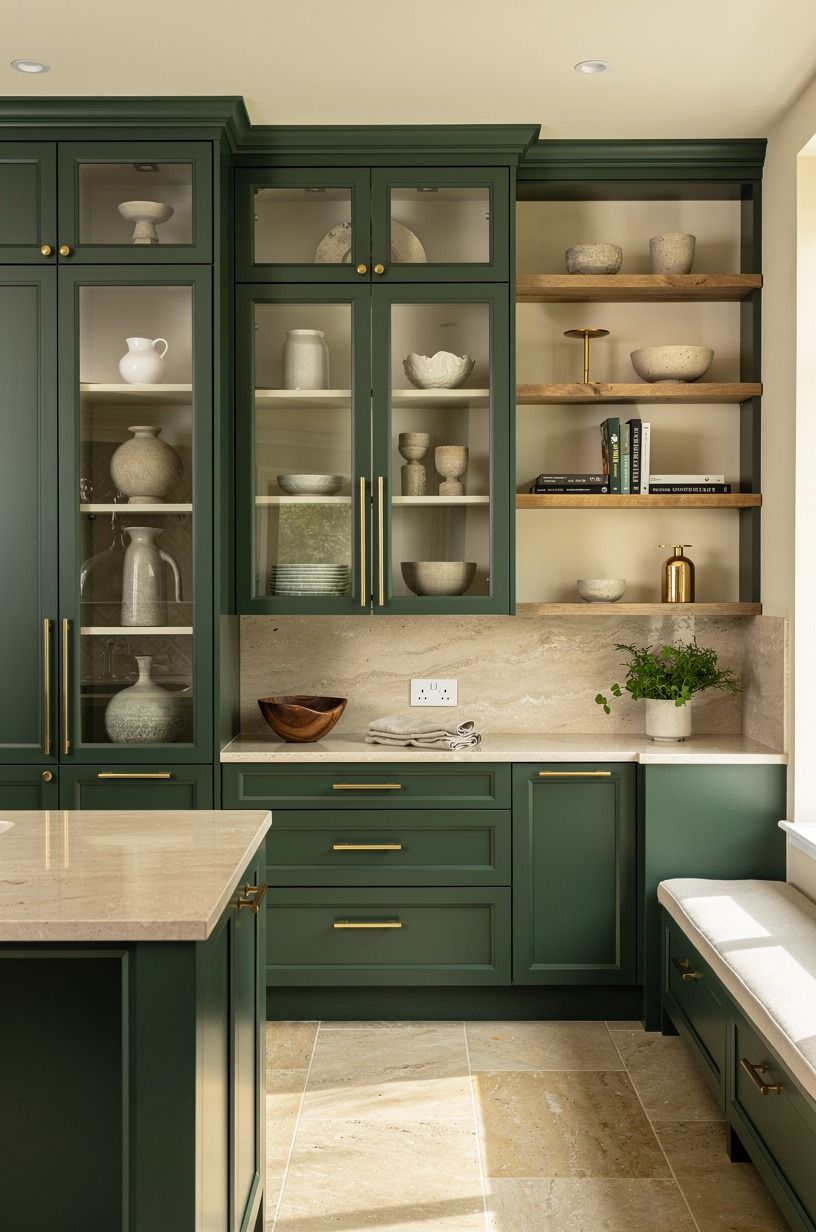
The Three-Depth Storage Stack keeps a narrow pantry useful without letting small items disappear behind larger ones. Use the shallowest shelf for spices, a medium shelf for cans, and the deepest shelf for appliances or reserve ingredients. You’ll see more of what you own, so you won’t buy a fourth jar of cinnamon by mistake.
A warm travertine tray can sit on the shallowest level because it’s stable and easy to pull forward. Deeper shelves can hold mixing bowls or a compact blender. I prefer solid shelves with a small front lip over wire racks, since glass jars can wobble and labels can catch on metal.
Your shelf spacing should follow your habits, not a symmetrical drawing. If you bake, give flour containers more room.
If you make coffee every morning, keep filters and beans at eye level. But don’t pack every inch.
Leave a little air around each group, because a pantry that’s technically full can still be frustrating to use.
The same principle works in pantry storage inside cabinets, especially when the available cavity is compact.
4Anchor the frame before adding shelves
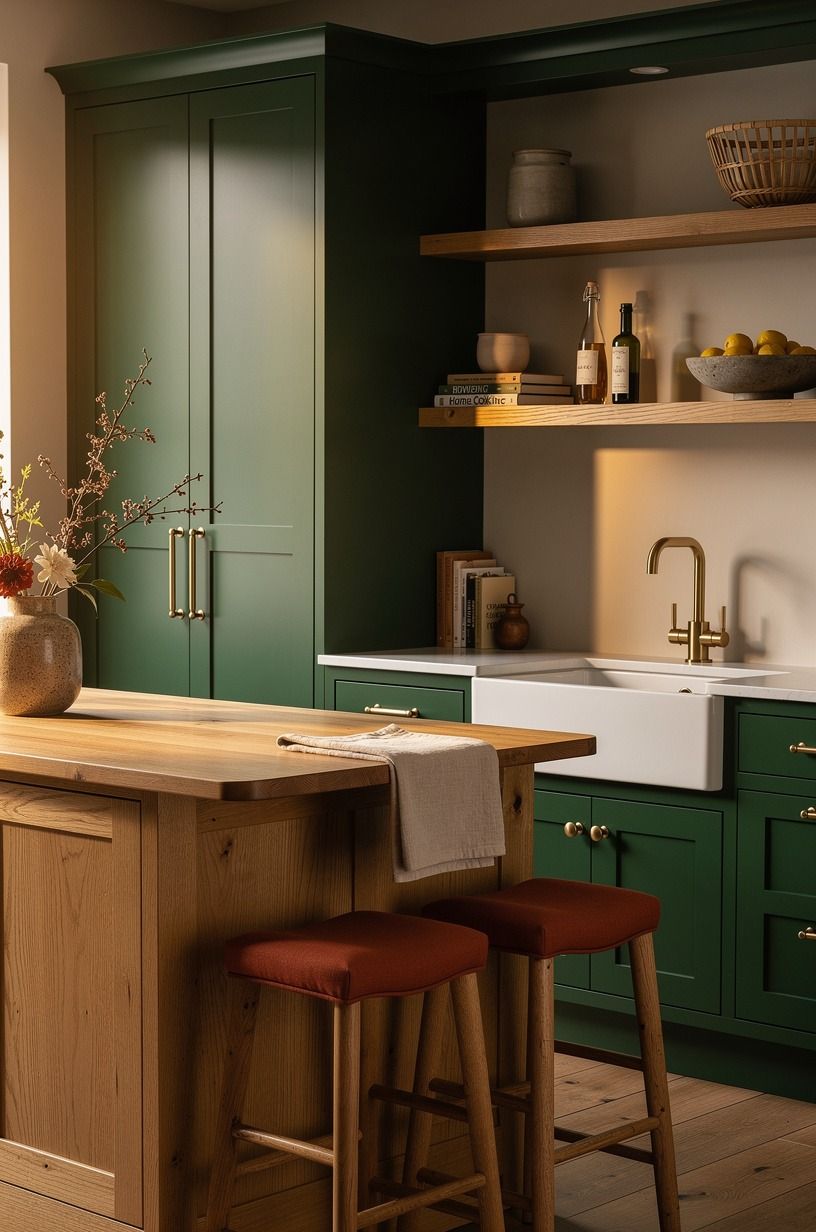
Secure the pantry frame to wall studs before you load it with food. A hidden door or tall pull-out cabinet carries more weight than it appears to, especially when you fill it with jars, canned tomatoes, and small appliances. Your frame should feel solid when you open it with one hand.
Use unlacquered brass hardware only after the frame is stable. Brass can warm the room, but it won’t correct a cabinet that shifts against the wall. I’ve made the mistake of styling a project before checking the structure, and the first heavy bag of rice exposed the problem quickly.
If you’re building beside a counter, remember the standard counter height is 36 inches. That measurement helps you align the lower edge of a concealed door with the rest of your kitchen. The finished pantry should look like it belongs there, with a seamless transition from the existing cabinetry.
Before you close the wall, review this DIY hidden door walkthrough for a reliable sequence.
5Could a DIY hidden pantry door disappear?
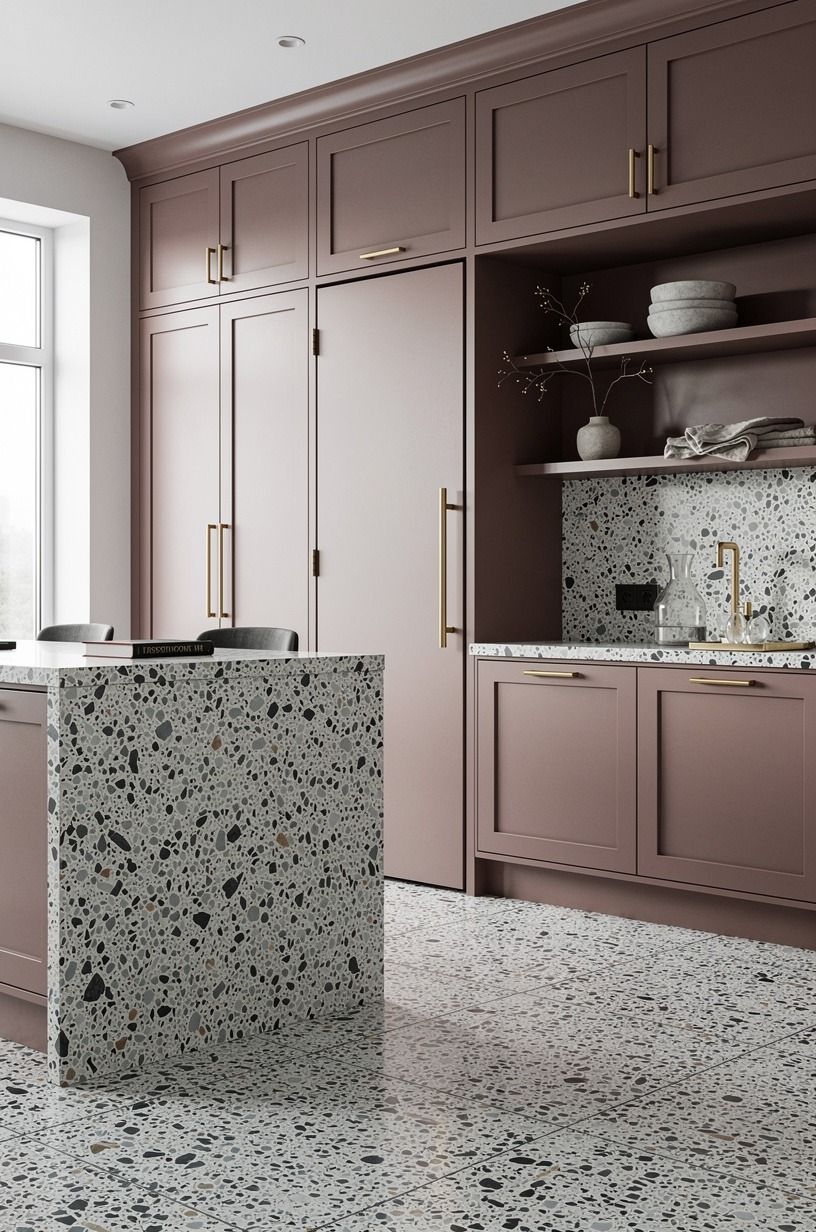
A DIY hidden pantry door needs a convincing face, reliable hinges, and enough clearance for the handle side.
6Three-Point Alignment: When Lines Meet
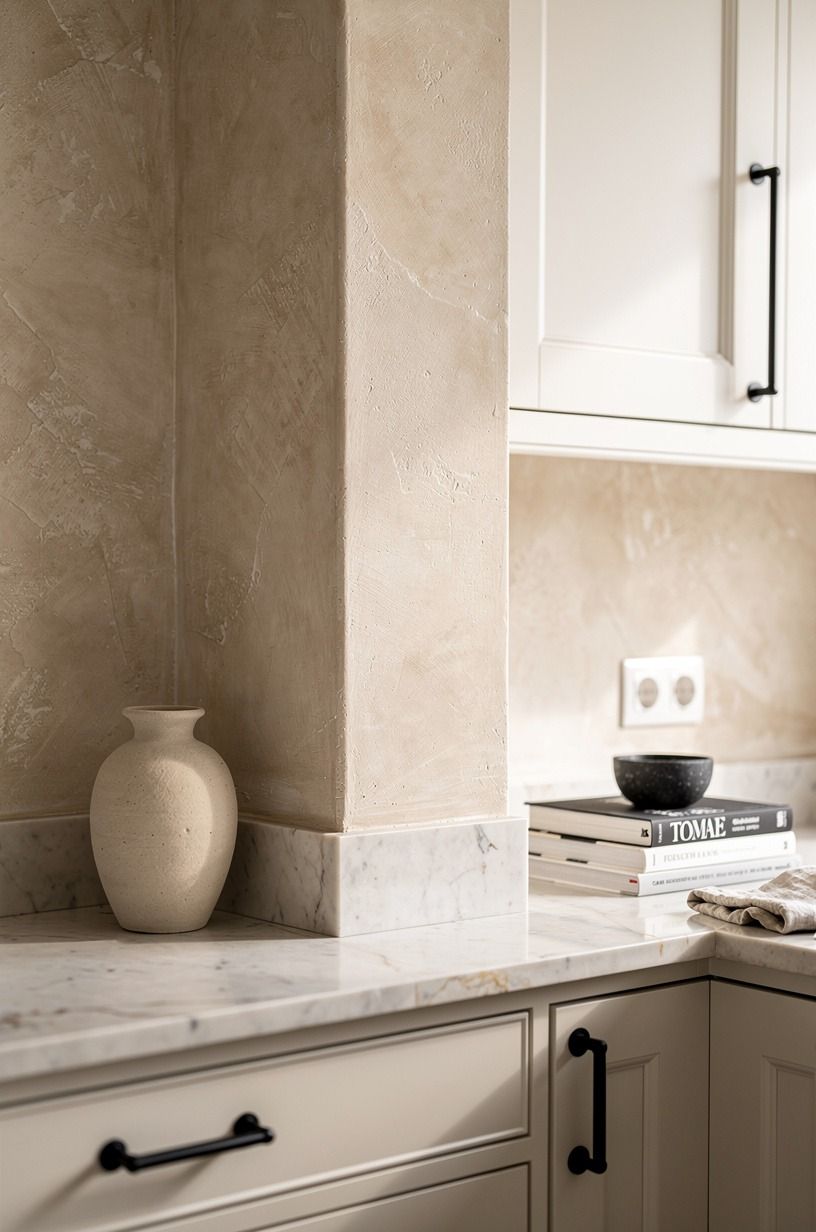
The Three-Point Alignment uses the cabinet line, trim line, and shelf line to make the pantry opening recede. When those three elements meet, your eye reads one continuous wall of storage. When they fight each other, the pantry looks like an afterthought, even if the construction is sound.
Match your Benjamin Moore White Dove OC-17 door to nearby cabinetry if you want a quiet effect. For a more dramatic kitchen, use Farrow & Ball Studio Green on the pantry interior and keep the exterior close to the wall color. You’ll get depth when the door opens without adding visual noise when it’s closed.
Check the alignment from the entrance, the sink, and the dining area. I once judged a panel from directly in front and missed that it looked crooked from the breakfast table.
Your kitchen has more than one viewing angle, so test the door at different times of day. Morning light is unforgiving!
For another seamless approach, study these modern hidden pantry ideas before choosing the final panel treatment.
7Layer the Three-Height Light Stack
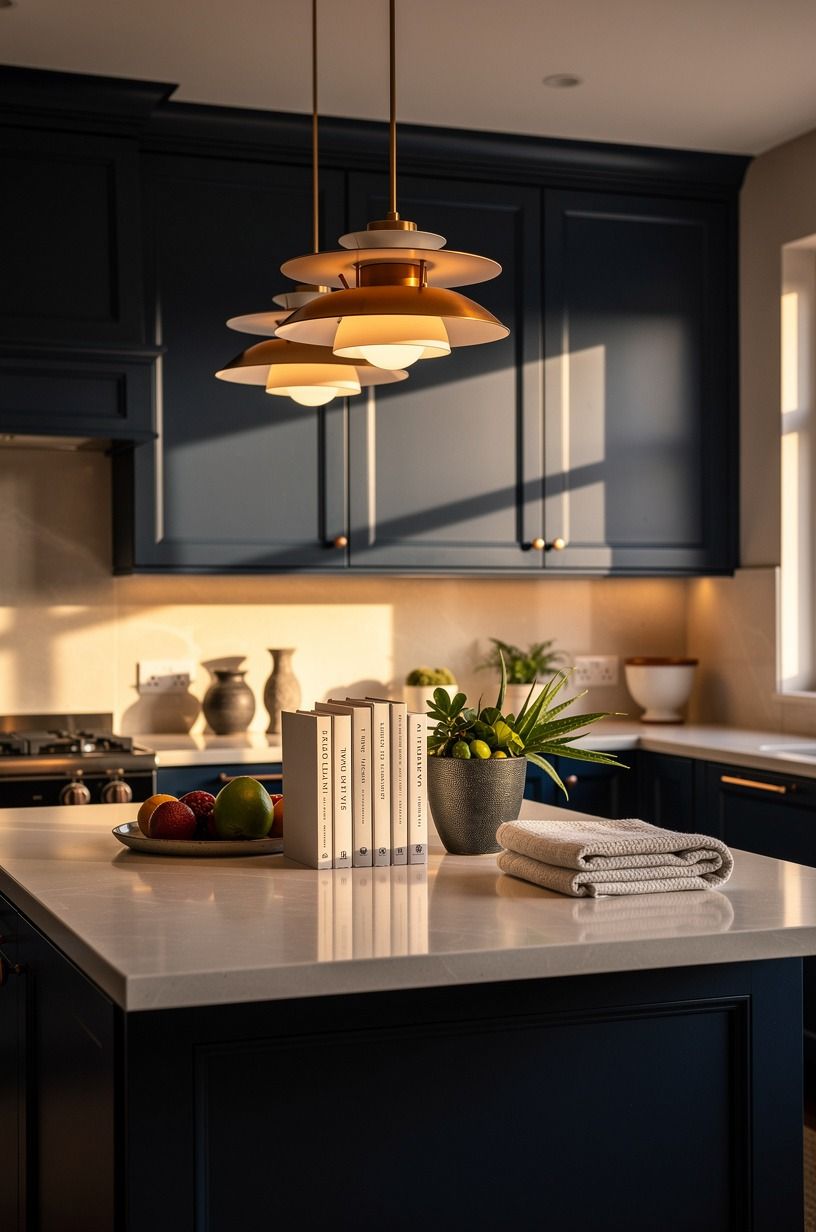
The Three-Height Light Stack gives your pantry a practical glow without turning it into a bright display case. Use a low light near the floor, a middle light at hand level, and a soft upper glow if the cabinet is tall. You’ll find labels faster, and your eyes won’t adjust from a dark shelf to a bright kitchen.
A warm LED strip under a shelf can work well when it’s hidden behind a small shelf lip. Keep cords away from food and use a light switch you can reach before opening the door. I’d avoid cool blue bulbs.
They make white packaging look harsh and drain the calm, welcoming feeling you worked to create.
Your lighting should help you see, announce a welcoming interior, and support everyday use. A low-glare fixture is worth the effort. It should feel inviting when you reach for coffee at seven in the morning!
If you’re already adjusting the kitchen lighting, this warm lighting guide can help you think about the surrounding room as one system.
8Swap deep shelves for pull-out access
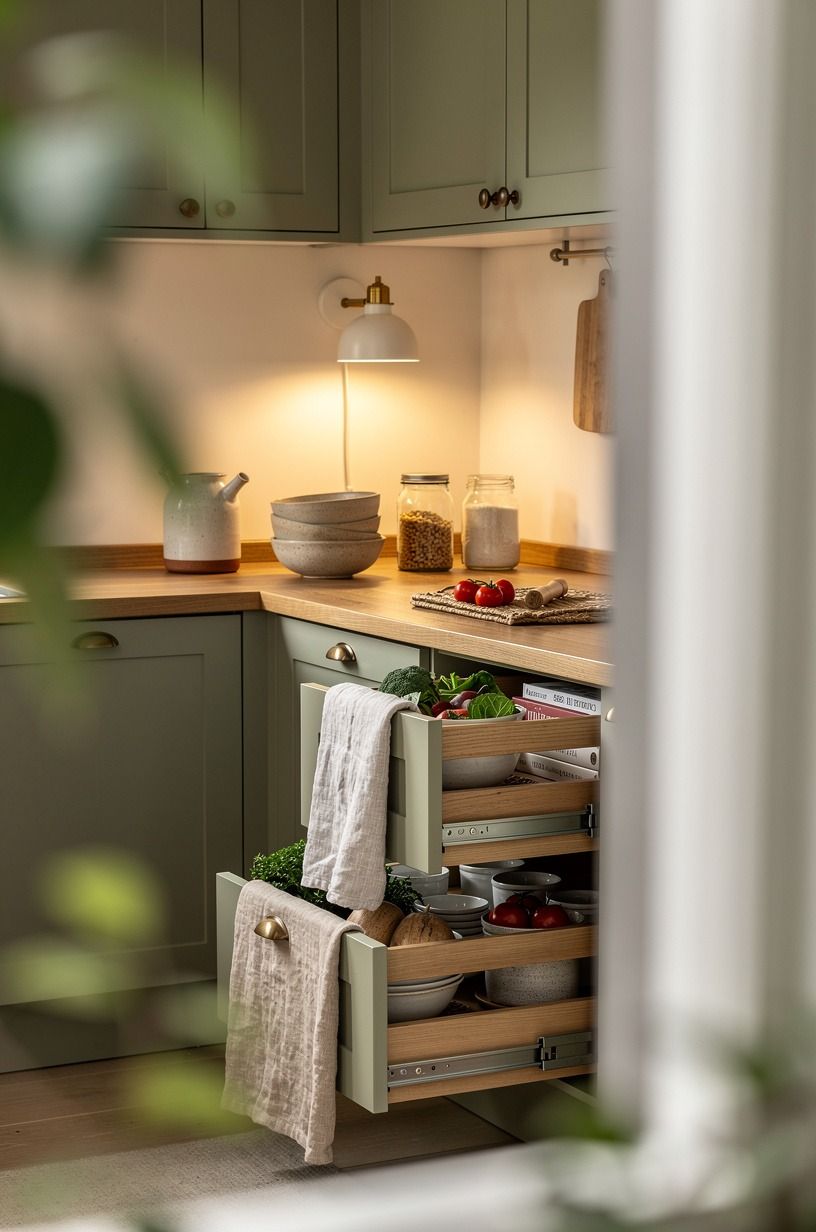
Deep fixed shelves waste space when you can’t reach the back. Replace them with pull-out trays or narrow drawers so your pantry works from front to back. You’ll spend less time moving cans around, and you’ll spot ingredients before they expire.
A natural wood tray with a washed Belgian linen liner feels sturdy and gives the interior a handsome, furniture-like finish. For a lower-cost version, paint plywood edges and add a simple front rail. Your tray only needs to carry the weight you plan to store, so reserve the deepest pull-out for lighter packages rather than full glass jars.
I prefer two moderate-depth pull-outs over one enormous drawer. One can hold baking supplies, while another keeps snacks or breakfast items together. But don’t make every shelf movable.
A fixed shelf gives the structure stiffness and provides a stable home for a small appliance.
This pull-out panel pantry guide has useful ideas for making a narrow cavity feel surprisingly spacious.
9Farrow & Ball Studio Green or White Dove?
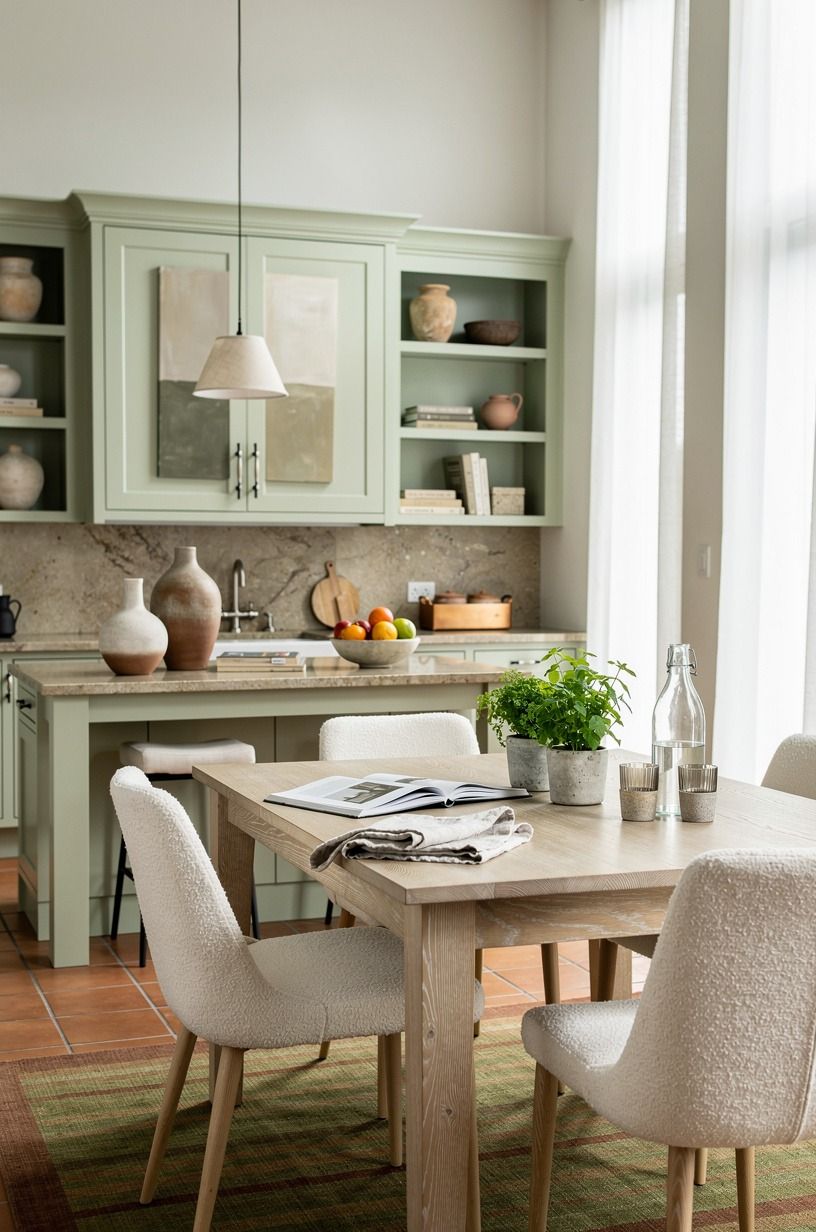
Use paint to make the pantry feel like a planned room within the kitchen. A darker interior can create an intimate, moody moment when the door opens, while a pale interior reflects light into a narrow cabinet. Your choice should follow the amount of daylight and the color of the surrounding cabinetry.
Farrow & Ball Studio Green No.93 works when you want a rich, earthy backdrop for organic bouclé accents. Benjamin Moore White Dove OC-17 is the safer choice for a pantry with no electrical light. I’d skip a high-contrast black interior in a very narrow cabinet because dark corners can make labels difficult to read.
Paint the shelf edges carefully. A rough edge catches bags, and a sticky finish collects dust.
Give the surface enough drying time before loading it. And if you’re using the pantry for flour, grains, or spices, choose a washable finish so your cleaning routine doesn’t become a weekend project.
For a lighter, more open direction, compare these small hidden pantry ideas before committing to a deep color.
10The Front-Label Rule
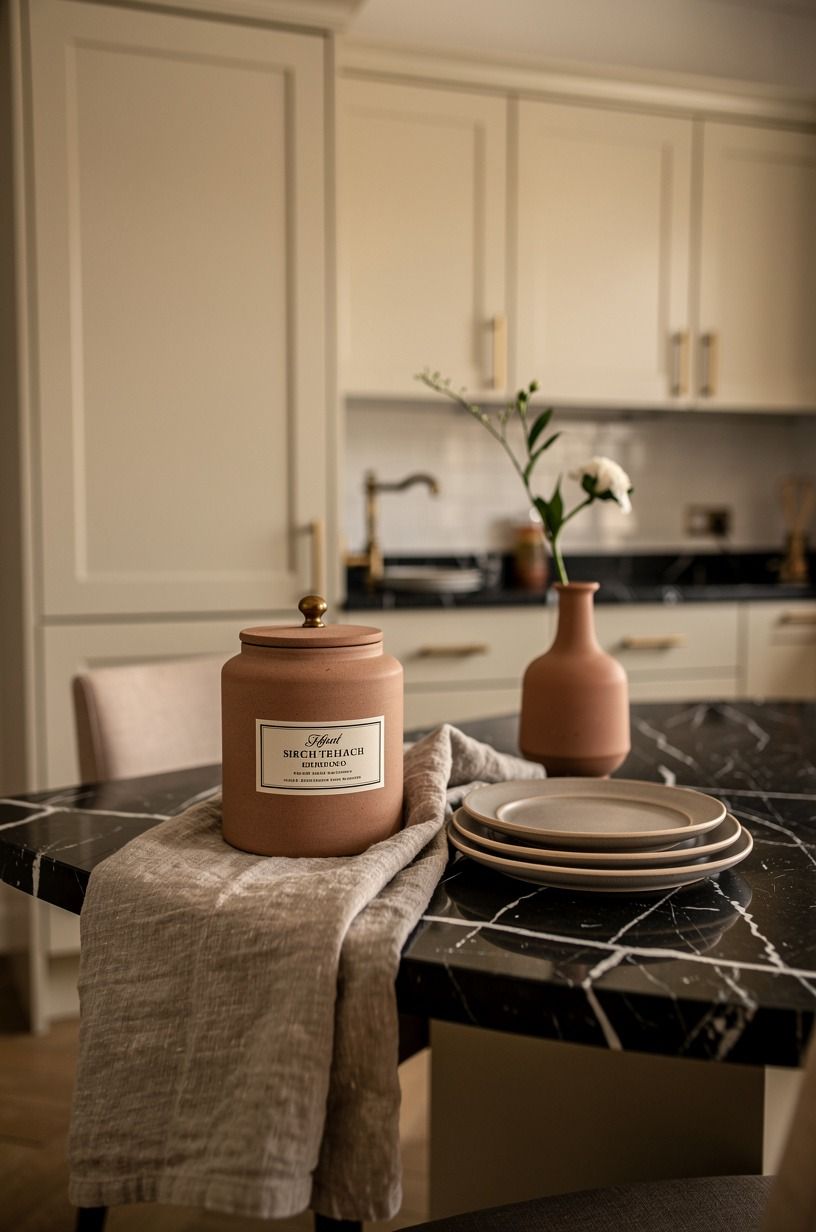
The Front-Label Rule means every container faces the opening and every category has a visible home.
11Build a narrow pantry door over a wider cabinet
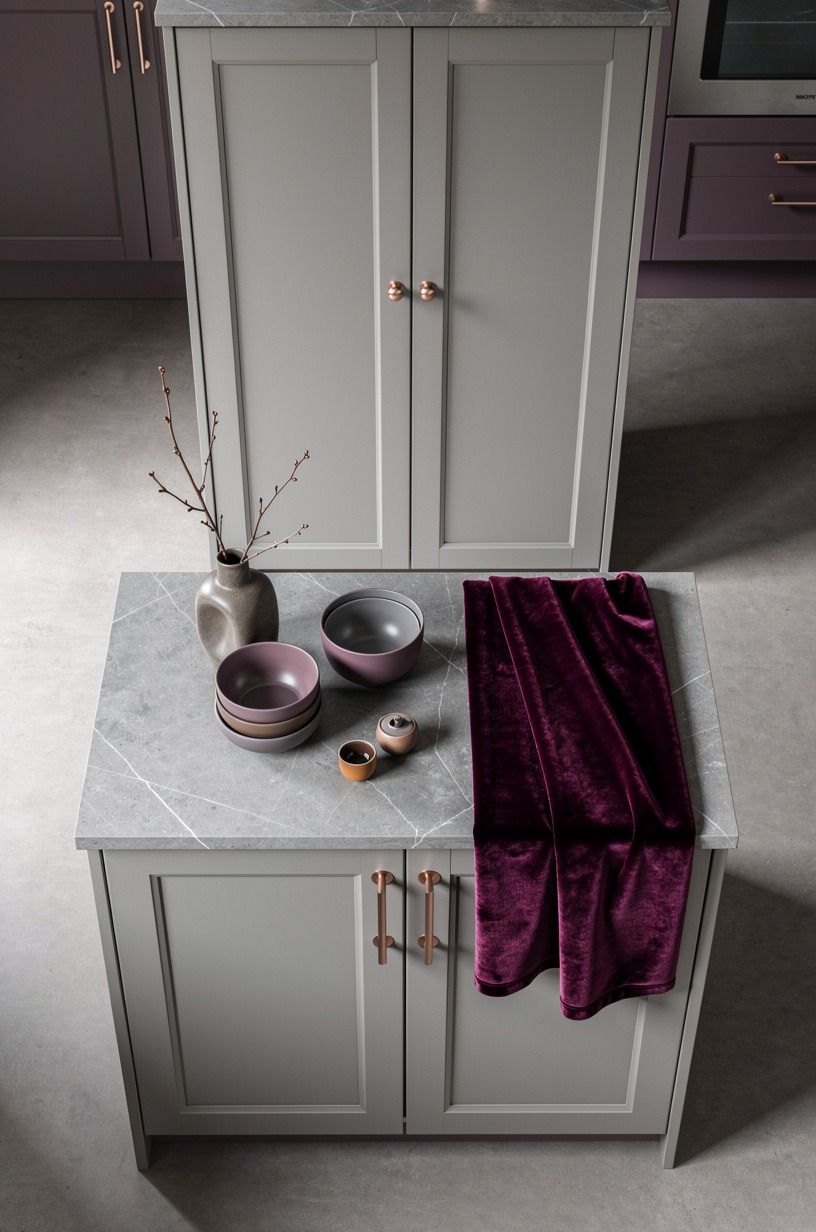
A narrow pantry door can conceal a wider storage cavity when the hinges and surrounding trim are planned correctly. This approach gives you a strong visual line from the kitchen while allowing more interior width behind it. You’ll need to confirm that the frame can carry the door without sagging.
Use rose-gold hinges when the hardware will show, or concealed hinges when you want the panel to disappear. Don’t overload the door itself with shelves unless it’s engineered for that weight. A shallow ledge for cookbooks may be fine, but a full collection of jars will pull the door out of alignment.
For more door inspiration, compare these bookcase panel entrance ideas. You can also study small hidden pantry layouts before choosing your swing direction. The best door is the one you’ll open easily while carrying a bowl.
12What clearance does the work zone need?
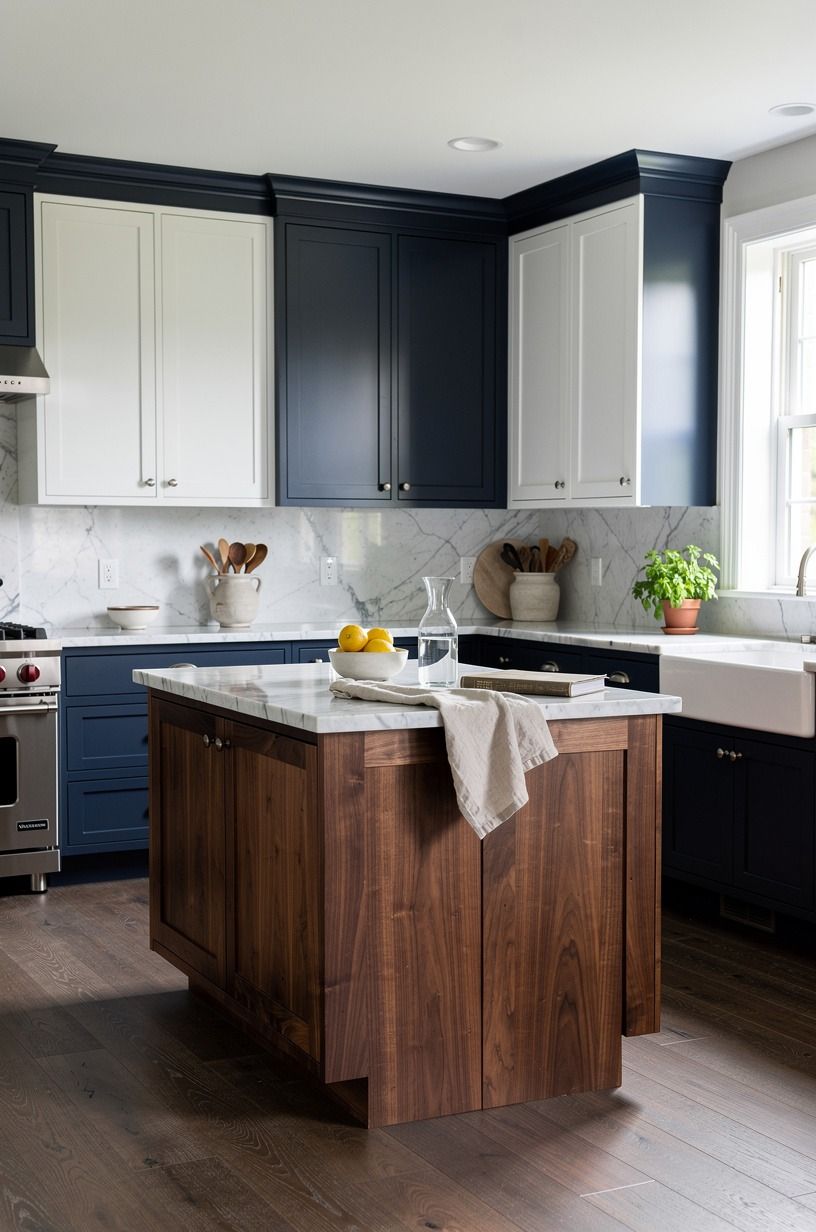
Keep the walking path and work surfaces clear before you finalize the pantry.
13Finish the pantry with a maintenance plan
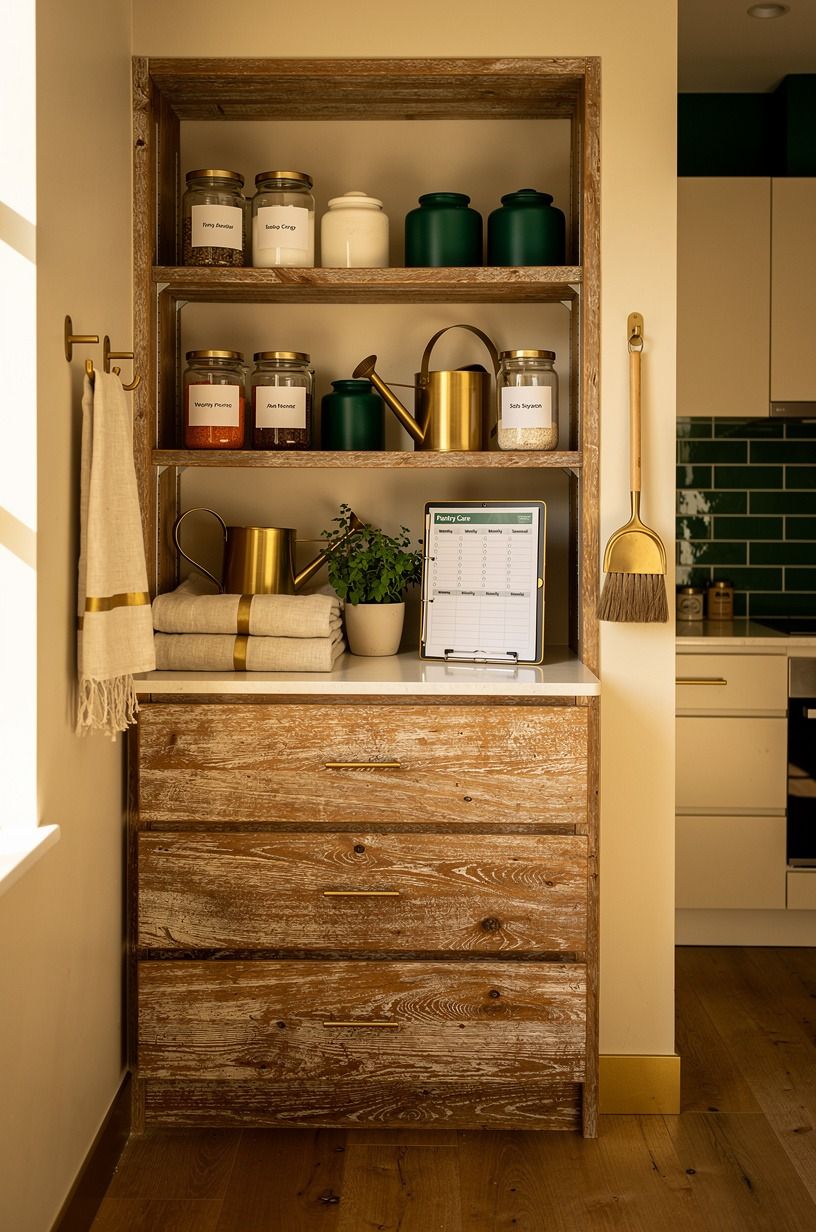
Finish by deciding how you’ll clean, restock, and repair the pantry before you fill it. Wipeable shelves, removable bins, and a small gap above the floor will make the system easier to live with. Your future self won’t care how clever the door looked if one spilled jar ruins the lower shelf.
Use reclaimed weathered teak for a small dry-goods riser and a washable tray for oils or sauces. Keep heavy items low, leave labels facing forward, and reserve one small area for incoming groceries. You’ll prevent the pantry from becoming a second junk drawer with a prettier door.
For another compact approach, look at pantry storage inside cabinets and pull-out panel pantry ideas. And remember to check hinges twice a year. A quick adjustment now can prevent a crooked door later.
If you’re considering a larger concealed room, these hidden walk-in pantry ideas offer a useful comparison.
What the Hidden Pantry Project Costs
The pantry itself may be a focused storage project, but your surrounding kitchen choices affect the total. A paint-only cabinet conversion can stay modest, while new fronts, counters, or appliances move the work into renovation territory. Use these typical US figures as context when you decide whether to modify one cabinet or rethink the whole wall.
If you’re only creating a concealed cabinet, focus your money on the frame, hinges, and shelves. Quartz countertop work typically runs $60-$120 per square foot, while laminate is typically $10-$40 per square foot. You don’t need either surface for a small pantry, so don’t let a wider kitchen quote swallow a simple storage improvement.
A repainted Shaker front typically costs $150-$400 per door, which can matter if your hidden pantry needs to match several existing fronts. I’d spend first on smooth operation and useful shelf access. Decorative trim can come later, but a door that sticks will bother you every day.
Why I Prefer a Hidden Pantry That Looks Quiet
I’ve built storage around the fantasy of having more room, then learned that more room doesn’t solve poor access. A pantry works when you can see what you own, reach it without unloading a shelf, and close the door without creating a collision. That’s why I prefer a quiet exterior with a practical interior over a dramatic entrance that steals attention from the kitchen.
The most successful version usually has one restrained material story. Maybe it’s painted cabinetry with oak shelves.
Maybe it’s a soft green panel with aged bronze hardware. Your kitchen doesn’t need five finishes competing for notice.
Sherwin-Williams Evergreen Fog SW 9130 can do enough work on its own when the shelf lines and door gaps are clean.
I also think hidden storage should make daily life less noisy, while still making the room feel fresh and inviting. If you’re hiding appliances, leave room to lift them out. If you’re storing food, leave space for a new grocery run.
And if you’re considering a larger concealed room, compare these hidden walk-in pantry ideas before you start moving walls.
My own mistake was building a shelf that looked generous but was too deep for my arm to reach comfortably. I corrected it with pull-outs, but the lesson stayed with me. Your best pantry is measured around your body, your habits, and the way you carry food through the kitchen.
What People Always Want to Know
What is the best How to Build a Hidden Pantry (DIY Guide) for a small kitchen?
A shallow cabinet with pull-out shelves is the best choice for most small kitchens because it improves access without taking floor space. IKEA KALLAX can work for an open setup, while an Article oak cabinet gives a more furniture-like finish. Keep the door quiet and the interior easy to reach.
Where can I buy How to Build a Hidden Pantry (DIY Guide) pieces on a budget?
Look at IKEA, Wayfair, and Target for shelving, bins, and hardware, then check Facebook Marketplace or a local thrift shop for cabinets. Secondhand shelving can save money when its depth matches your opening. Measure first, because a cheap cabinet that doesn’t fit is still expensive.
How much does a How to Build a Hidden Pantry (DIY Guide) makeover cost?
A small cosmetic pantry makeover can fit within the $300-$1,500 typical budget range when you reuse the cabinet, paint the interior, and change the hardware. Free improvements include rearranging shelves, grouping ingredients, and reusing containers you already own.
Can I create a How to Build a Hidden Pantry (DIY Guide) on a budget?
Yes, and you can begin with three low-cost moves: measure unused cabinet space, reuse containers, and add a simple pull-out shelf only where access is poor. Budget-friendly paint can change the interior quickly. Add decorative trim later if the structure already works.
Is a How to Build a Hidden Pantry (DIY Guide) worth it in a small space?
Yes, because a small space makes every shelf easier to evaluate and every saved inch more useful. Pull-out access is usually worth prioritizing over extra depth. Keep daily ingredients between waist and eye level, and reserve high shelves for items you use occasionally.
Is a How to Build a Hidden Pantry (DIY Guide) a good idea for a rental?
Yes, if you use removable solutions such as a freestanding cabinet, peel-and-stick lining, tension rods, and removable hooks. No-damage storage can still create a pantry zone without permanent framing. Avoid heavy door panels unless your landlord approves the installation.
Where I’d Start First
If I had to pick one step, I’d start with measuring the dead space beside the refrigerator. It reveals whether your pantry can gain real capacity without shrinking the work zone, and every later choice depends on that clearance. Pin this guide for later, then sketch the opening before buying shelves.