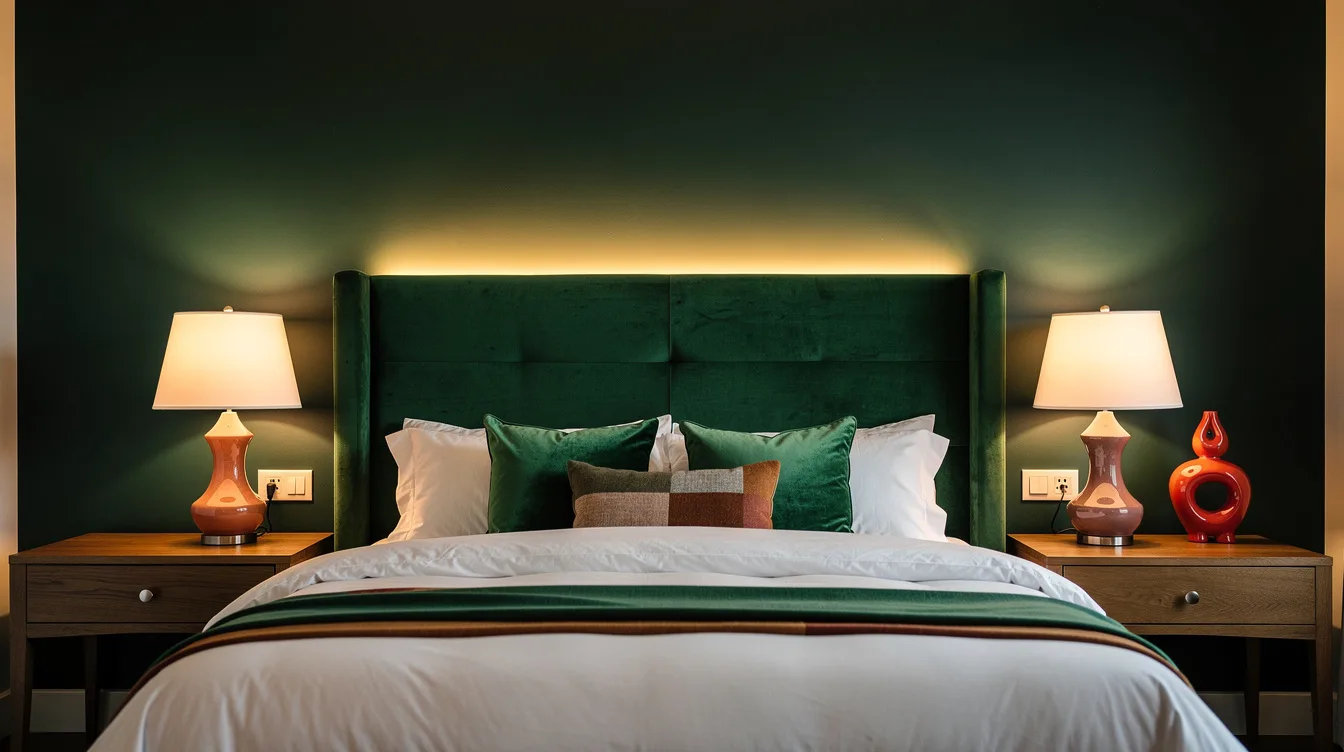
The first night I tried this, the bedroom felt ordinary at 2700K, then surprisingly intimate when the light warmed toward roughly 2200K. The bulb was doing more than getting dimmer, but the real change came from combining that color shift with shaded bedside lamps and a concealed glow behind the headboard.
A five-star suite mood does not come from one perfect Kelvin number. It comes from giving each light a clear job and letting the room grow quieter as the evening goes on.
Start at 2700K, Then Soften the Glow
I began with 2700K warm white light, which felt cozy enough for bedtime without making the room too amber for ordinary evenings. It gave the bedroom a useful baseline before I changed anything else.
As I lowered the brightness, I wanted the color to shift toward 2200K amber light, roughly the glow of a dimmed incandescent bulb. That gradual change created more atmosphere than simply making a white bulb weaker.
Choose Dim-to-Warm Over Plain Dimming
The important shopping distinction is Philips WarmGlow: the bulb dims and warms at the same time. A standard dimmable LED may only reduce brightness, while a dim-to-warm bulb changes color as the evening progresses.
Check the package for dim-to-warm or tunable-white language instead of assuming every dimmable bulb performs both jobs. This is the one technical detail worth getting right because the wrong bulb leaves the room bright, flat, or oddly gray.
Shade the Bedside Light
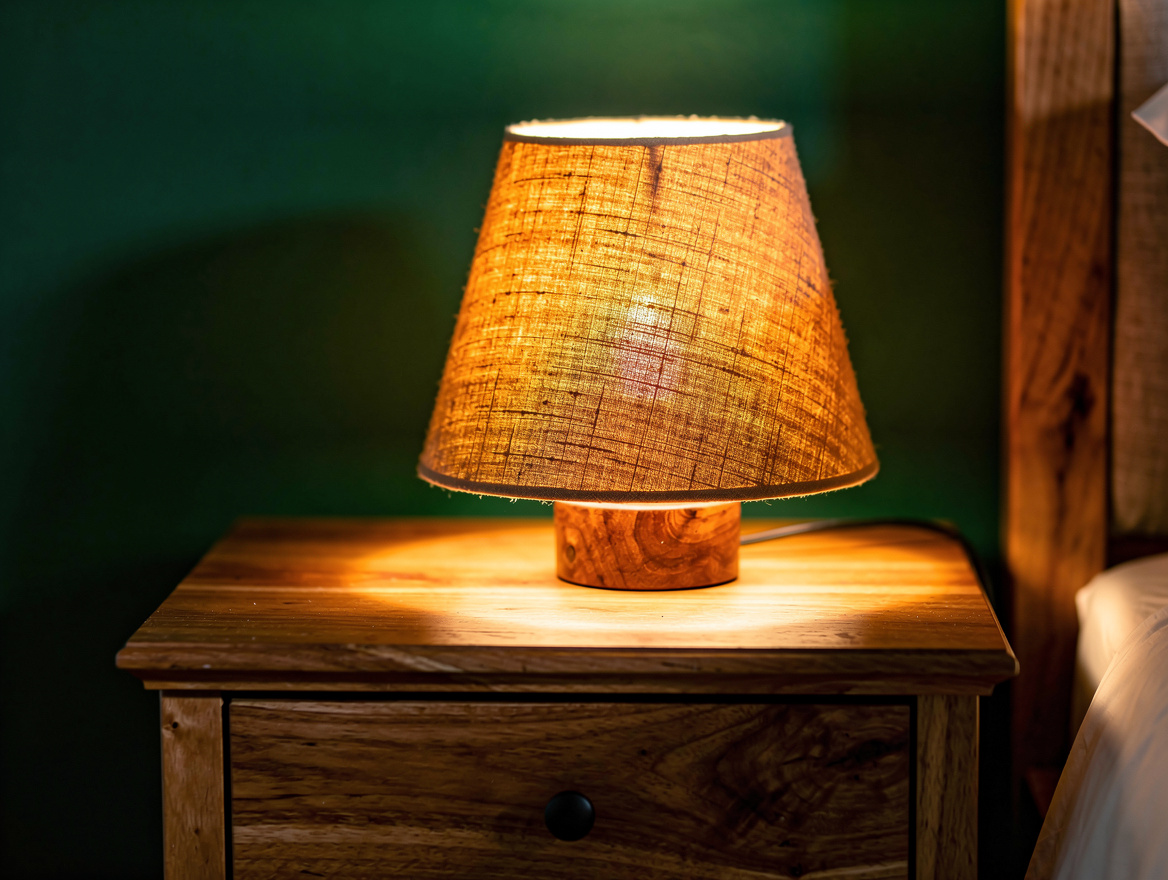
A bare bulb rarely feels like a luxury suite, so I used a linen-look shade to soften the bedside glow. The shade should hide the harsh point of light while still letting enough illumination reach the book and nightstand.
For a pair of lamps, a typical planning budget is about $60 to $200, with bases around 20 to 26 inches high and shades roughly 12 to 15 inches wide. I prefer a slightly substantial shade because tiny lamps make a larger bed look visually lopsided.
Hide a Glow Behind the Headboard
The most convincing extra layer was a concealed LED strip behind the headboard, aimed at the wall rather than at the pillows. The indirect reflection gave the bed a soft outline without adding another bright object to the room.
Keep this layer separately controlled from the bedside lamps, then lower it until you can sense the glow without identifying the light source. A hidden wash is more relaxing than a visible ceiling fixture doing all the work.
Free the Bedside Tables With Smaller Lamps
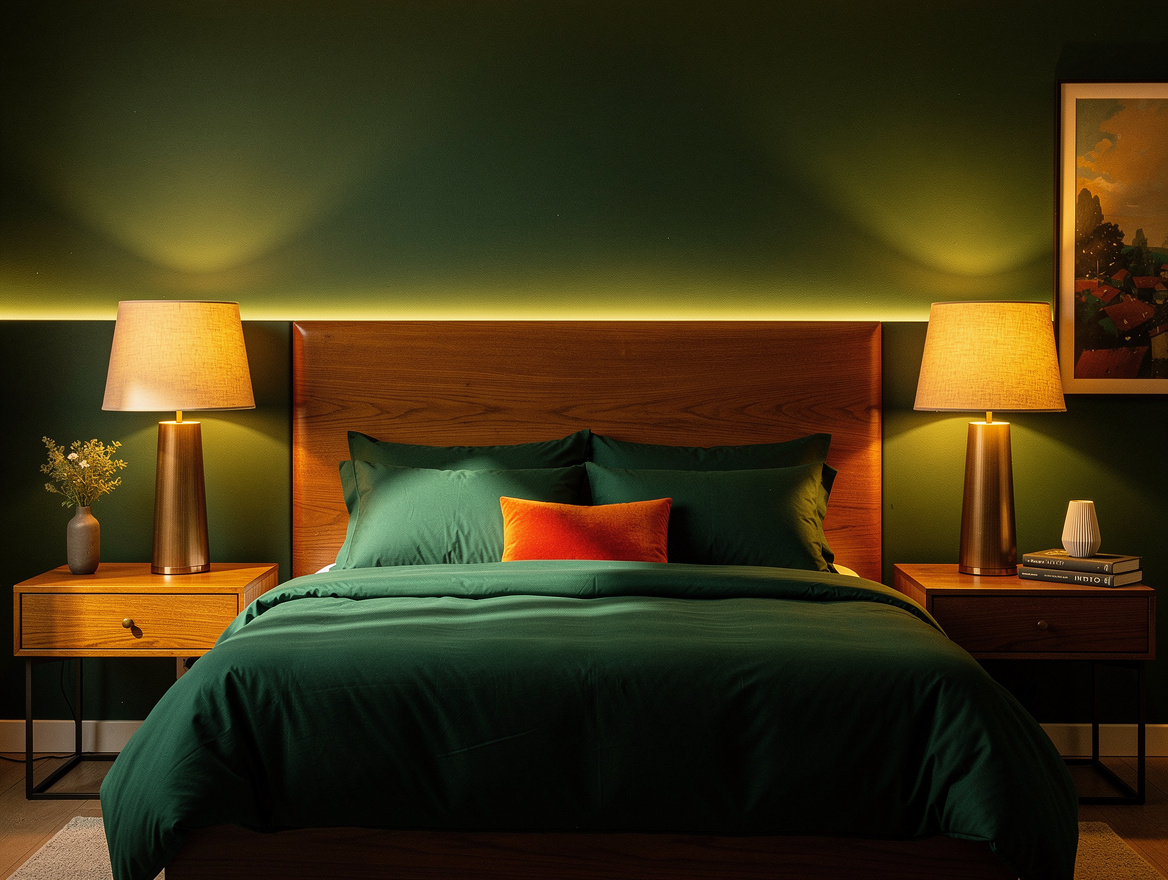
When I needed more surface space, I chose the IKEA TÄRNABY lamp, a visible-bulb, lantern-style design that is about 10 inches high with a 15-centimeter base diameter. Its compact footprint works well on a narrow nightstand, and the anthracite, beige, or dark-yellow finishes add a deliberate color note.
The regular US price is about $34.99, with the bulb purchased separately. I would use one on each side only when the tables can handle the visual weight, otherwise a pair of plug-in sconces keeps the room calmer.
Separate Reading From Relaxing
For reading, I kept a separately controlled Philips Ultra Definition A19 Warm Glow bulb near 2700K instead of raising the brightness of the entire bedroom. Home Depot lists a four-pack at about $12.90, or roughly $3.23 per bulb, though compatible dimming control is still required.
Dressing and wardrobe lighting can sit around 3000K to 4000K as a separate task zone, then switch off when the evening mood begins. My rule is simple: useful light belongs near the activity, while the rest of the room stays low and warm.
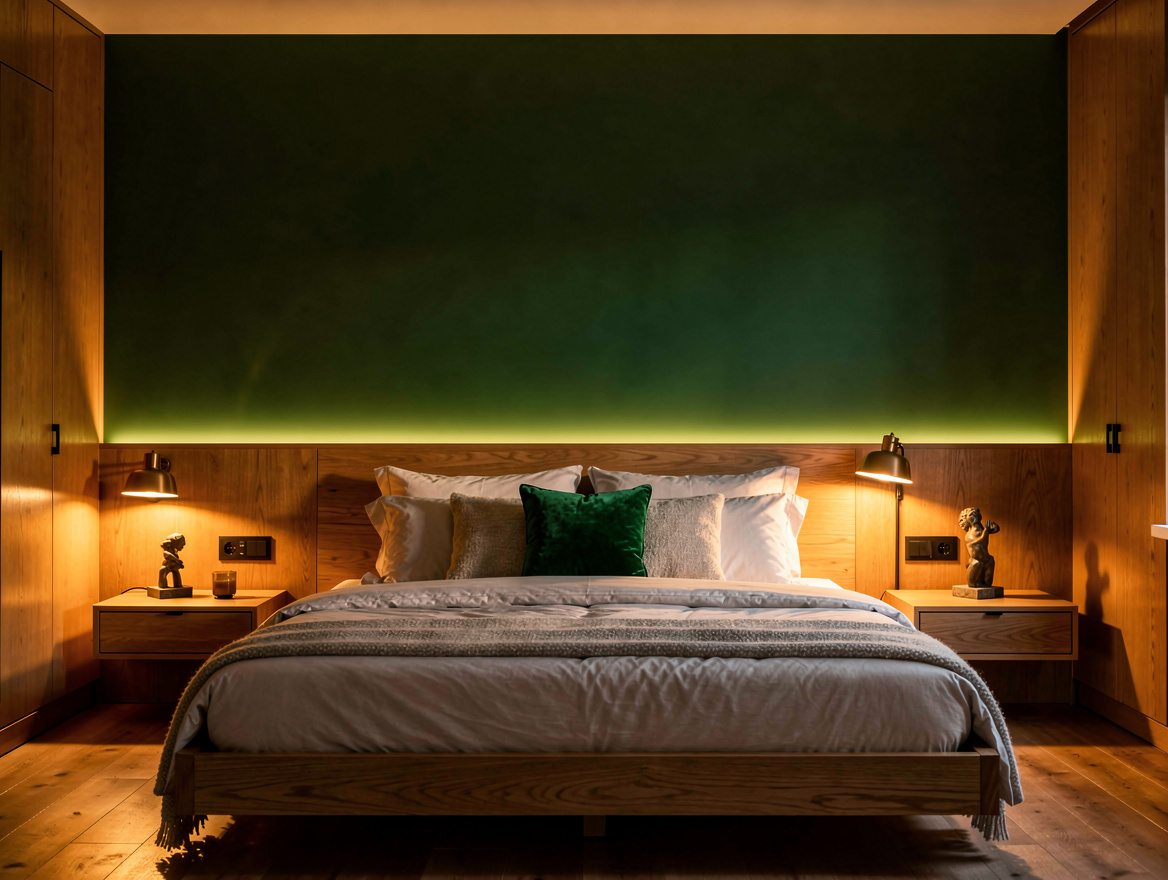
Begin with one dim-to-warm bulb in the lamp you already own, then add a shade before buying more fixtures. That small test will show whether your room needs warmer color, lower brightness, or simply better control.
Mia Carter writes about small-space living and budget home makeovers. She has restyled three rentals and tests most ideas in her own 45 sqm flat.