A full-size bed is typically about 54 inches wide before you add nightstands, bedding, or a walkway. In my small bedroom, a traditional headboard made that width feel even tighter, so I tested wall treatments that created the same sense of focus without pushing farther into the room.
The winning ideas were flatter, lighter, and easier to change. Paint, fabric, trim, and carefully chosen wall decor gave the bed a finished backdrop while leaving the floor open.
These alternatives work best when you treat the wall as part of the furniture plan. Every inch matters, and the wrong decorative layer can make a compact bedroom feel boxed in.
Paint a Vertical Color Block
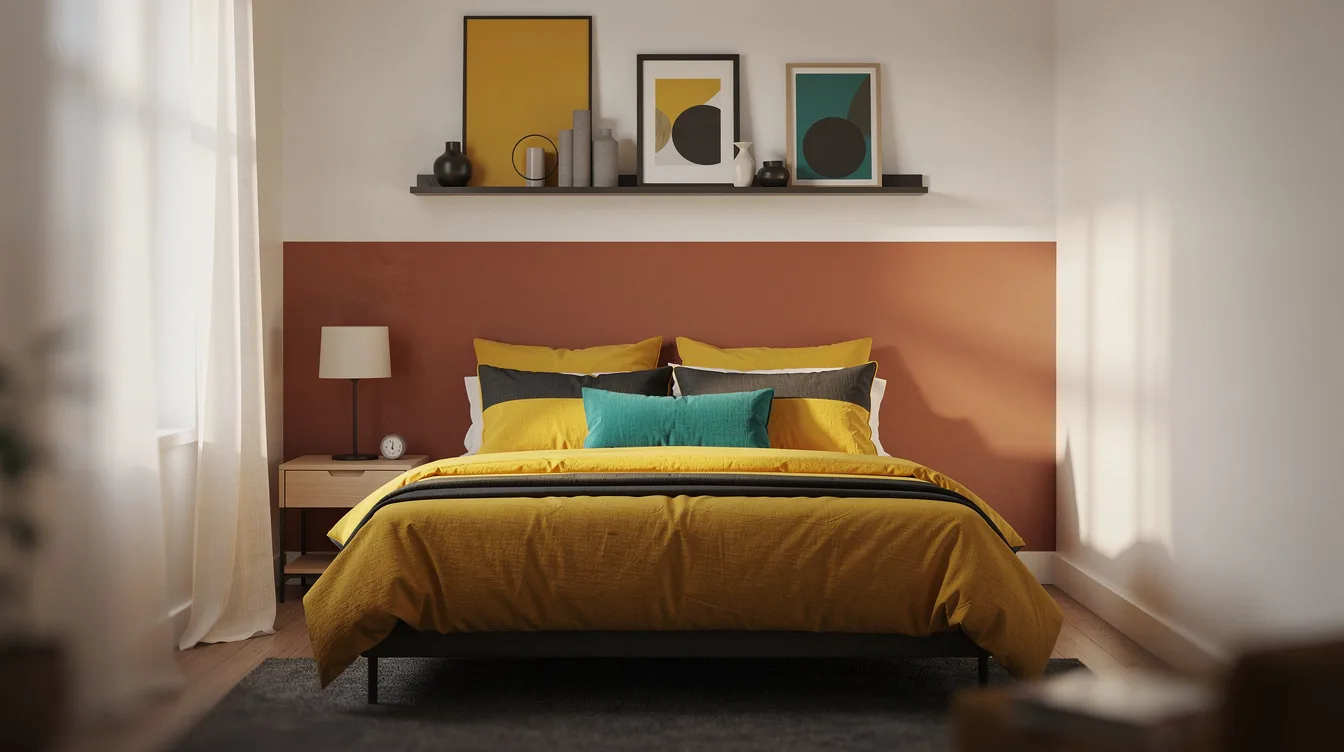
My first move was a painted shape behind the bed, using a soft clay tone from Lowe’s. I stopped the color just above the pillows, which gave the wall a clear focal point without adding a single inch of furniture depth.
A tall rectangle works especially well behind a full-size bed, while a wider band can make a narrow room feel more balanced. Keep the finish matte, because glossy paint catches every lamp reflection and makes a small wall feel busier.
I used crisp painter’s tape and left the rest of the wall warm white. That simple contrast gave me the visual weight of a painted headboard without the bulky frame.
Hang a Flat Textile Behind the Pillows
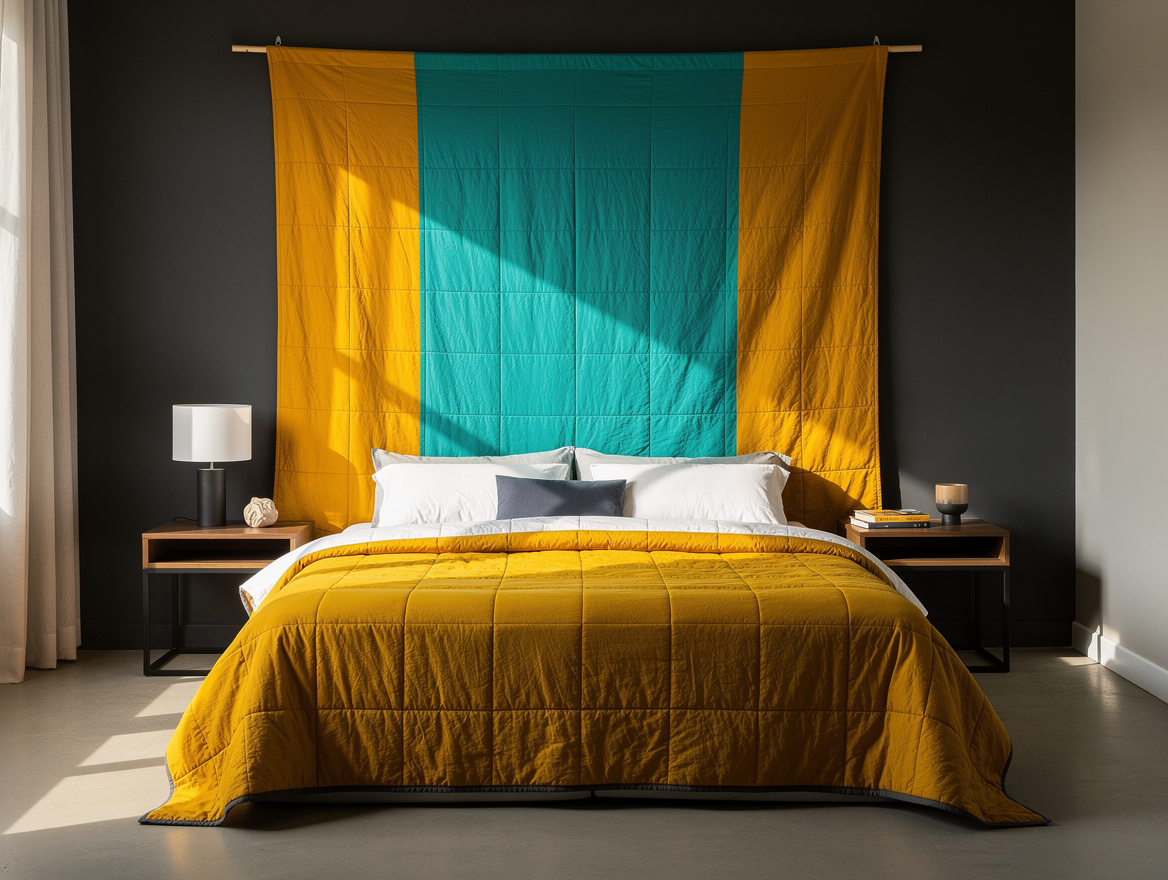
A lightweight quilt can soften the wall while staying nearly flush against it. I like a washed cotton coverlet from Target, hung from a slim wooden dowel secured with hardware from Ace Hardware.
Choose a textile with enough width to extend slightly beyond the mattress, then let the lower edge finish around pillow height. The effect feels relaxed and intentional, especially when the fabric has a quiet stripe or small-scale pattern.
Skip thick quilts, heavy tapestries, and anything with deep fringe. A thin cotton textile gives the room texture without creating a ledge that collects dust or steals walking space.
Install a Shallow Picture Ledge
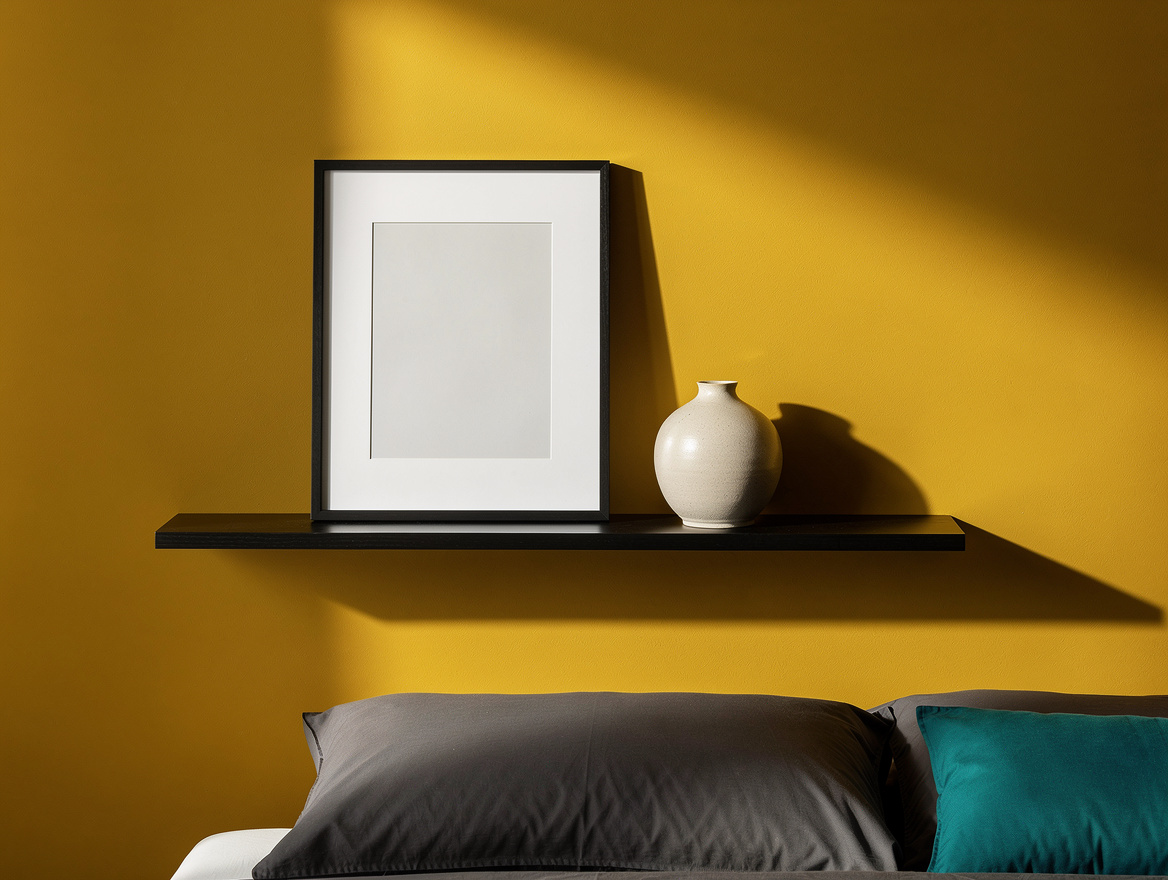
In my tightest bedroom, a picture ledge replaced both the headboard and the usual stack of bedside decoration. The IKEA MOSSLANDA ledge typically costs about $15, making it one of the least expensive ways to create a finished wall.
Mount it high enough to clear the pillows, then lean one small print, a postcard, or a slim ceramic vessel against the wall. Keep the objects restrained, because a crowded ledge quickly becomes a visual shelf above your face.
A pale wood finish warms a cool room, while a white picture ledge nearly disappears against the wall. Secure it properly before adding anything breakable, particularly if the bed sits directly below it.
Frame the Bed With Flat Trim
Flat trim creates architectural definition without the projection of shiplap or a freestanding panel. I used narrow primed trim from Lowe’s to outline a simple rectangle behind the mattress.
Paint the trim the same color as the wall for a quiet, tailored effect, or use a slightly deeper tone for sharper contrast. The best version looks deliberate from across the room and almost disappears when you stand beside the bed.
Keep the corners clean and the shape slightly wider than the mattress. A thin wood trim frame gives the wall structure while leaving every inch of floor available for storage or movement.
Lean Into One Oversized Print
One large artwork can anchor a bed more effectively than several small pieces fighting for attention. I chose a low-profile framed textile from Wayfair, with a muted pattern that repeated the room’s bedding color.
Look for a slim frame and a lightweight backing, then hang it securely rather than resting it on the floor. A large neutral art print adds personality without the deep side rails and posts that make many headboards feel oversized.
Leave breathing room around the artwork, especially in a room with a narrow ceiling line. The wall should still feel calm when the bed is made with plain cotton sheets and one textured throw.
Add Wall-Mounted Light Instead
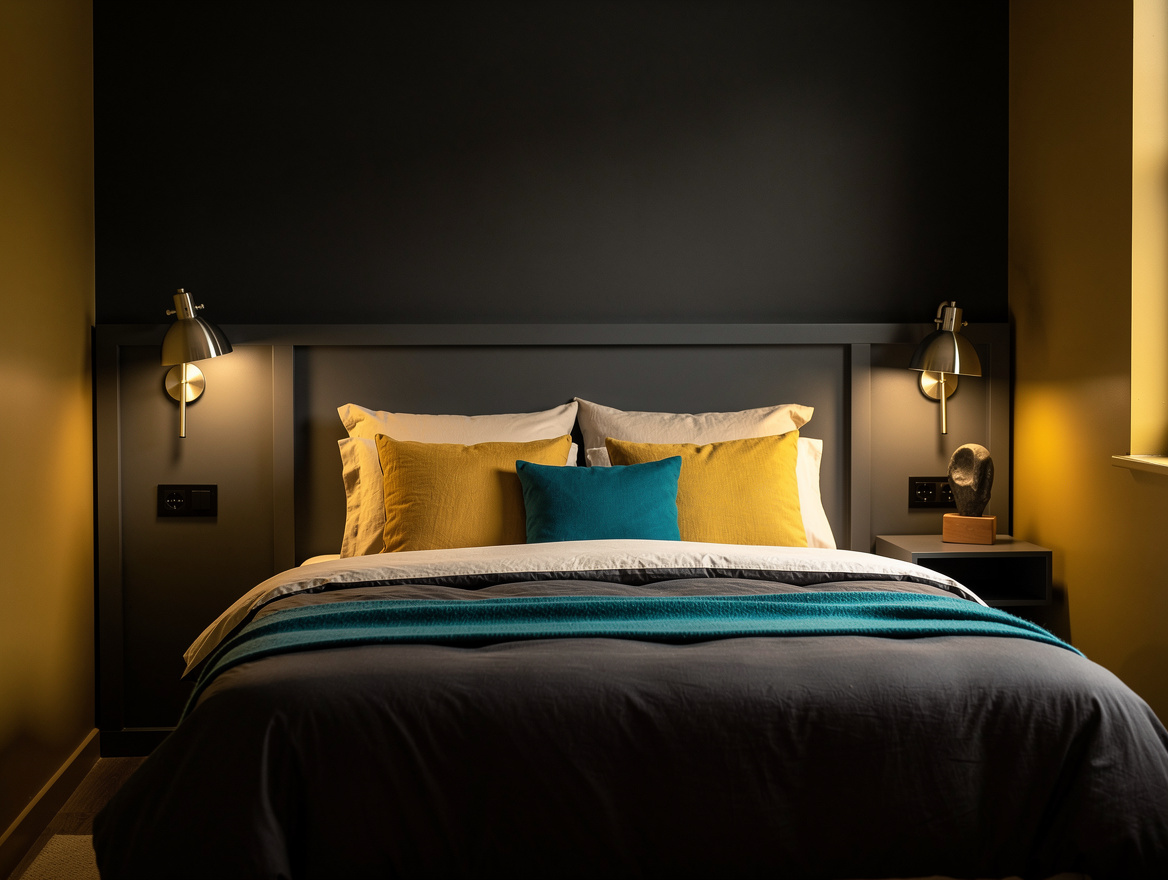
Lighting can give the bed a strong visual boundary while replacing the function of a headboard. I used compact IKEA NÄVLINGE wall lamps on either side, keeping the nightstands clear and the wall plane open.
Choose fixtures with adjustable arms or a small shade, and run the cords neatly along the wall until they can be hidden. A warm bulb makes the bedding feel softer at night, while a simple wall-mounted lamp keeps the room from needing tall furniture.
For a rental, plug-in sconces from Amazon can create a similar arrangement without permanent wiring. Place the controls within reach, because a beautiful light that requires getting out of bed is poor small-room planning.
Start with the wall treatment that solves your biggest problem: paint for visual height, fabric for softness, or a shallow ledge for useful display space. Measure the bed, mark the pillow line, and keep the deepest element nearly flush with the wall.
That small discipline leaves room for better storage, easier cleaning, and a bedroom that feels considered instead of crowded.
Mia Carter writes about small-space living and budget home makeovers. She has restyled three rentals and tests most ideas in her own 45 sqm flat.