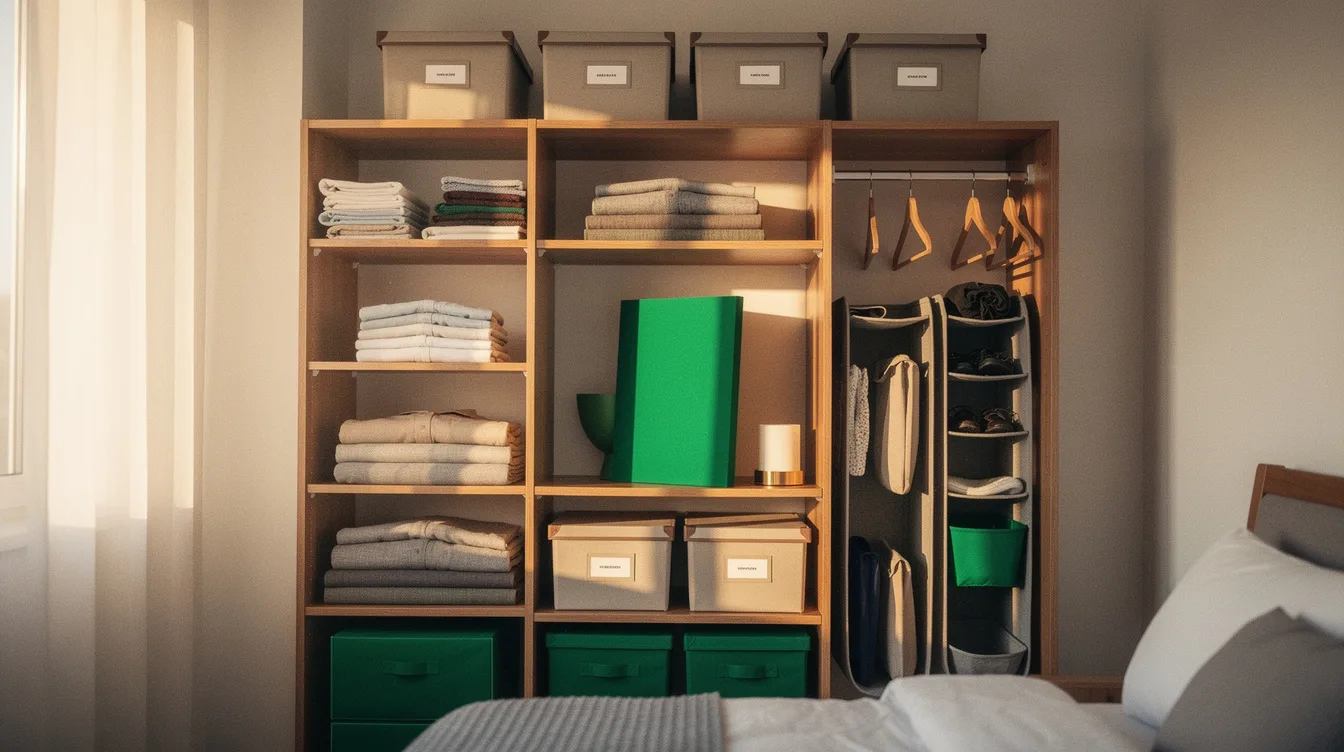
A small bedroom closet with about 4 feet of hanging space can hold plenty of clothing, yet it often fails at the one job that matters: showing you what you own. The usual culprit is a shelf crowded with mismatched boxes, where useful pieces vanish behind bulky seasonal items.
Labeled bins help, but only when each container has a clear assignment and a reachable location. The fix begins with measurements, continues through vertical storage, and ends with a reset zone that keeps clutter from returning.
Measure Before You Buy Bins
A closet becomes harder to use when storage products arrive before anyone checks the available space. Use a metal tape measure to record shelf depth, hanging height, door clearance, and the gap between the floor and the lowest shelf.
Leave about 1 inch of breathing room around each container so you can pull it out without disturbing its neighbors. A typical narrow closet benefits from shallow bins, while deep shelves can handle larger boxes without hiding what sits behind them.
Write those measurements on your phone before shopping. An IKEA SKUBB box may cost around $10 to $15, but the useful choice is the one that fits the shelf you already have.
Sort Clothes by Daily Frequency
Start with the clothes you reach for every week, then separate occasional pieces, accessories, and items waiting for repair. A Target Brightroom bin works well for folded sleepwear, workout clothes, or spare layers because its contents remain easy to group.
Keep daily clothes between shoulder and waist height. Put formalwear, heavy sweaters, and backup linens higher or lower, where they can stay out of the way without competing with your morning routine.
Use one category per bin and keep the category broad enough to maintain. A Walmart Mainstays cube is more useful labeled “cold-weather layers” than divided into tiny sections that collapse after one busy week.
Stack Rigid Bins for Hidden Storage
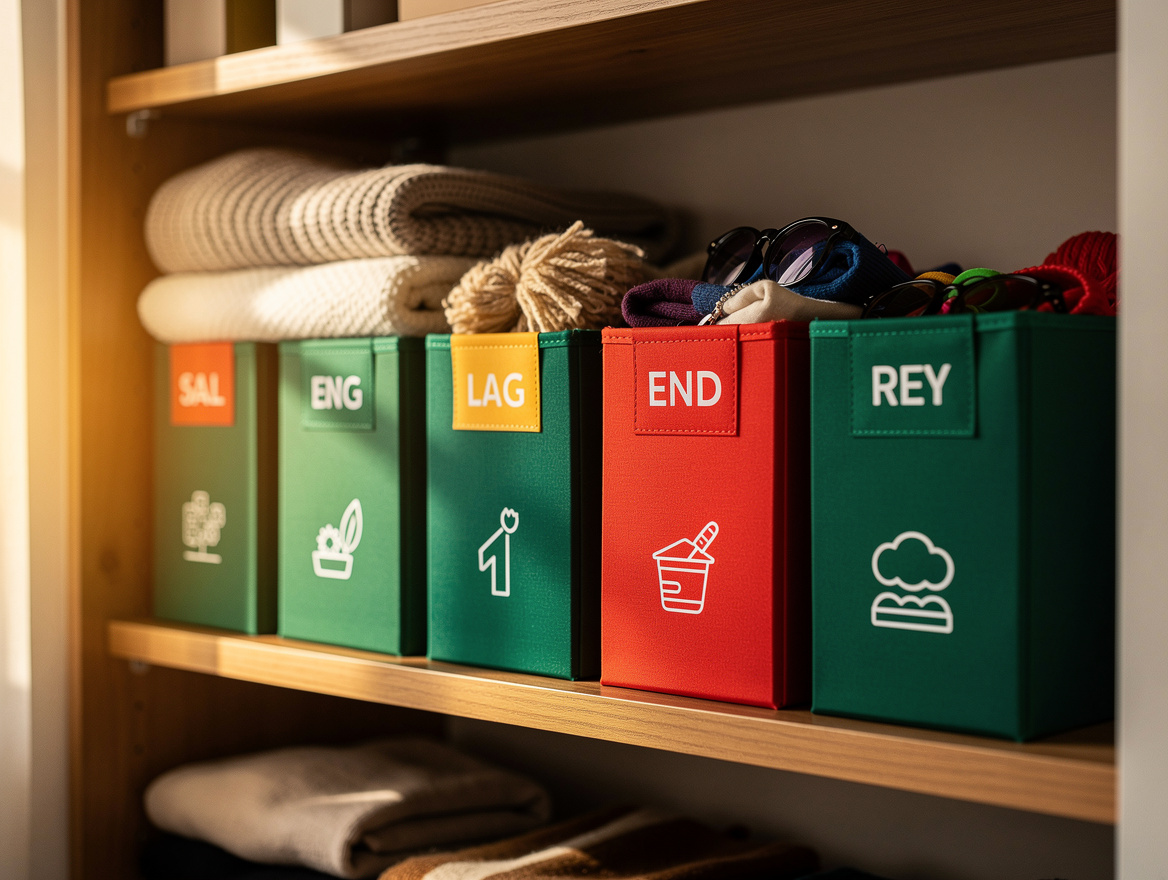
Soft bags sag when stacked, which makes a small closet feel disorganized even when every item has a home. Choose rigid containers for the upper shelves, such as a Home Depot HDX tote priced around $8 to $15, and reserve them for items you use less often.
Place the heaviest container on the lowest shelf and lighter ones above it. Leave the front edge visible so each bin can slide forward without forcing you to unload the entire stack.
For small accessories, use a shallow clear polypropylene bin rather than a deep box. Belts, scarves, and spare socks disappear in oversized containers, while a lower profile keeps the contents visible at a glance.
Use Vertical Space Without Blocking Clothes
Most small closets waste the area above the top shelf and along the side walls. Add a Lowe’s Project Source shelf or a similar adjustable shelf only after confirming that it will not press against hanging garments.
A hanging organizer can hold folded denim, handbags, or small accessories without taking up another section of the rod. An Amazon Basics hanging organizer typically costs about $15 to $25, and its fabric compartments work best for lightweight items.
Keep the rod reserved for pieces that wrinkle easily. A slim shelf or organizer should support the closet, not create a second crowded wall that blocks your view of the clothes underneath.
Label the Front of Every Container
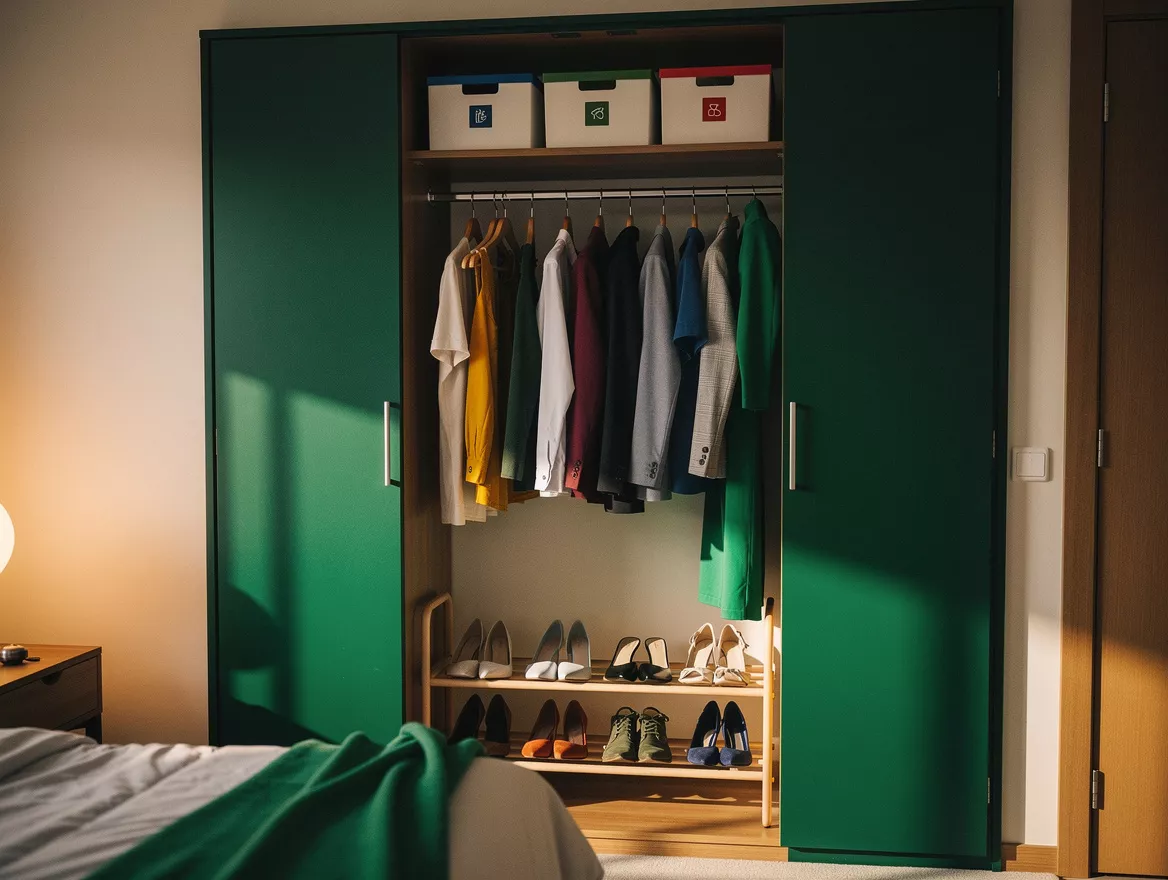
Labels reduce the need to open every box when you are in a hurry. Use a white adhesive label on the front of each bin, even when the container is clear, because the label gives the closet a consistent visual map.
Choose category names you will understand six months from now: “extra bedding,” “winter accessories,” or “donation bag.” A black paint marker gives a plain plastic bin a clean finish, and it usually costs around $3 to $6.
Place labels at eye level whenever possible. For a high shelf, attach a kraft-paper tag to the handle or front edge so you can identify the contents from the floor.
Leave Room for the Closet to Breathe
A closet needs a small amount of empty space to remain usable. Keep the floor clear enough to reach the back wall, and avoid filling every inch of the rod with hangers that scrape together whenever you pull out one shirt.
Use a narrow oak shoe rack for footwear instead of scattering pairs across the floor. A typical compact rack costs about $30 to $60, and its open shelves make it easier to spot the pair you want.
Store rarely worn shoes or guest linens in a linen storage bag on the highest shelf. Soft-sided storage is practical there because it can compress slightly, but daily items deserve rigid, easy-access containers.
Create One Permanent Reset Zone
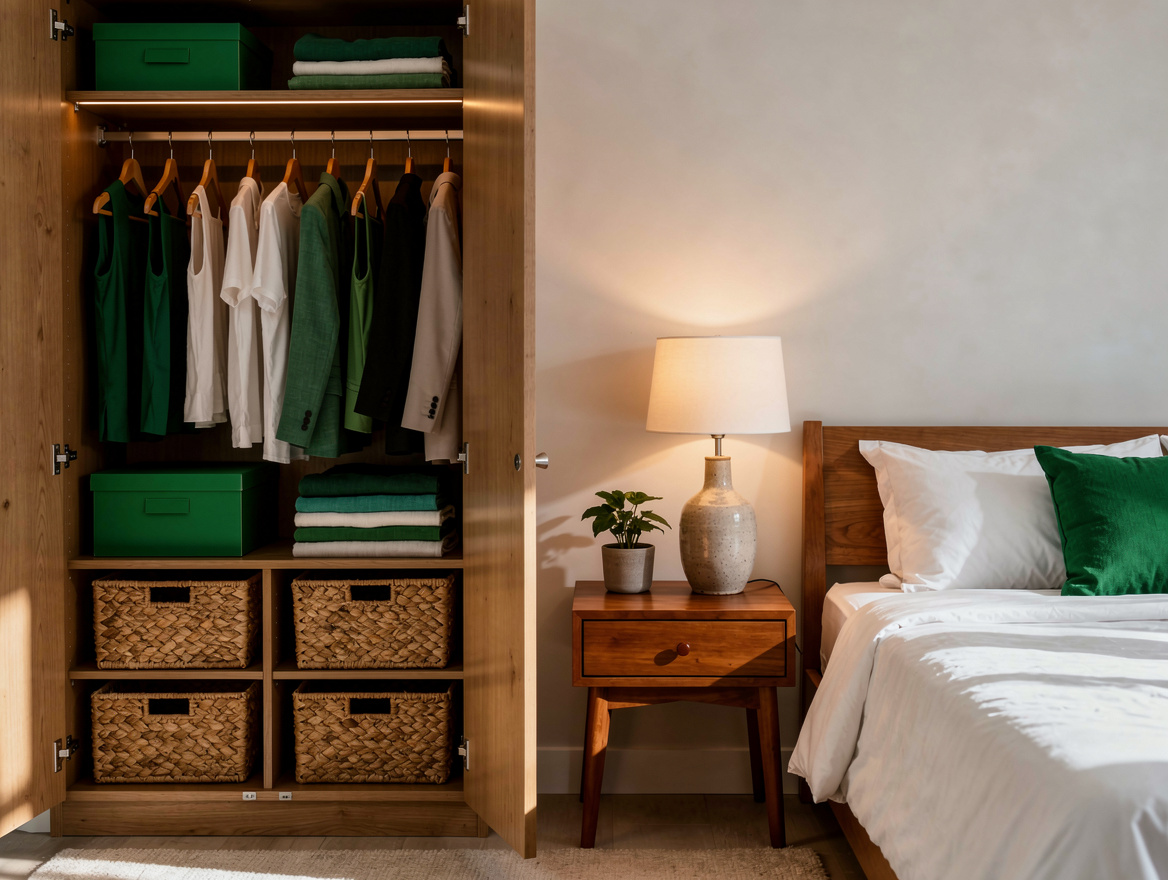
Every organized closet needs a place for items that do not yet belong in a final category. Set one Target Brightroom basket near the closet entrance for returns, donations, repairs, or clothes that need another wash.
Empty that basket once a week and send each item to its next destination. This simple reset prevents the floor from becoming a temporary landing place that quietly turns into permanent storage.
Keep the basket smaller than your instinct suggests. When it fills quickly, the visible limit makes excess obvious and gives you a clear reason to make a decision.
Begin with one shelf, one category, and one clearly labeled bin. Once that zone works for a full week, repeat the same logic across the rest of the closet, leaving enough open space to keep the system usable.
Mia Carter writes about small-space living and budget home makeovers. She has restyled three rentals and tests most ideas in her own 45 sqm flat.