
I spent one fall turning my living room into a cozy book club hosting space, and the makeover stayed under the typical $200-$800 budget tier. The room started cold and scattered. I changed the light, seating, textures, and book menu first. By meeting night, everyone lingered past dessert!
- ✓ Layer a Three-Height Light Stack
- ✓ Anchor the Seating With a Conversation Radius
- ✓ Paint One Wall With Pigeon Gray
Here’s What It Looked Like Before
The room had a gray sofa, one overhead fixture, bare windows, and books stacked wherever a surface happened to be free. The layout wasn’t terrible, but you could feel the room asking everyone to leave after the discussion ended. I kept the large furniture because replacing it wasn’t part of my budget.
I documented the before exactly as it was, including the crooked art and the basket of blankets nobody used. If you’re planning your own hosting book club ideas, take that note first. You’ll spot the real problems faster, and you won’t waste money correcting details that only bother you in a picture.
- Layer a Three-Height Light Stack
- Anchor the Seating With a Conversation Radius
- Paint One Wall With Pigeon Gray
- Build the Two-Wood Rule
- Swap Matching Cushions for Reading Textures
- What Makes a Small Room Feel Ready?
- Frame the Book Menu as Part of the Decor
- Hang Art at the Reading Line
- Create a Soft Landing for Coats and Bags
- Mix Old Books With a Clear Shelf Rhythm
- Choose Warm Wood Over Matching Furniture
- Fold Throws Into Visible Invitation
- Set a Bookish Snack Station
- Mark Each Seat With One Useful Object
- Add a Small Reading Corner Instead of More Decor
- Finish With the Three-Object Table Edit
1Layer a Three-Height Light Stack
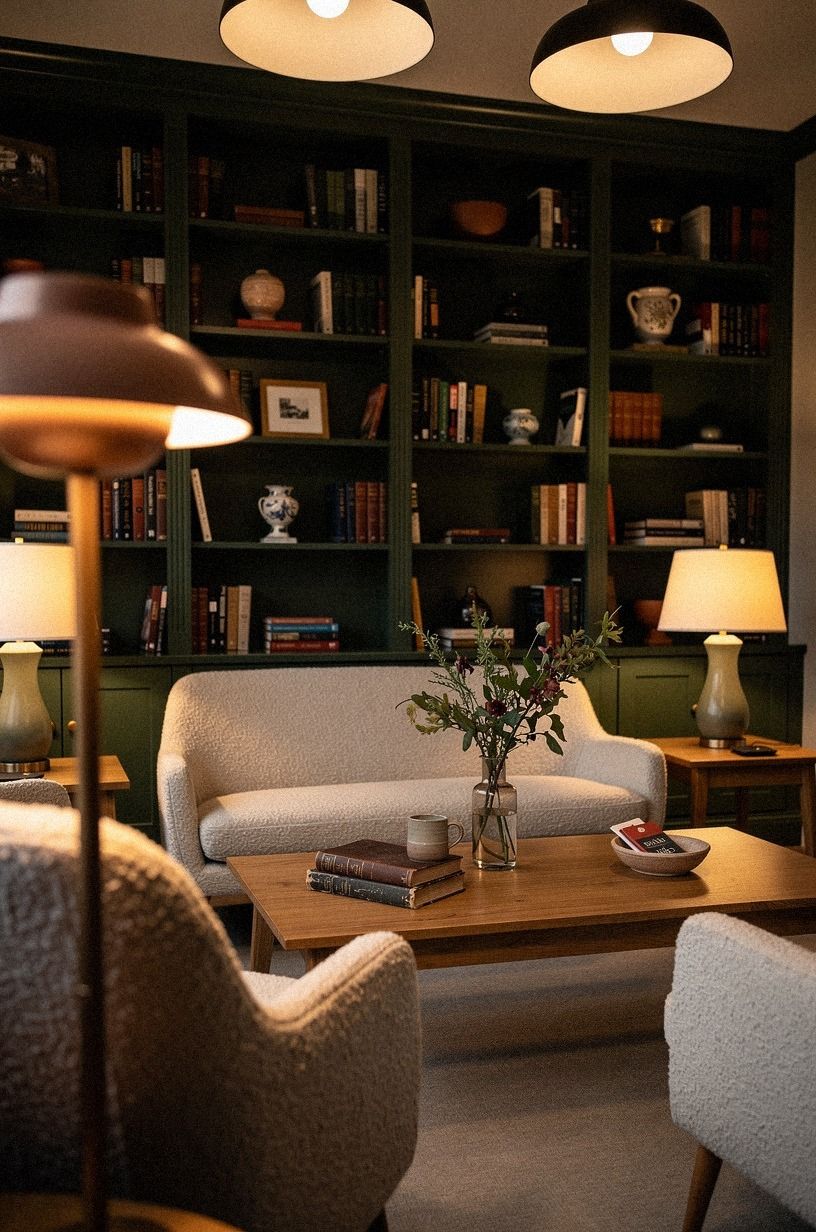
I started with light because the ceiling fixture made every face look tired. The Three-Height Light Stack uses one overhead source, one task source, and one low ambient source. That matches the standard of 3 lighting sources per room, and your book club will feel calmer without making the room dim.
My overhead light stayed off. A shaded floor lamp stood beside the sofa, a small table lamp sat near the snacks, and a candle rested on the coffee table.
The pool of light stopped at the edge of the rug, which felt intimate rather than gloomy. You’ll want warm bulbs, and you don’t need a new fixture if your current lamps already work.
The room’s forest green, rust, and natural oak palette did most of the warming. An organic bouclé chair added softness without another color.
For your room, I’d skip exposed bulbs. They look refined in some settings, but they make conversation faces look harsh.
2Anchor the Seating With a Conversation Radius
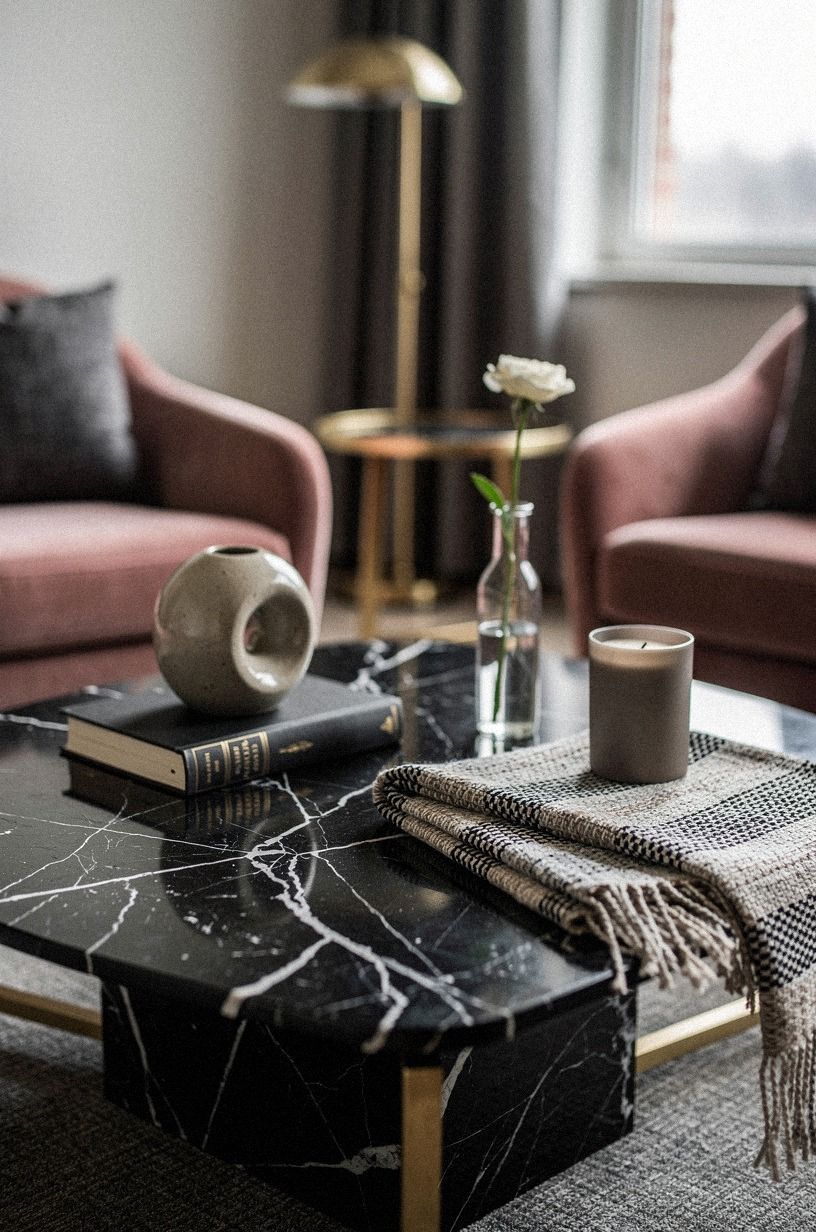
The room needed a clear place to talk, so I pulled the chairs closer instead of buying more furniture.
3Paint One Wall With Pigeon Gray
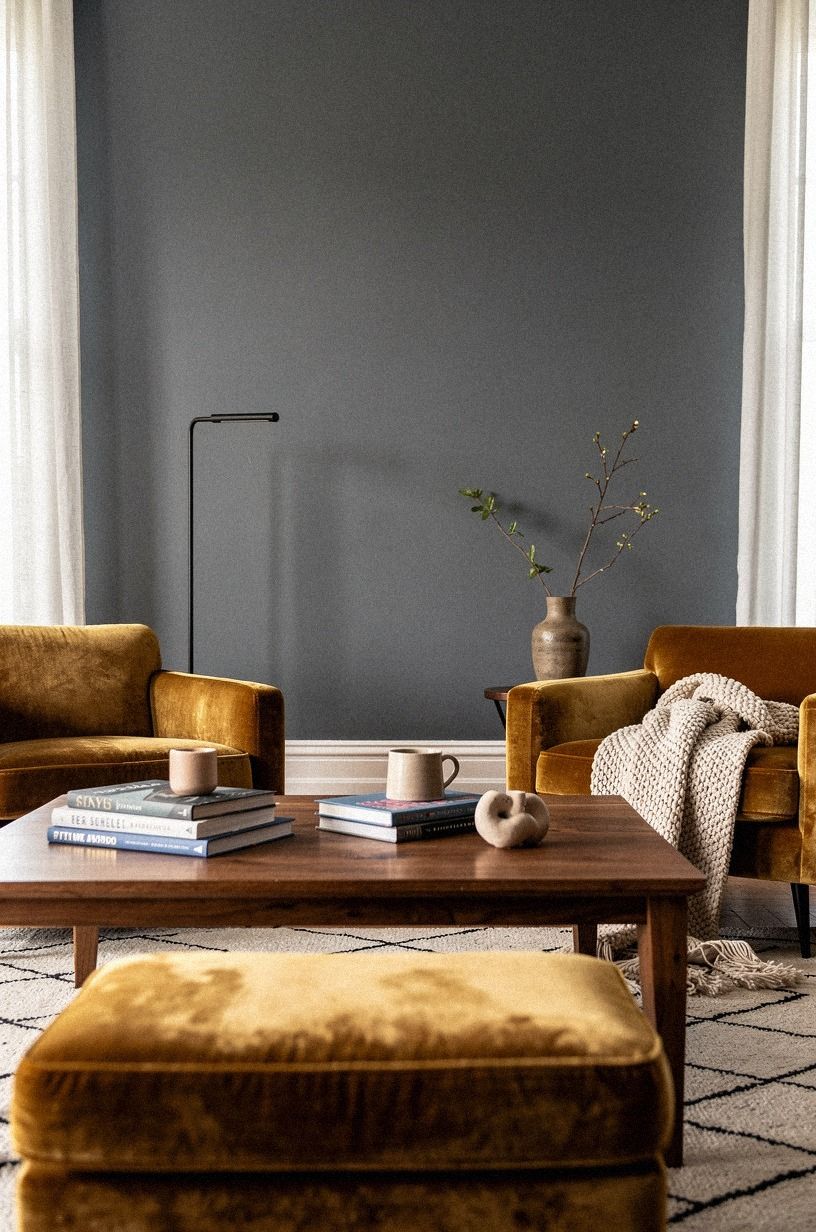
I didn’t repaint the whole room. I painted the wall behind the sofa in Benjamin Moore White Dove OC-17, a warm white that changed under the lamp from clean to creamy. You can create a stronger reading nook with one wall, and your existing furniture won’t have to match a brand-new palette.
The first coat looked flat in daylight, so I waited until evening before judging it. That’s important if your room faces north or has only one window. I used Farrow & Ball Off-Black No.57 on a narrow accent detail, and the black stopped the warm white from feeling too soft.
A deep-pile camel mohair velvet cushion added warmth beside the sofa. But I wouldn’t pair this palette with bright blue-white trim.
That contrast made the room feel icy. Your better move is a gentle white, camel textile, or a controlled black accent.
For more seasonal color direction, I borrowed ideas from this fall home decor checklist.
4Build the Two-Wood Rule
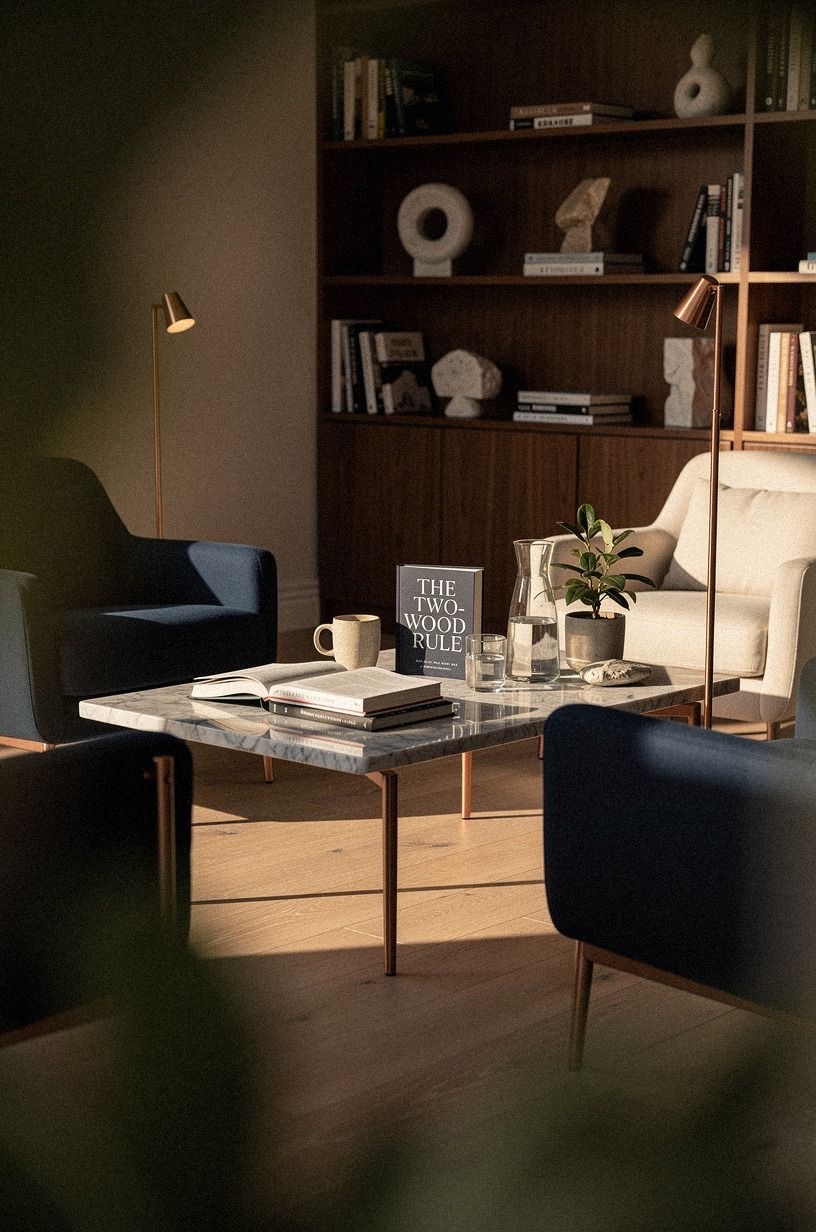
My shelves had too many finishes, so I simplified them with the Two-Wood Rule: one dominant wood and one supporting wood. I kept the larger pieces visually quiet, then used midnight blue, copper, and ivory to give the room more character.
I added a Carrara marble tray with subtle gray veining and one copper-edged frame. The marble caught the afternoon light without making the room feel formal.
I wouldn’t use three or four wood colors here. That approach sounds layered, but it made my room look like a furniture showroom after closing.
A West Elm Anton solid wood table would suit a larger room, though I stayed with what I owned. If you want a related gathering space, our pub-style whiskey lounge ideas show how two finishes can carry an entire room without visual noise.
5Swap Matching Cushions for Reading Textures
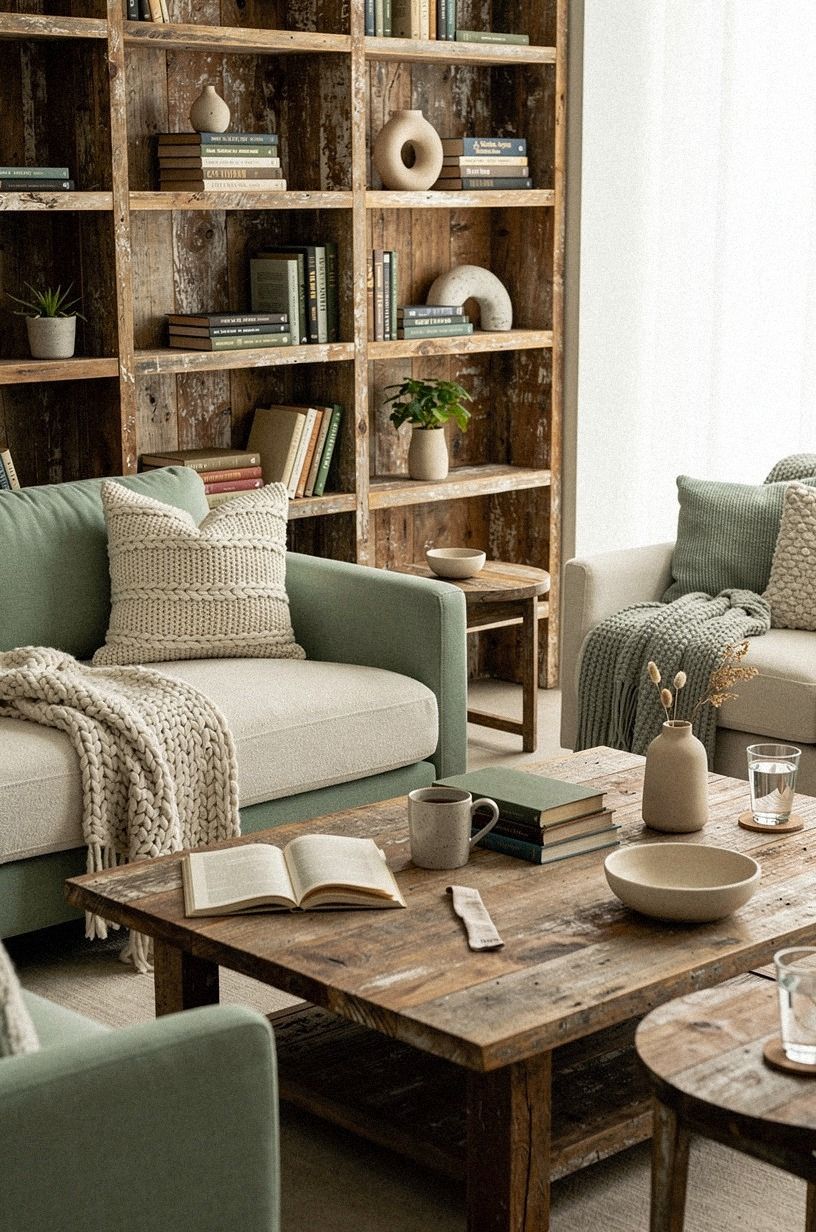
The sofa came with matching gray cushions that looked tidy and felt lifeless. I swapped two for sage-green and warm-cream cushions, then added a reclaimed weathered teak tray near the arm. Your guests won’t analyze every fabric, but they’ll notice the room feels softer when they sit down.
I kept the palette narrow: sage green, warm cream, and natural wood. One IKEA GURLI throw gave me an affordable chunky layer, while a folded merino blanket added warmth without making the sofa look overfilled. If you’re styling a rented home, this is one of the easiest changes to reverse.
The losing option was a matching six-piece cushion set. It saved time, but every seat looked identical and the room lost its gathered feeling.
I went with variety instead. You can find more low-cost craft and textile ideas in these book club craft ideas for a cozy girls night.
6What Makes a Small Room Feel Ready?
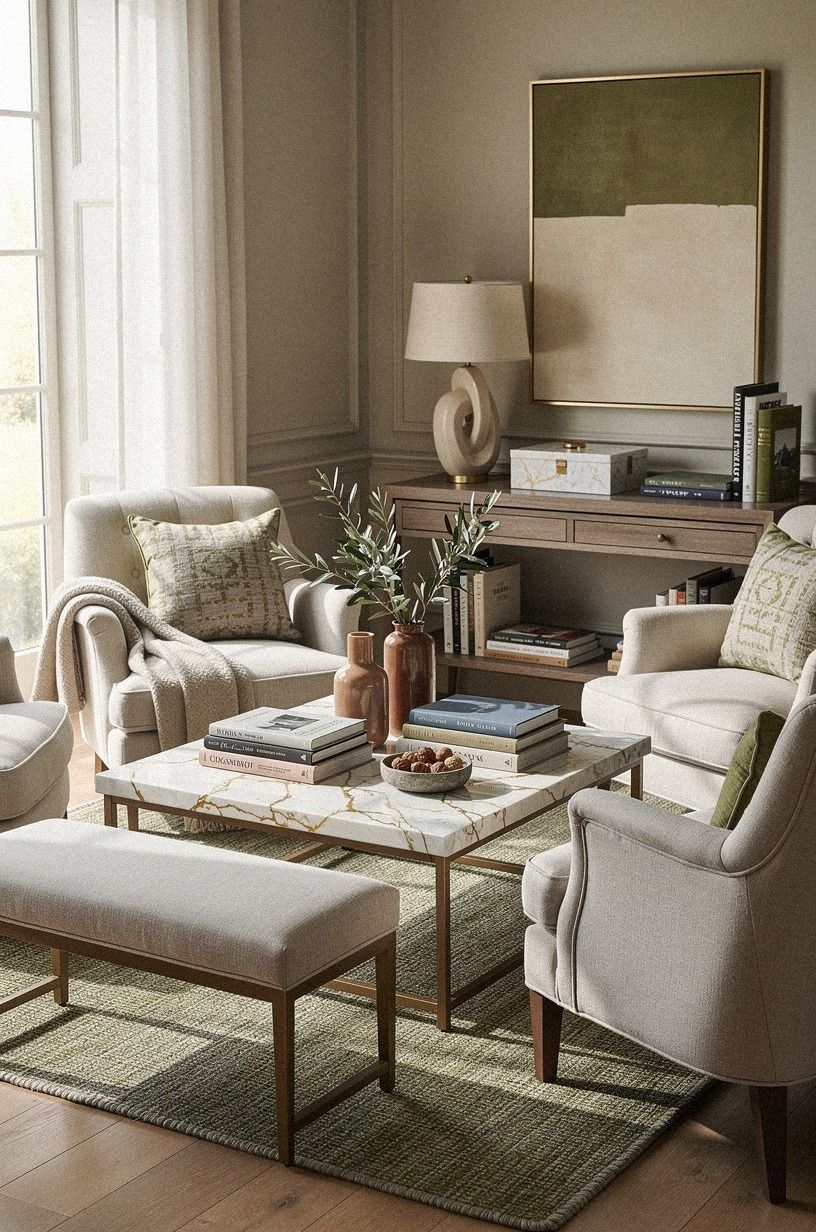
A small room feels ready when every object earns its footprint. I tested a narrow console behind the sofa, then removed it because guests kept bumping into the corners.
Your room may need fewer surfaces, not more styling. The open path mattered more than another place to display a vase.
I kept a small stool with a Calacatta marble top near the window as a flexible seat and book stand. Its subtle gold veining warmed the terracotta, stone, and olive palette, and it could move out of the way during dinner. You’ll want to measure the walking route before buying anything, especially if your group brings coats and bags.
And I left one empty corner on purpose. It gave the room a gentle pause and made the seating feel less crowded. If your club meets monthly, use our monthly book club themes to plan table details without filling every inch.
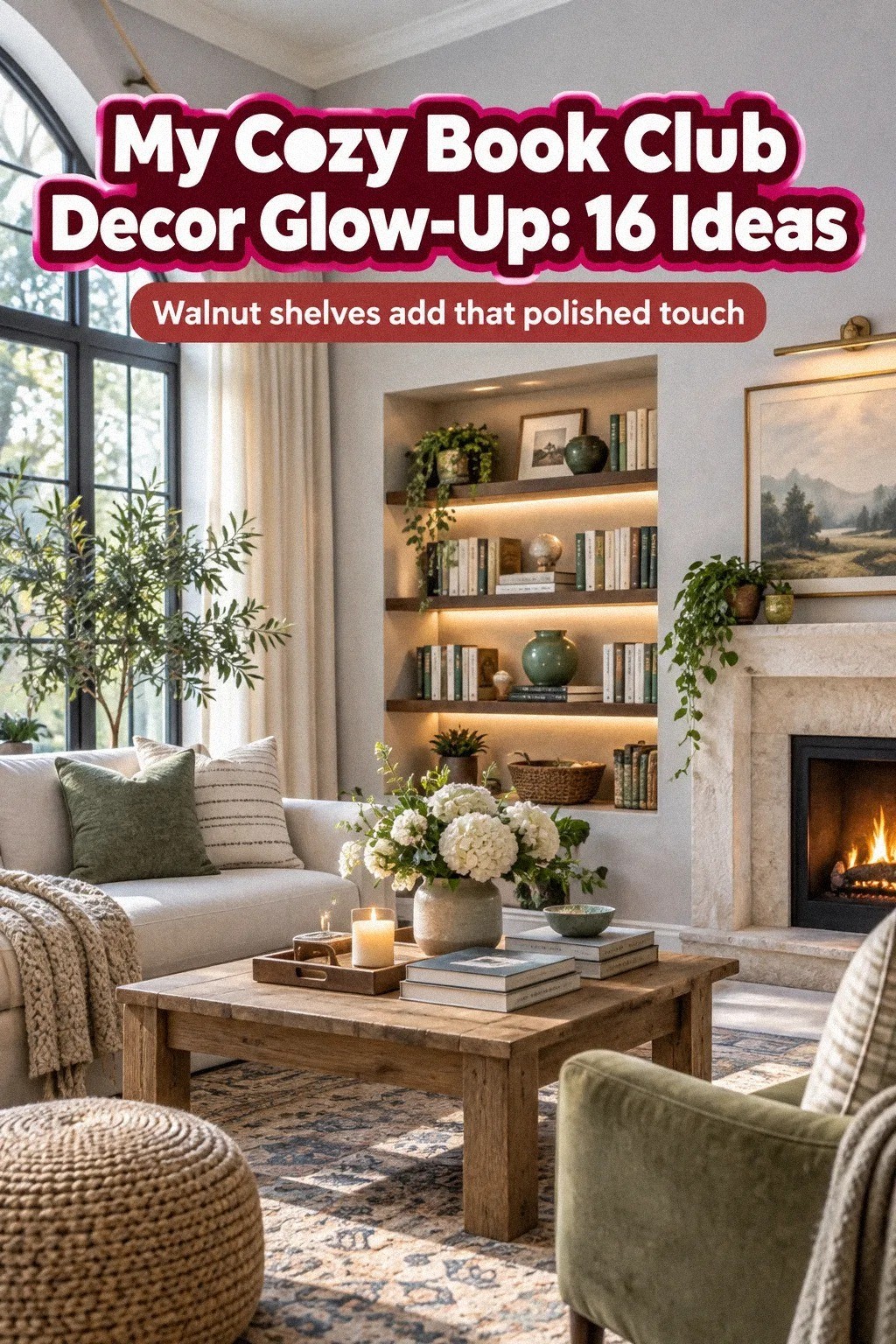
7Frame the Book Menu as Part of the Decor

The book menu became my favorite detail because it gave the gathering a reason to look organized. I wrote the evening’s snack, drink, and discussion order on a small card and placed it beside the entry. Your guests understood the plan before they took off their coats.
I used clay-colored linen card stock, an aged-brass holder, and a black ink pen. No elaborate lettering.
The menu said, “Welcome, soup, discussion, dessert,” with the book title underneath. That was enough to feel intentional without making the night feel like a formal event.
I wouldn’t print a large sign across the room. It would compete with the books and make your hosting look staged. A small card at eye level works better.
Hang its center about 57-60 inches from the floor, the same range I used for the nearby cerused white oak detail.
8Hang Art at the Reading Line
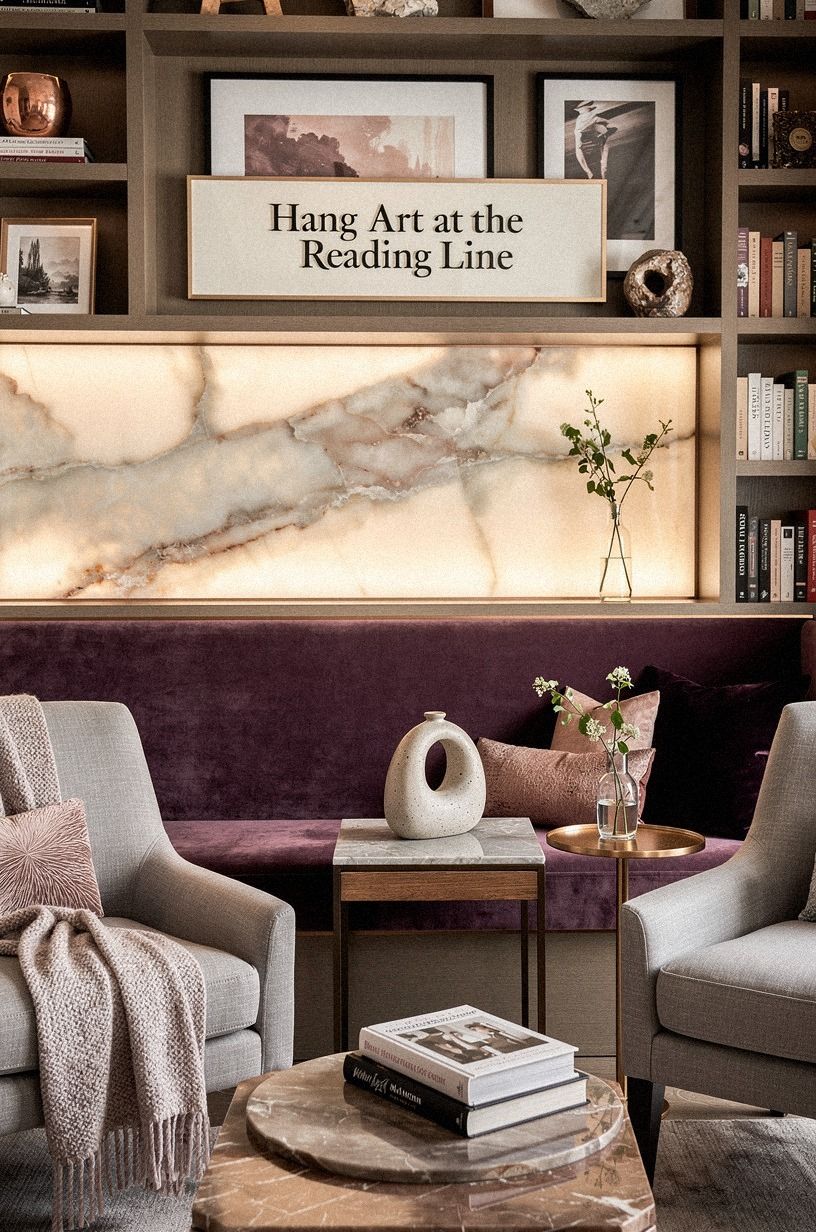
The art above the sofa was too high, so I lowered it to the reading line. The center now sits around 57-60 inches from the floor, which made the seating area feel connected instead of top-heavy. You’ll notice this change before you notice the art itself.
I chose a small backlit translucent onyx panel with plum and gray variation, finished with a rose-gold edge. The warm glow supported the seating without introducing another heavy color. Your art doesn’t need to show books; it only needs to support the mood and scale of the furniture.
But I skipped the gallery wall. Six frames would have crowded the wall and competed with the conversation.
One confident piece felt more welcoming. If you want to prepare the rest of your home for guests, this winter home upgrade guide has similarly small changes.
9Create a Soft Landing for Coats and Bags
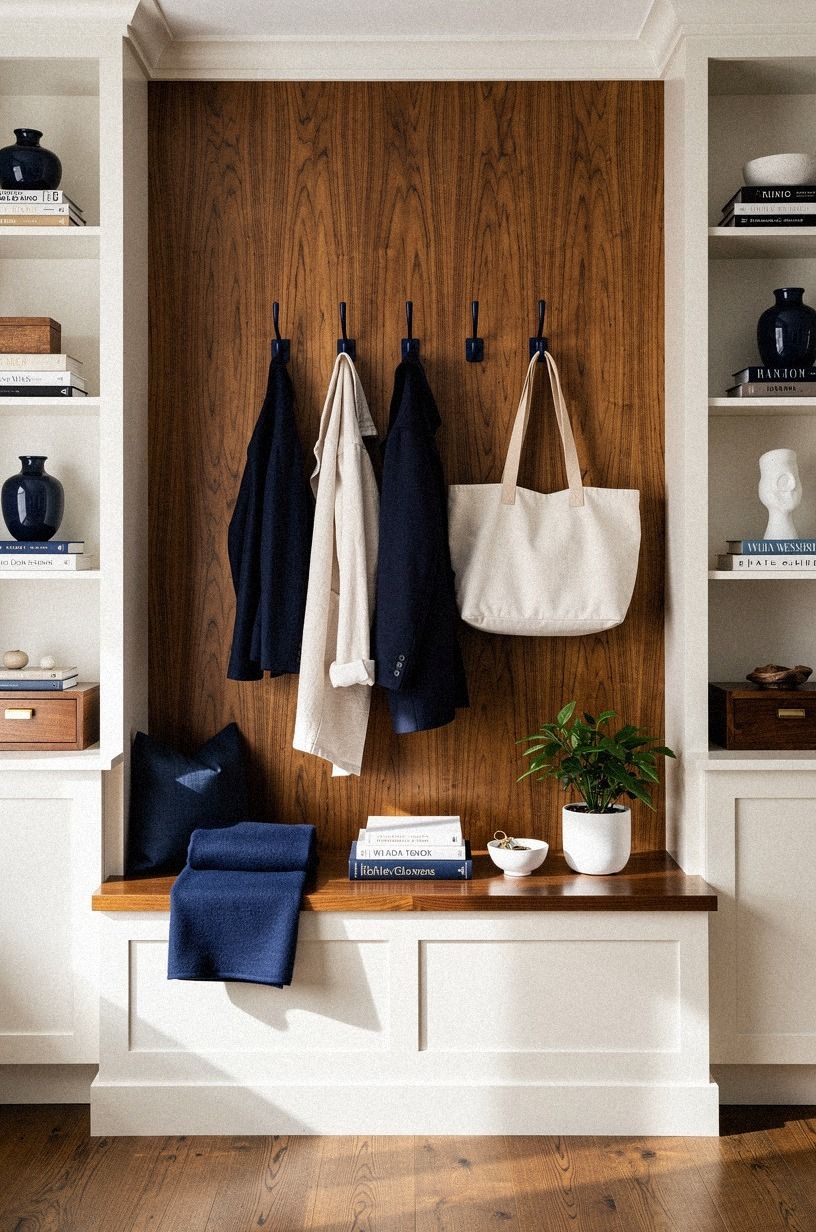
The first meeting exposed a practical problem: coats landed on the sofa, and handbags blocked the snacks. I added a low book-matched walnut drop shelf near the door and a navy basket beneath it. Your guests need a landing place before they need another decoration.
I used white cotton as the basket liner, then placed a small tray beside it for keys. The navy and white kept the entry light, while the walnut added enough weight to feel permanent. You can use a chair for bags, but a defined drop zone keeps your seating open.
The temptation was to buy a tall hall tree. I skipped it because the entry was narrow and the visual weight felt too formal. A low walnut landing shelf looked earthy, practical, and easy to move.
One of the book club craft ideas also gave me a simple label idea for the basket.
10Mix Old Books With a Clear Shelf Rhythm
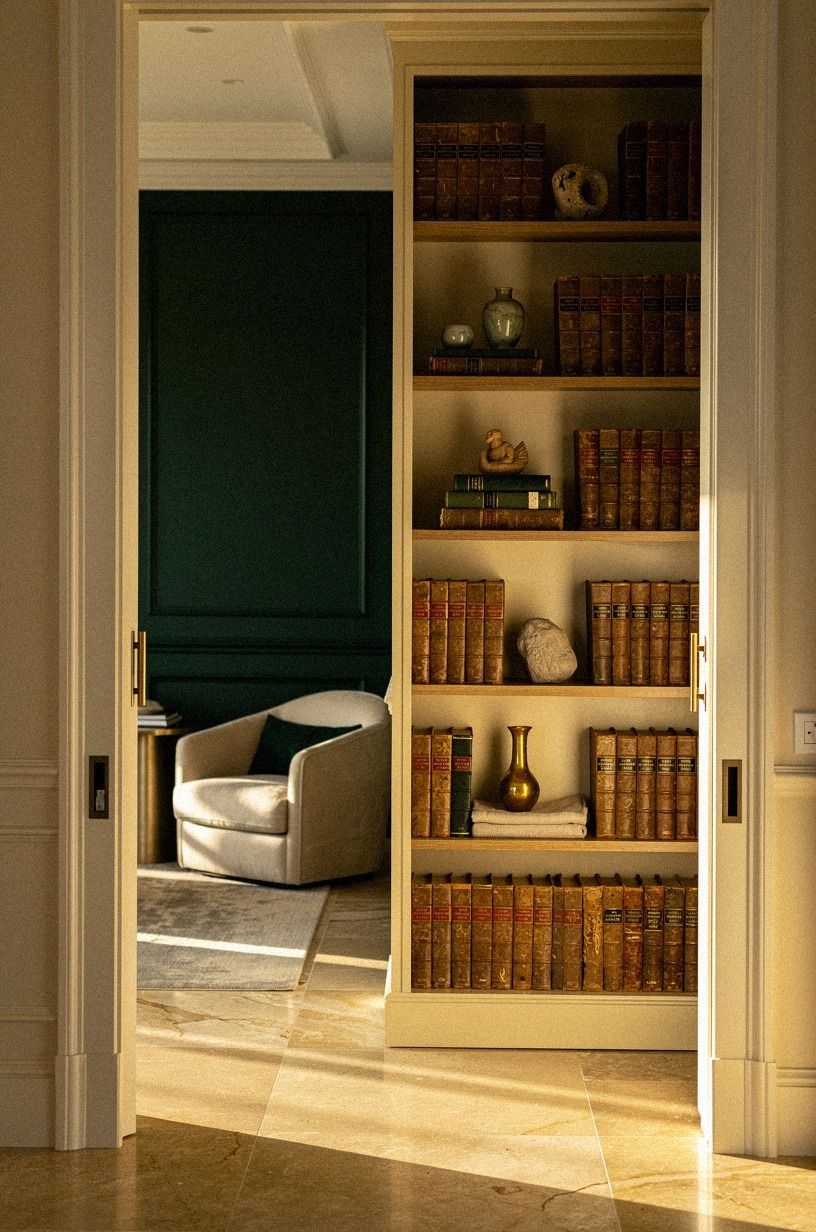
My shelves looked like storage, not a library set up for people. I removed half the paperbacks, grouped the rest by height, and left breathing room around a few favorites. Your books should look used, but the shelf still needs a rhythm.
I stacked three books horizontally on a warm travertine plinth, then stood taller hardcovers beside them. A slim gold reading lamp brightened the group, while a cream ceramic bowl filled the gap. Emerald, gold, and cream gave the shelf energy without making it loud.
And I left a few novels face out. Covers add color more naturally than decorative objects, and your guests will start conversations from them. I wouldn’t arrange every book by color unless you truly love that look.
It made my shelves polished, but less like a room where anyone reads.
11Choose Warm Wood Over Matching Furniture
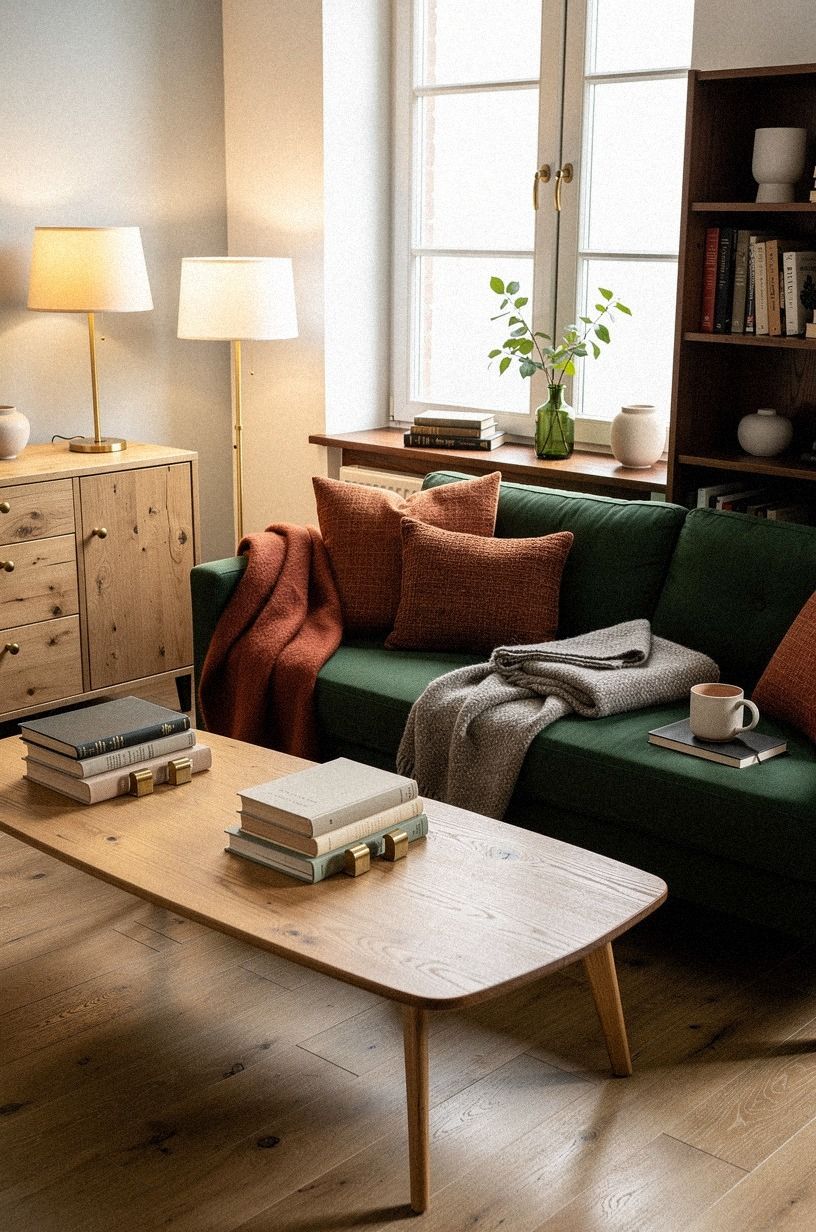
I wanted a second side table, but a matching pair would have made the room feel staged. I chose a small natural oak table instead, with a single drawer for reading glasses and pens. Your furniture can coordinate through shape and scale without matching every finish.
The oak brought warmth to the forest-green palette, while an unlacquered brass pull added a little rust-colored depth as it developed its patina. It also gave me a place to set tea without reaching across someone else’s book. You’ll want one useful surface for every two or three seats, though the exact number depends on your layout.
I wouldn’t buy a complete matching living room set for this kind of gathering. The result can look efficient, but it rarely feels intimate. One mismatched table brought more personality than a perfect pair.
If you’re building the room gradually, start with the surface your guests will use most.
12Fold Throws Into Visible Invitation
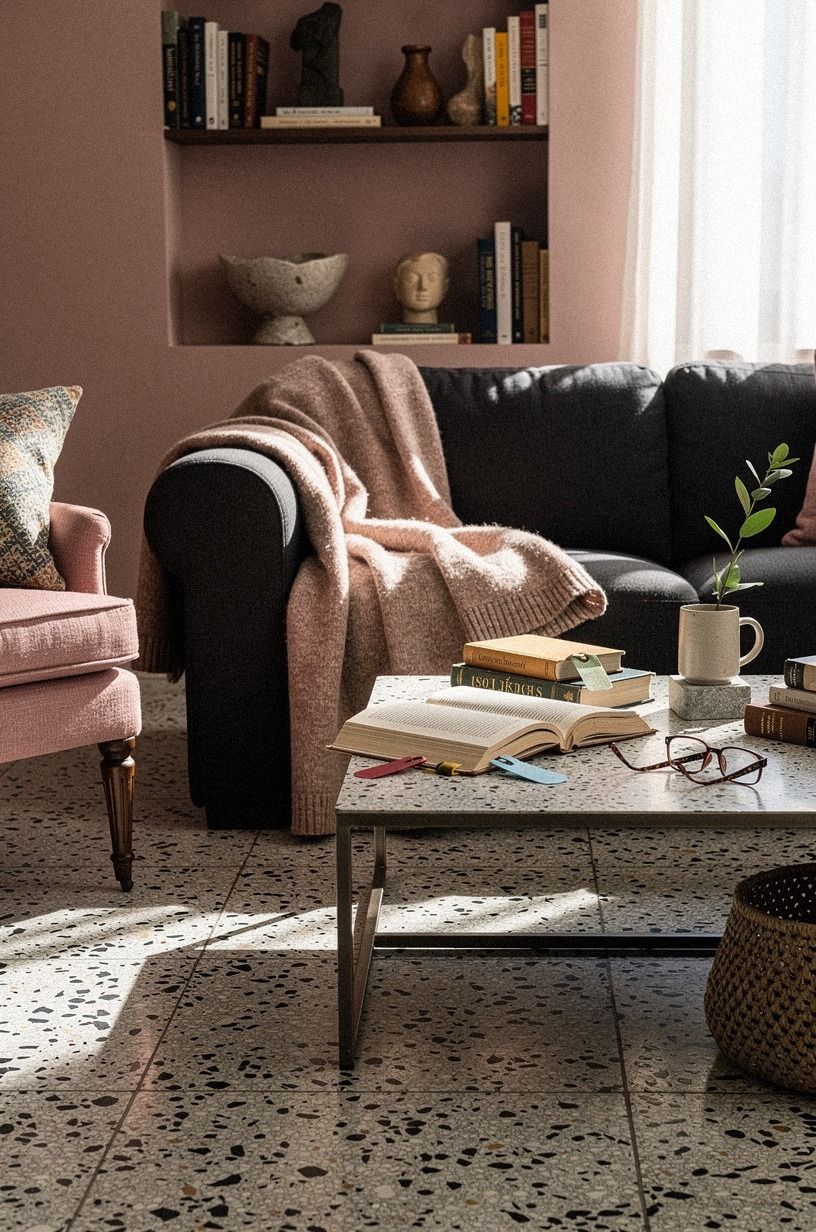
Blankets were already in the house, but nobody used them because they were hidden in a cabinet. I folded a dusty-rose throw with a charcoal edge over the sofa arm and placed one in a basket beside the chair. Your guests need to see comfort before they feel comfortable asking for it.
The best one was a soft dusty-rose throw with a loose fringe. A small brass hook nearby added warmth, while an oversized-chip terrazzo stool gave the basket a stable place to sit. I kept the fold slim and loose so the small sofa wouldn’t look overfilled.
I made one mistake here: I used a cool white throw beside the warm wall and it looked blue. You won’t see that shift under daylight until evening, so check your textiles beside the lamp. Our cozy winter home upgrades helped me judge warmth by lamplight rather than online photos.
13Set a Bookish Snack Station
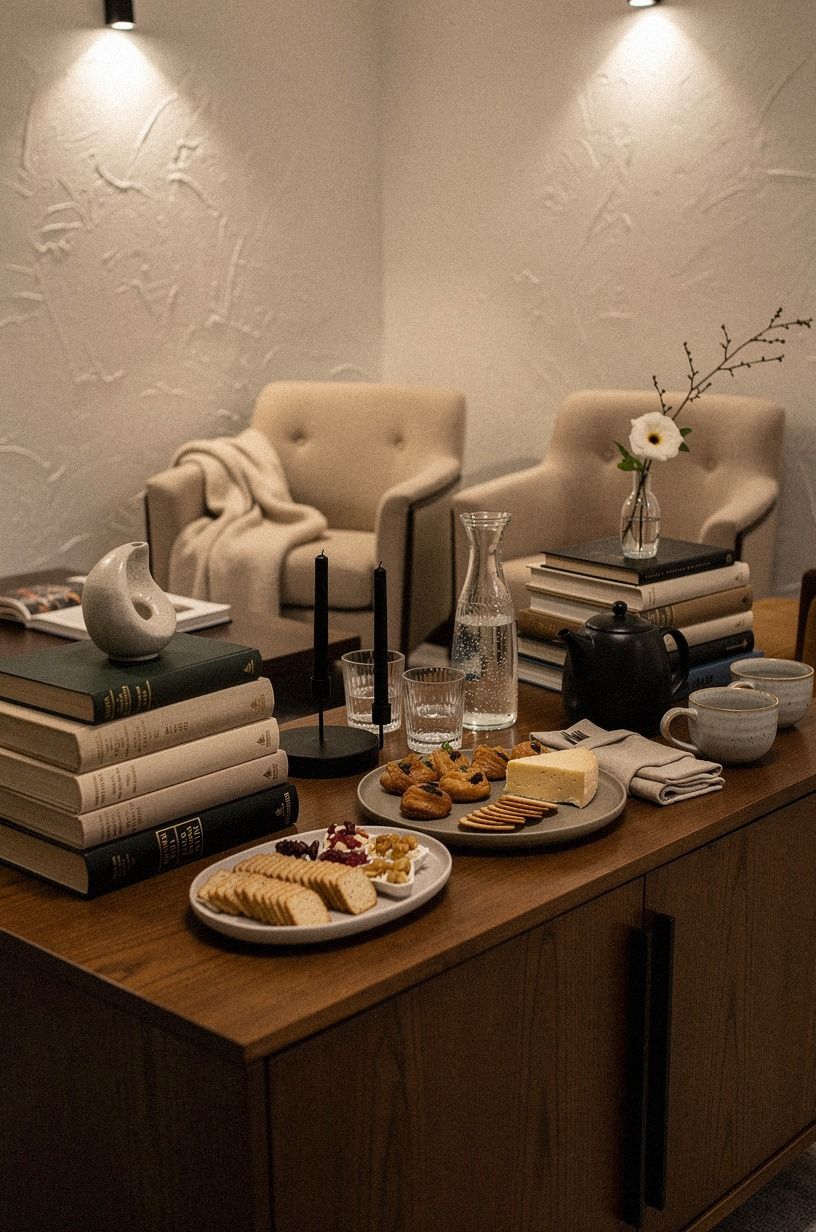
The food needed to live outside the discussion circle, so I made a snack station on the kitchen island. I used a wooden board, small bowls, and a handwritten card naming the drink. Your guests could serve themselves without interrupting the person making a point.
The wall behind the island had a hand-applied Venetian plaster finish in warm white. Against it, camel-toned snacks and black serving pieces looked intentional without becoming formal.
I kept the menu simple: one savory bite, one fruit, and one dessert. More food would have required another table, and I wanted the room to stay open.
This was where my hosting improved most. Nobody had to ask where anything belonged.
You’ll want to place napkins and water within reach, but keep messy packaging out of sight. For a themed evening, the monthly book club themes guide helped me match the menu without turning it into a costume party.
14Mark Each Seat With One Useful Object
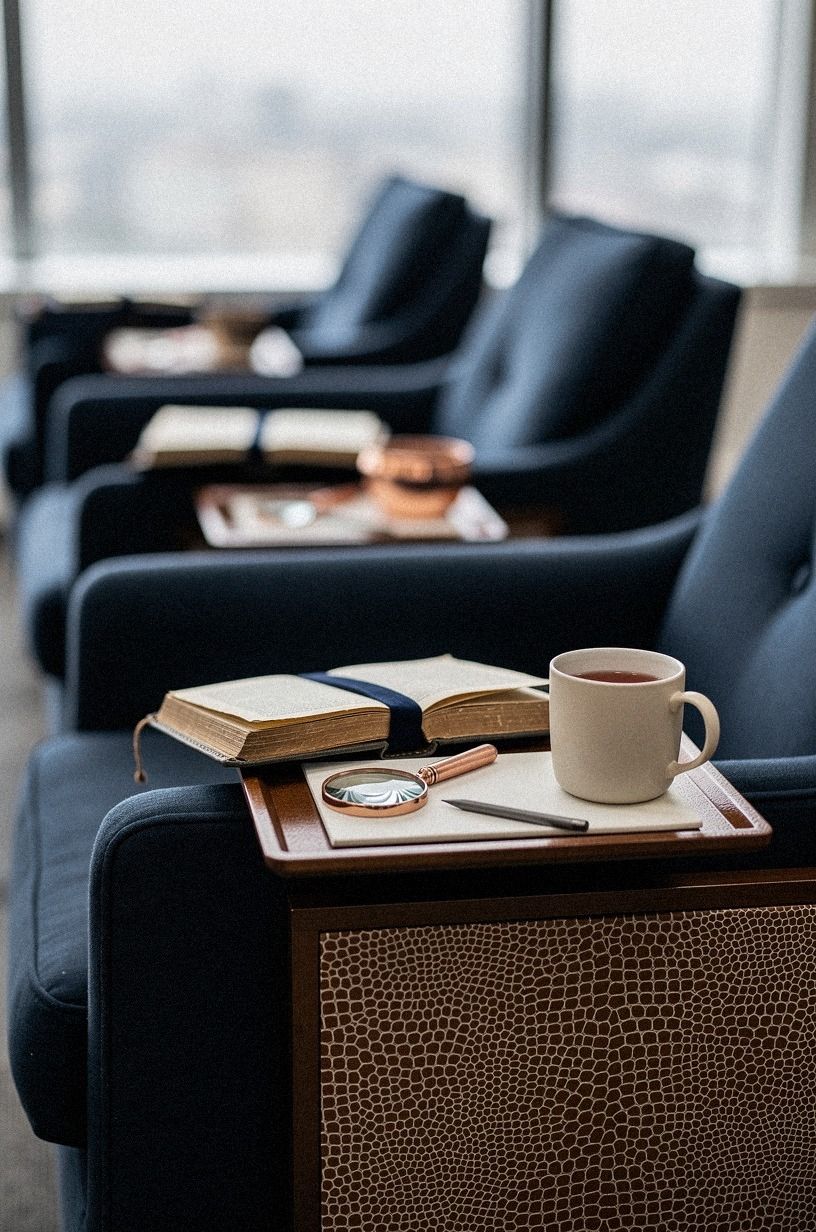
I placed a pencil and slim notecard at each seat instead of a decorative favor. It gave everyone a way to mark a passage or write a thought, and the repeated paper brought a calm, orderly feeling to the table. Your guests appreciated the usefulness more than a tiny ornament.
The notecards sat on uncoated ivory paper, inside a midnight-blue shagreen tray with a small copper detail. The colors looked collected rather than coordinated. I didn’t use flowers because the arrangement would have blocked faces across the table.
And I kept the place settings loose. There was no assigned seating, so guests could move toward the person they wanted to speak with. If your gathering includes a craft or activity, these couples book club ideas offer useful ways to keep the table flexible.
15Add a Small Reading Corner Instead of More Decor
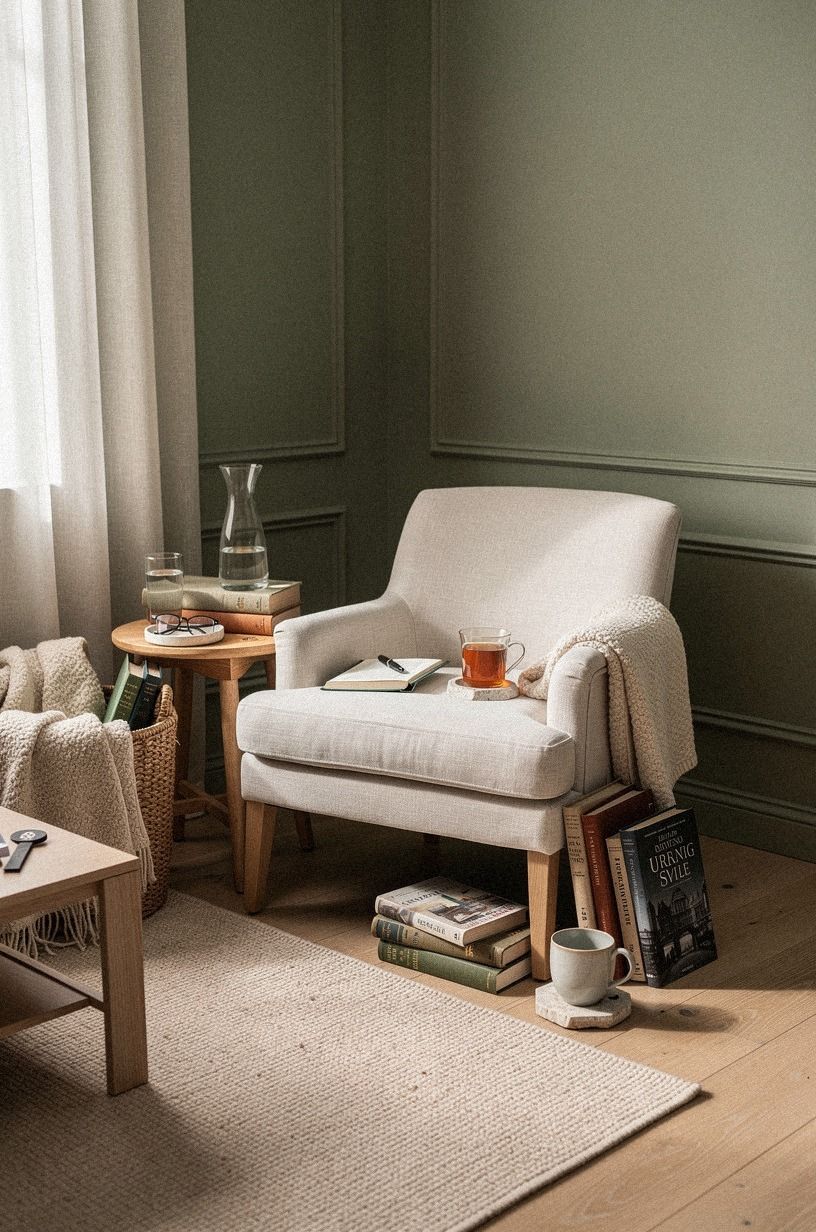
The empty corner beside the window became a reading corner with one chair, one lamp, and a small stack of books. I didn’t fill it with shelves or baskets. Your eye needs one quiet destination, and the corner gave early arrivals somewhere to settle.
I used a chair covered in washed Belgian linen and paired it with a natural wood side table. A slim floor lamp with a warm fabric shade brought in a little sage green and cream without crowding the corner. You’ll want the lamp behind your shoulder, not directly above your book, so the page stays clear.
This was the detail that made the room feel intimate. Guests moved there between courses, and one person read aloud from the chosen novel.
I wouldn’t add a television or large cabinet to this corner. The purpose is quiet, and the furniture should protect that mood.
16Finish With the Three-Object Table Edit
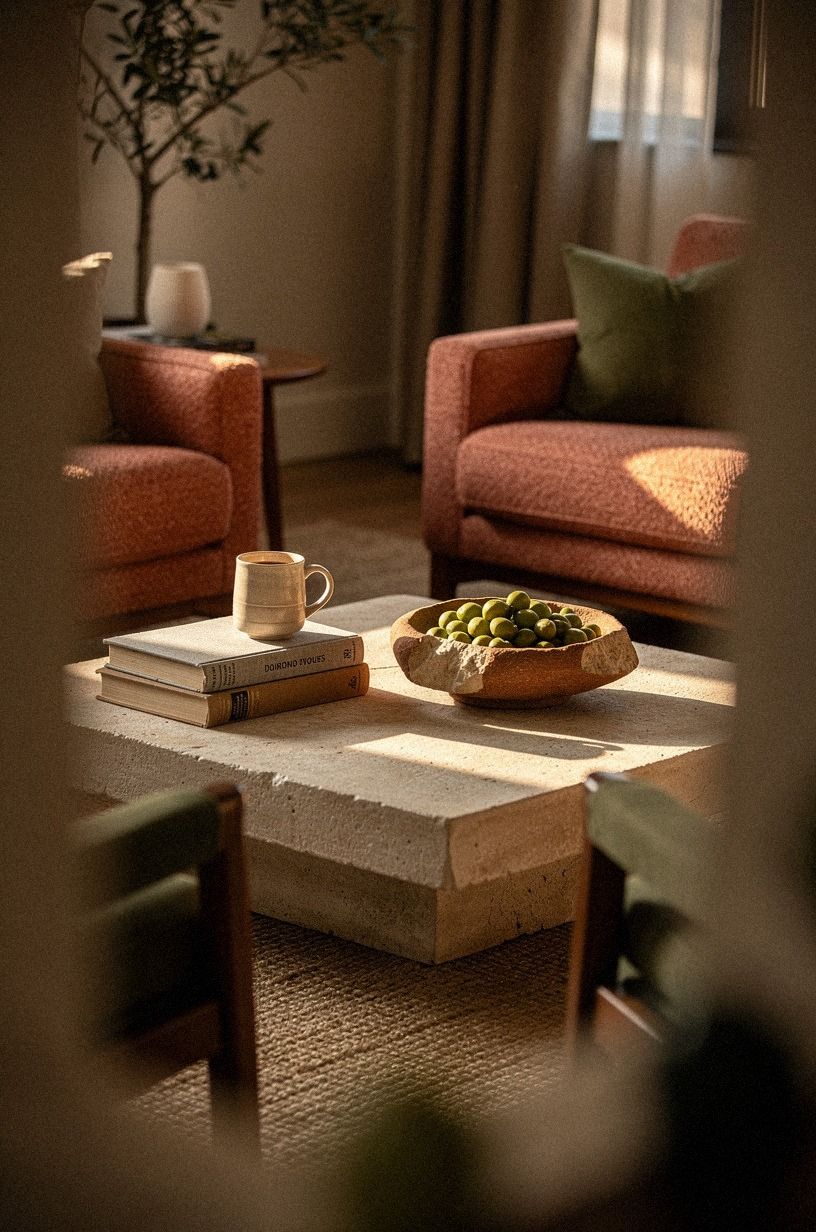
Before guests arrived, I cleared the coffee table until only three objects remained: the book, a candle, and a shallow stone bowl. An organic bouclé cushion on the nearby chair softened the terracotta, olive, and stone palette without adding another decorative object.
How Much It Cost
I kept my version within the typical budget tier by reusing the sofa, chairs, lamps, books, baskets, and textiles I already owned. The changes focused on paint, paper goods, one small surface, and better placement. If you’re starting from an empty room, the US cost ranges are much wider.
Here are the material ranges I used as planning guardrails:
I wouldn’t spend on a statement fixture before fixing the layout and light levels. Your first dollars should make the room easier to use. In my case, the free changes made the expensive-looking difference.
Why This Room Finally Felt Like Ours
I expected the paint to carry the makeover, but it was the light and seating that changed the evening. A room can have warm colors and still feel distant if everyone faces the television or sits under one hard ceiling bulb. I learned that after moving the chairs three times.
The best choices were imperfect ones: the worn chair, the mismatched oak table, and the shelf with books that weren’t arranged by color. Those details made the room feel lived-in rather than rented for a photo.
I wouldn’t remove every odd object from your home. Some of them are the reason your friends recognize it.
The budget mattered, too. I didn’t need a new sofa or built-in shelving to host a welcoming night.
I needed a clear path, three kinds of light, and a place for every practical item. If you’re still deciding where to begin, start with the fall home checklist and choose the changes your room can support.
A Few Things Worth Answering
What is the best decor setup for a small cozy book club?
The best setup is a sofa, two flexible chairs, and three light sources. A small conversation radius keeps faces visible and leaves room for snacks. IKEA seating can work well, but your existing furniture matters more than a matching set.
Where can I buy book club decor pieces on a budget?
IKEA, Wayfair, and Target have useful low-cost basics, while Facebook Marketplace and thrift stores can provide better wood and ceramic pieces. Secondhand texture often looks warmer than new matching decor. Browse our book club craft ideas for inexpensive table details.
How much does a book club decor makeover cost?
A budget makeover typically falls around $200-$800 for paint, textiles, art, and organization. Free rearranging comes first, so you can improve the room before buying anything. Larger furniture, lighting, and rugs move the project into the $1,500-$5,000 midrange.
Can I create this look on a budget?
Yes, and you can start with three free changes: move the seating inward, turn off the overhead light, and display blankets where guests can see them. Low-cost warmth comes from paint, thrifted wood, and paper goods rather than a full furniture replacement.
Is this worth it in a small space?
Yes, because a small room can feel intimate without much furniture. Clear sightlines matter more than extra seating. Keep one walking path open, use a small side table, and let the rug overlap the furniture so the room feels connected.
Is this a good idea for a rental?
Yes. Use removable hooks, a tension rod, peel-and-stick wallpaper on a temporary panel, and freestanding lamps. No-damage layers can still make the room warm.
Keep paint changes optional, and focus first on textiles, lighting, books, and furniture placement.
Where I’d Start First
If I had to pick one, I’d start with the reading corner. It cost nothing, gave the room a warm pool of light, and made the gathering feel lived-in before anyone arrived. Pin it for later, then borrow a theme from our monthly book club ideas.