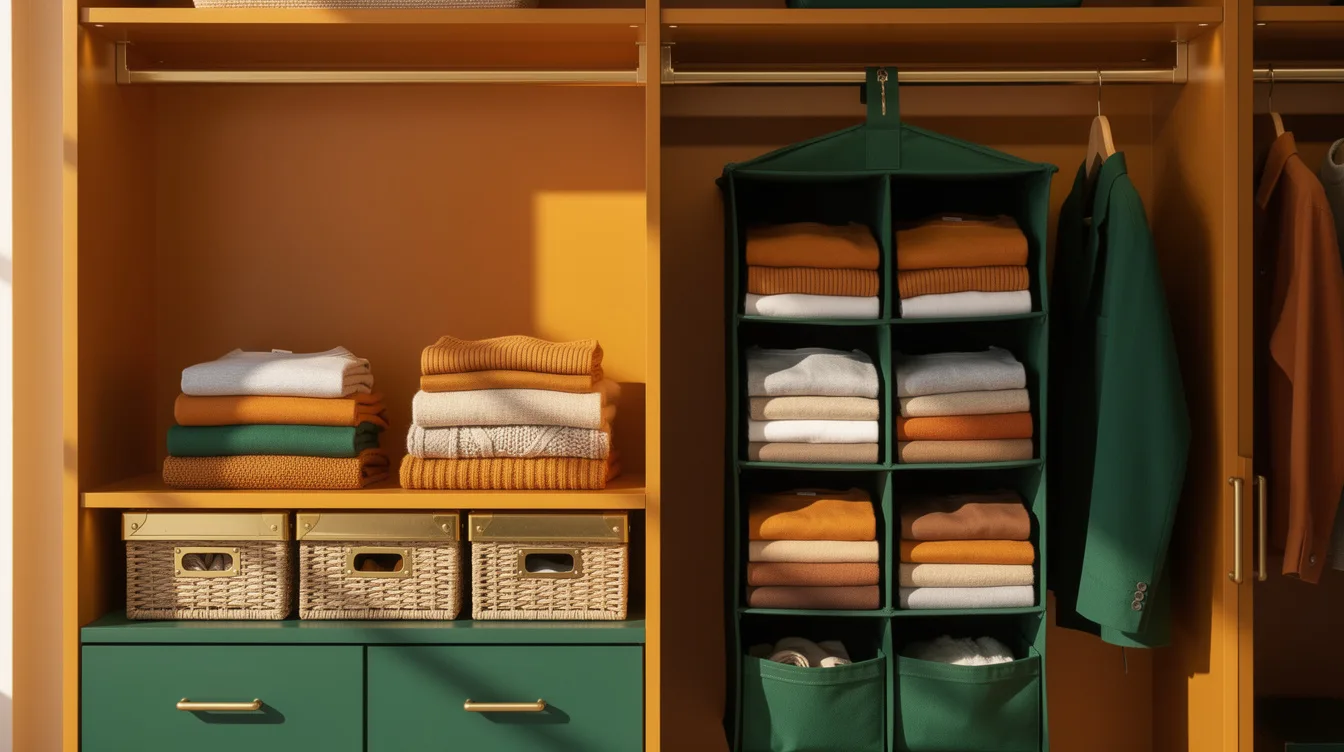
A 49 1/4-inch hanging organizer can look efficient until the top tee slides forward and the whole pile follows. The problem is usually a mix of soft shelf bottoms, stacks that are too tall, and a closet depth that was never measured.
I would budget about $15 to $25 for a reinforced fabric model, then keep each stack short. The goal is a shelf that stays level and lets you remove one shirt without rebuilding the entire cubby.
Choose Reinforced Shelf Bottoms
A hanging organizer with reinforced fabric shelves gives folded tees a level surface instead of asking soft fabric to carry every stack. I would spend about $15 to $25 for this construction, which is a sensible range for a closet unit meant to hold daily basics.
Look for shelves supported by bamboo inserts or another firm panel. The material matters more than an extra compartment, because a tall tower with sagging floors still leaves every shirt vulnerable to a collapse.
My firm preference is a shorter organizer with sturdy bottoms. More shelves only help when each shelf stays flat after the organizer is loaded.
Keep Each Stack Below the Edge
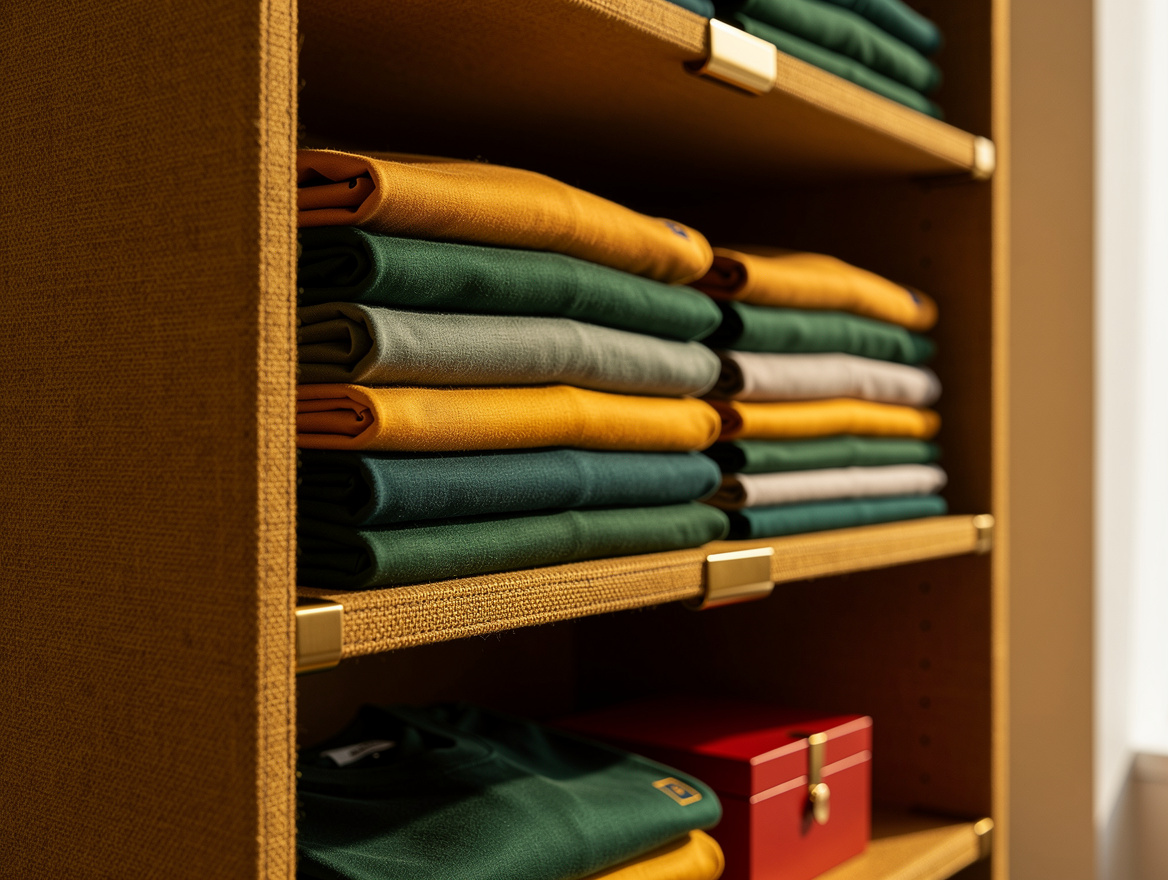
Start with about four to six lightweight tees in one short cotton-tee stack, then adjust for fabric thickness. That height leaves room to remove the bottom shirt without sending the upper half sliding forward.
Fold every shirt to a similar width and place the largest pieces underneath. A lopsided jersey-knit pile tips easily, even when the shelf itself is strong.
Keep one stack per cubby whenever possible. Two narrow piles squeezed into a roughly 12-inch-wide compartment create the same crowded effect as one oversized pile.
Measure the Closet Depth First
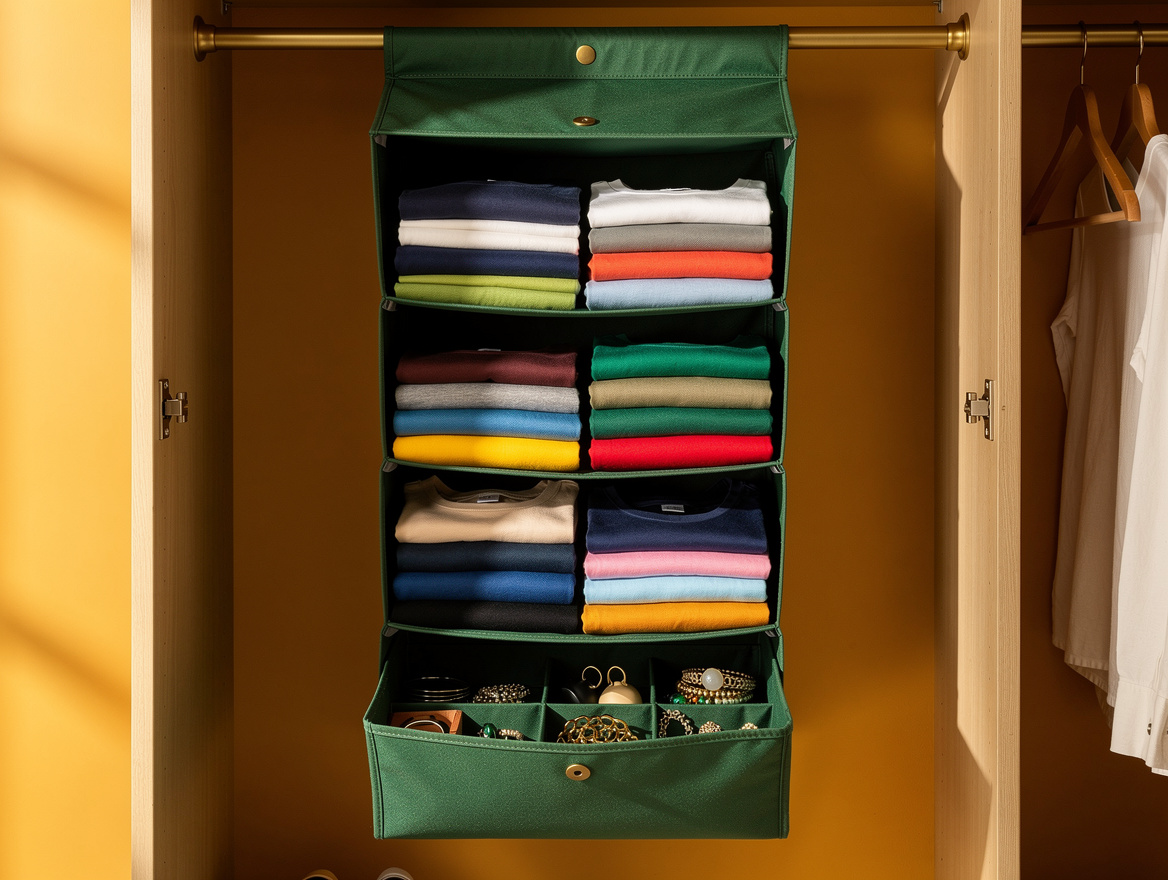
IKEA SKUBB is a useful reference point because the six-compartment organizer measures about 13 3/4 by 17 3/4 by 49 1/4 inches. It is listed around $15 in the US, though prices can change.
Its polyester fabric body is wider and deeper than many compact 12-inch towers, which can help with larger folded tees. That extra depth only works if the closet rod and door clearance can handle it.
Measure from the rod to the closed door before buying. A shelf that presses against the door will make pulling out a shirt awkward and may push stacks forward.
Use Open Bins for Middle Shirts
If removing one tee from the center causes the avalanche, place a shallow canvas bin inside the cubby. You can lift out the whole container, choose a shirt, and return it without disturbing the neighboring pile.
For a smoother setup, arrange tees vertically like files inside a polyester storage bin. This approach keeps every neckline visible and prevents the familiar problem of digging through the middle of a stack.
Use bins only when they fit loosely. An overstuffed container adds pressure to the fabric walls and leaves less room for the shirts to move freely.
Skip the Tallest Fabric Tower
Basic five-shelf fabric organizers currently list around $10 to $16, while reinforced models typically land closer to $15 to $25. The lower price can work for light clothing, but it is a poor bargain if the shelves bend after a few weeks.
A reinforced steel frame can steady the outer structure, yet it does not automatically create a rigid floor beneath every compartment. Check whether the listing describes shelf support, not only the frame or side pockets.
I would choose five dependable compartments over a seven-shelf tower that encourages taller stacks. Closet storage should reduce rebuilding, not give you more places to make unstable piles.
Test the Shelf Before Filling It
Hang the empty organizer and inspect each fabric shelf bottom from the side. If it already dips noticeably, move on before adding clothing.
After loading one cubby, check the bamboo shelf insert or firm panel for movement. A level base should stay level when you remove one shirt, which is the real test this storage system needs to pass.
Place the most-used tees between waist and eye level, with occasional pieces higher or lower. That simple layout keeps daily handling focused on the compartments least likely to become messy.
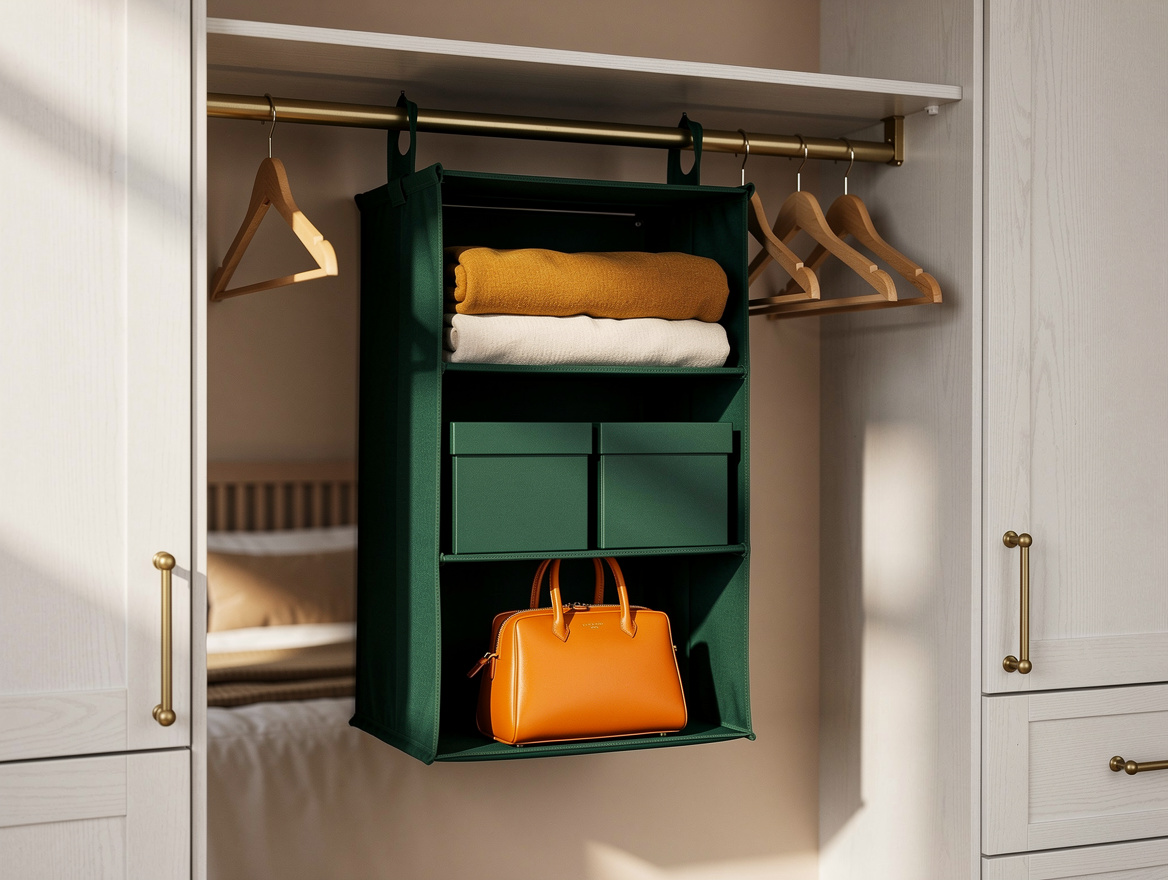
Begin with one reinforced compartment and load it with about four to six tees. If that stack still shifts, add a shallow open bin before buying a taller organizer.
Mia Carter writes about small-space living and budget home makeovers. She has restyled three rentals and tests most ideas in her own 45 sqm flat.