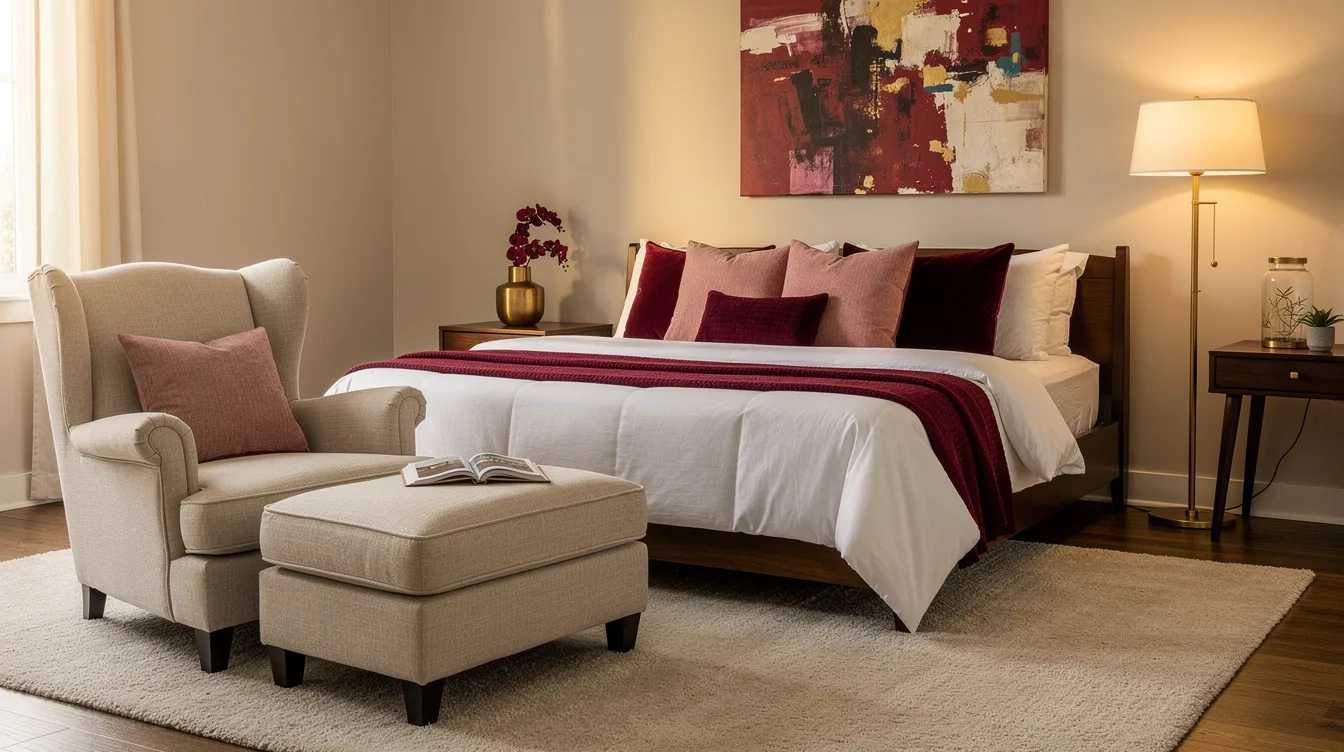
The best pull-out ottoman in a guest room disappears until someone needs it. A basic single sleeper ottoman typically costs about $180 to $450, yet the real design challenge is giving its narrow bed enough clearance without making the room feel like a spare furniture warehouse.
Designers treat the piece as everyday seating first, then plan the sleeping position with care. The right layout keeps a chair, lamp, and luggage spot useful all week.
Reserve the Full Pull-Out Lane
A single sleeper ottoman earns its keep when the room works as a bedroom most days and a guest space only occasionally. Place it beside a reading chair, then reserve about 75 to 80 inches of clear length so the opened bed does not collide with a dresser or doorway.
Keep the sleeping path visually calm with a slim black metal frame and a low-profile side table. Amazon carries compact sleeper ottomans in this format, often around $180 to $450, but the cheapest option only makes sense for one-night visits.
Measure from the ottoman’s front edge to the nearest wall before ordering. A narrow room can handle the bed, but a blocked exit makes the entire arrangement feel improvised.
Center the Ottoman at the Bed’s Foot
In a small guest room, the ottoman can work as a luggage bench by day and an emergency bed at night. Leave a clear pull-out lane into the room, even if that means shifting the ottoman slightly off center.
Choose a cover in a hard-wearing oatmeal polyester weave so it reads like upholstery instead of camping gear. Wayfair has many compact convertible designs, and a practical basic model typically lands near the lower end of the $180 to $450 range.
Keep the top surface mostly empty. One folded blanket and a shallow tray are enough, because guests need to move the piece quickly without clearing a pile of decor.
Pair Two Seats for Flexible Sleeping
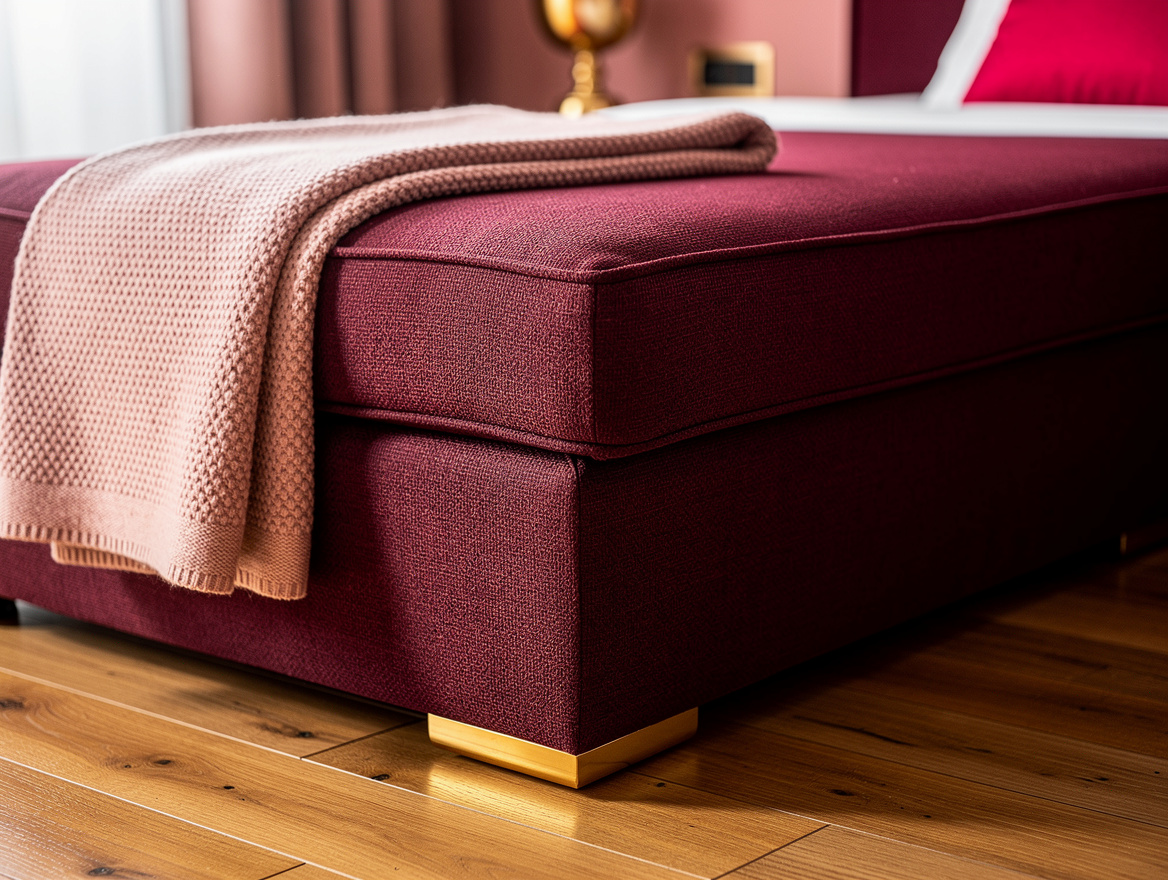
Two matching sleeper ottomans suit a children’s room, a home office, or a guest room that occasionally hosts separate visitors. Each piece needs roughly 30 to 36 inches of sleeping width, so check the combined footprint before treating this as a space-saving solution.
Use two cream boucle ottomans only when the fabric has a tight, durable weave. Target offers small upholstered seating that can guide the look, but a true sleeper needs a folding mechanism and a mattress, not simply a soft cube.
Give each ottoman its own landing zone for bedding. A narrow basket beside the desk or closet keeps sheets accessible without turning the room into a storage area.
Choose Foam That Handles Real Guests
The mechanism gets attention, but the foam determines whether your guest remembers the room fondly. Look for high-density foam, a removable cover, and a stable frame, then treat a thin cushion as occasional seating rather than a weekly bed.
A washable cotton-blend cover is useful when the ottoman doubles as a footrest. Walmart and Amazon list folding sleeper formats with steel supports and linen-look upholstery, often around $200 to $450, though thicker foam and better fabric can push the price toward $700.
For a guest who stays a week, choose a wider sleeper chair or a daybed with a trundle instead. The extra mattress width is worth more than a clever footprint.
Make the Ottoman Look Intentional
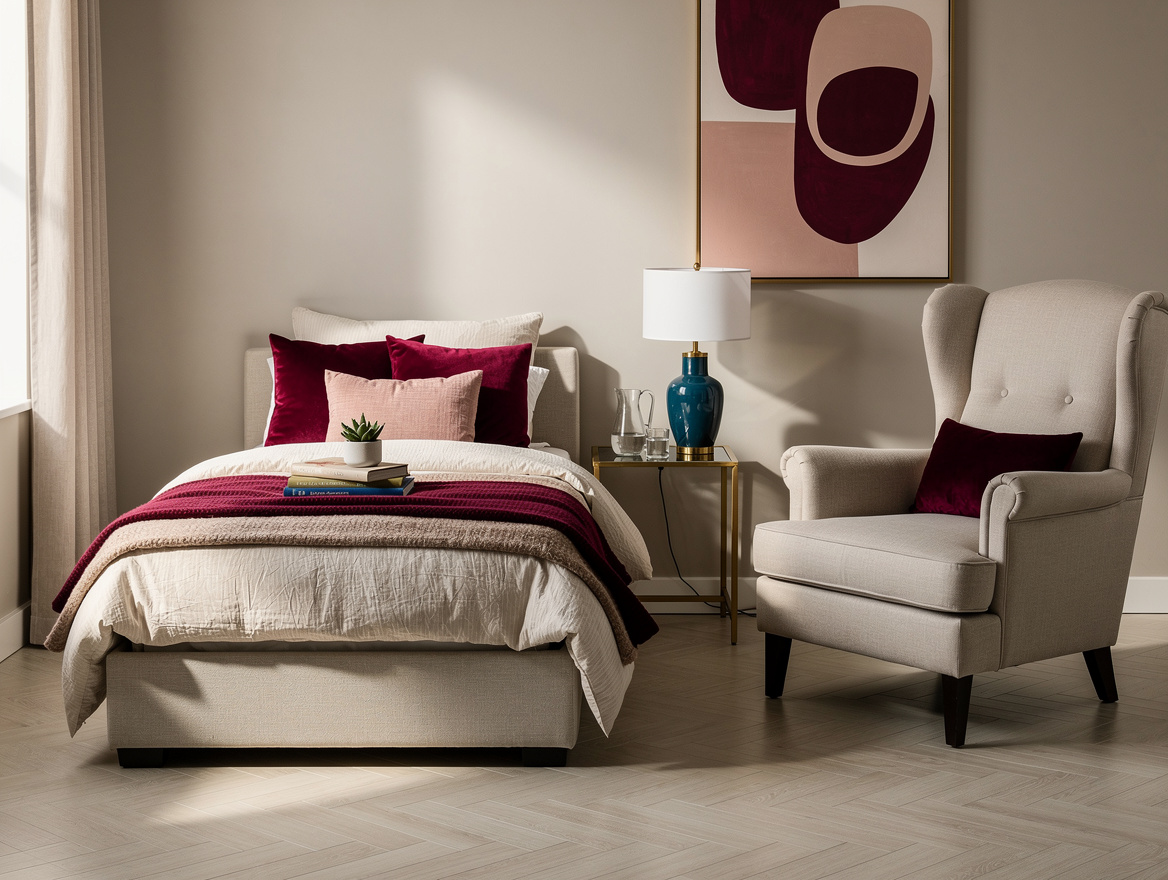
Style the room around the ottoman’s everyday role first. A reading chair, floor lamp, and small rug make the piece look like part of a seating arrangement, while the bed function stays available when needed.
Repeat one material from the room in the ottoman, such as a walnut-finish tray near a wood nightstand. IKEA is useful for this restrained supporting furniture, especially when the main sleeper has a bulkier frame than the listing photos suggest.
Skip decorative fringe, loose skirts, and oversized pillows that snag during unfolding. A firm seat, clean edges, and one washable throw look sharper and work harder.
Upgrade to a Daybed for Longer Stays
A pull-out ottoman is excellent for a night or a weekend. When guests stay regularly, a twin daybed with a trundle gives them a flatter, wider sleeping surface and lets the room remain guest-ready without repeated assembly.
Build the look around a twin-size mattress and a simple upholstered frame. Home Depot and Lowe’s can help anchor the room with practical storage or lighting, while a separate trundle keeps the guest bed from feeling like an afterthought.
Expect a basic daybed with a pull-out trundle to cost around $300 before mattresses and bedding, with stronger upholstery and hardware costing more. That higher starting point is justified when the room hosts visitors often.
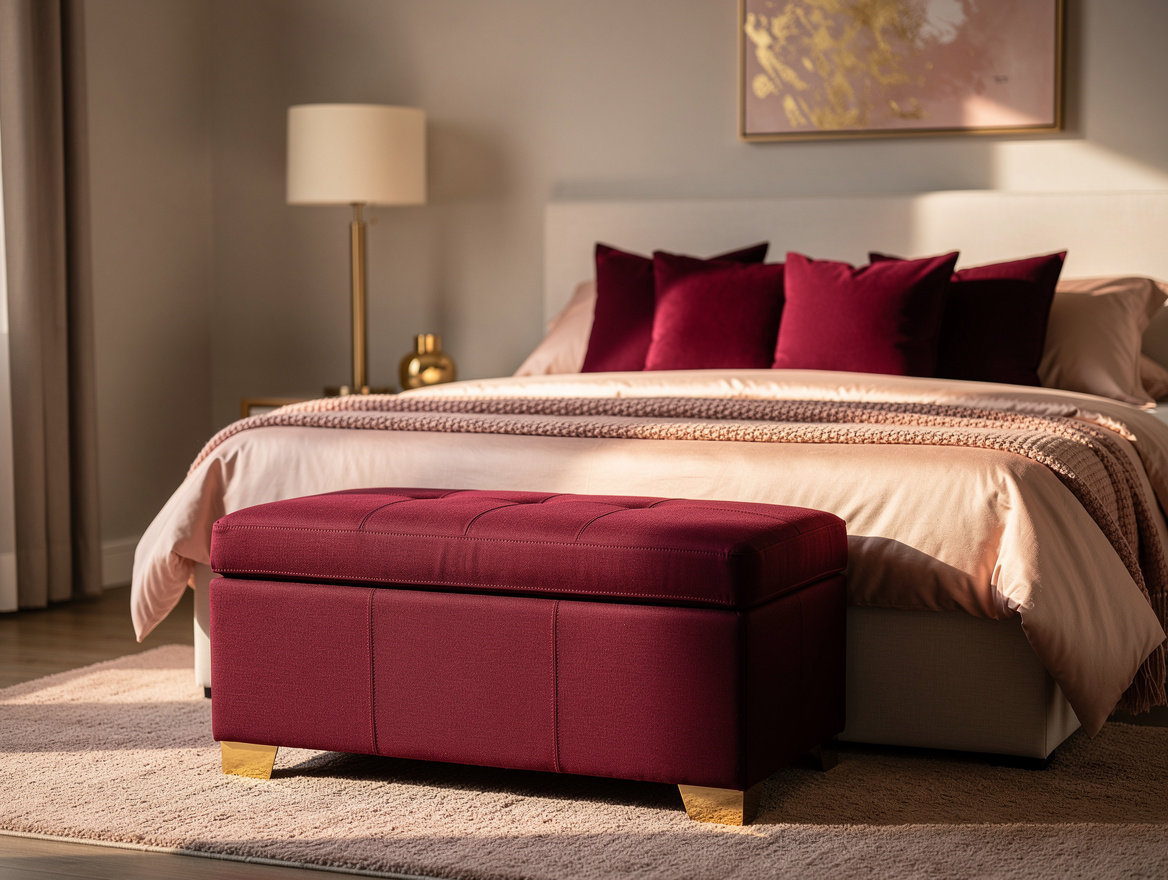
Start by taping the opened bed footprint on the floor, then walk around it with a suitcase in hand. That quick test will tell you whether an ottoman belongs at the bed’s foot or beside a chair, and it can prevent an expensive return.
Mia Carter writes about small-space living and budget home makeovers. She has restyled three rentals and tests most ideas in her own 45 sqm flat.