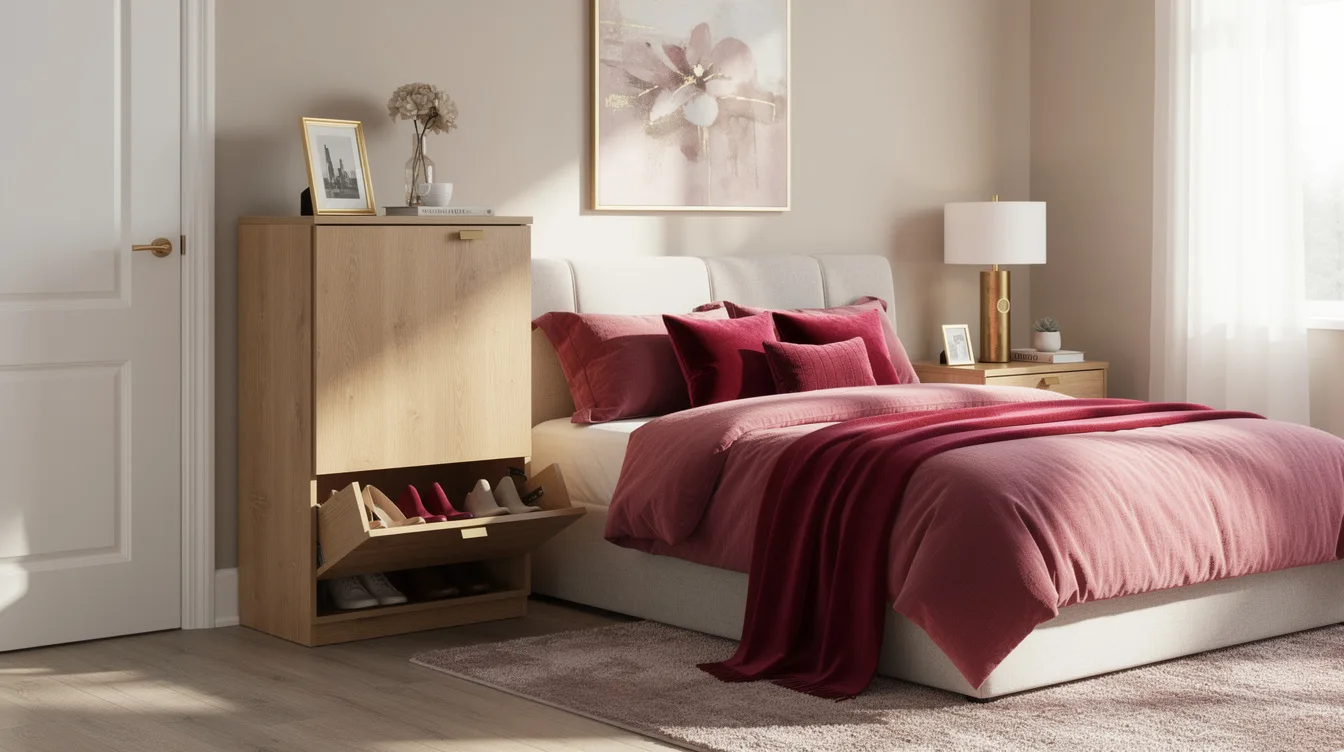
Shoe clutter becomes especially obvious when a bedroom has only a narrow path between the bed and the door. A cabinet about 7.1 inches deep can clear that path while keeping daily pairs within reach.
The most effective format is a closed tilt-out cabinet anchored to the wall, because it hides visual mess without demanding much floor depth.
The trick is choosing the right format for the wall you actually have, then refusing storage that is too deep, too fragile, or too hard to use.
Anchor Storage Beside the Bedroom Door
The best starting point is a wall-anchored tilt-out cabinet placed beside the bedroom door, where shoes naturally land after you come home.
Anchoring keeps the cabinet stable, protects the floor from shifting furniture, and preserves a clean strip of walking space.
A typical slim model costs about $60 to $180, depending on width, finish, and storage capacity.
Keep the cabinet close enough for daily use, but leave the door swing and nearby closet access completely clear.
Choose an 18-Inch Footprint for Tight Walls
When every inch matters, IKEA TRONES is the practical winner because each modular unit is only about 7.1 inches deep.
Mount two units side by side beneath a mirror, or stack several vertically on a narrow wall near the entrance.
The recycled polypropylene shell handles everyday scuffs better than delicate veneer and wipes clean with a damp cloth.
Capacity is limited, so use this format for daily pairs, slippers, and sneakers rather than tall boots or a large shoe collection.
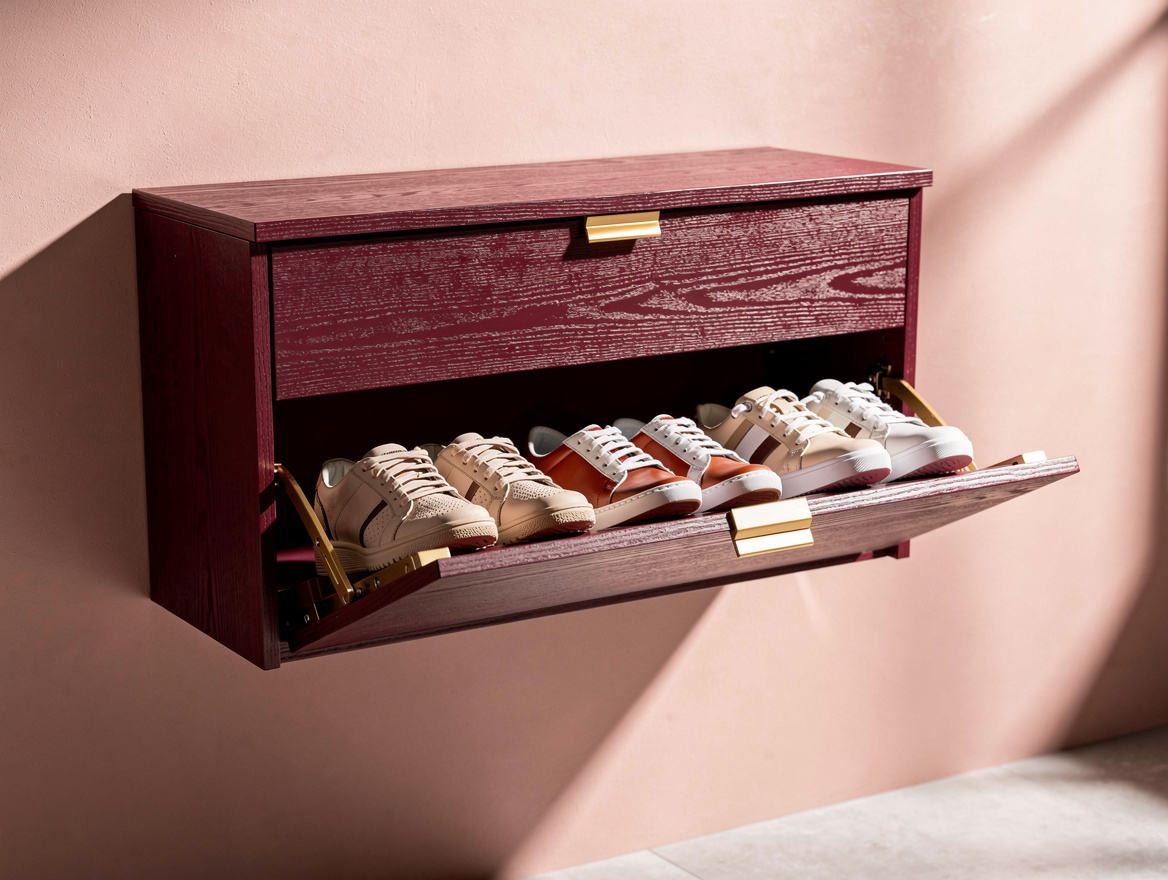
Keep the Cabinet Under 28 Inches Deep
For concealed storage with more capacity, look for a 24- to 28-inch-deep tilt-out cabinet with doors that angle outward.
This footprint is shallow enough for most bedroom walls while holding more pairs than modular boxes.
A generic two-drawer fluted MDF cabinet typically costs about $89 to $130 and gives a narrow room a more furniture-like finish.
Check the interior measurements before buying, since slim compartments can reject wide sneakers even when the outside dimensions look generous.
Match the Height to Your Empty Wall
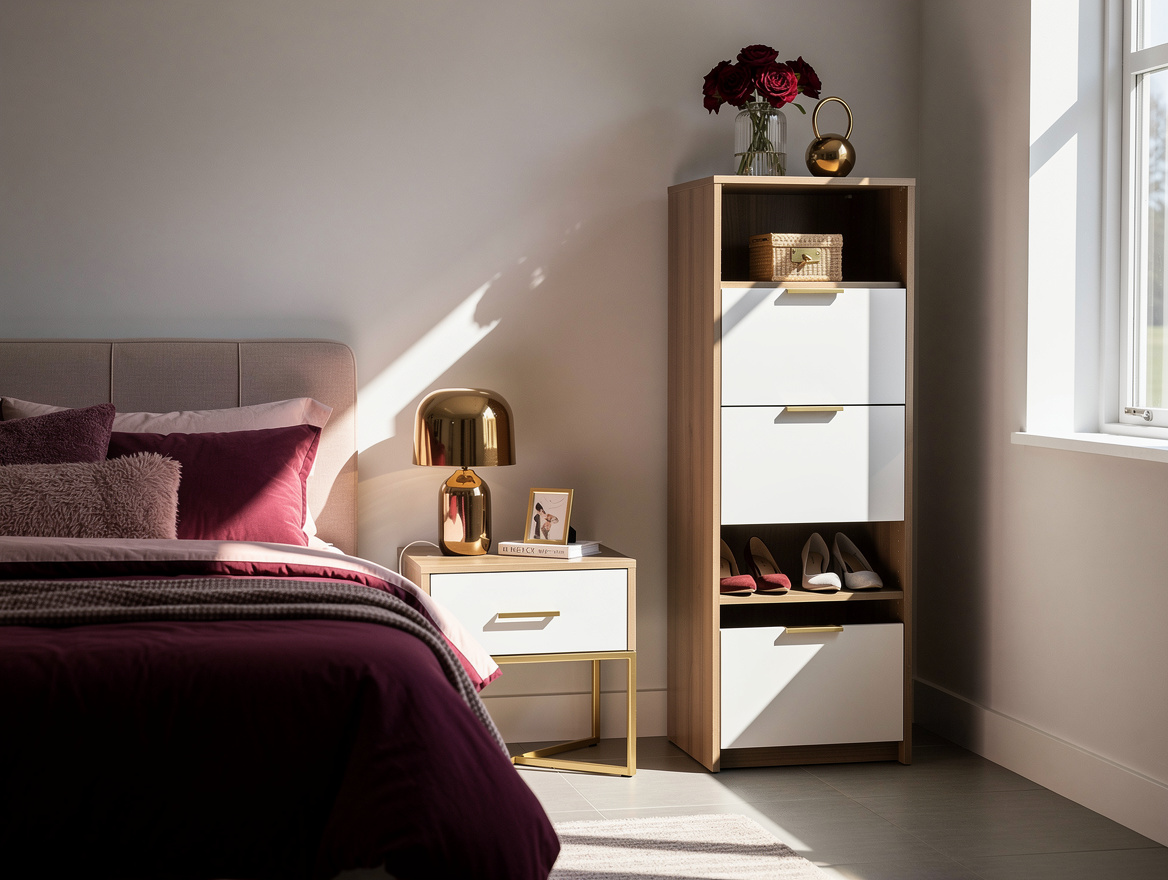
A tall cabinet makes sense when the bedroom has a forgotten corner or a vertical strip beside the closet.
A typical three-drawer unit is about 23 inches wide and 57 inches high, with a depth that can stay below 10 inches.
Look for adjustable dividers if you want to store adult shoes, sandals, and smaller pairs in the same cabinet.
Expect a typical price of about $115 to $160, then secure the top to the wall so the narrow profile cannot tip forward.
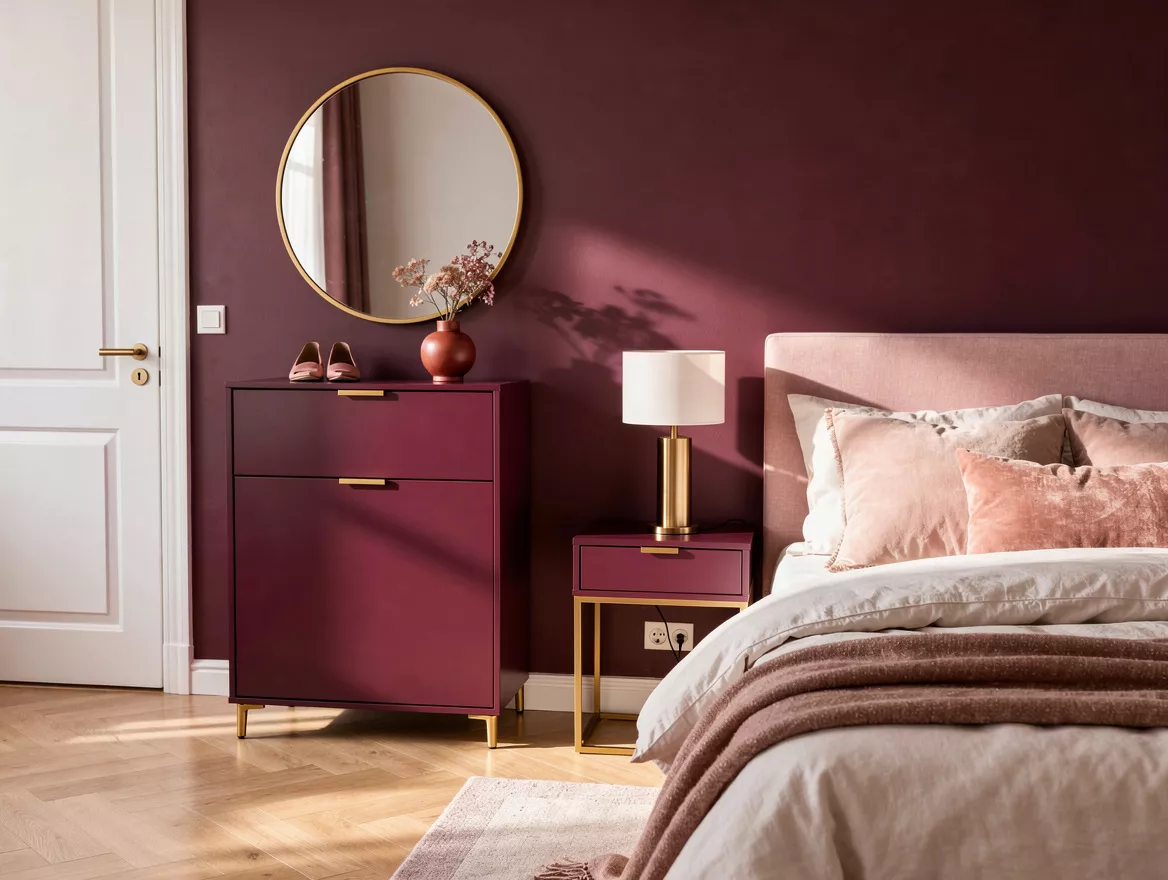
Use Texture to Avoid an Entryway Look
Plain white storage can feel utilitarian in a bedroom, especially when it sits beside a soft upholstered bed.
A Wayfair rattan-front cabinet adds texture while keeping the shoes behind closed doors, with typical prices around $150 to $350.
Choose a warm wood veneer, cane-style panel, or muted oak-look finish that relates to an existing nightstand or dresser.
Skip overly ornate hardware because a slim cabinet already has a strong vertical presence in a small room.
Reserve Deeper Storage for Seasonal Pairs
Under-bed boxes work well for shoes you wear only occasionally, but they should not hold the pairs you reach for every morning.
A typical closed box is roughly 20 to 30 inches long on the insertion side, so it uses no wall space but makes access slower.
Choose clear-lidded fabric boxes for seasonal boots, formal shoes, or backup sneakers, and label each container by use.
Keep everyday pairs in the shallow cabinet so the bedroom floor stays open without turning the bed into a storage drawer.
Measure the wall, mark a 28-inch depth limit, and choose the shallowest cabinet that holds your everyday pairs. That small decision keeps the floor open and makes the entire bedroom feel easier to maintain.
Mia Carter writes about small-space living and budget home makeovers. She has restyled three rentals and tests most ideas in her own 45 sqm flat.