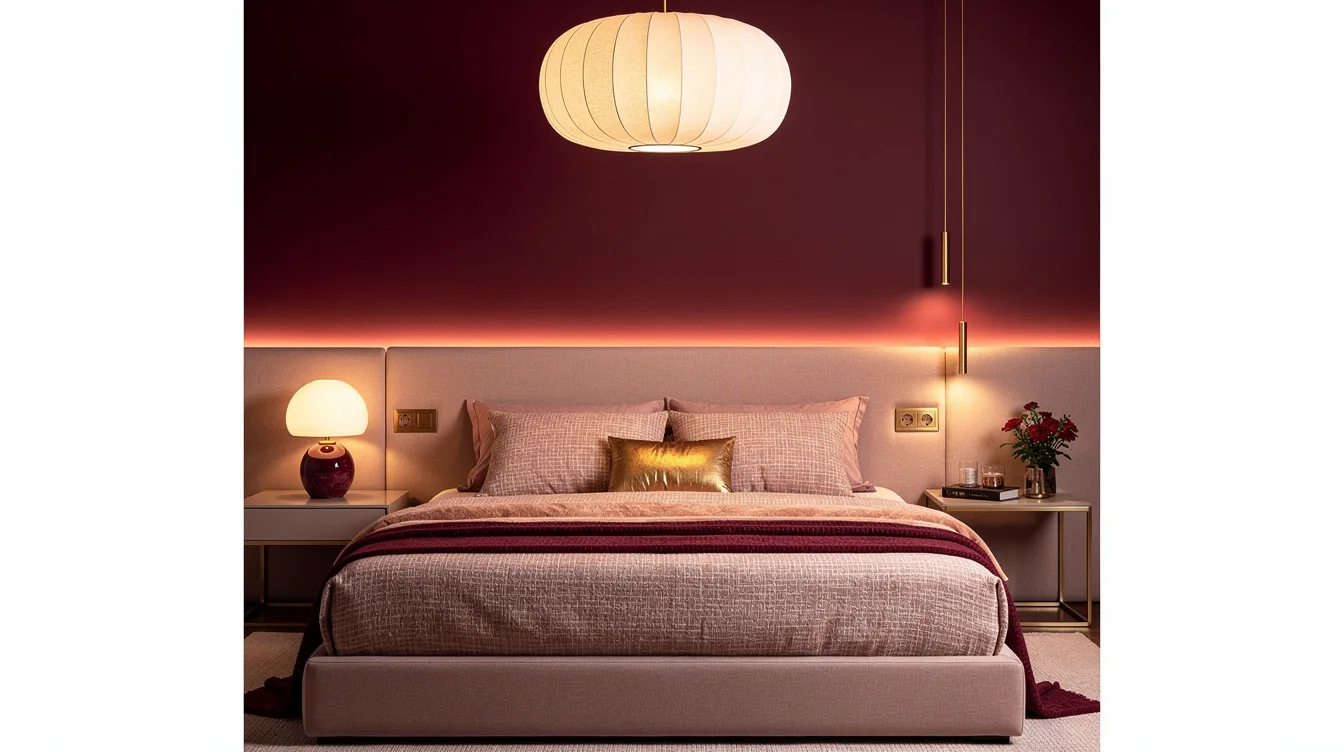
A windowless bedroom can turn harsh the moment one overhead bulb tries to do every job. In a typical 110- to 150-square-foot room, roughly 1,500 to 2,500 lumens spread across separate sources gives mornings some energy without making bedtime feel clinical.
The aim is a room with a daytime setting, a soft ambient setting, and a low reading setting. That shift in mood matters more here because daylight never arrives to do it for you.
Build Three Separate Light Layers
Designers divide a windowless room into a bright morning layer, indirect room-filling glow, and low bedside light. Put each on its own switch, smart control, or plug-in dimmer so the room changes with your schedule instead of staying stuck at one intensity.
A ceiling source handles clothes and cleaning, while an uplight makes the ceiling feel higher. Two IKEA bedside lamps finish the job with roughly 300 to 800 lumens each, enough for a novel without flooding the pillow area.
One fixture can look tidy on a floor plan, but it makes a sealed room look flatter in real life. Multiple pools of light give the eye somewhere to travel, which is exactly what a room without a view needs.
Diffuse the Ceiling With Paper
Trade a glaring exposed bulb for a large IKEA REGOLIT paper pendant shade. Its roughly 18-inch diameter softens the ceiling line and spreads light wider than a tiny metal shade, making a compact bedroom feel less boxed in.
Hang the pendant in the center, but do not expect it to carry the entire room. Use an E26 warm-to-cool bulb and set it around 3500K to 4500K while dressing, then drop it to roughly 2200K to 2700K after dark.
The paper look has a calm Scandinavian ease, yet it needs a clear bulb inside rather than a decorative filament bulb. Filaments look charming, but their low output leaves the corners gloomy.
Push Light Up From Hidden Edges
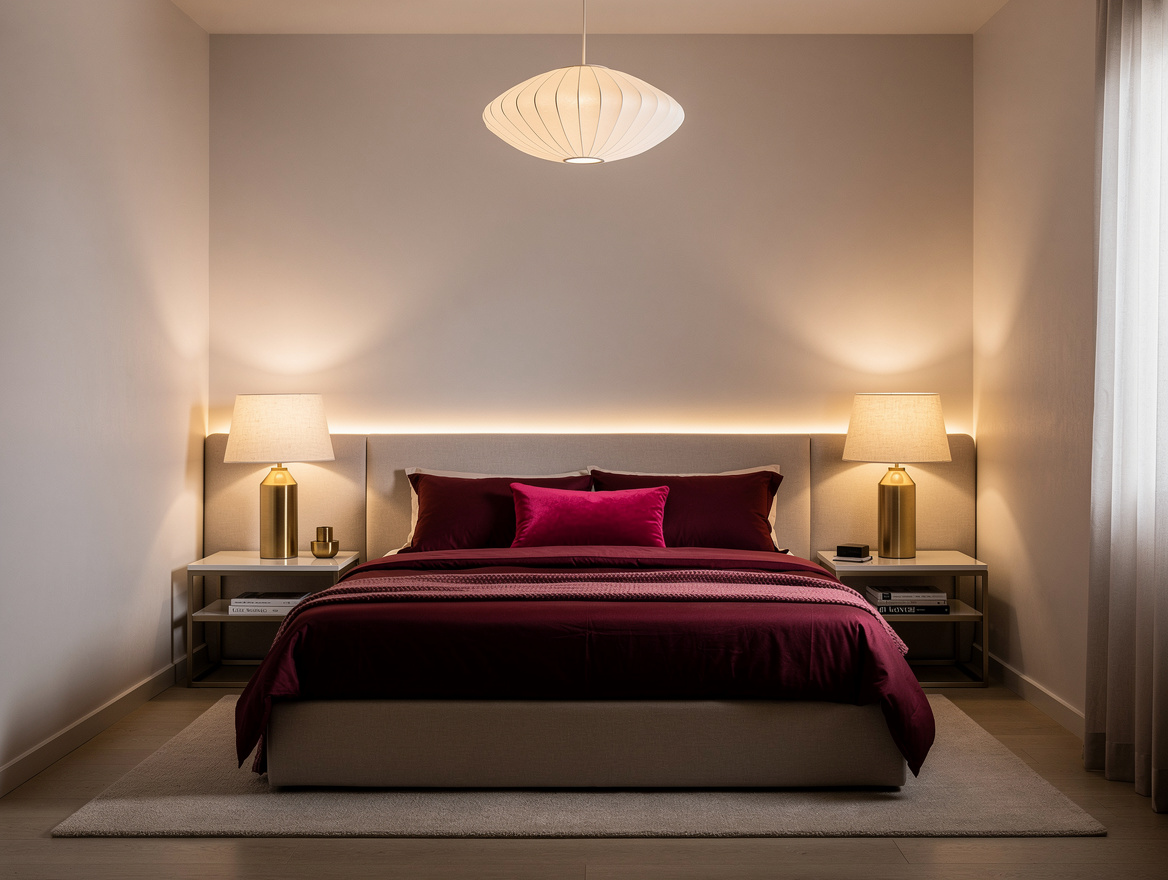
Indirect light is the fastest way to loosen that low-ceiling feeling. Run a dimmable LED strip behind the headboard, above a wardrobe, or along the top of a tall bookcase, with the diodes hidden from normal view.
A warm 2700K to 3000K strip with roughly 500 to 1,200 lumens of total output gives the room depth without asking for attention. Aim it at a painted wall or ceiling, never directly at the bed.
Skip multicolor effects unless you genuinely enjoy them. Soft white light against matte wall paint feels grown-up and restful, while blue or purple lighting can make a bedroom feel like a temporary setup.
Place Bedside Lights at Pillow Height
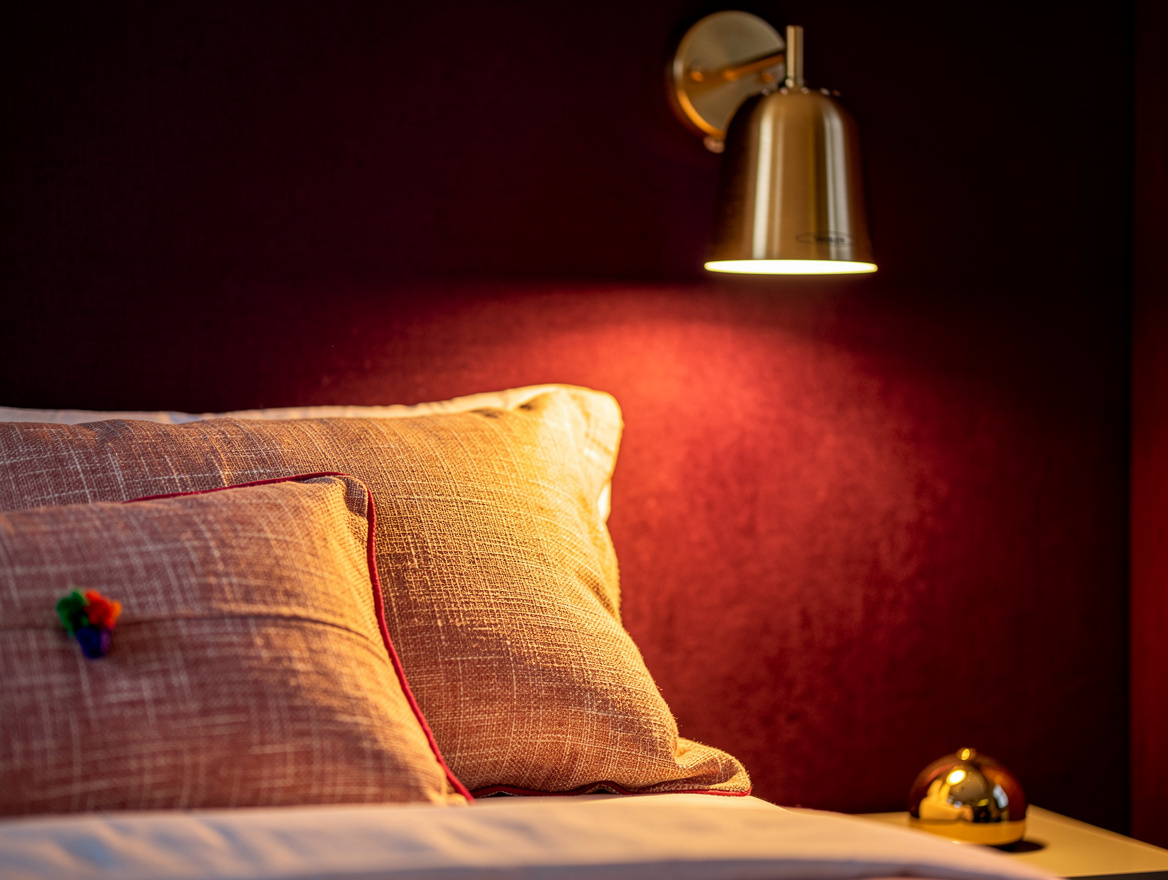
A bedside light mounted roughly 18 to 24 inches above the mattress top puts illumination where reading happens. That placement is more flattering than a downlight aimed at your forehead, and it clears a small nightstand for water, glasses, and a book.
Try plug-in IKEA wall lamps if rewiring is off the table, or use table lamps with opaque linen shades. A shade directs the glow downward and keeps your partner from catching the full bulb in their peripheral vision.
Choose a dimmable bulb that reaches about 1800K to 2700K at night. Cool task lighting beside the bed tells your brain that it is still daytime, which is an especially unhelpful message in a room with no natural sunset.
Create a Convincing Morning Cue
Normal room lighting cannot replace a dedicated 10,000-lux light-therapy product. Place one on a dresser or desk where you can face it during your morning routine, following the product directions rather than treating it like another lamp.
Keep that focused device separate from your decorative lighting plan. Your ceiling fixture can provide a practical daytime level, while a light-therapy lamp gives a stronger morning signal without turning the bedroom into a bright office all day.
This is one place where more brightness has a real purpose. By evening, turn it off completely and let the room return to warm, dim sources that make sleep feel like the obvious next move.
Give the Corners Something to Catch
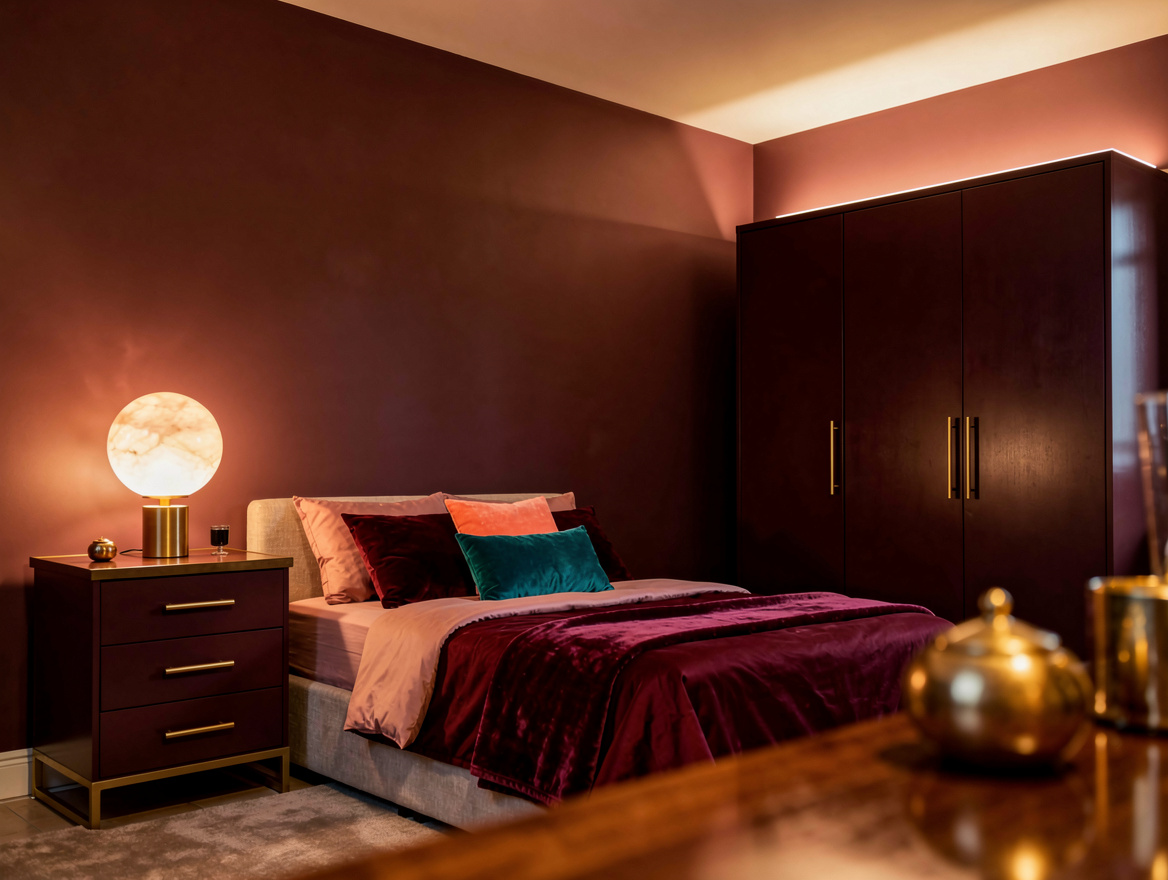
Dark corners are why a windowless bedroom often feels smaller than its measurements. Add a low-glare IKEA FADO opal-glass globe on a dresser or floor-level shelf, where its cloudy surface can soften a bare wall instead of making a sharp spot.
A globe around 10 inches wide is substantial enough for a small room without claiming the whole surface. Pair it with one reflective accent, such as a brass-framed mirror, to bounce the lamp’s glow back into the room.
Do not line every surface with tiny lamps. One deliberate glow in the farthest corner and one layered light near the bed create a stronger sense of distance than a cluttered collection of novelty fixtures.
Start with the ceiling bulb: make it tunable, then add one warm bedside source and one hidden uplight. That simple sequence gives a windowless bedroom a believable rhythm from morning through lights-out.
Mia Carter writes about small-space living and budget home makeovers. She has restyled three rentals and tests most ideas in her own 45 sqm flat.