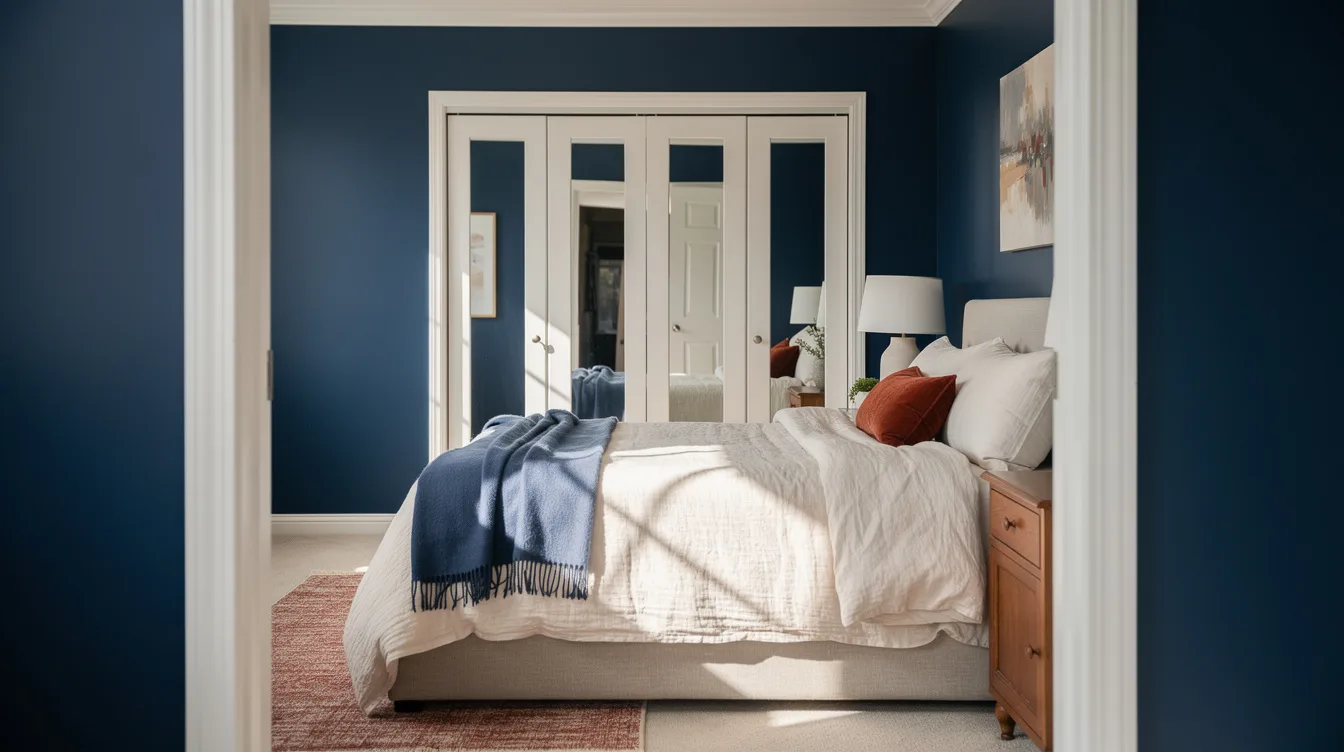
A 30-inch closet door can claim about 30 inches of floor depth every time it opens, which is exactly where a nightstand or the corner of a 54-inch bed often needs to sit. That awkward collision is why small bedrooms can feel poorly planned even when the furniture technically fits.
The fix is usually simpler than moving the bed. Replace the swing, then choose the tradeoff that matches how you actually use the closet.
Slide In Bypass Doors
Sliding bypass doors are the practical first choice when a bed faces the closet. They remove the swing zone entirely, though one panel will always cover roughly half the opening.
For a typical 48-, 60-, or 72-inch-wide reach-in, basic doors usually cost about $150 to $450, with hardware around $50 to $150. A Johnson Hardware 1138 track works with painted MDF, hollow-core wood, or solid-core slabs.
Keep the façade quiet. Smooth painted panels look far more current than ornate raised profiles in a tight room.
Reflect Light With Mirrored Sliders
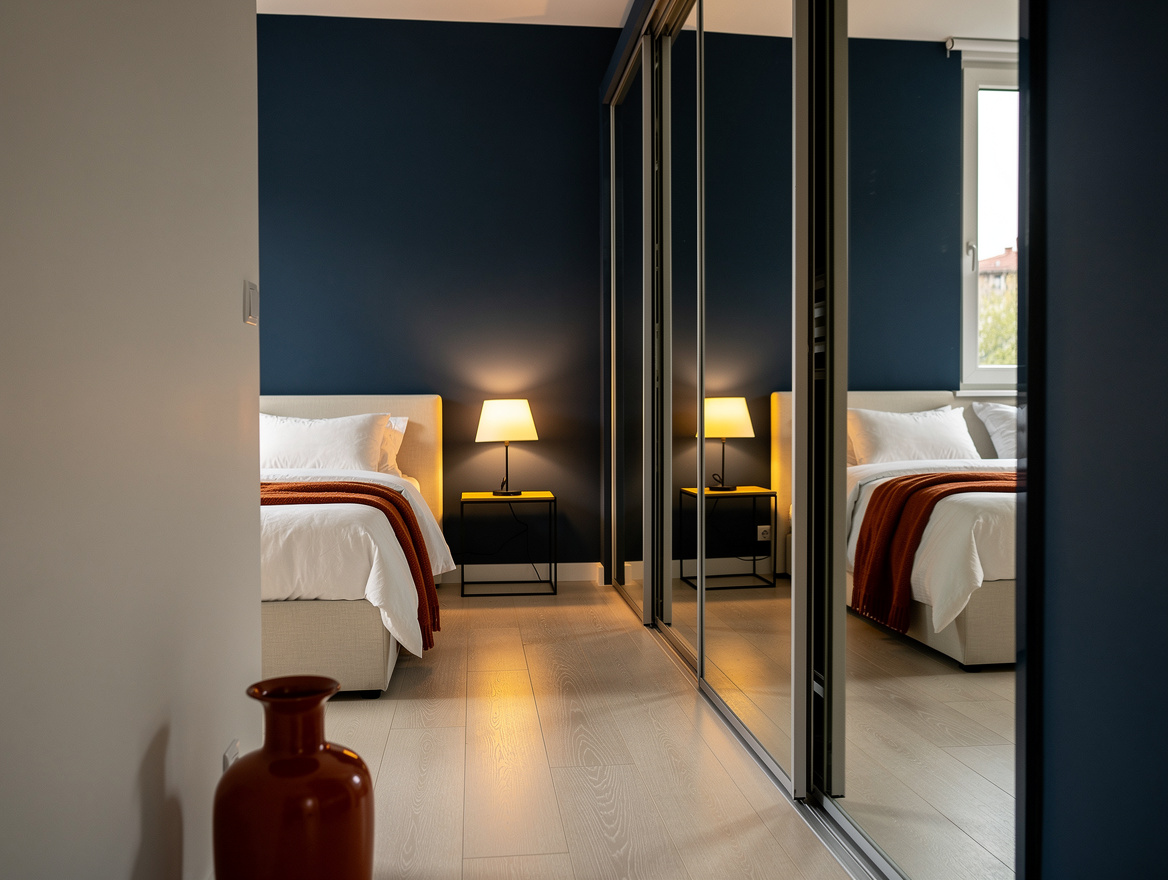
A dark bedroom can earn a mirror and a closet door in the same move. Mirrored bypass sliders bounce daylight across the room and make the wall feel less solid.
A TRUporte Harmony white/mirror MDF unit in a 60-by-80-inch size is typically about $337 before tax and installation. That is a credible upgrade when a freestanding full-length mirror would block a walkway.
Use this option when the reflection has something pleasant to catch, like a window, pale bedding, or a warm lamp. A mirror aimed at laundry piles only doubles the problem.
Hang Doors Above the Floor
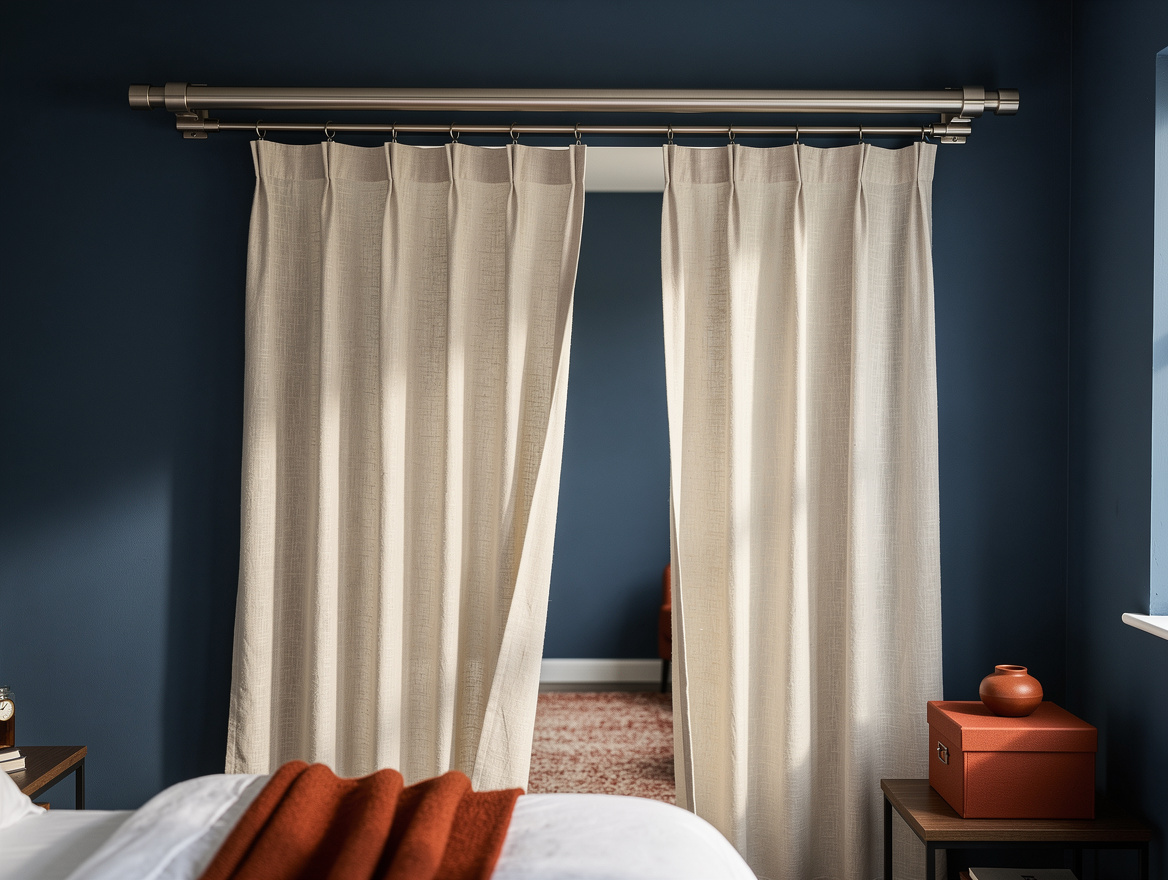
Choose a top-hung system when a floor track would interrupt bare feet, a rug edge, or a low-pile runner. Top-hung bypass doors leave the floor clean and easier to vacuum.
A Johnson Hardware 1166 series setup typically runs roughly $85 to $250 for hardware, plus about $100 to $500 or more for doors. The header must be properly reinforced, so this is not the place to improvise with weak trim.
Size the panels to overlap the opening by about 1 inch on each side. Light wood veneer or primed MDF keeps the hardware from feeling overly industrial.
Fold Panels for Wider Access
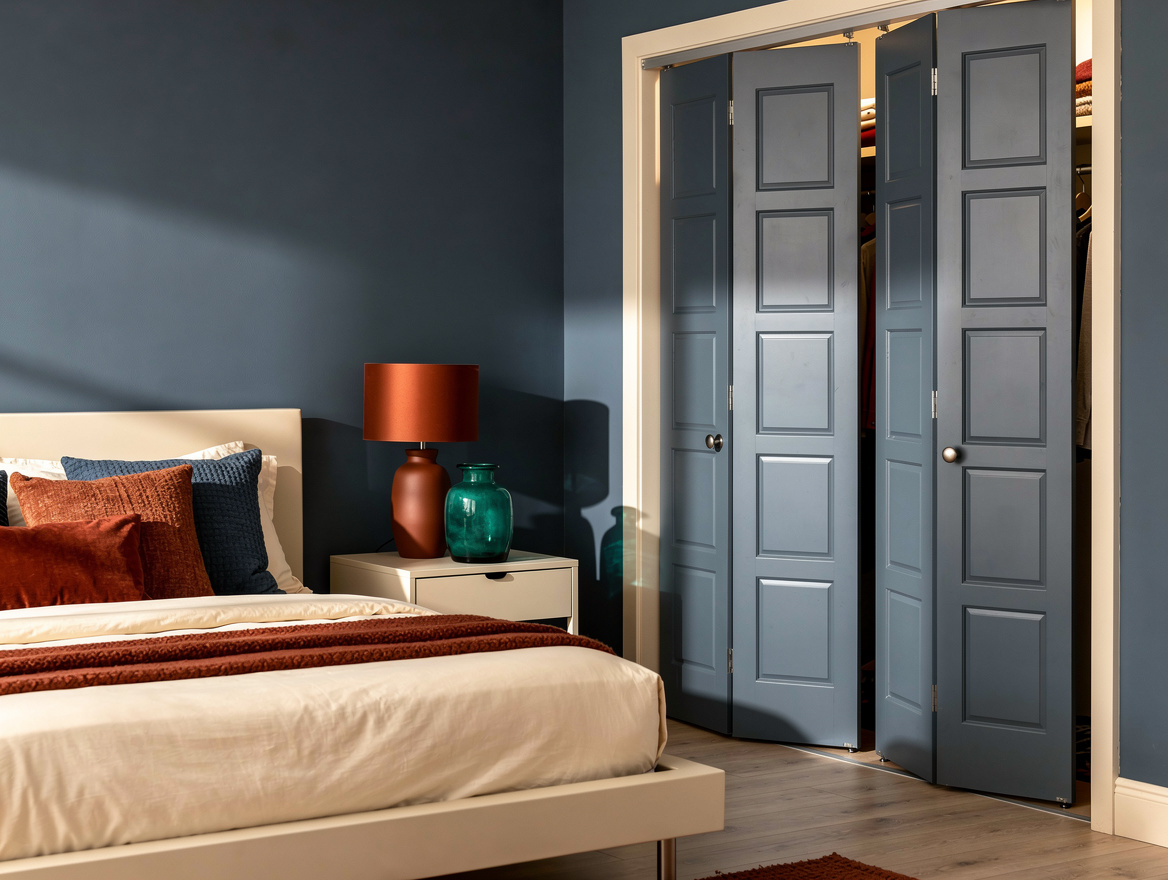
Bifold closet doors suit shallow closets where you need to reach the full hanging rod without sliding panels back and forth. Their folded leaves usually project about 10 to 15 inches, far less than the roughly 30-inch arc of a standard 30-inch hinged door.
A 30-by-80-inch JELD-WEN Colonist primed molded composite bifold is typically around $120 to $250, and one cited version costs about $155.88 with hardware included. For a 60-inch opening, double units are common.
Skip the faux-traditional look by painting smooth flat panels in the same color as the wall. That small visual decision makes the closet read as architecture instead of furniture.
Soften the Opening With Curtains
A ceiling-mounted curtain is the least expensive route to full closet access. Pulling back linen-look cotton panels takes no bedroom floor space and gives a rental room a softer edge.
Extend the track about 6 to 12 inches beyond each side of the opening so the fabric clears the closet completely. A ceiling-mounted IKEA VIDGA track is a clean option when the closet header is awkward or the doorway is extra wide.
Pick lined fabric if the closet holds visual clutter, because thin sheers reveal every hanger. This choice is honest about its compromise: it offers less dust and sound separation than a door.
Reserve Pocket Doors for Renovations
Pocket doors give the most polished result because the panel disappears into the wall. They provide full access with zero projection into a small bedroom.
They also require real construction, including opening the wall and checking for wiring, plumbing, and framing. Use a Johnson Hardware pocket-door frame only when the renovation already includes wall work.
This is rarely the budget answer for a single annoying closet door. It is the right answer when a larger remodel needs every inch around a bed, dresser, and doorway to work harder.
Start by measuring the clear floor depth in front of the closet tonight. If the door interrupts that path, a bypass slider is usually the strongest first move, while a curtain makes sense when access and cost matter most.
Mia Carter writes about small-space living and budget home makeovers. She has restyled three rentals and tests most ideas in her own 45 sqm flat.