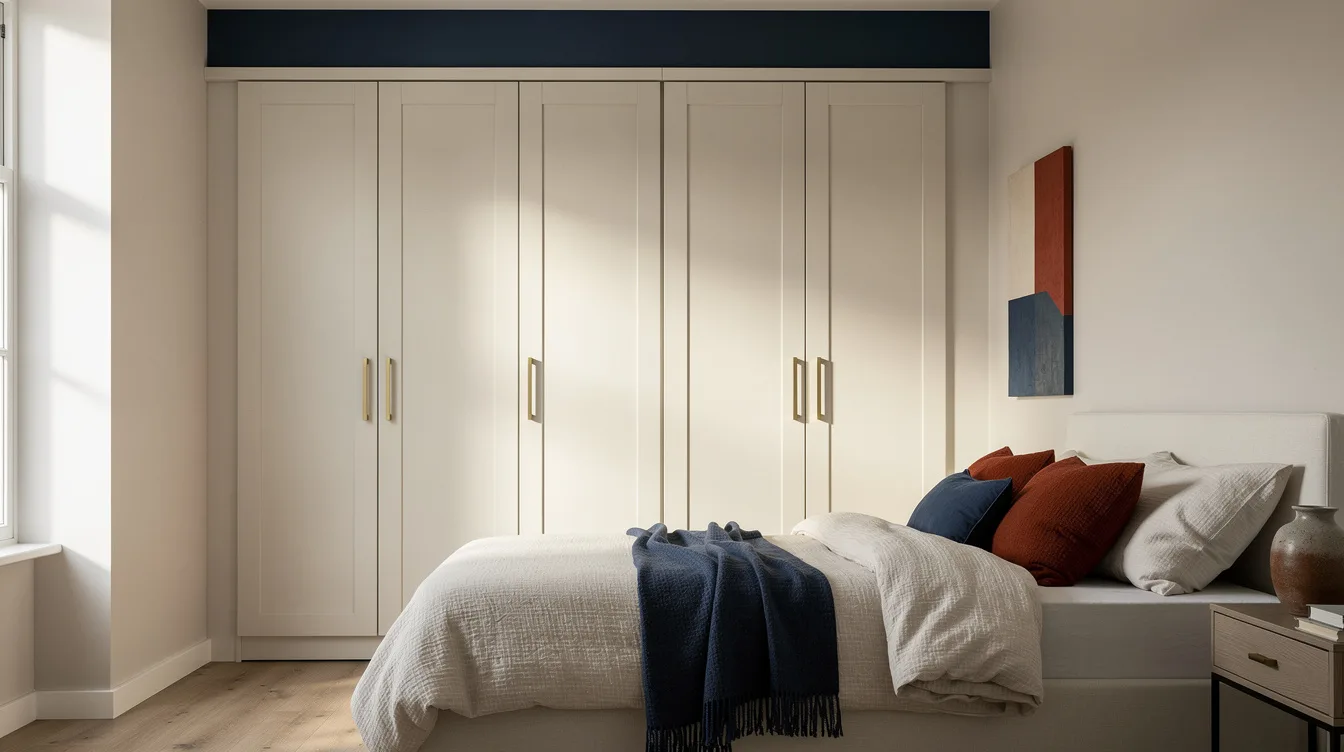
A small bedroom can handle a wardrobe wall, but it cannot forgive a unit that looks dropped into place. In a room with a 54-inch bed, even an extra 9 inches of door clearance can decide whether the layout feels calm or constantly cramped.
The convincing version starts with IKEA PAX, then treats every visible gap as a construction problem. Doors, a base, and a ceiling finish matter more than adding another organizer.
Measure the Door Swing Before Choosing Depth
Defaulting to a full-depth wardrobe is the fastest way to choke a narrow bedroom. A standard-depth PAX frame is roughly 22 7/8 inches deep, which earns its footprint when you need proper hanging space, drawers, and pull-out storage.
For a strip of wall beside the bed, the shallow frame is the smarter call at roughly 13 3/4 inches deep. Use it for folded knits, shoes, bags, and a short rail, then leave the main hanging wardrobe for a wall that can absorb the depth.
Build Up From a Real Plinth
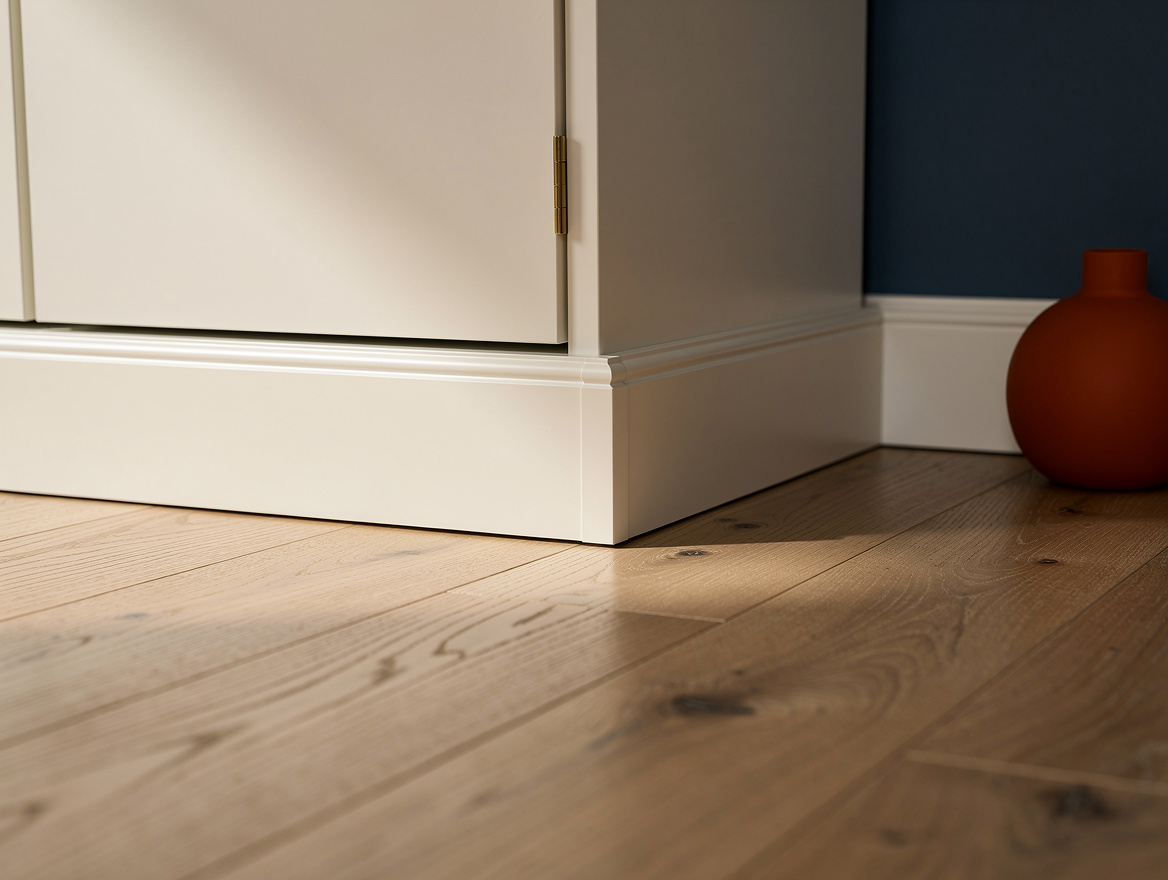
A wardrobe sitting directly on its factory feet reads like furniture, no matter how polished the doors are. Raise it on a roughly 3- to 4-inch MDF plinth, level it carefully, and run the base flush across every bay.
Paint the plinth to match the fronts or the wall, never a random wood tone. That quiet band at floor level gives the installation the weight of fixed millwork, especially beside existing baseboards.
Close the Ceiling Gap With a Filler Panel
Stopping a tall wardrobe inches below the ceiling announces its flat-pack origin from across the room. A ceiling filler made from furniture-grade plywood or MDF turns the top void into a deliberate architectural line.
Choose the roughly 79-inch-high frame for lower ceilings or difficult access, and only plan around the taller roughly 92 7/8-inch option after confirming assembly clearance. A tight fit looks expensive; a frame forced into a ceiling scrape looks careless.
Use Plain Doors to Hide the System
Open compartments, mixed bins, and exposed rails make a small room work too hard visually. Plain white hinged doors disappear most effectively when painted walls are also warm white, soft gray, or a pale putty shade.
Keep the door treatment consistent across the full run. A pair of simple knobs or slim pulls is enough, while ornate handles can make an otherwise clean wardrobe wall feel like an afterthought.
Choose Sliding Doors When Space Is Tight
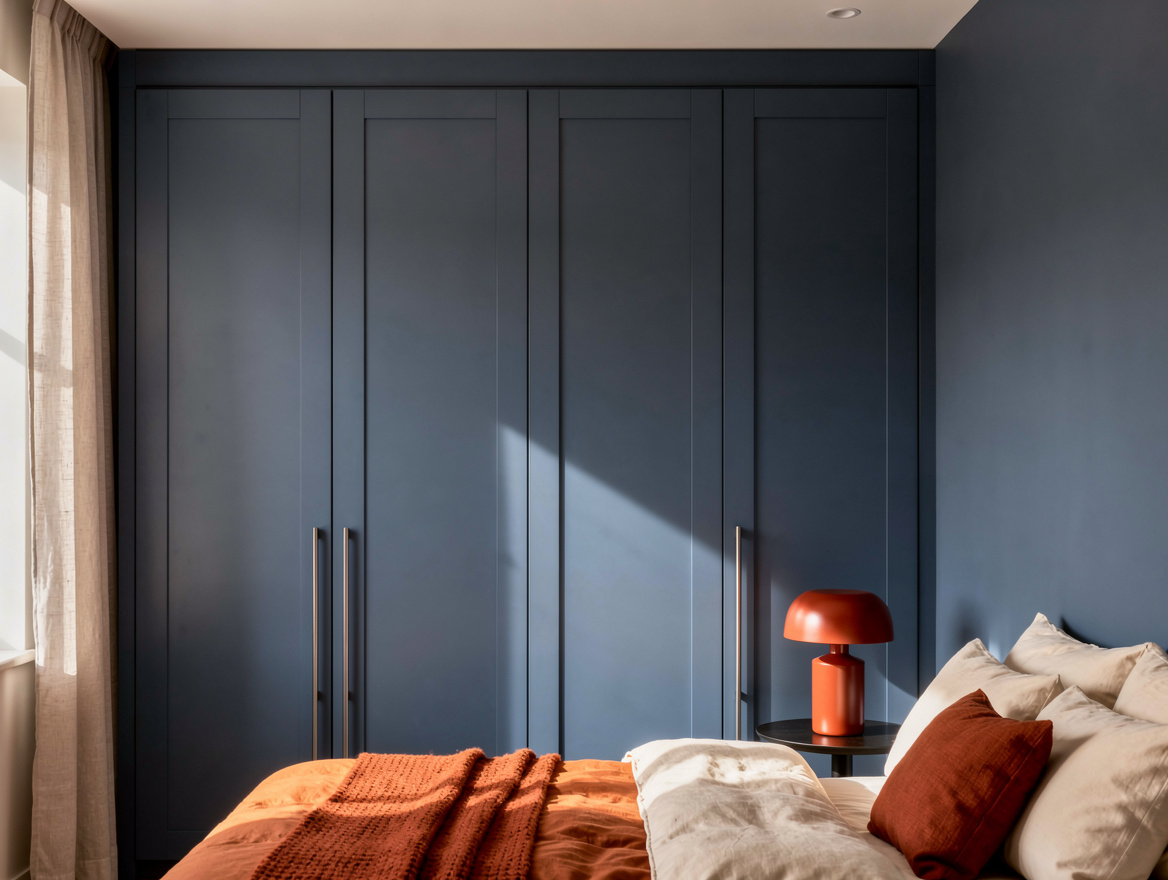
Hinged doors need room to earn their keep, and a bedroom walkway should not become their parking spot. The PAX / HASVIK sliding-door combination is roughly 59 inches wide and 26 inches deep, with a typical price around $760 before you assume installation is included.
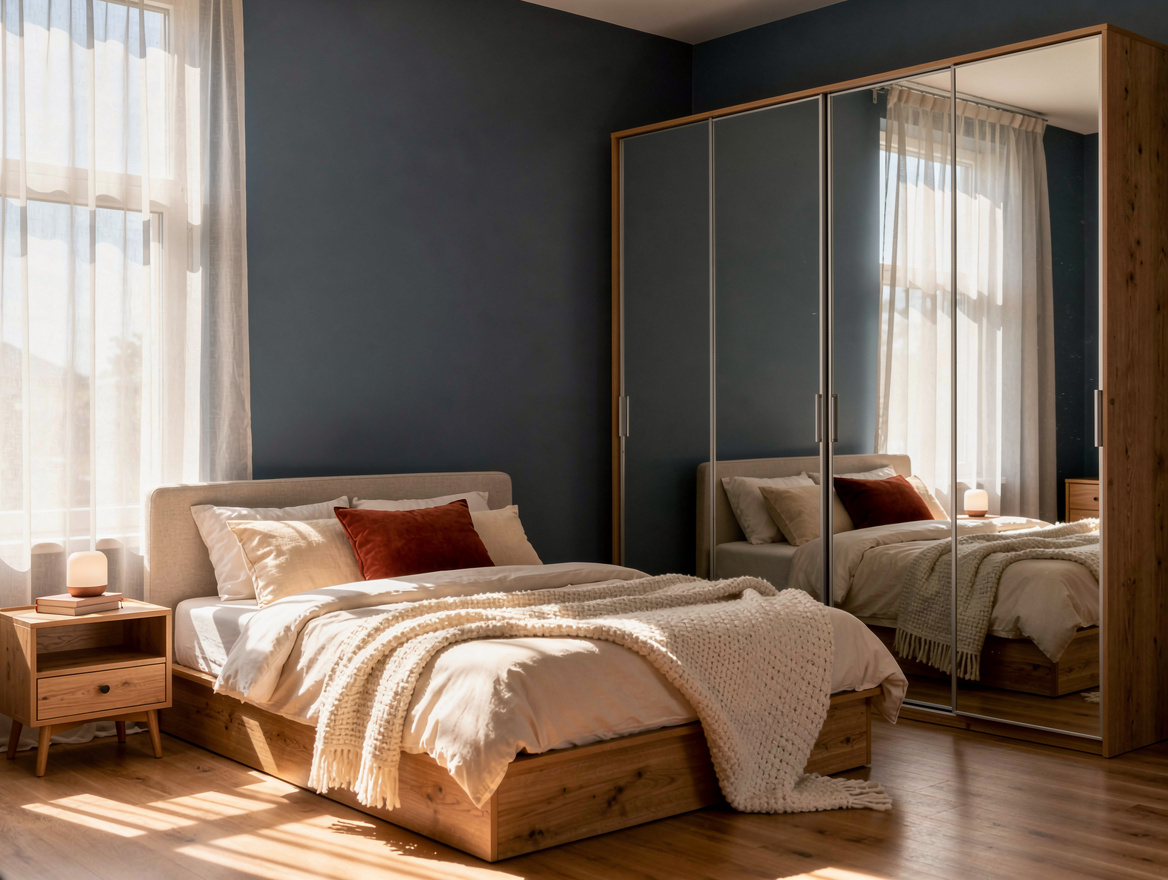
For an especially tight room, mirrored PAX / AULI doors bounce daylight and remove the need for a separate full-length mirror. That configuration is typically around $985, so it suits a room where the visual gain is worth more than a bargain front.
Give BILLY a Supporting Role
The BILLY + OXBERG route can make a persuasive shallow storage wall, but it is not a substitute for a normal hanging wardrobe. At roughly 11 inches deep, it works beautifully for sweaters, handbags, shoes, and neatly folded denim.
Its typical open-shelving starting price is around $104 before doors, trim, and finishing materials. Use it where a conventional closet would protrude too far, then keep daily hanging clothes in a deeper PAX bay or an existing closet.
Start by taping the wardrobe depth and door swing on the floor tonight. The wall that preserves a clear path to the bed is the one worth turning into a built-in.
Mia Carter writes about small-space living and budget home makeovers. She has restyled three rentals and tests most ideas in her own 45 sqm flat.