The first paper lantern I hung in a bedroom cost me about $6 and came from a party aisle, and within a week I understood why people mock these things. It sagged, it glared, and it made my 10-by-12 room look like a college sublet.
Then I swapped it for a properly sized 22-inch rice-paper pendant, and the whole room went quiet in the best way. In 2026, paper lantern lighting is a real soft-glow, sculptural trend, with prices running from about $20 at Target to $1,400 for design-house pieces. Here’s how to land on the right side of that gap.
Size the pendant to the room, not the ceiling
Here’s the sizing trick designers keep repeating: add the room’s length and width in feet, and that sum is your fixture diameter in inches. A typical 10-by-12 bedroom points to roughly a 22-inch lantern.
Most people buy way too small, and a 10-inch globe floating in the middle of the ceiling reads like a leftover party decoration. Medium pendants in the 19 to 22 inch range are the bedroom sweet spot, and you’ll find plenty at Wayfair in that band.
If your ceilings are under 8 feet, skip the pendant entirely. A low-hanging paper sphere over the bed is a forehead hazard, not a vibe.
Hang one oversized lantern and stop there
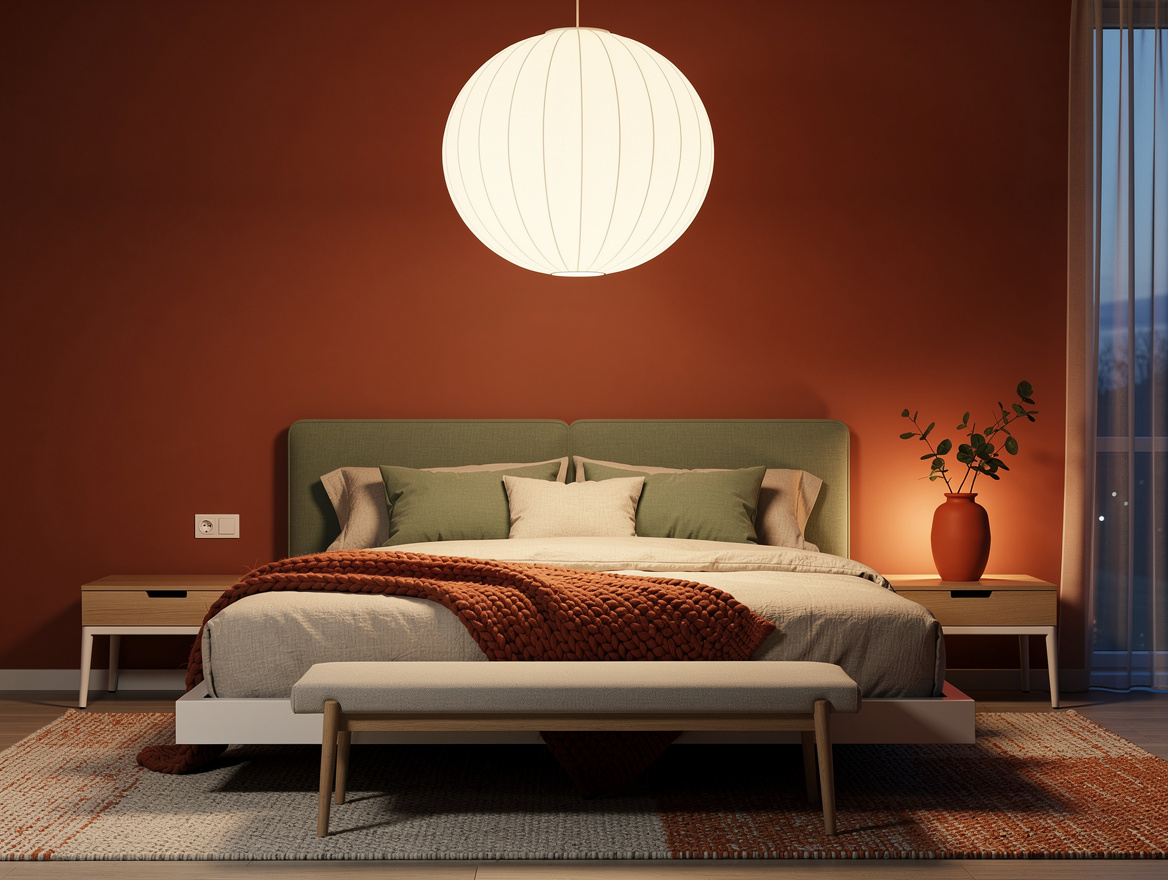
One big white paper pendant over the bed or a reading corner does more than five small ones ever will. It becomes the calm focal point, and the rest of the room can stay quiet.
The classic move is a round rice-paper globe like the IKEA REGOLIT, which typically runs about $5 to $10 and somehow still looks intentional. Hang it slightly off-center over a nightstand rather than dead-center in the room if you want the styled, editorial look.
My rule: if you’re tempted to add a second pendant, add a floor lamp instead.
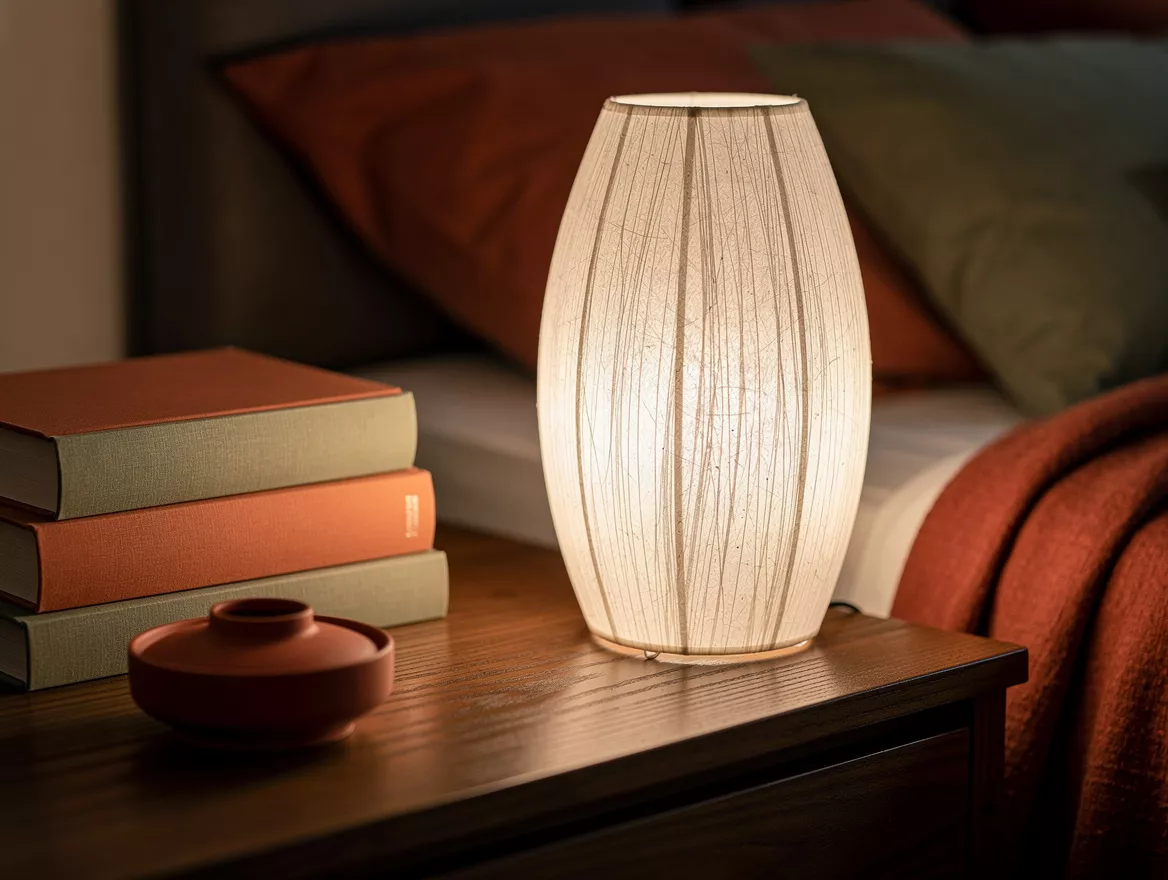
Swap the bedside lamp for a paper table version
A paper table lamp gives you the same diffused glow with zero installation, which matters if you rent. Typical small bedroom lamps run about 10 to 13 inches tall.
Target’s Room Essentials paper table lamp has sold for around $21, and honestly it’s the best cheap way to test the look before committing to a pendant. Layer it with one other light source, a floor lamp or a wall sconce, because a single glowing orb on a nightstand leaves the rest of the room in a cave.
Opinion, firmly held: the bedside table lamp is the better buy for 80 percent of bedrooms. Pendants get the magazine shots, but lamps get used.
Cluster different heights in one dead corner
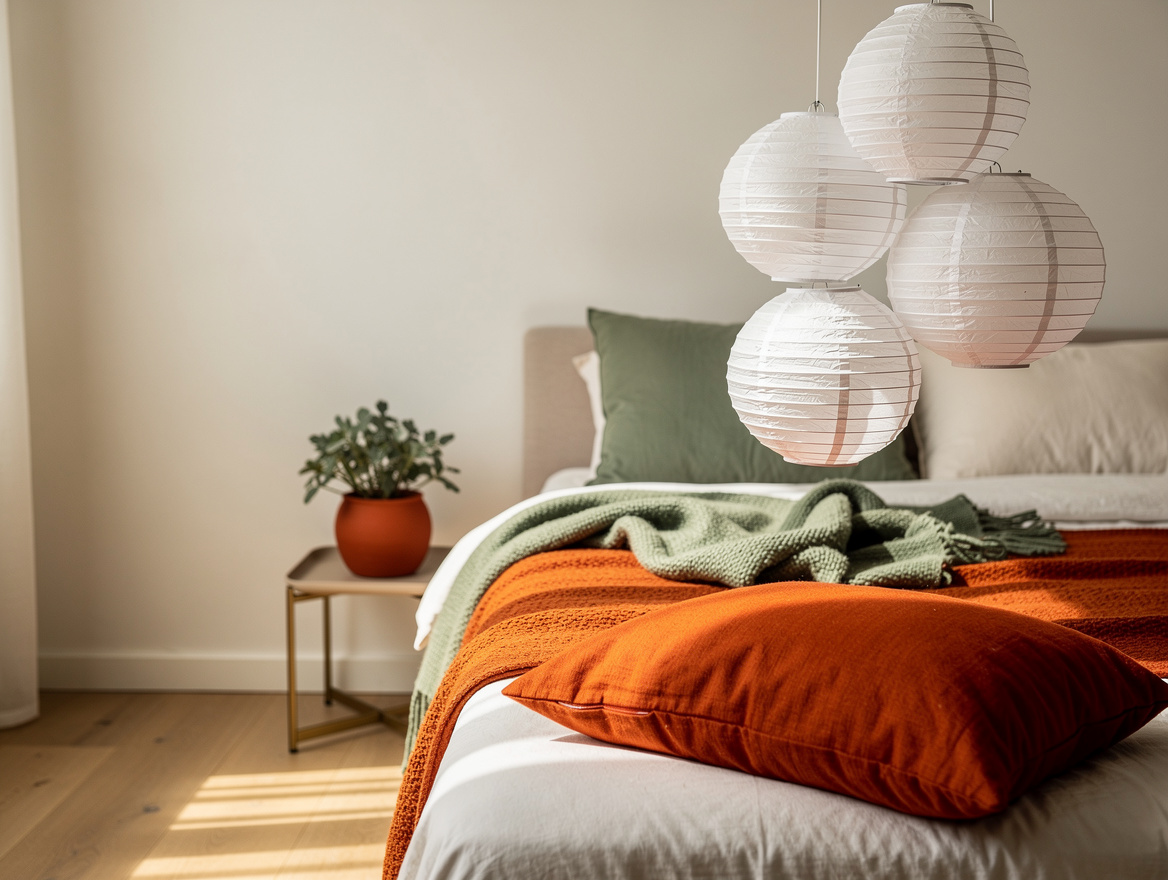
Every bedroom has that one corner where a chair went to collect laundry. Put three lanterns there instead, at staggered heights, either standing on the floor or hung at different drop lengths.
Around 20 inches in diameter works for the largest of the group, with the smaller two stepping down. The mix of heights is what makes it look gallery-like instead of like a box of lanterns that fell over.
Keep the palette to white or off-white. Colored lanterns in a cluster tip straight into dorm territory, and that’s the exact trap this whole trend is trying to escape.
Check the frame before you fall for the shade
Paper lanterns are usually rice paper or translucent paper stock over a frame, and the frame is where quality hides. The durable builds in current listings use bamboo ribs or steel wire, and you can feel the difference the second you touch one.
Flimsy wire frames dent in the box and never sit round again. A tightly woven rice-paper shade on bamboo ribs holds its shape for years, and it’s typically only a few dollars more than the saggy version.
Give the lantern a gentle squeeze in-store. If it crinkles and stays crinkled, put it back.
Get the bulb right or the whole thing fails
A paper lantern with a cool-white 5000K bulb inside looks like a hospital corridor wrapped in tissue. Warm white, around 2700K, is non-negotiable for a bedroom.
Dimmable LED bulbs at Home Depot or Lowe’s run roughly $8 to $15 for a two-pack, and dimming matters more than people think. Paper diffuses light beautifully at low brightness and turns glaring at full blast.
Budget string lantern sets, like the Target Northlight 10-count sets at about $23 to $28, work only if you treat them as accent light, draped along a headboard or shelf. Plugged in as the main light source, they read as a dorm room no matter how nice the rest of the space is.
Start with the cheapest test: one warm-white bulb in a small paper table lamp on your nightstand tonight. If the glow wins you over, size up to the pendant, because going big first and hating it is the expensive version of the same lesson.
Mia Carter writes about small-space living and budget home makeovers. She has restyled three rentals and tests most ideas in her own 45 sqm flat.