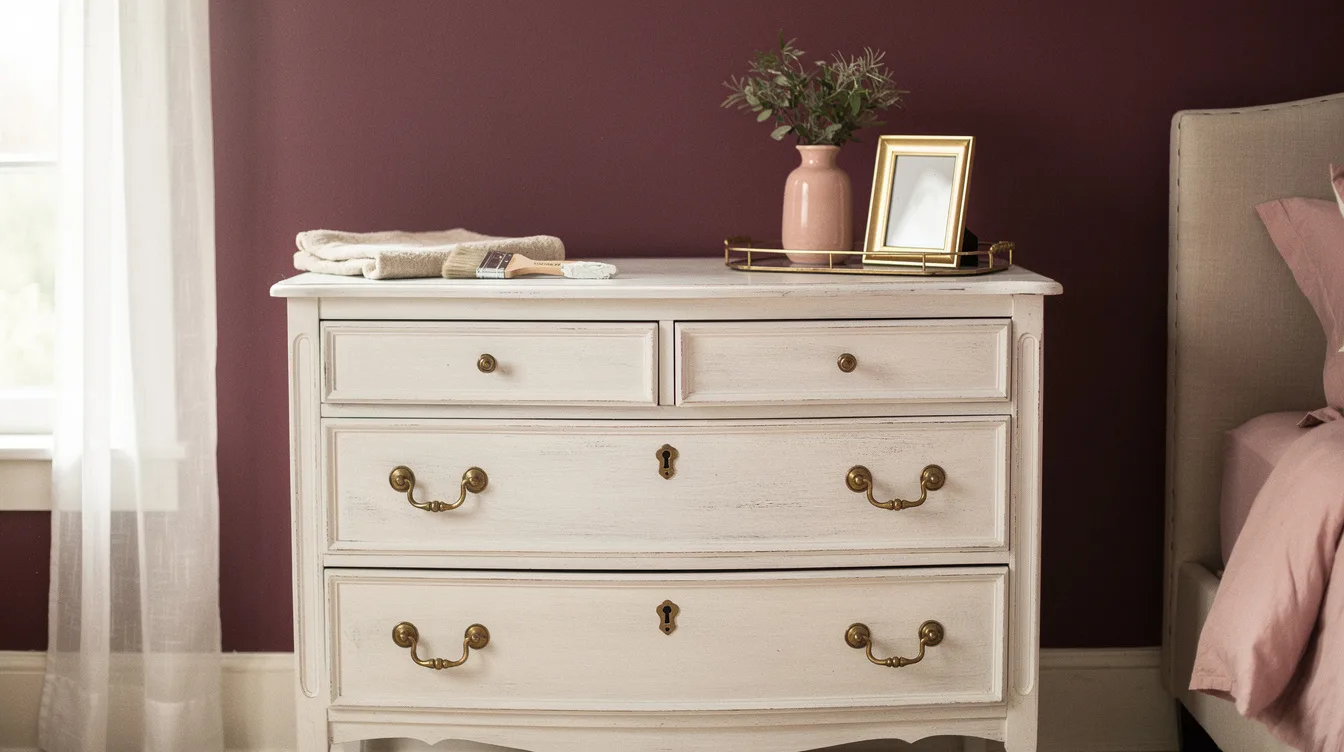
I once watched a tired 54-inch dresser lose its orange varnish problem under two calm coats of paint, and the change felt almost suspiciously fast.
Annie Sloan Chalk Paint starts at about $16 per color through U.S. Stockists, but the paint is only half the decision. The finish you choose determines whether that dresser stays charming or gets marked up by next week.
Clean the Surface Before Opening the Tin
Wipe furniture with a clean, damp cloth and let it dry fully before using Chalk Paint. The formula is made for minimal prep on wood, metal, laminate, and concrete, yet dust, cooking grease, and furniture polish can still ruin an otherwise easy first coat.
Skip the reflex sanding marathon unless the old finish is peeling or deeply damaged. A sound surface, a clean rag, and a little patience usually beat an afternoon spent creating dust in the garage.
Start With a Dresser You Can Actually Finish
A small side table, chair, or nightstand is the right first project because you can paint it in one focused session. One small tin is usually enough for a compact piece, while a dresser often needs a 1-liter tin and sometimes more on thirsty wood.
Choose Old White, French Linen, or Chicago Grey when you want a finish that can live with changing bedding and wall color. Loud color is great on the right piece, but a first project should not become a six-month argument with your room.
Use One Color on a Matching Chair Set
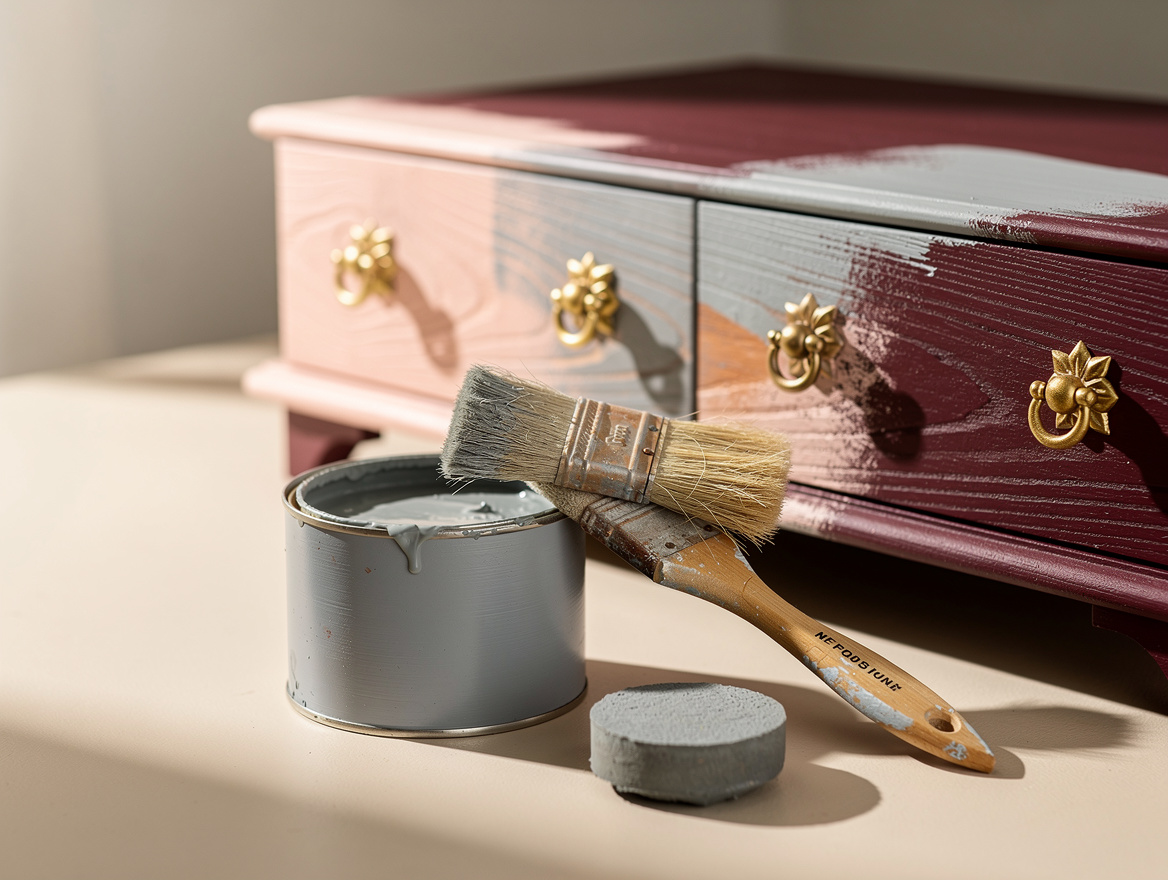
A dated kitchen chair set looks intentional when every frame wears the same shade of Paris Grey or Graphite. Paint each chair in the same order, working from the turned details outward so drips do not collect where hands will notice them.
Keep the seats unpainted if they are in good shape, or recover them after the frames cure. A consistent paint color gives mixed wood tones one clear job: supporting the room instead of competing in it.
Apply Thin Coats With a Purpose
Load a proper Annie Sloan Paint Brush lightly, then work the paint into corners before smoothing broad areas. Two thin coats usually look richer and feel more controlled than one thick coat with visible brush ridges.
Let the first coat dry before judging coverage, especially over dark stain. I like a little texture on a vintage cabinet, but a tabletop should feel deliberately smooth because fingers will find every lumpy patch.
Choose Clear Wax for a Soft Matte Finish
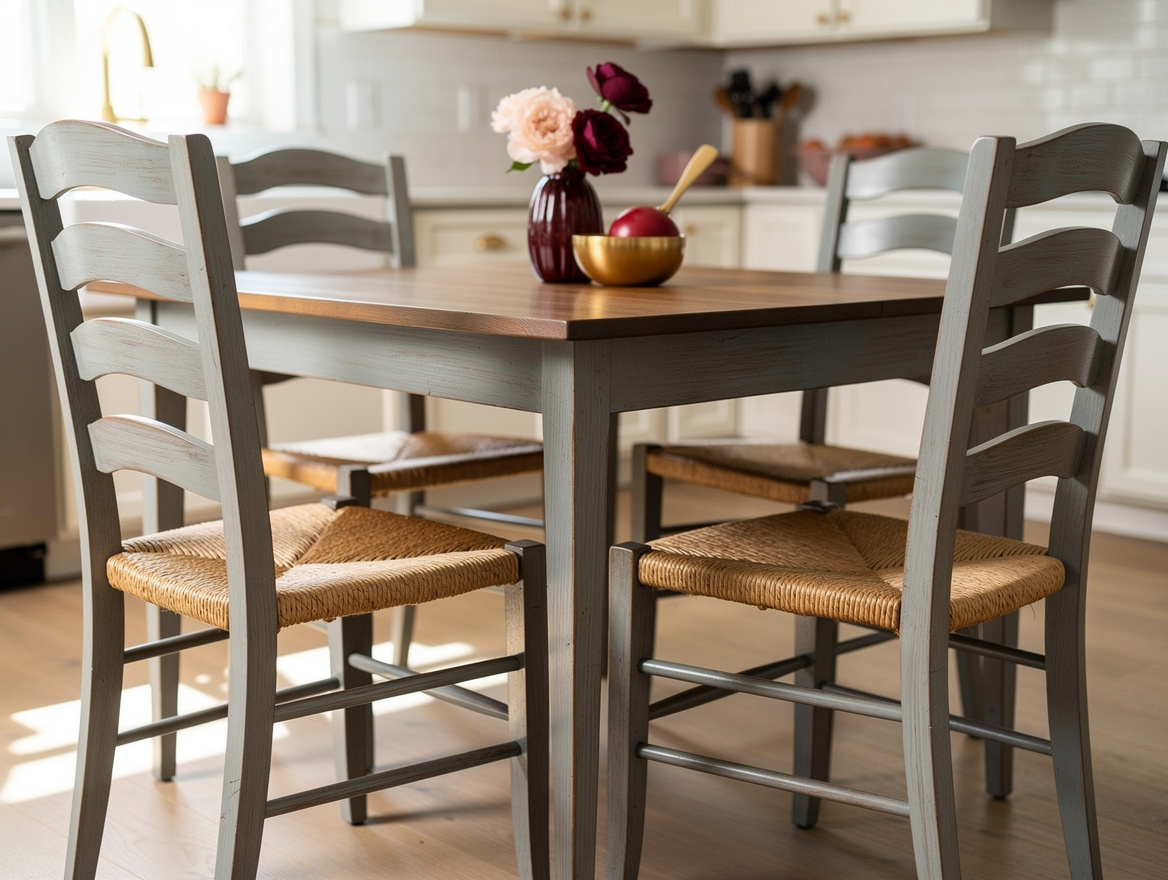
Use Clear Chalk Paint Wax when you want the classic chalk-painted look: soft, matte, and gently deepened in color. Work it into the dry paint with a wax brush or lint-free cloth, then remove excess instead of leaving a heavy cloudy layer.
A 500 ml tin of clear wax is typically about $41.75, so plan the finish before buying several paint colors on impulse. For a small furniture flip, materials often land around $25 to $60 when you already own brushes and basic supplies.
Seal Hardworking Tables With Lacquer
Pick Chalk Paint Lacquer for a desk, dining table, shelf, or any surface that sees regular spills and scrubbing. The water-based polyacrylic finish offers more wear resistance than wax, which makes it the practical choice for family furniture.
A 750 ml tin covers about 19 square meters, though porous wood and layered color can change the real result. Save Dark Wax for a cabinet or carved piece where an aged, shadowed finish adds character instead of looking like accidental grime.
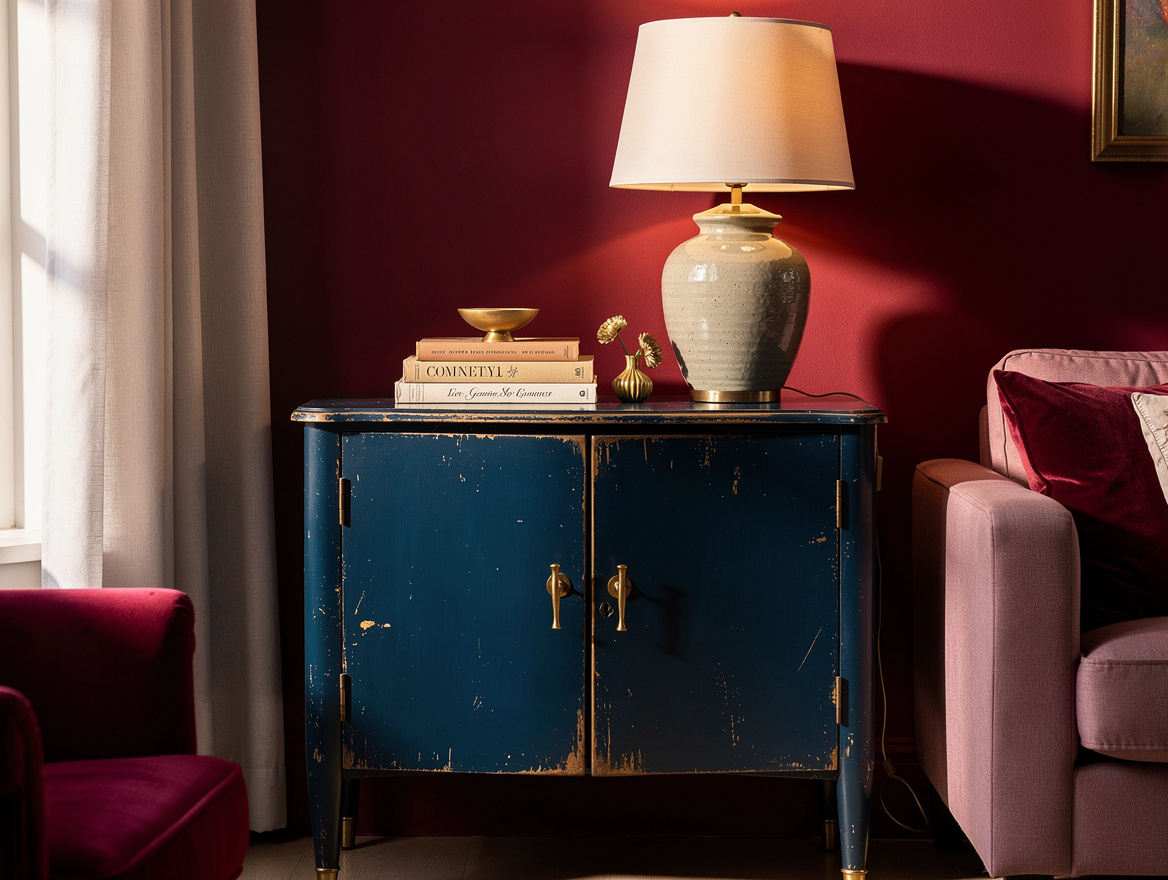
Begin with the cleanest small piece in your home, choose one neutral paint color, and decide on wax or lacquer before the lid comes off. That single choice keeps a quick furniture refresh from becoming a redo.
Mia Carter writes about small-space living and budget home makeovers. She has restyled three rentals and tests most ideas in her own 45 sqm flat.