A guest room can feel oddly unfinished when a twin daybed is treated like a bed that happened to land in an empty room. The tension shows up fast: a standard twin mattress is about 38 inches by 75 inches, yet bulky furniture can make that modest footprint feel cramped.
I prefer a lounge-first plan, because guests deserve a room that works at 10 a.m. As well as midnight. Seating, a landing spot for a book, and bedding that does not scream spare room all matter.
Plan the Room Before Buying the Frame
Measure the full frame, not only the mattress. A typical twin daybed frame can run about 78 inches deep and more than 42 inches wide, so the side rails, trundle clearance, and walking path decide whether the room feels calm.
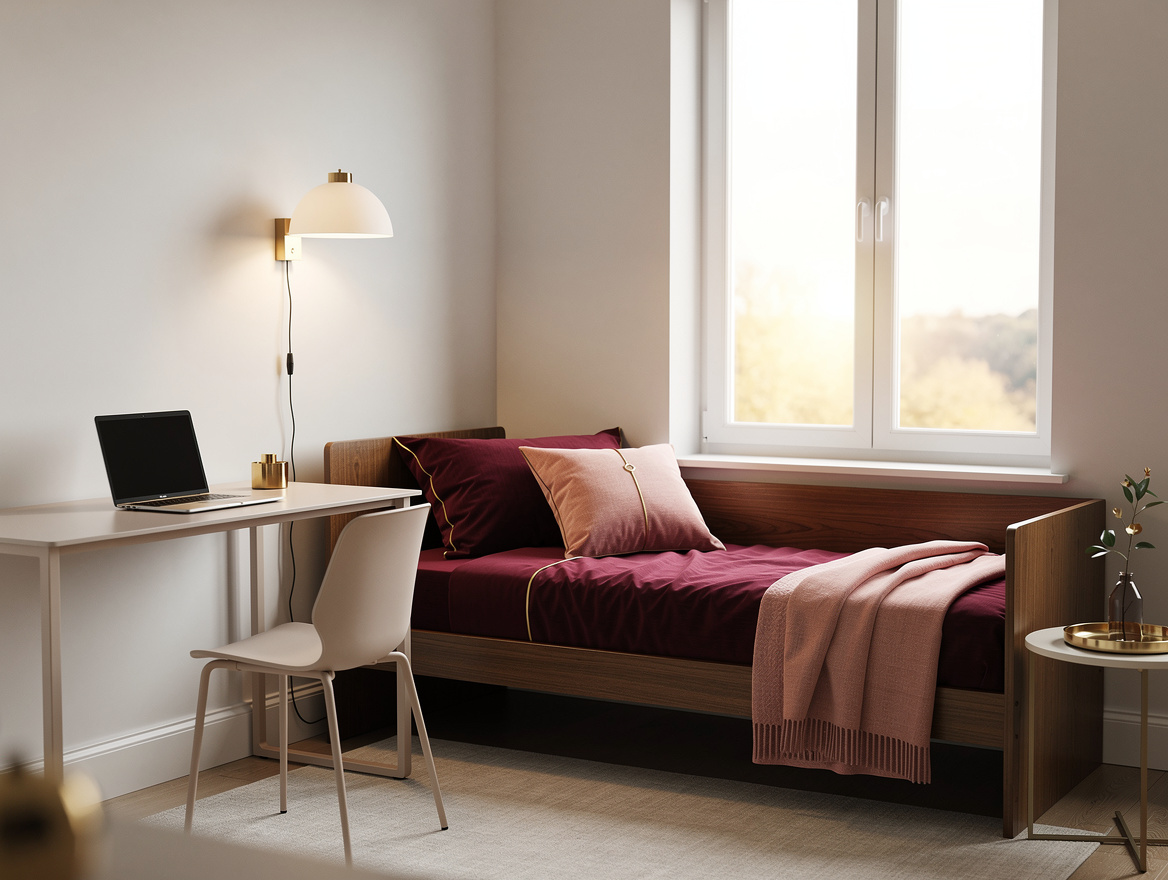
In a narrow room, place one wood daybed beneath a window and reserve the opposite wall for a shallow desk or dresser. That layout gives one guest a real place to sit without turning every inch into sleep furniture.
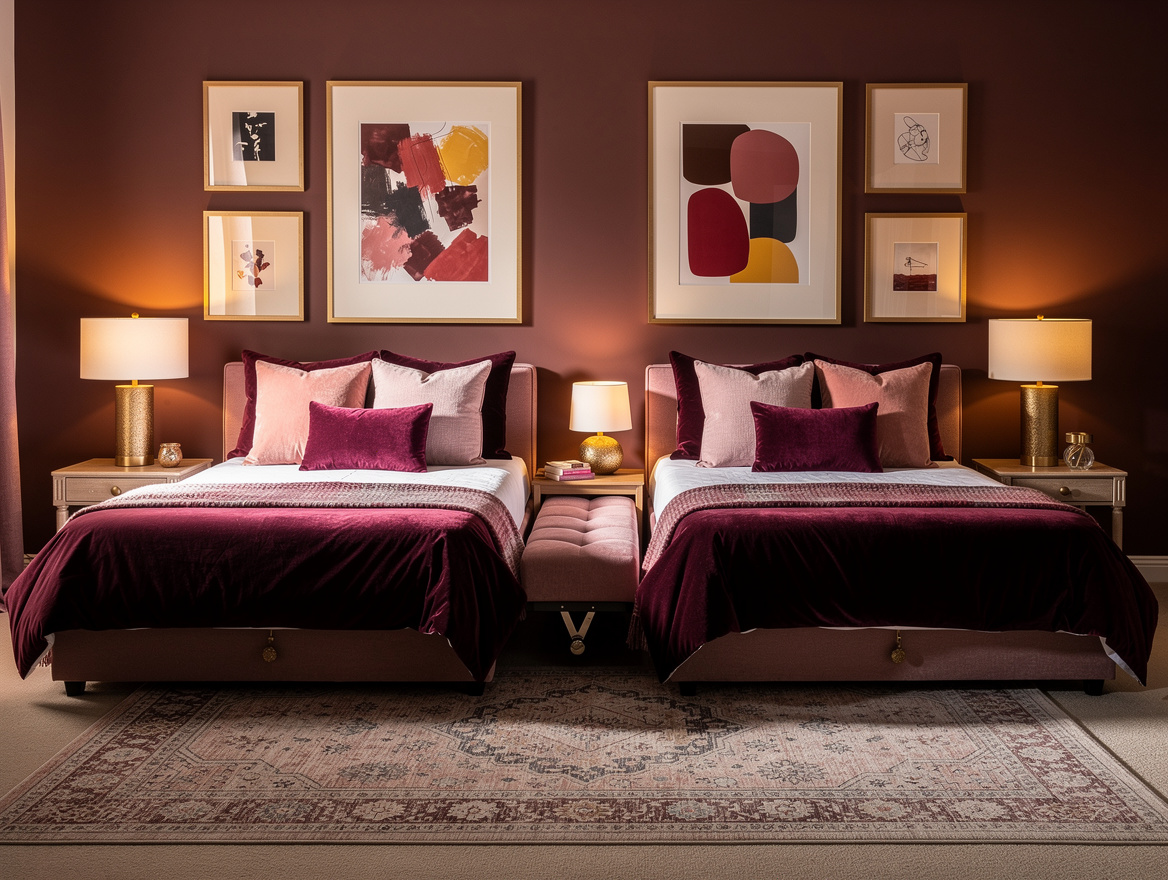
For a larger guest room, set two matching daybeds on opposite walls with a low rug between them. The symmetry feels intentional, and shared side tables prevent the room from reading like a camp cabin.
Skip oversized bookcase rails unless the room can absorb them. Built-in-looking storage is tempting, but a thick frame beside a tight doorway makes every arrival feel like an obstacle course.
Choose Sleeping Capacity Honestly
One daybed is enough when the room mainly hosts solo visitors. Add a pull-out trundle when siblings, a parent and child, or an occasional couple actually stays over, rather than buying a second bed for imaginary guests.
A basic twin daybed commonly starts around $180 to $400, while many upholstered or wood options typically fall around $295 to $595. Pay for the feature that changes how you host, not a decorative silhouette that steals floor space.
Storage models can cost roughly $795 to $1,377, so they need a job beyond looking substantial. Drawers earn their price in a room with no closet, especially when extra sheets and blankets have nowhere else to live.
For a flexible office, keep the daybed in one corner and use a compact chair across from it. The room stays useful between visits, which is the entire point of this furniture category.
Make Each Daybed Read Like a Sofa
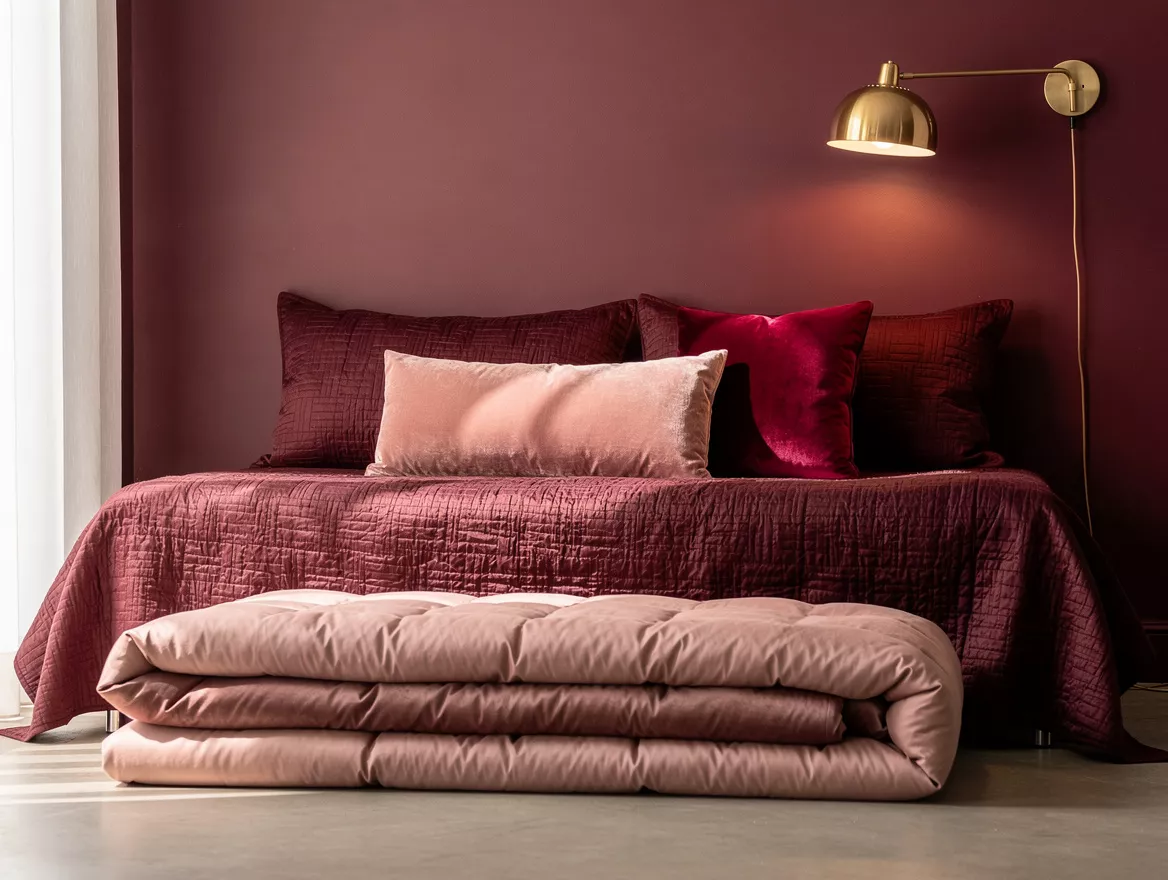
A daybed without back cushions looks like a stripped-down single bed. Give it a sofa posture with two or three substantial pillows against the long wall, plus one lumbar pillow in a fabric that can take frequent handling.
An upholstered frame is especially forgiving here because it already has the softness of seating. A metal frame can work too, but it needs thicker textiles or it starts to look like temporary furniture.
Use a fitted sheet and a crisp coverlet during the day, then fold a duvet at the foot for nighttime. This is cleaner than piling on decorative bedding that guests must remove before they can sleep.
My firm opinion: avoid matching every pillow to the quilt. A striped pillow, a quiet solid coverlet, and one textured throw make the room feel lived-in without creating a styling assignment.
Use Lighting That Frees the Floor
Bulky nightstands are the fastest way to make twin daybeds feel crowded. Install a wall-mounted sconce with a swing arm above each sleeping spot, then use a small round table for water, glasses, and a phone.
A pair of wall lights also gives two facing daybeds equal status. Guests should not have to reach across a shared table or get up to switch off the only lamp in the room.
For a renter-friendly version, use plug-in sconces and hide the cord neatly along the wall. The look is still more tailored than matching table lamps squeezed onto furniture that is too deep.
Choose warm bulbs around 2700K for evening use. Cooler light makes fresh white bedding look bluish and gives a guest room the mood of a waiting area.
Anchor Two Beds With One Quiet Rug
Two narrow beds need a shared visual center or they float apart like unrelated purchases. A low-pile wool rug placed between them makes the space read as a small suite and softens the route from one bed to the door.
Keep enough rug visible around the edges to establish the zone, but do not force a giant rug under every leg. In a compact room, a runner-like center rug often looks smarter and costs less.
Choose a muted pattern if the bedding has stripes, florals, or visible texture. The floor should connect the beds, not compete with every pillow and wall print.
Target and Wayfair both make this easy to shop at accessible price points, but size matters more than the label. Tape the outline on the floor before ordering, then walk the room as if you were carrying a suitcase.
Give Guests One Useful Landing Zone
A guest bedroom needs one surface that is clearly theirs. A narrow console table near the door can hold a tote, charger, water carafe, and the book someone brought from home.
Choose a compact bedside surface instead of a full dresser beside each bed. Two small tables are more useful than one oversized chest, particularly when the daybeds face each other.
Add a reading chair only when it does not block circulation. If the room is tight, a small desk paired with a simple stool does double duty better than a decorative chair nobody can comfortably use.
Finish with art above the daybed or a single framed print on the opposite wall. Blank walls make even good furniture look provisional, while one deliberate focal point gives the room a settled point of view.
Start with the sleeping count, then tape the daybed footprint on the floor before you shop. That five-minute test will tell you whether you need a single lounge-ready bed, a trundle, or two matching daybeds.
Mia Carter writes about small-space living and budget home makeovers. She has restyled three rentals and tests most ideas in her own 45 sqm flat.