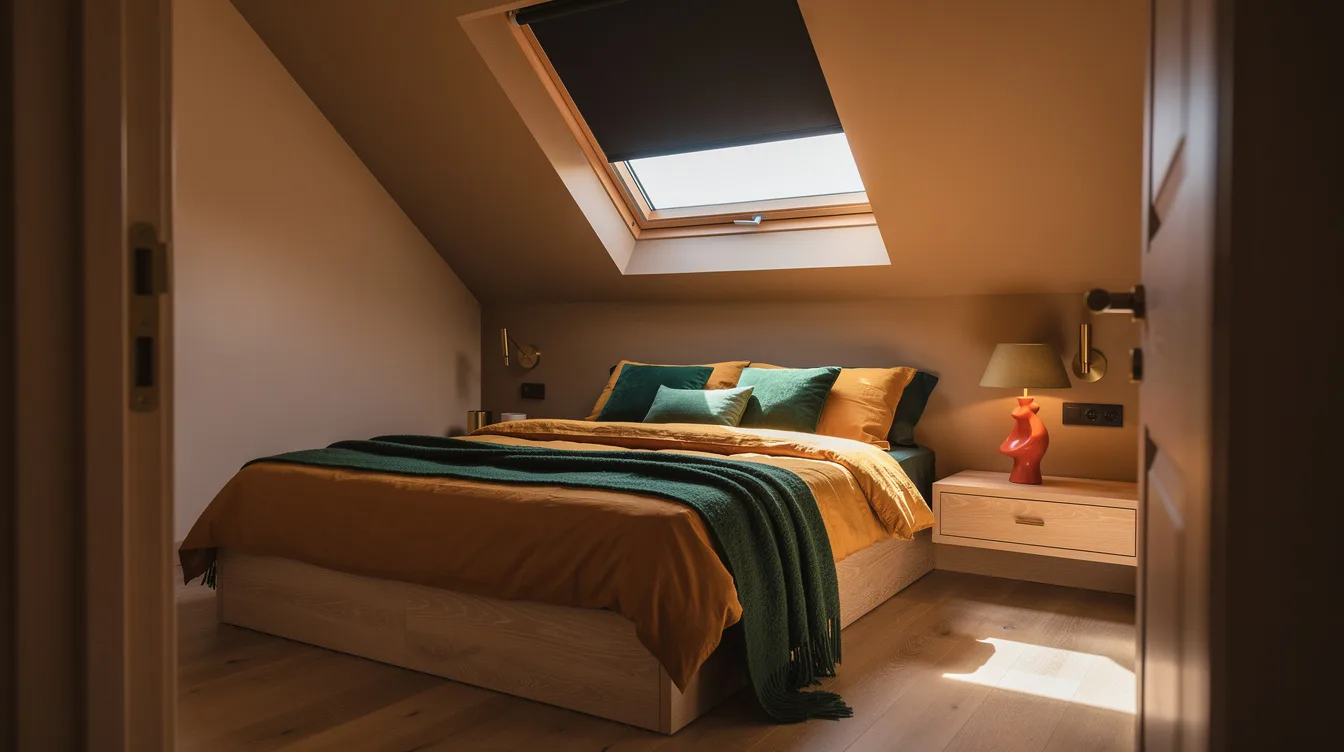
An attic bedroom can feel pinched before the sheets even go on. In a room around 8 to 12 square meters, the roof slope decides where your body can stand, sit, and sleep, so treating it like a square bedroom wastes the space you paid to finish.
The fix begins with a blunt assessment: map the lowest eave, the tallest wall, and the route from door to bed before buying a single basket or bedside table.
Set the Bed Beneath the Lowest Eave
Stop fighting the slope with a tall headboard. A low IKEA SLATTUM bed frame in a 140 by 200 cm size keeps the sleeping zone visually quiet, while a 90 by 200 cm bed is usually the smarter call in a genuinely tight footprint.
Designers put lie-down furniture where headroom is least useful. Keep roughly 60 to 70 cm of clear access along one long side of a 140 by 200 cm bed, or downsize before the room starts feeling like an obstacle course.
A floor-hugging frame, a simple upholstered headboard, and bedding with little contrast. That is plenty under a sharply angled ceiling.
Protect the Tall Zone for Standing Tasks
The tallest part of the attic should handle dressing, working, and walking. Put a 60 cm-deep desk near a dormer or skylight only where there is roughly 190 to 200 cm of standing headroom in front of it.
A compact desk from Target or Wayfair works better than an oversized executive piece that blocks circulation. I would rather see one useful work surface than a desk, vanity, and chair jammed into the same narrow strip.
Use the high wall for the mirror too. Trying to inspect an outfit while ducking under a rafter is an everyday irritation, not a charming attic detail.
Build Storage Along the Knee Wall
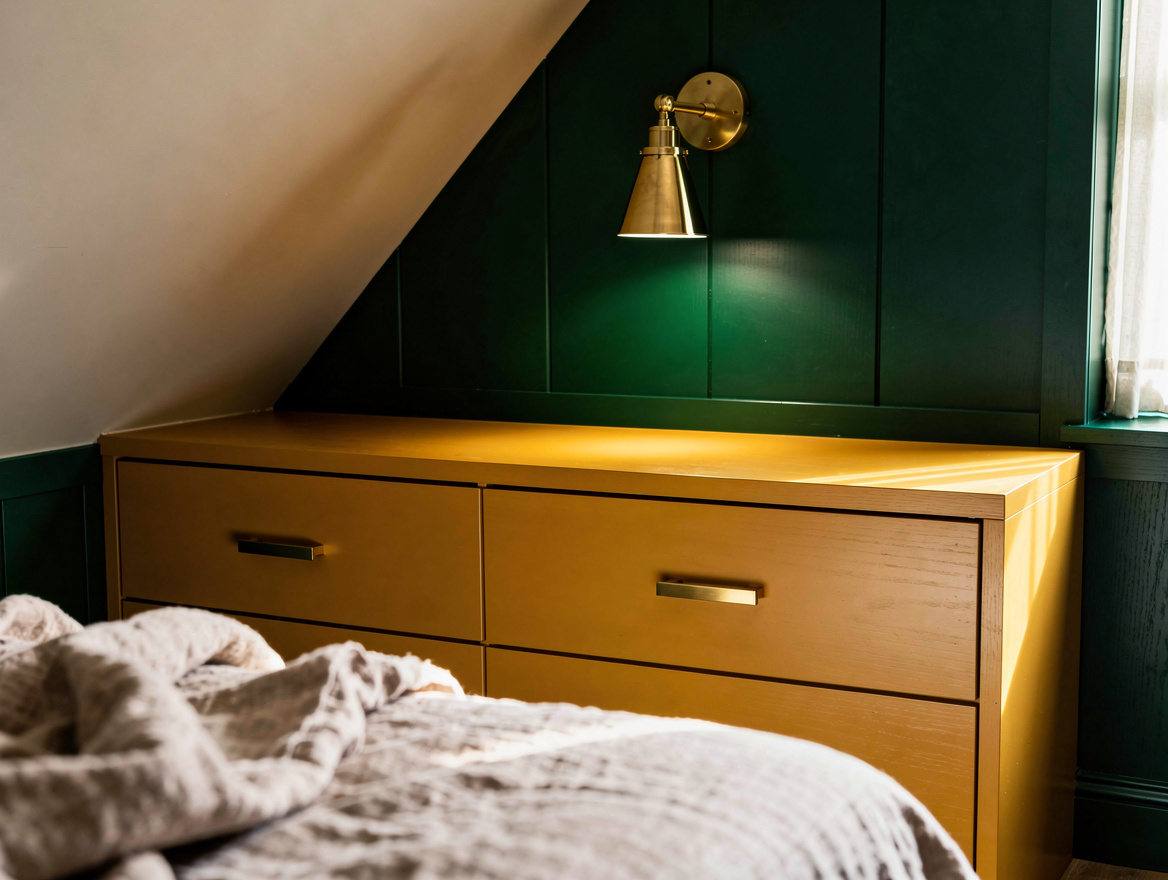
The knee wall is valuable square footage, not a place to stack leftover bins. A continuous 30 to 55 cm-deep run of low drawers or cabinet doors gives an attic bedroom the tailored feeling of a small hotel room.
Use plywood or painted MDF fronts in the same color as the wall so the storage recedes. Standard tall wardrobes under a slope almost always look accidental, and their unusable upper corners collect dust.
An IKEA MALM 3-drawer chest, around 40 cm wide, is a sensible stopgap on a short straight wall. Reserve a tall narrow cabinet for the true full-height zone, never the tempting but too-low corner.
Choose Drawers Over Lift-Up Bed Storage
Storage beds can rescue a small attic, but the mechanism matters. An IKEA BRIMNES bed with drawers is easier to live with beneath a low ceiling because you pull storage toward yourself instead of lifting a mattress into the roofline.
A lift-up frame can work in a taller attic, yet it needs enough clearance to open comfortably. Measure the raised lid path with painter’s tape before committing, especially if a pendant or rafter hangs over the bed.
Keep the rest of the furniture lean: one narrow shelf beside the mattress, wall-mounted reading lights, and one compact chest. A complete matching bedroom set is usually the fastest way to make the room look undersized.
Paint the Angles as One Envelope
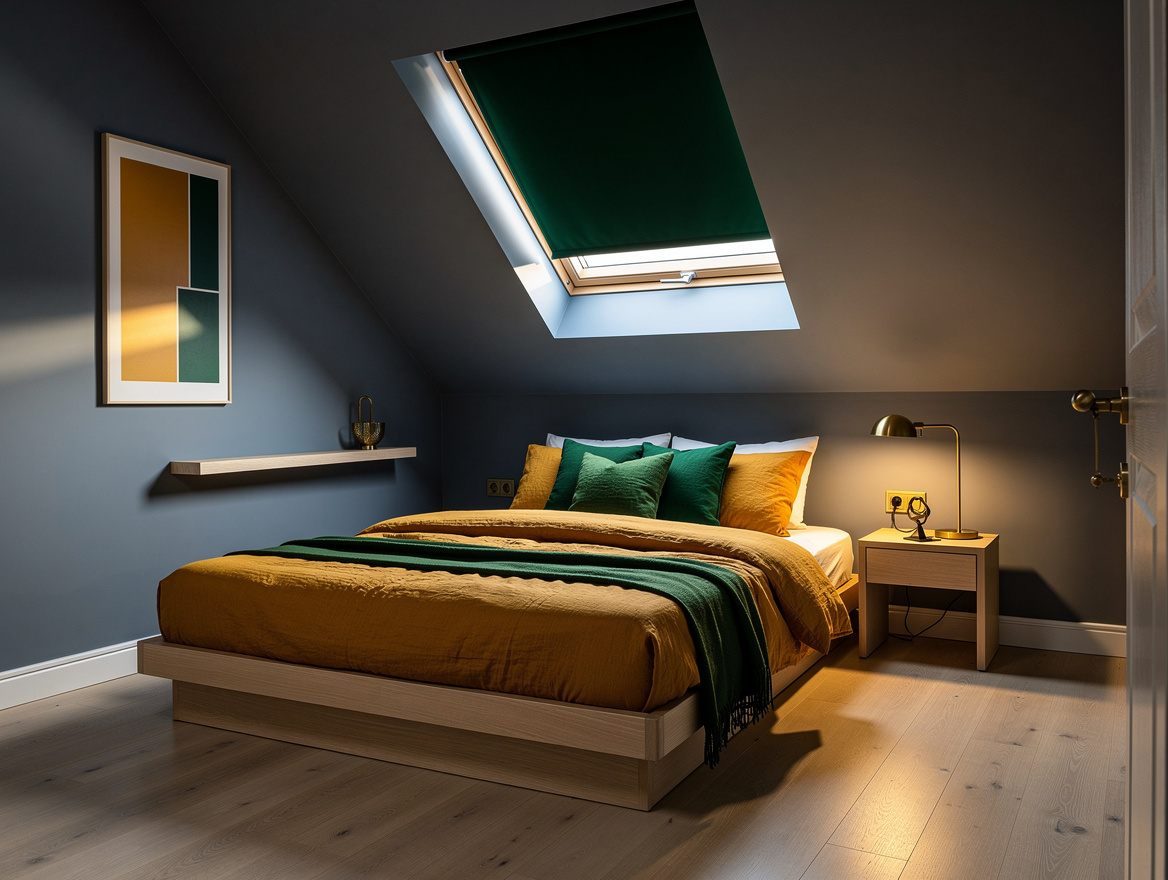
Painting every angled surface white is safe, but it can make an attic feel unfinished and chilly. Carry one muted shade across the walls and sloped ceiling, then let the architecture read as an intentional envelope.
Try warm taupe, smoky blue, clay, or a softened green from Home Depot or Lowe’s. A single color blurs awkward ceiling transitions; a busy accent wall calls attention to every strange angle.
Bring in light oak, pale pine, or a small wool-look rug for warmth. The room needs contrast in texture, not a dozen competing colors.
Control Skylight Light Before Adding Decor
An attic bedroom without blackout coverage can become a 5 a.m. Wake-up call. Choose a properly fitted roof-window blackout shade where possible, or use a cut-to-length IKEA BENGTA blackout panel for a simple textile solution around a conventional window.
For a pair of fuller curtains, IKEA ROSENMANDEL blackout curtains give the bed wall more softness without adding bulky furniture. Mount the rod high and wide on a vertical wall, not across a roof slope where fabric steals useful headroom.
Skip a central chandelier in a low attic. Plug-in sconces or slim wall lights free the bedside surface and keep light where reading actually happens.
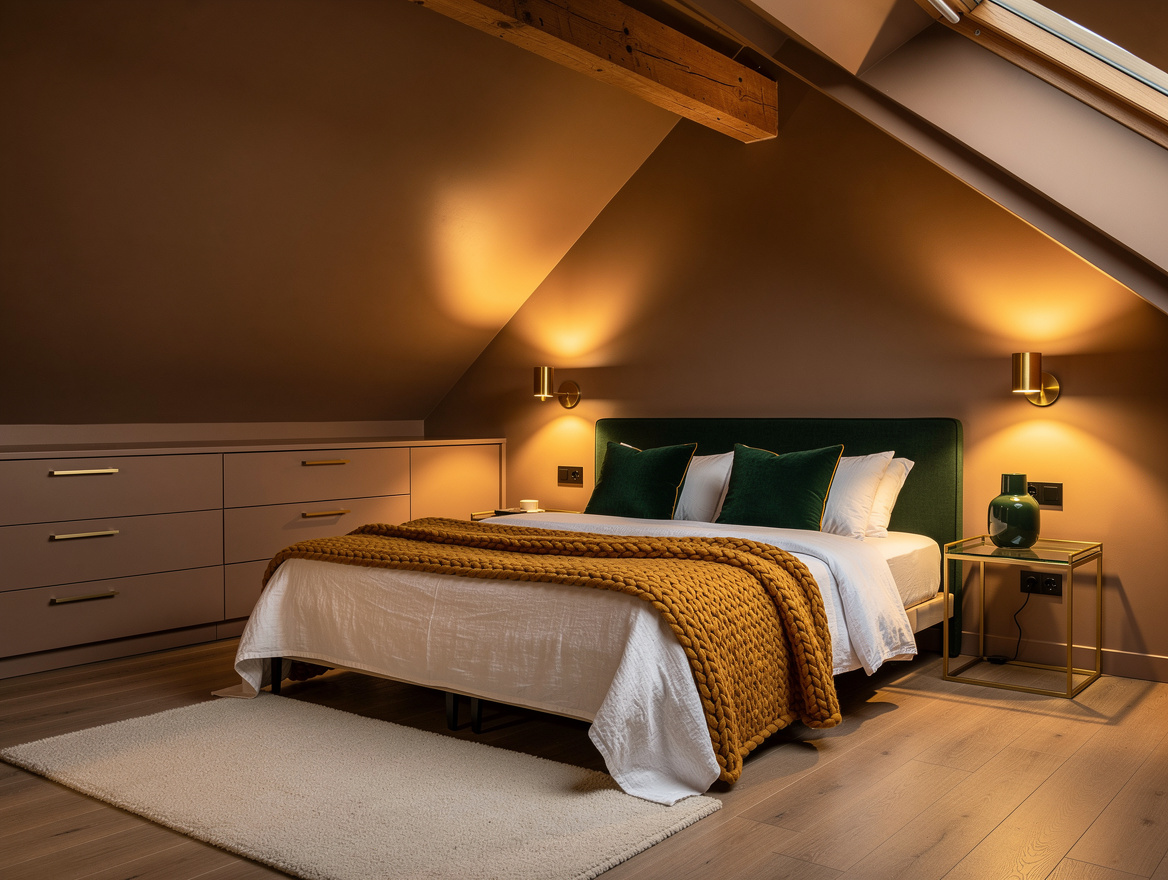
Start with the bed location and mark the walking path on the floor. Once the low zone is assigned to sleeping and the tall zone to standing storage, every later choice gets easier.
Mia Carter writes about small-space living and budget home makeovers. She has restyled three rentals and tests most ideas in her own 45 sqm flat.