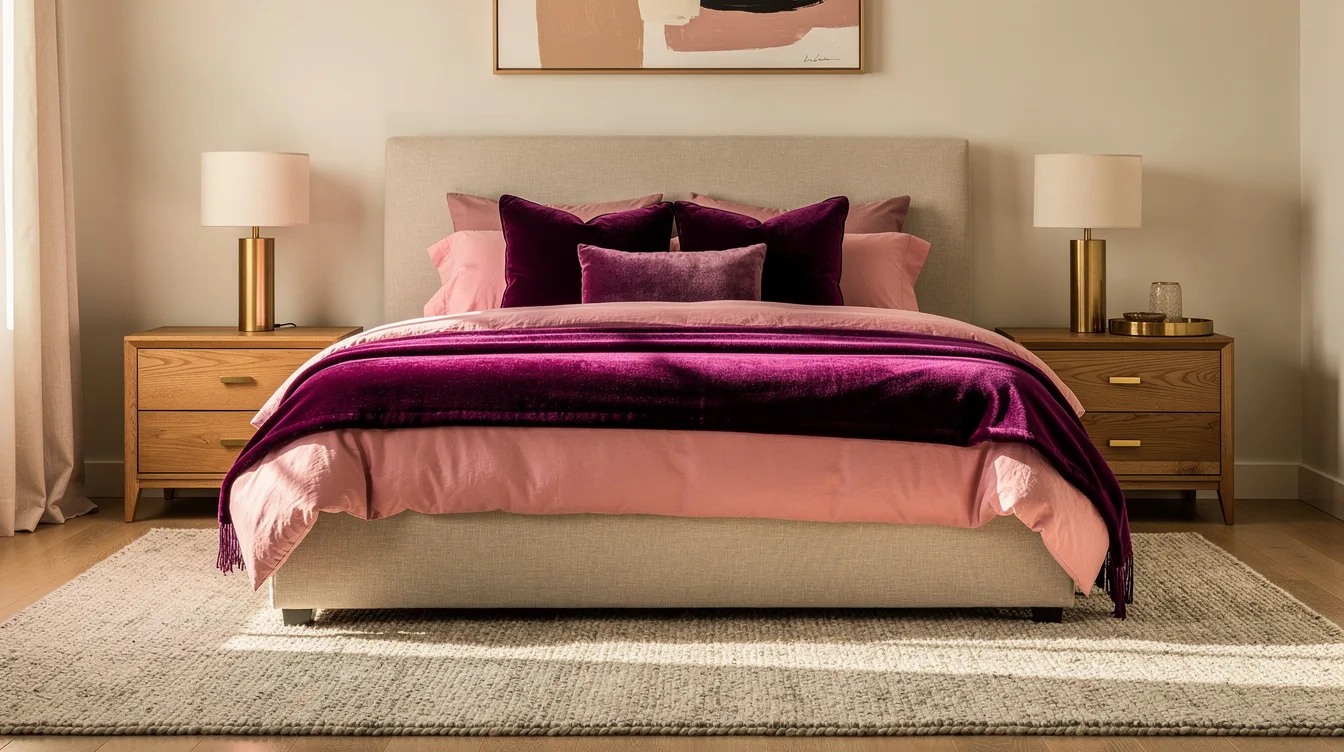
A couple can buy a king bed for better sleep and accidentally make the whole room harder to use. The standard 76-by-80-inch mattress needs a plan before the frame, nightstands, and laundry basket all start competing for the same few feet.
I’ve seen the common mistake: treating the larger bed as one giant piece of furniture instead of a shared zone with two clear sides. A warm room comes from giving each person enough function, then making the materials feel connected.
Build a Symmetrical Sleep Zone
A king bed needs visual balance because it occupies so much floor space. Center a solid oak platform bed on the main wall, then give each partner a nightstand with a similar footprint, even if the contents are completely different.
Choose tables roughly 18 to 24 inches wide so they feel useful beside the mattress without pinching the pathway. The IKEA IDANÄS nightstand style is a smart reference for couples who want enclosed storage instead of a surface crowded with chargers and water glasses.
Protect the Walking Room
A standard U.S. King mattress measures 76 by 80 inches, and its frame usually reaches roughly 79 to 87 inches wide. Plan for about 30 to 36 inches of clear passage beside both sides and at the foot, which makes a room around 14 by 15 feet far easier to live with.
Skip the oversized bench when it turns the route around the bed into a sideways shuffle. A wool rug in a 8-by-10-foot size can extend beneath the lower two-thirds of the bed and still leave the circulation clear.
Separate Bedside Lighting
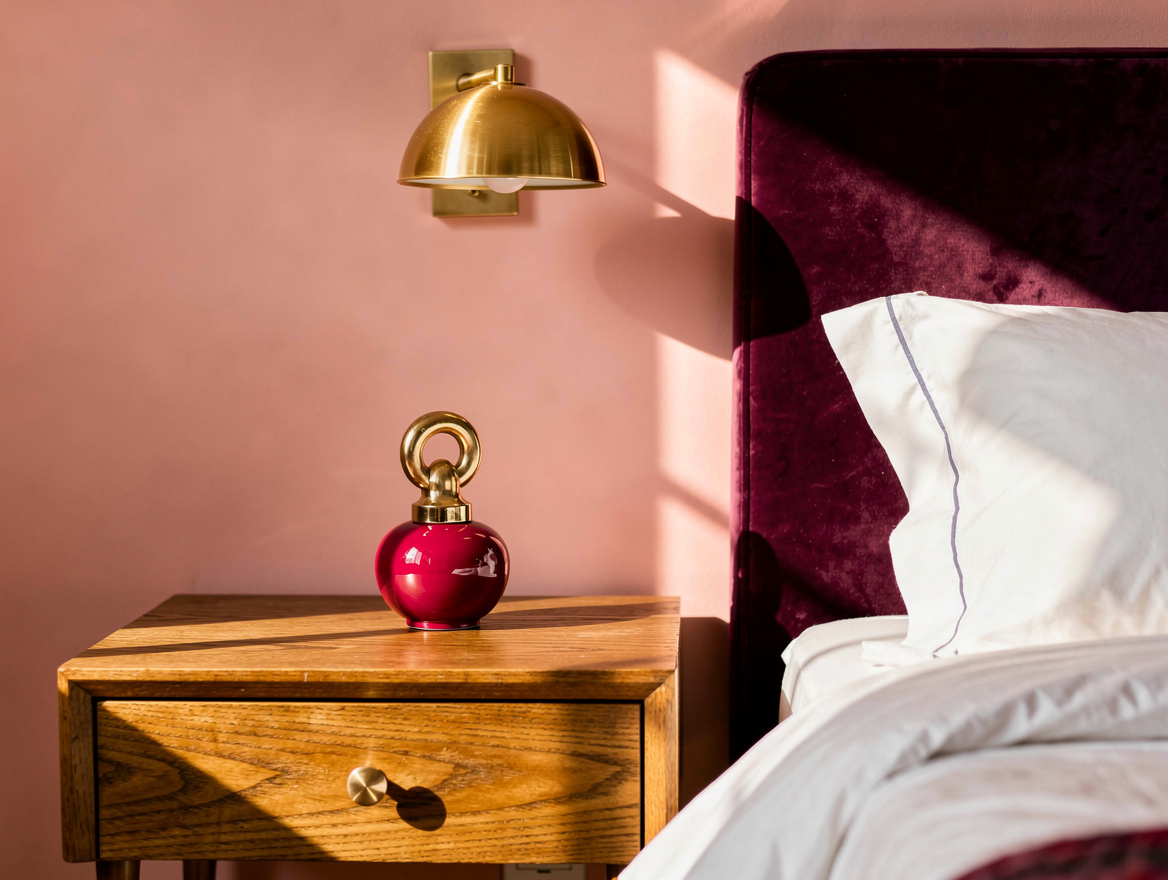
One overhead fixture asks both people to follow the same bedtime schedule, which rarely lasts. Install two dimmable brushed brass wall sconces, each controlled from that person’s side of the bed, for reading without lighting the entire room.
Wall lights also free the nightstands for a book, a phone, and the things each sleeper actually uses. For a renter-friendly version, use matching plug-in lamps from Target and hide the cords in paintable channel covers.
Layer One Shared Palette
Couples’ bedrooms look calmer when the finishes repeat rather than compete. Pair an upholstered linen headboard with off-white walls, oak furniture, and one dark accent such as walnut or aged brass.
Keep the bedding tones close enough to read as one setting, then let texture do the work. A washed linen duvet cover over cotton percale sheets gives one sleeper a cool, crisp base while adding softness that doesn’t look overly formal.
Choose a Mattress That Handles Movement
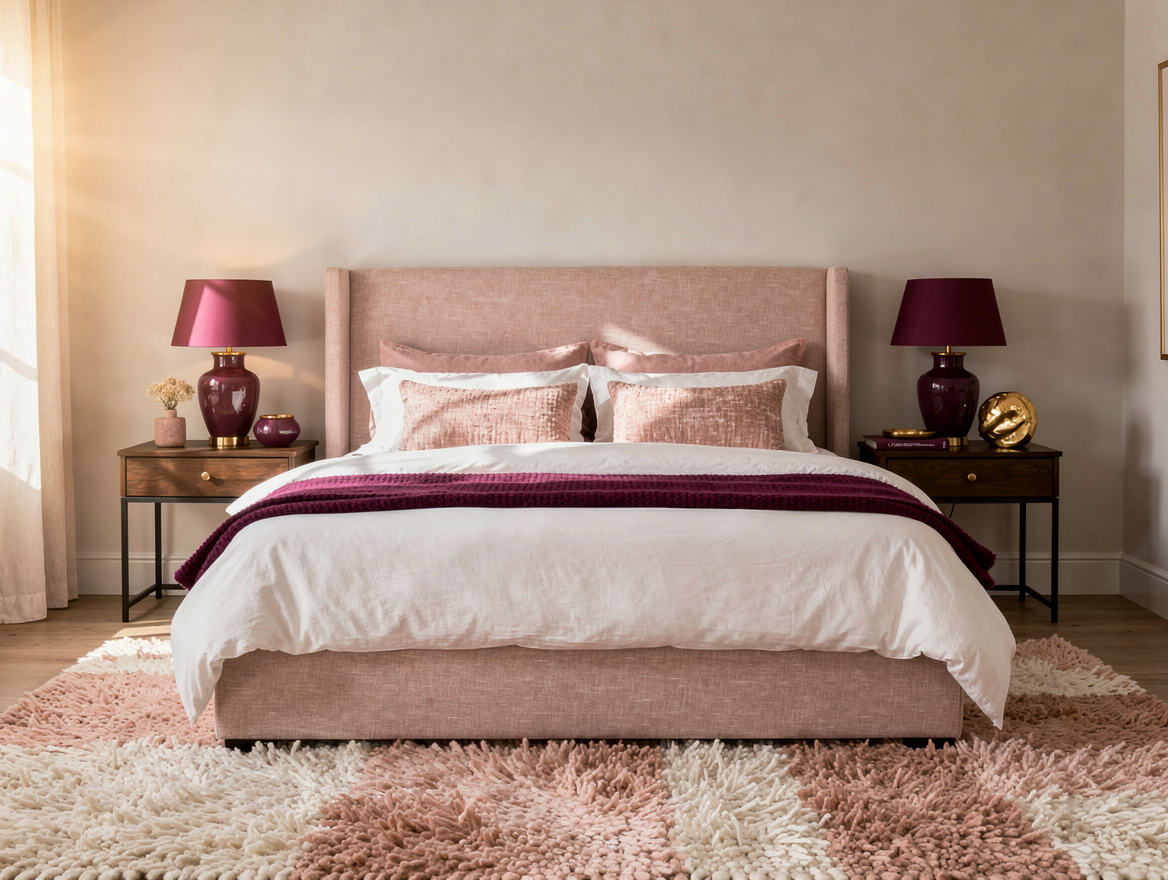
Different sleep habits are exactly where a king earns its extra 16 inches of width over a queen. A hybrid king mattress with pocket coils and foam is often the most practical shared choice because it supports the edges and reduces the ripple from a partner turning over.
Test the mattress with both people lying on it, including near the edges, before committing. Costco is useful for comparing typical bundled mattress-and-base pricing, while a sturdy center rail and multiple support legs matter more than decorative frame details.
Hide Storage Inside the Bed
A bulky dresser can make a king bedroom feel like the bed was squeezed into leftover space. Use a drawer base or lift-up upholstered storage bed for extra linens, seasonal blankets, and the backup sheet set without adding another large cabinet.
Choose furniture-grade plywood, oak veneer, or solid wood for a heavy mattress platform, and avoid thin particleboard unless the center support is substantial. The IKEA MALM bed frame is worth considering for its storage-led approach, but confirm king-size compatibility before ordering.
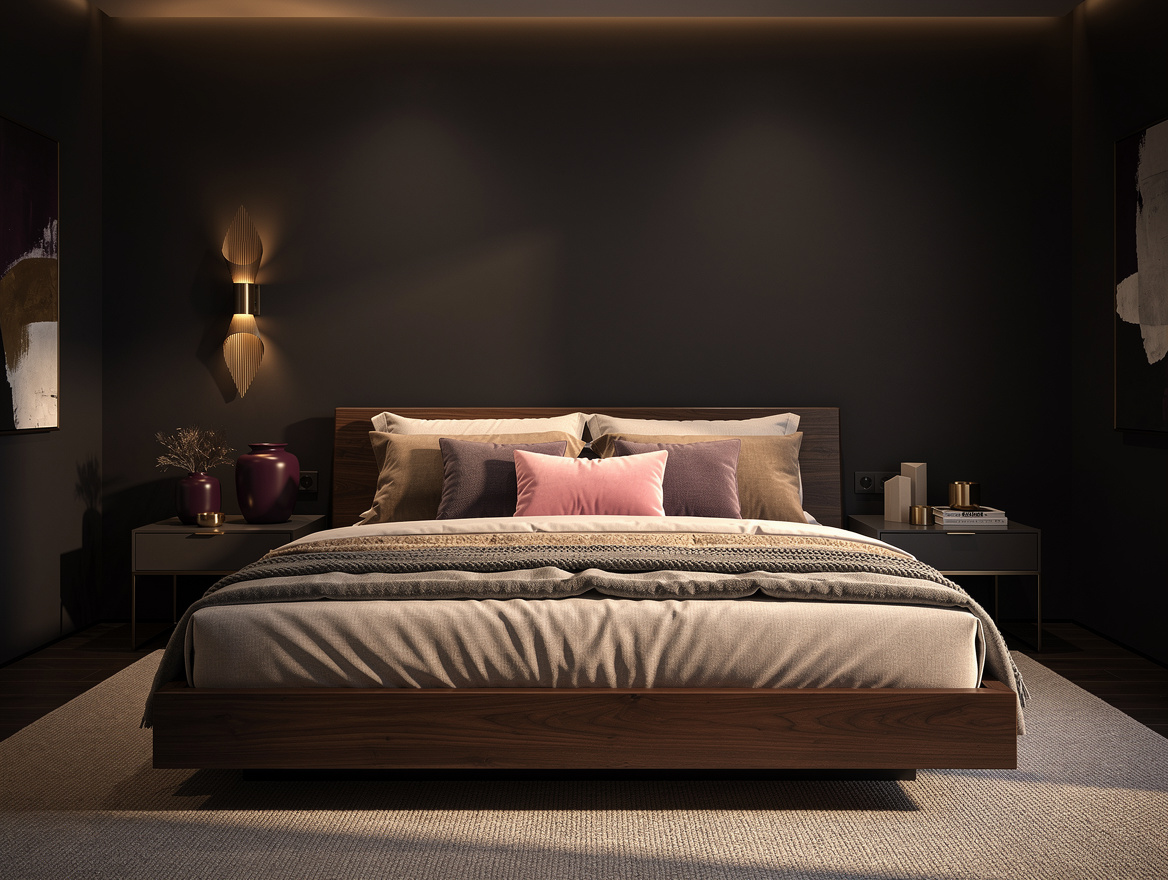
Start by measuring the open path around the bed before shopping for a headboard or dresser. Protect that walking space first, then add the pair of bedside lights that lets both sleepers keep their own routine.
Mia Carter writes about small-space living and budget home makeovers. She has restyled three rentals and tests most ideas in her own 45 sqm flat.