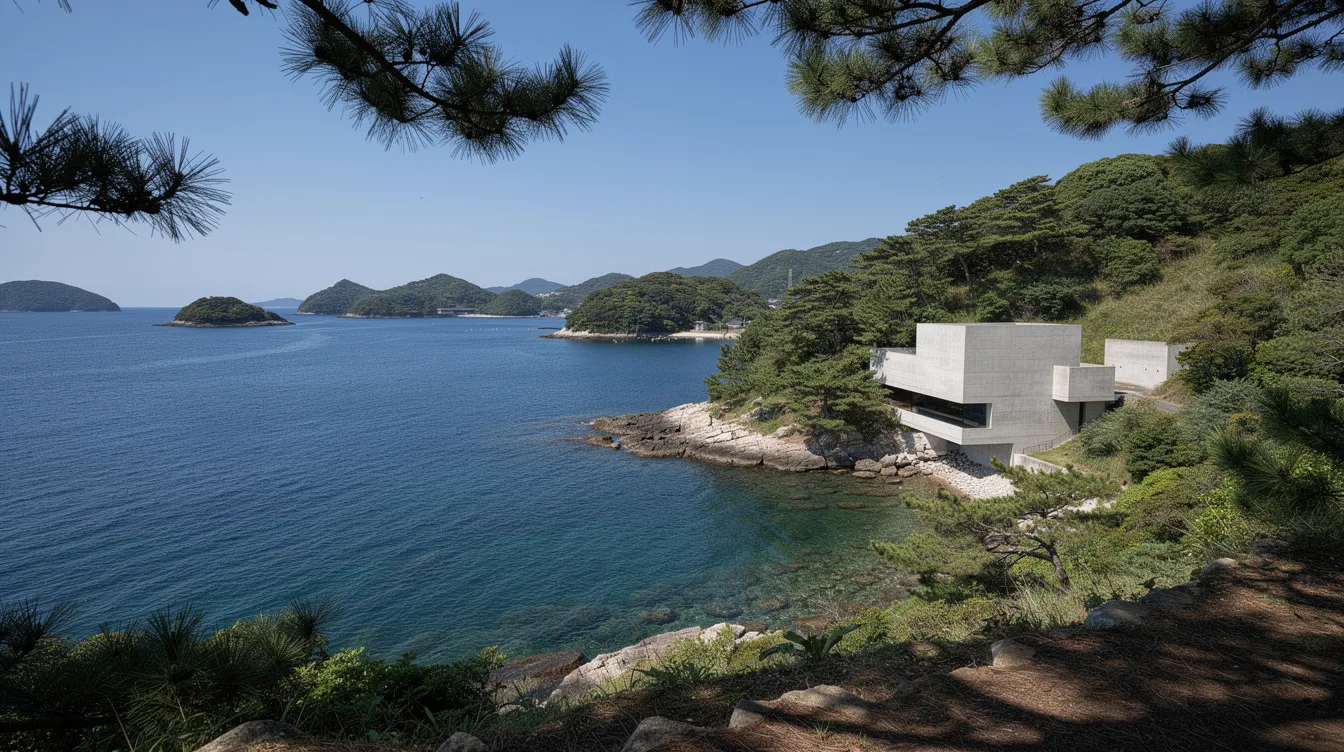
Naoshima changes the art trip because the island refuses to keep art behind one museum door. In Japan’s Seto Inland Sea, this small place in Kagawa Prefecture asks you to take a ferry, walk a village lane, and let architecture decide your pace.
That sounds precious on paper. It isn’t. The experience works because the sea, the quiet roads, and the galleries keep interrupting one another, so you never settle into the usual museum habit of looking, checking the time, then leaving.
Art starts before you reach the first gallery
You arrive at Miyanoura Port by ferry from Uno or Takamatsu. The crossing matters because it creates a clean break from the city schedule. By the time you step ashore, the air feels saltier and the trip already has its own tempo.
And that is the island’s real trick. Art isn’t presented as a single destination. It appears beside the water, along the route between neighborhoods, and in buildings that make light and concrete feel like part of the work.
The famous yellow polka-dot pumpkin makes this point with almost comic confidence. You may arrive expecting an image for your camera roll. But the sea behind it changes the encounter, so it feels less like a prop and more like a punctuation mark on the shore.
There’s a limit, of course. Day-trippers can see important pieces, but they’ll spend too much of the visit watching the clock. One night and two days is the smarter plan because the island rewards pauses more than efficient routing.
Chichu makes the building part of the visit
Chichu Art Museum is partially underground, and that choice changes how you move through it. You don’t simply enter a box of white walls. You pass through spaces shaped by concrete, daylight, and the sensation that the museum has been cut into the island.
But it isn’t an easygoing browse. The museum holds site-specific work, paintings, and installations, so you need to slow down enough to notice how each room controls your view and your sense of scale.
The building was designed by a Japanese architect, while the collection includes work by artists known for light, painting, and sculpture. That combination gives Chichu its force. The rooms don’t compete with the art, yet they refuse to disappear.
You should reserve ahead, especially for Chichu. That bit of planning is worth it because the museum is one of the island’s central draws, and an unplanned visit can turn a carefully chosen ferry trip into a frustrating detour.
Can you see art without spending all day indoors?
Yes. Benesse House Museum combines a museum and hotel, with works placed facing the sea. It’s a better argument for outdoor art than any brochure could make: you look at a piece, then look up and see water shifting beyond it.
And the island never feels like an art fair. It is visited by many travelers, but its coastal villages remain quiet enough that a turn down the wrong lane can feel like a useful part of the day.
Honmura gives the island a different rhythm
In Honmura, the Art House Project uses former houses as immersive artworks. This is where Naoshima becomes more than a collection of major museums, because the route asks you to pay attention to doors, streets, and the ordinary fabric of a village.
It’s also where you should resist cramming too much in. The house projects need patience, and their appeal depends on arriving with enough mental space to let each one land. Rush them, and you’ll mostly remember your own itinerary.
Since the late 1980s, Benesse has directed the creation and operation of the island’s museums and art projects. That long involvement explains why the experience feels connected rather than scattered, even when the works are far apart.
But Naoshima has another history. Mitsubishi has carried out refining activity here since 1917, a fact that keeps the island from becoming a fantasy version of itself. Art and industry share the same island, and the tension is part of the point.
How to make the slower route work
You can rent an electric bicycle at Miyanoura, use local buses, or take Benesse shuttles. Choose the bike if you want the freedom to stop when a view catches you. Choose buses if you’d rather save your energy for the museums.
There is one practical catch: bicycles aren’t allowed in the Benesse House area. So plan that section around a shuttle or walking, and don’t assume a bike solves every transfer.
Spring and fall are the best times to go, when the island’s outdoor stretches feel more inviting. Many sites usually close on Mondays, so check that detail before you commit to ferry times or a museum reservation.
By the return ferry, the galleries may blur together. What stays clear is the sound of water at Miyanoura, and the unusual feeling that art had been waiting outside all along.