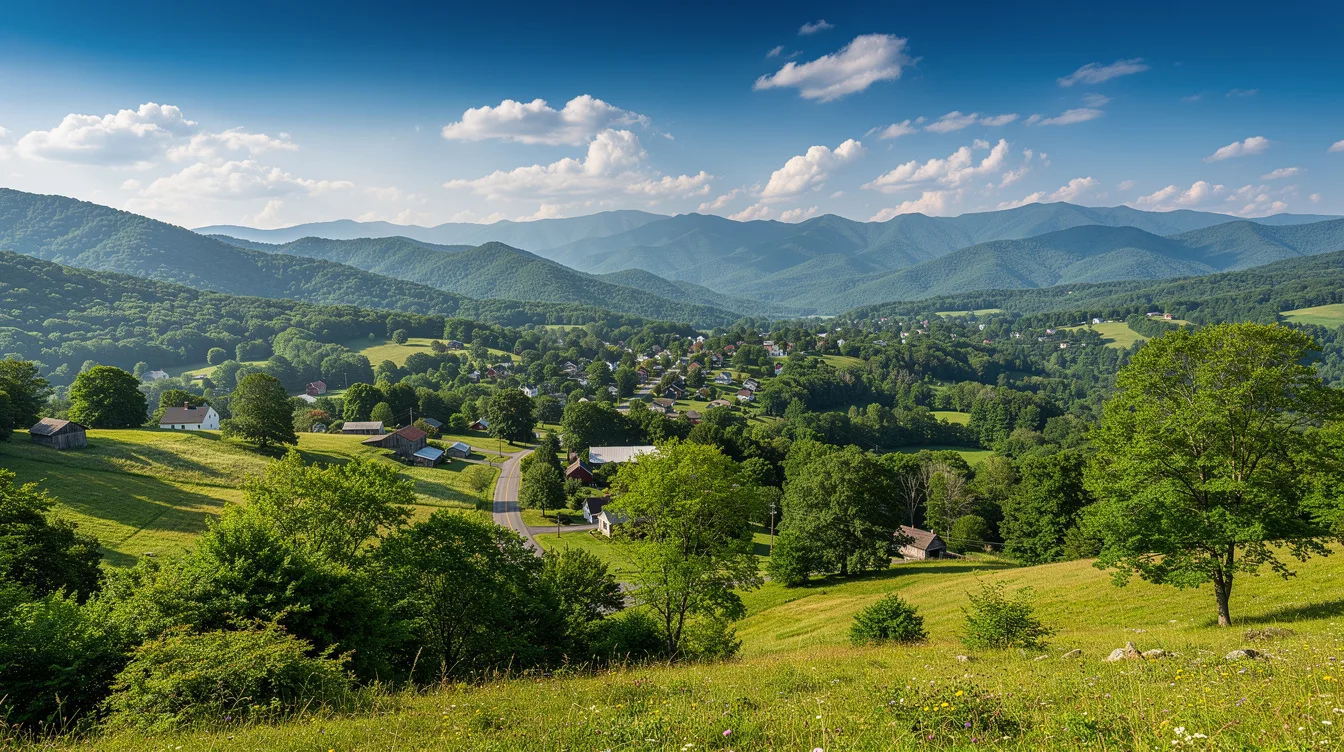
Banner Elk has just 1,049 residents, according to the 2020 census, and that small number changes the rhythm of a visit. In Avery County, North Carolina, near Boone, this is a town where you can leave room between plans and still feel you chose well.
It’s a mountain town with a compact center, restaurants, small shops, and arts close together. But outside that center, a car matters. Banner Elk is easy to linger in, not built to rush through.
A town shaped by 1848, not a packed itinerary
The first permanent settlement here began in 1848, and Banner Elk became a town in 1911. That history doesn’t turn every corner into a museum piece. It gives the place a settled feeling, one that makes an unhurried lunch seem like a reasonable plan.
And the town remains small even with its role as a resort and second-home village. You’ll notice the difference on an ordinary walk through the center, where the day can feel quieter than the calendar suggests.
Lees, McRae College is in town, which keeps Banner Elk from feeling frozen in visitor mode. There’s a college presence, yet the place still works best when you accept its slower pace instead of trying to fill every hour.
Summer stays cool because Banner Elk sits high
Banner Elk sits roughly 3,700-3,900 feet above sea level in North Carolina’s Blue Ridge High Country. That elevation brings mild summers, so hiking and trout fishing make sense when lower elevations feel sticky and demanding.
And you don’t need to treat the town as a mere overnight stop. Mountain drives, waterfalls, golf, and fishing give you several ways to spend a day without turning it into a checklist.
The nearby draws are familiar for good reason. Grandfather Mountain and its Mile High Swinging Bridge provide the bigger outing, while the Blue Ridge Parkway and Linn Cove Viaduct area add a route worth taking slowly.
But Banner Elk itself is not wilderness. Its appeal is that you can pair an outdoor day with a meal in town, then return to lodging without making the trip feel like an expedition.
Can you take a day off from hiking?
Yes. Wildcat Lake, Wilderness Run Alpine Coaster, and the town’s seasonal events give you alternatives when you want mountain air without another trail. Linville Caverns and Blowing Rock are also within driving distance.
You’ll still want to plan around the car. The center is walkable, but the wider area is car-dependent, and that’s the practical trade-off behind Banner Elk’s spread-out mountain setting.
Winter brings the crowds, and the point is nearby snow
Winter shifts the mood quickly because Sugar Mountain and Beech Mountain are close to town. Skiing and snowboarding bring busy weekends, especially when visitors arrive for a short snow break.
But the crowds don’t erase the town’s character. They make Banner Elk livelier, while its small scale keeps the experience more village-like than urban. If you dislike packed ski weekends, summer may suit you better.
The cold, snowy winters are part of the bargain at this elevation. And that’s why the season works here. You can spend the day skiing, then come back to a town that has restaurants and lodging rather than a bare trailhead parking lot.
Fall foliage also draws visitors, so it isn’t always quiet when the leaves change. Still, Banner Elk has enough year-round outdoor options that you can choose the season based on what you actually want to do.
Take your time, then let the mountains set the schedule
Banner Elk is not the place for a frantic one-night sweep of every nearby attraction. It works better as a base, especially if you want hiking and fishing in summer or snow sports in winter.
And its limits are part of the appeal. The town is small, the center is compact, and the larger mountain region requires some driving. In exchange, you get a trip with room for an extra coffee, a longer meal, or a change of plans.
By evening, the mountain light fades around the small town center, and the best plan may be the one you never scheduled.