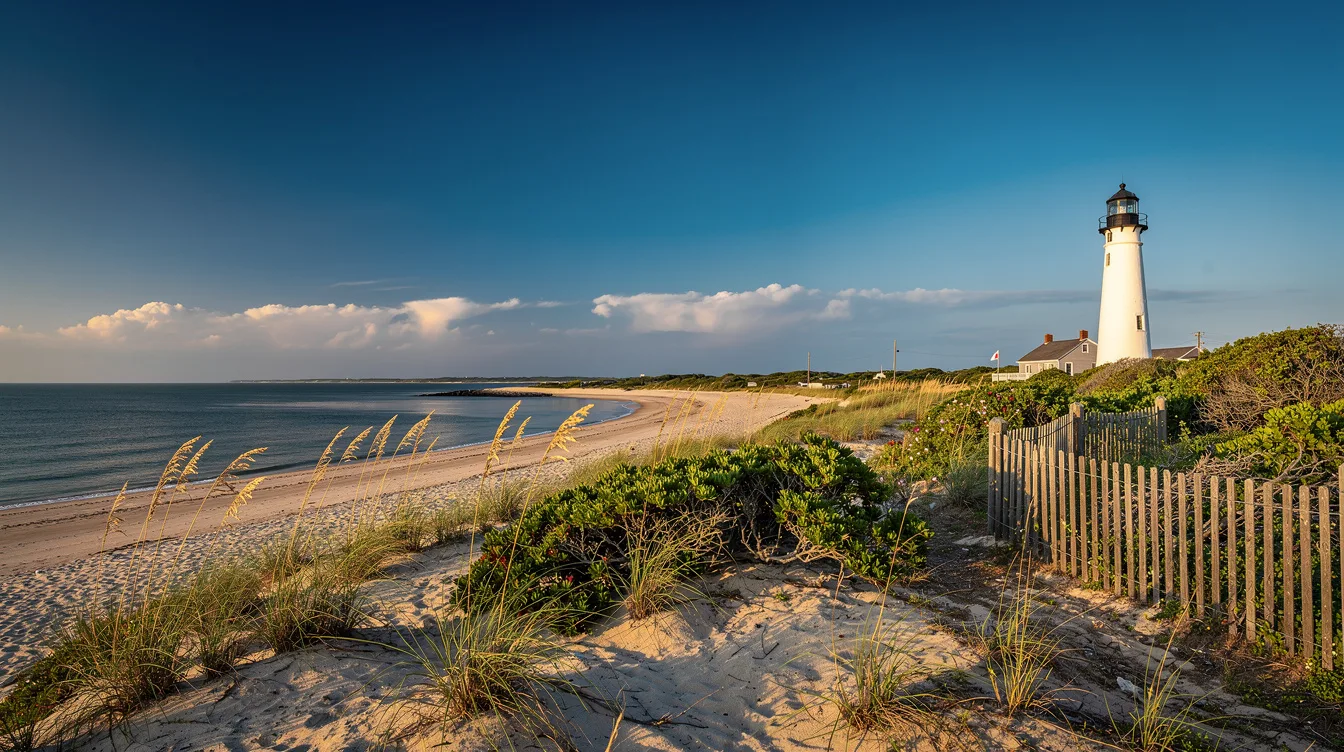
North Carolina’s Ocracoke Island has no bridge to the mainland, and only 797 residents. That constraint changes the mood before you arrive. You don’t roll in from a highway.
You wait for a ferry, watch the shoreline pull away, and let the mainland become a low strip behind you.
And that’s exactly why this southern Outer Banks village feels different. The reward is a quiet maritime stay with broad beaches, a compact village, and enough logistical friction to keep the crowds from taking over.
Three ferries make the arrival part of the trip
But getting there requires a little patience. The Hatteras ferry takes about 40-70 minutes, while crossings from Swan Quarter and Cedar Island take roughly 2 hours 45 minutes and 2 hours 15 minutes.
And the route you choose shapes the whole visit. Hatteras fits a road trip through the Outer Banks, while Swan Quarter and Cedar Island make more sense when you’re coming directly from the mainland. Check the North Carolina ferry schedule before leaving because weather, tides, storms, and seasonal demand can change service.
There are three public automobile ferries, along with private boats and small planes. The Hatteras crossing has historically been free, but the state ferry system may change toll rules in 2027, so confirm the current price with NCDOT before you travel.
On a practical note, reserve your lodging and ferry space early for summer weekends and holiday periods. You can read more about planning an Outer Banks trip, but leave room in your schedule. A delayed boat can turn a short arrival into an afternoon beside the terminal.
797 residents keep the village compact
But Ocracoke isn’t a resort town with a resort-town scale. The 2020 census counted 797 residents, and the village gathers around Silver Lake Harbor, where boats move through sheltered water and the pace drops almost immediately.
And you can feel the difference on foot or by bicycle. Houses are made of wood, independent inns line the village, and seafood restaurants sit near marinas rather than large hotel complexes. My opinion is simple: two to four nights is the right amount of time for a first visit.
The island stretches about 16 miles, but the village itself remains compact. A bicycle or golf cart is often more pleasant than a car there, although sun, wind, and seasonal traffic can make even a short ride tiring.
That trade-off is the point. You’ll find fewer commercial distractions, but you won’t find the shopping or nightlife of a larger coastal destination. If you want a busy evening, Ocracoke may feel too quiet.
If you want to hear rigging tap against masts after sunset, it gets the balance right.
Can you swim at Ocracoke?
Yes, you can swim there. But check current alerts for rip currents, surf, and changing beach conditions before entering the water.
And the island gives you two different shores to choose from. The Atlantic side has long beaches and dunes within Cape Hatteras National Seashore, while the Pamlico Sound is generally calmer and better suited to kayaking or paddleboarding when conditions cooperate.
You should expect wide open stretches rather than a built-up beach scene. The dunes block much of the development, so a walk can feel spacious and exposed at the same time. Bring water and sun protection because the quiet comes with little shade.
For more coastal ideas, browse this guide to Outer Banks beaches. Ocracoke is livelier in summer, but never loud, and the beach still has room for the sound of wind moving through the dune grass.
Ocracoke’s history is close to the water
But this island’s past isn’t tucked away in a distant museum. The pirate killed near Ocracoke Inlet in 1718, and that maritime history still shapes the village’s identity.
And the Ocracoke Lighthouse has watched over the harbor since 1823. You can see the white tower from Lighthouse Road, though the tower isn’t open for climbing. That limitation is worth knowing before you make a special detour.
The village also includes a British cemetery connected to sailors whose bodies washed ashore during World War II. It is a small, quiet place, and its presence adds weight to an island often marketed only through beaches and sunsets.
I prefer the harbor at the end of the day, when boats darken against the water and the last light reaches the pilings.
Plan for weather, water, and a slower day
And you should treat the ferry as part of the vacation, not a minor transfer. Reserve ahead when possible, watch the forecast, and keep one flexible block in your itinerary.
But don’t expect every beach access point to work year-round. Some driving areas require a permit, and sections can close seasonally to protect birds or sea turtles. A car helps explore the island, though the village is easier by bike or golf cart.
You’ll know Ocracoke suits you when the lack of a bridge feels like relief. By evening, Silver Lake Harbor goes quiet, the boats creak against their lines, and the island’s 797 residents seem to have the water to themselves.