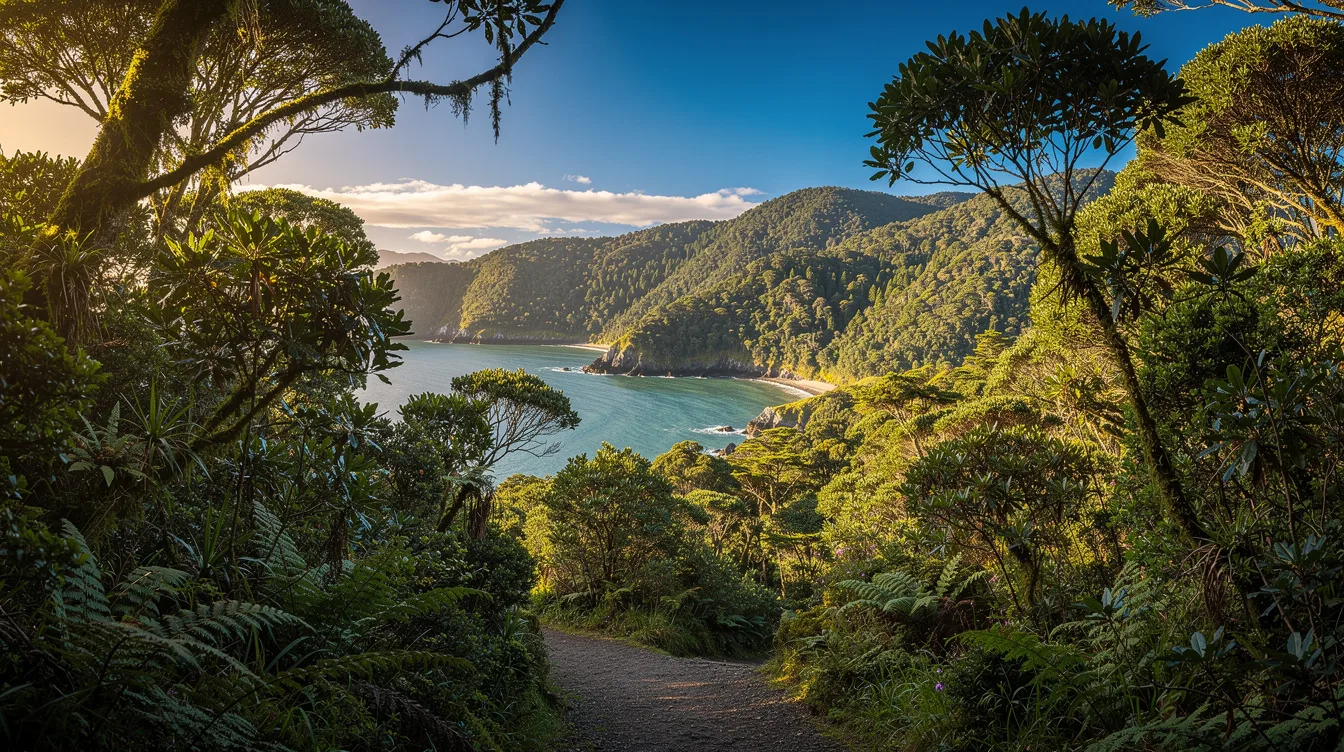
Stewart Island/Rakiura gives you 174 miles of trails and real chances to spot wild kiwis. That combination makes this Southland island feel less like a stopover and more like a proper New Zealand expedition.
And it sits just 18.6 miles south of the South Island, across Foveaux Strait. More than 85 percent of the island belongs to Rakiura National Park, so native forest, beaches, wetlands, and quiet bays take up most of the map.
Why Stewart Island feels bigger than its roads
Stewart Island is New Zealand’s third-largest island, yet it has only about 17 miles of roads. The trail network stretches nearly ten times farther, which tells you how to experience it: on foot, by boat, and with room in your schedule for weather.
But you won’t be stranded without services. Oban, the island’s main settlement, sits beside Halfmoon Bay and has the DOC information center, places to stay, a grocery store, and the island’s main visitor services.
And Oban stays compact enough that the transition is immediate. One moment you’re near the ferry, and the next you’re hearing wind through native forest instead of traffic.
That contrast is the island’s appeal. It’s remote, but not difficult to reach, and you can build a worthwhile visit around two or three nights.
Can you really see a wild kiwi?
Yes, but you’ll need patience and the right conditions. Stewart Island is one of the few places where your chances of seeing a wild kiwi are genuinely real, especially during guided night outings or around coastal areas at dusk.
And the experience depends on restraint. Keep quiet, avoid white light, and follow a local guide when possible, because the bird’s world is dark, damp, and easily disturbed.
Start with the Rakiura Track, then slow down
The Rakiura Track covers about 22.4 miles and usually takes three days from Oban. Forest, coastal beaches, wetlands, and historic sites give the route variety, while the island’s changeable weather keeps the walk honest.
But this isn’t a casual stroll with a big-city backup plan. You’ll need to reserve huts or campsites during the busy season, carry proper rain protection, and leave enough flexibility for conditions to shift.
And if you have only one or two nights, you don’t need to force a long trek. Observation Rock takes about 30 minutes round trip, while Ackers Point gives you a coastal walk with seabirds and possible little blue penguins at dusk.
My preference is to combine one short walk with one wildlife excursion. The island is more rewarding when you leave space to notice the wet leaves, salt air, and sudden movement in the trees.
Ulva Island is the easiest wildlife win
Ulva Island sits inside Paterson Inlet and is reached by water taxi. Because it’s a reserve without introduced predators, it’s one of the strongest day trips for native birds, easy trails, and old forest.
But don’t treat the boat ride as simple transportation. The crossing adds a sense of distance, and the quiet changes as soon as you step onto the island.
And you can pair the trip with a cruise or kayak outing in Paterson Inlet. Small coves, seabirds, and forested shorelines make the water a useful counterpoint to a day spent walking.
If your priority is wildlife rather than mileage, this is where I’d spend the middle of the trip. You’ll see more by moving slowly than by trying to collect every trail.
Choose your crossing and your season carefully
The ferry from Bluff takes about one hour to reach Oban. An aircraft from Invercargill takes roughly 20 minutes, which makes it appealing if you’re sensitive to seasickness or working with a tight itinerary.
But Foveaux Strait can be rough, and weather can affect both boats and flights. Leave breathing room around your arrival and departure, especially if your wider route includes Southland, Invercargill, or Bluff.
September through November is the best compromise for walking, wildlife viewing, and fewer visitors. December through February brings longer days, but you’ll need to reserve earlier and expect more people.
And winter has its own appeal, with fewer visitors and a wilder mood. Days are shorter, weather varies more, and some services may be reduced, so bring warm layers and genuinely waterproof clothing.
By evening, Oban’s shoreline grows quiet, the ferry route fades into the dark, and the forest begins making its own sound.