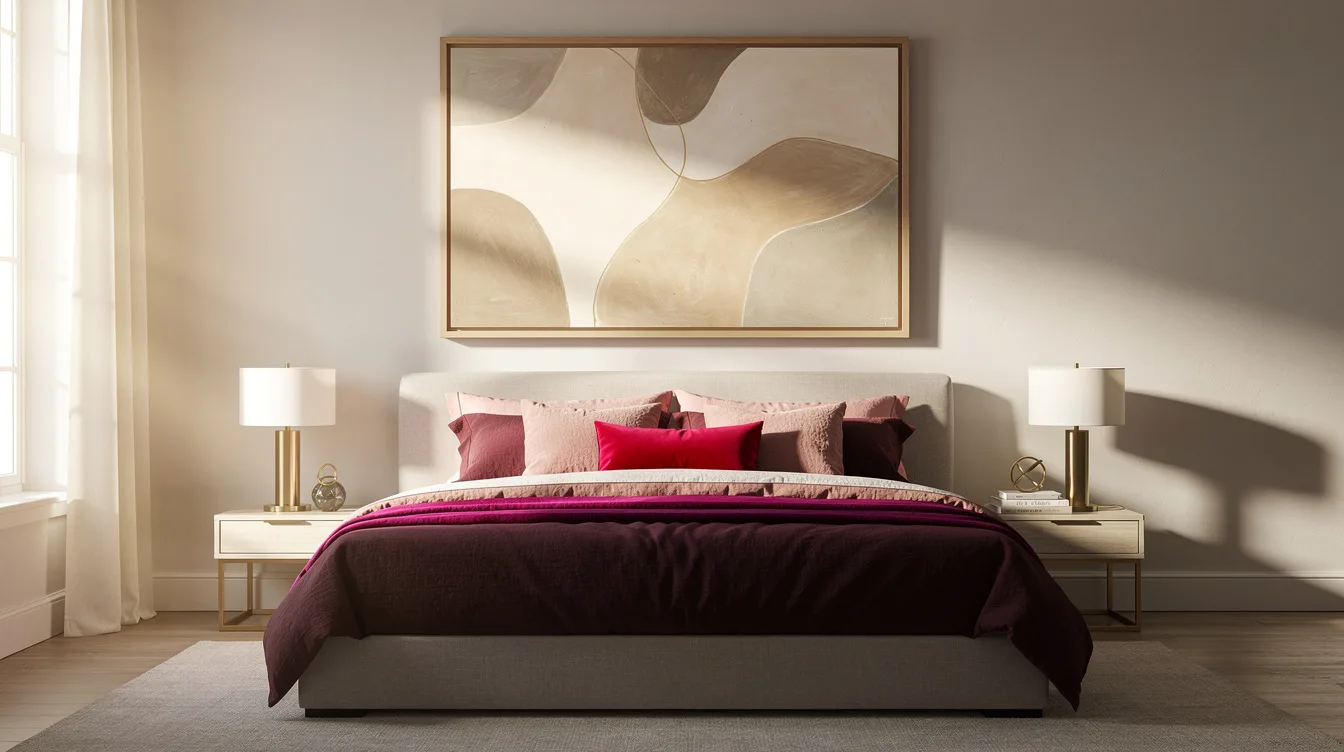
I kept hanging modest prints above my bed because a large piece felt risky, and the wall kept looking unfinished anyway. Once I tested a 40 x 30-inch artwork over a 60-inch queen bed, the whole room finally had a center of gravity.
That is why designers reach for oversized art above bedroom furniture: beds and dressers are substantial horizontal forms, and the wall needs enough visual weight to answer them.
Match the Art to the Furniture’s Width
My queen bed is 60 inches wide, and every small print I tried above it looked stranded. Designers commonly size art or a grouped set at roughly 60 to 75% of the furniture below, which puts a queen-bed composition around 40 to 45 inches wide.
A 40 x 30-inch canvas gives that broad horizontal mass a clear partner. It makes a basic upholstered headboard look considered without asking the rest of the room to work harder.
Use One Large Piece to Calm the Wall
I used to assume a gallery wall would make my bedroom feel personal. Above a bed, all those little frames asked for attention when I wanted the room to settle down.
One 40 x 60-inch landscape print can carry the same visual weight with far less visual noise. I especially like a soft abstract, a hazy coastline, or tonal photography in a bedroom because the focal point stays gentle after dark.
Hang It Close Enough to Belong
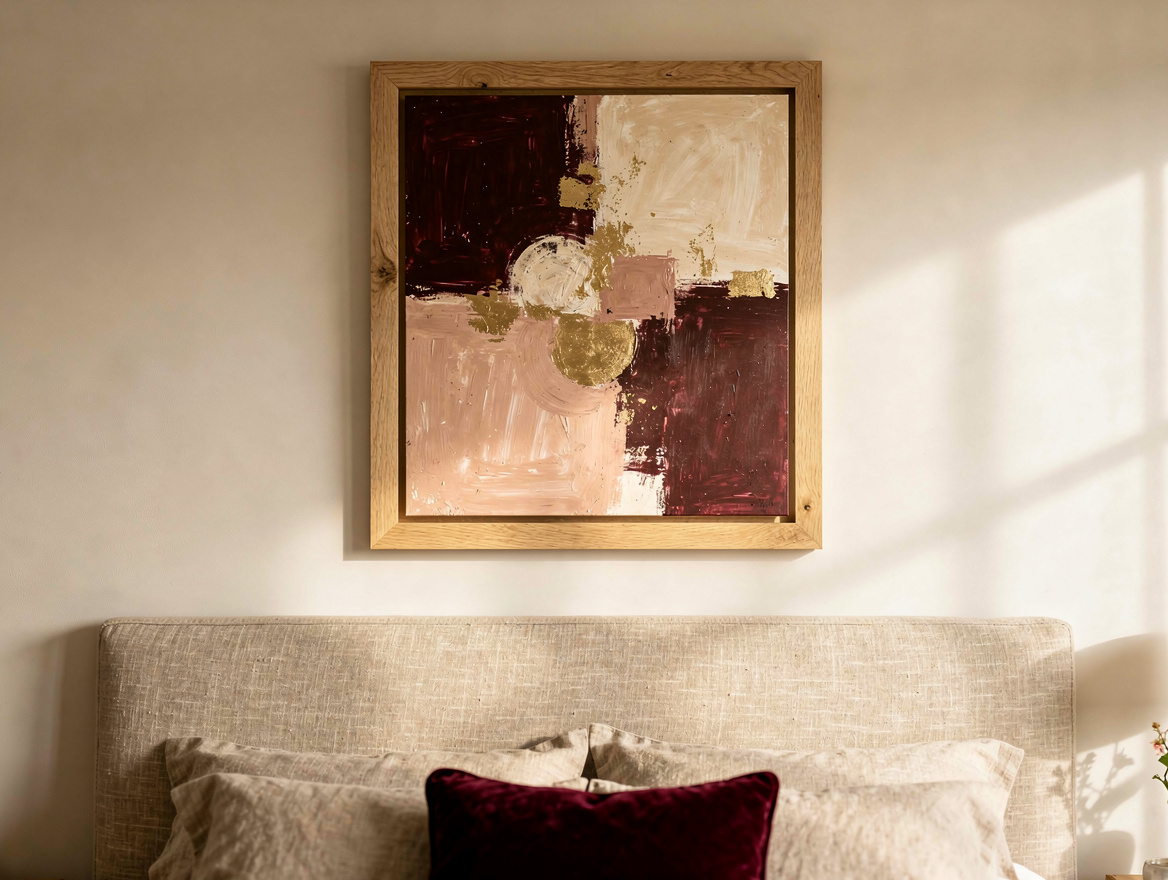
Oversized art still fails when it floats too high. Keep the bottom edge roughly 6 to 8 inches above a headboard, dresser, or long console so the pieces read as one composition.
A slim black wood frame helps define the connection on a pale wall. I would rather see art slightly lower than conventionally safe, provided nobody can bump it while sitting up in bed.
Choose a Shape That Protects the Room’s Balance
Tall headboards need restraint overhead. If yours is around 54 to 60 inches high, choose a wide landscape, shallow relief, or horizontal textile instead of stacking more height onto the wall.
A 36 x 48-inch oak-framed print is my favorite answer for this problem. Its width fills the blank expanse while leaving enough breathing room between the art and the ceiling.
Let the Frame Upgrade Basic Furniture
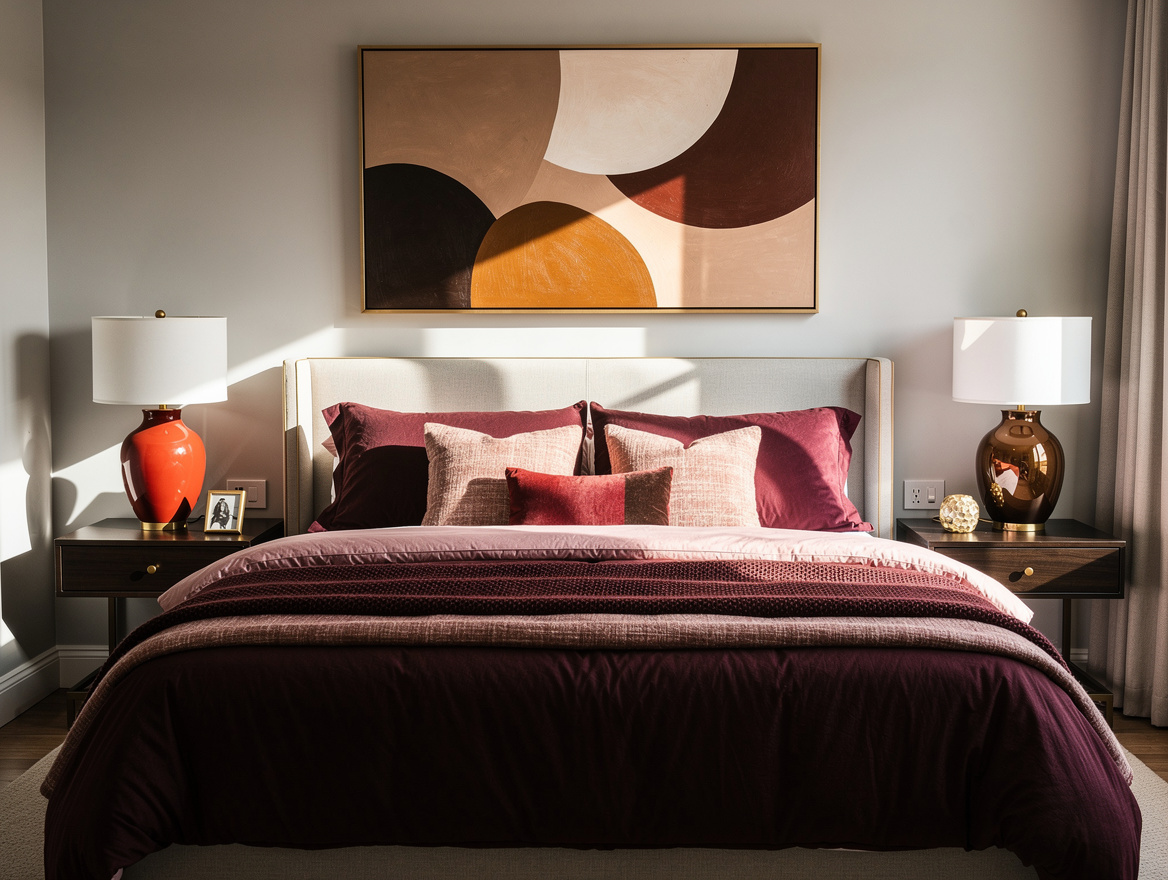
This is where large-scale art earns its keep: it can make an affordable room feel deliberate. A simple IKEA MALM dresser looks far more grounded with substantial art above it than with a cluster of tiny décor objects competing on the surface.
For a 60-inch dresser, art around 40 to 45 inches wide usually feels right. Spend on a clean walnut or natural-oak float frame before spending on extra tabletop accessories, because the frame is what gives the wall its finish.
Build a Mood Instead of Filling Space
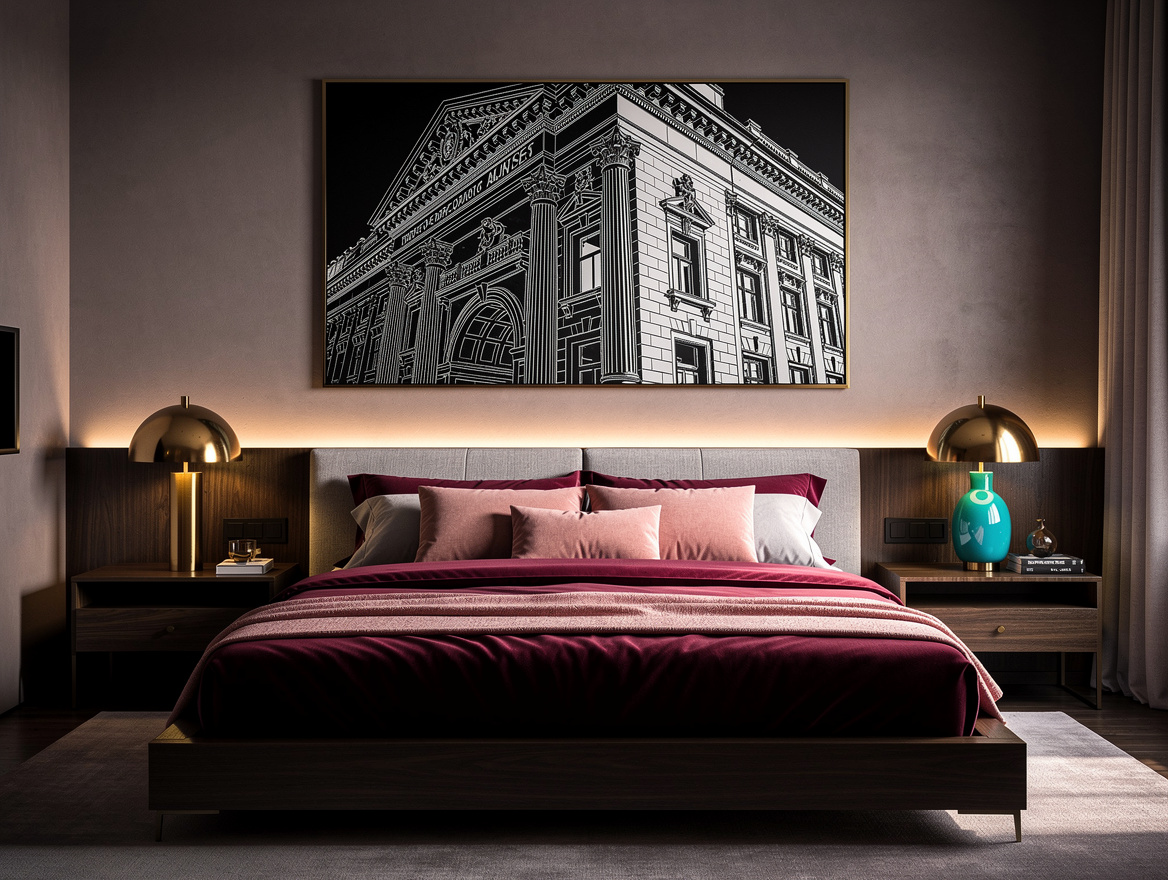
The subject matters as much as the scale. A linen textile wall hanging in cream, clay, moss, or charcoal makes a low platform bed feel quiet and tactile, while graphic black-and-white architecture leans more boutique hotel.
I keep the palette connected to one existing bedroom element, usually the duvet piping, a rug, or a bedside lamp. A chunky knit throw. One brass candle.
The art should lead the mood, not compete with a pile of decorative evidence.
Start by measuring the furniture, then mark a paper shape at about two-thirds of its width before buying anything. That one taped outline will tell you whether your bedroom needs more art, or simply art with enough presence.
Mia Carter writes about small-space living and budget home makeovers. She has restyled three rentals and tests most ideas in her own 45 sqm flat.