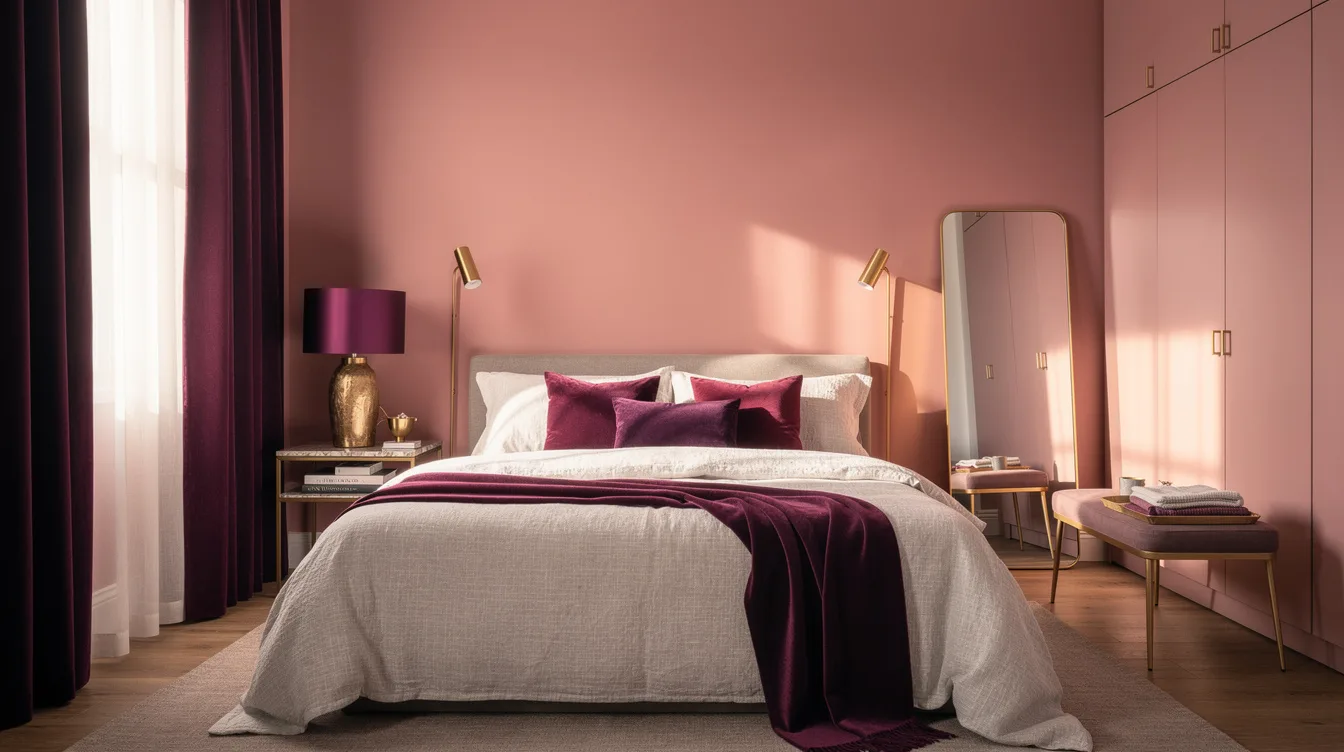
The worst moment is not the alarm, it’s the closet door opening while one person is still asleep. In a room built around an approximately 63-by-79-inch bed, couples need a shared sleep zone and a separate place to leave, dress, and plug in without turning on the whole room.
Designers favor a clear route to the door over cramming every function beside the mattress. It protects sleep without making the bedroom feel divided in two.
Anchor the Bed on a Solid Wall
Set the bed frame on the longest uninterrupted wall, preferably away from the window. A window-side bed asks one partner to cross the other person’s path whenever they need curtains, fresh air, or an early exit.
Allow roughly 24 inches on each side as a minimum, with around 28 to 32 inches feeling far better for two adults. Keep about 32 to 36 inches open at the foot so the early riser can leave without grazing the mattress.
A tall upholstered headboard from Wayfair can soften small sounds and give the sleeping end visual weight. Skip a footboard that narrows the only useful circulation lane.
Build an Exit Zone by the Door
Reserve a roughly 35-to-47-inch-wide strip near the door for clothes, keys, charging, and the first five minutes of a morning routine. This is where schedules stop colliding.
Put a narrow IKEA PAX wardrobe, a mirror, and a lidded hamper in that zone instead of beside the person who sleeps later. Closed drawers are quieter than open shelving, and they stop the room from looking busy at bedtime.
A small Target storage bench can hold tomorrow’s outfit and a bag without spreading them across a chair. The bedroom should offer one obvious departure route, even in a tight footprint.
Give Each Partner a Complete Bedside Setup
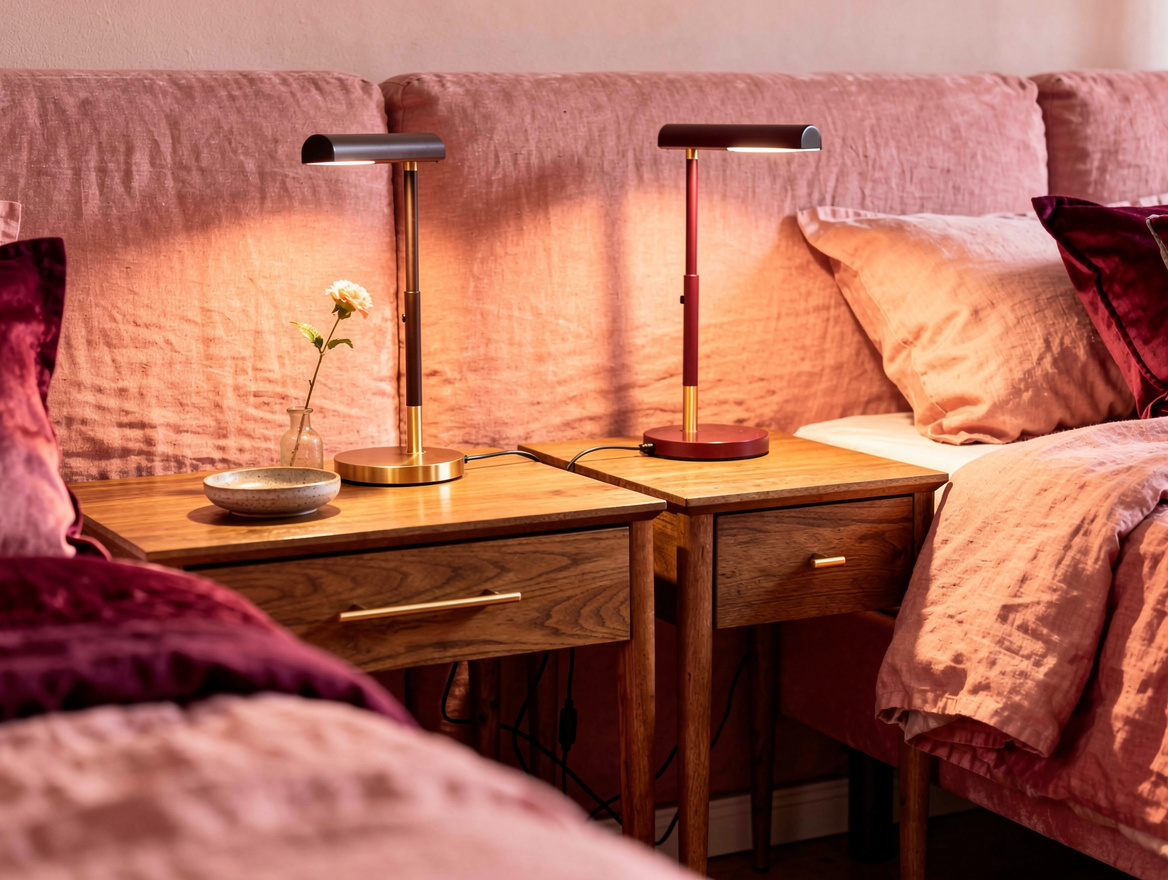
Each side needs its own bedside surface, outlet access, reading control, laundry spot, and concealed storage. One shared nightstand is a polite idea that fails the first time both people need water, glasses, medication, and a charger.
Choose two compact Home Depot dimmable lamps with warm bulbs, then aim the light down toward the book rather than across the room. A focused pool of light lets one person read while the other stays asleep.
Keep personal items in a shallow wood nightstand drawer, not in a basket on the floor. Quiet routines depend on knowing exactly where things live.
Block Light Before It Reaches the Pillow
Light control is the first purchase when wake times differ by one to three hours. A late sleeper cannot rest through daylight if every early departure includes bright window treatment adjustments.
Mount an IKEA FRIDANS blackout roller blind wider than the glass, leaving side overlap where possible. Add room-darkening curtains from Lowe’s if the window gets strong morning sun or streetlight.
Use a low-glow amber night-light near the exit zone instead of switching on the ceiling fixture. Overhead light is the fastest way to announce that sleep is over for both people.
Contain Noise With Closed, Soft Materials
Open shelves invite searching, stacking, and last-minute decisions, all of which make noise when someone is trying to sleep. Favor closed storage, fabric bins, and surfaces that do not rattle.
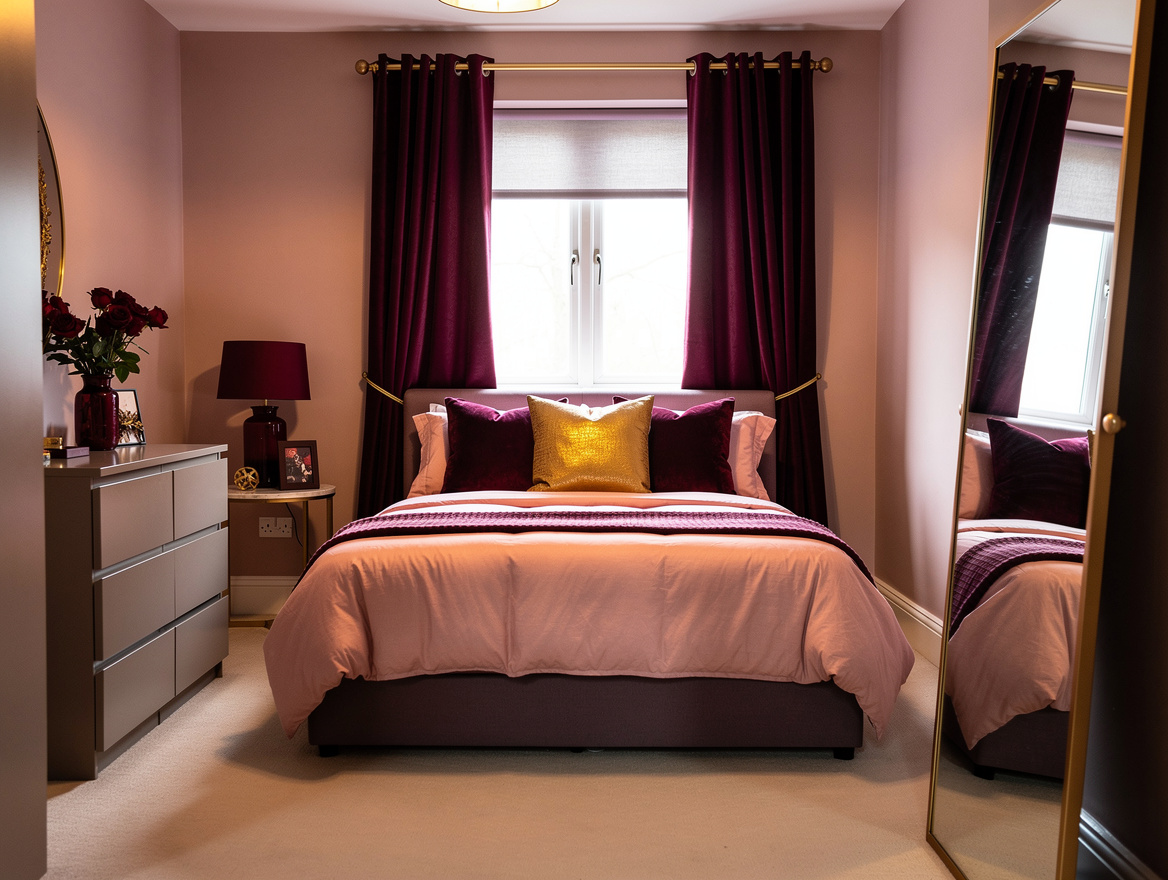
A cotton area rug from Costco under the lower two-thirds of the bed softens footsteps and catches dropped items. Felt pads beneath a dresser, a padded hamper lid, and a fabric-lined tray make a bigger difference than decorative sound panels.
Choose a solid wood dresser with drawers that close smoothly, then keep chargers and grooming tools inside it. The goal is a low-stimulation corridor from wardrobe to door.
Divide Only When the Schedule Gap Is Severe
A divider belongs in the plan when one partner works shifts, goes to bed several hours later, or regularly takes calls. For modest timing differences, it can make a normal bedroom feel unnecessarily cramped.
Place a freestanding Wayfair room divider between the bed and the entry-side dressing area, never across the bed’s only path to the door. Pair it with blackout coverage so the late arrival has a contained place to change and settle.
If a desk must remain in the room, put a compact Amazon folding desk behind that divider near the entrance. Better still, move work elsewhere, because screens and keyboard noise keep the sleep zone mentally active.
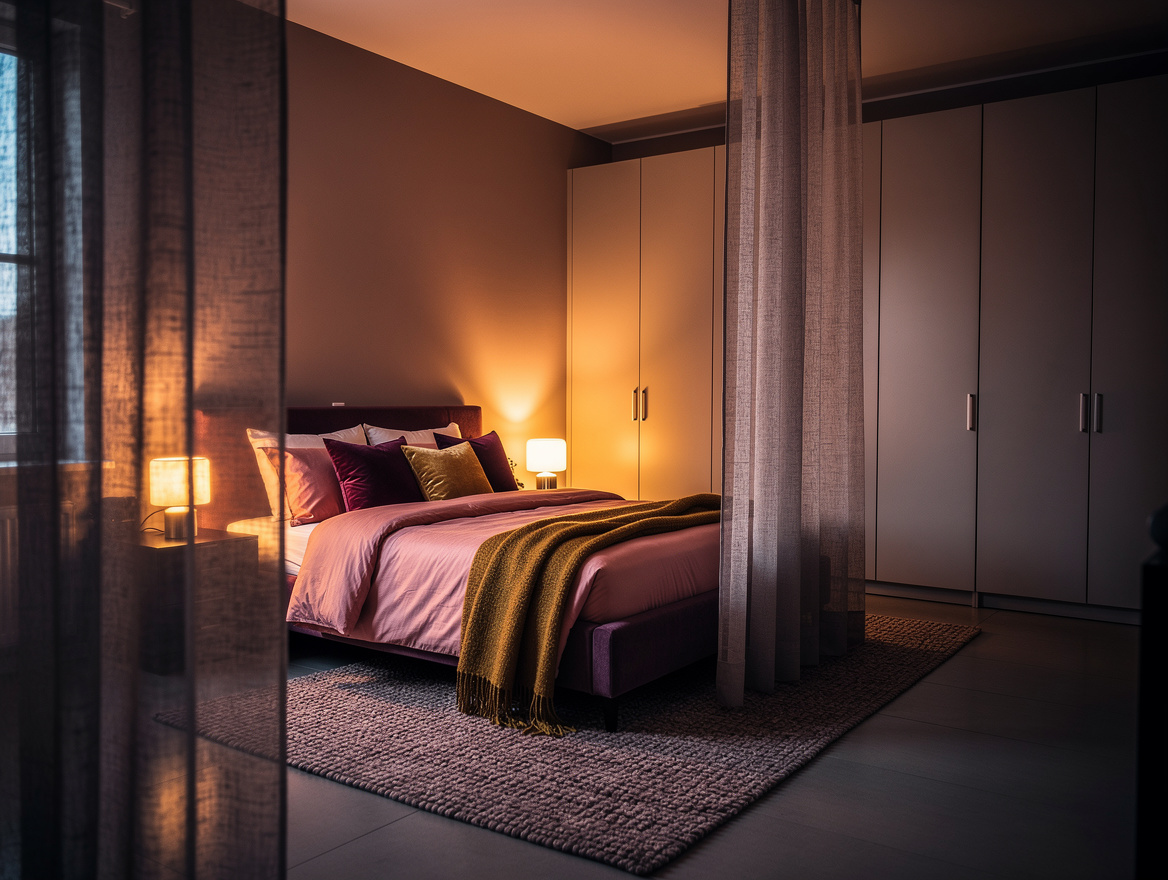
Start by clearing the route from the wardrobe to the door, then move the mirror and charging station into that path. Once the exit zone works quietly, the rest of the layout becomes much easier to refine.
Mia Carter writes about small-space living and budget home makeovers. She has restyled three rentals and tests most ideas in her own 45 sqm flat.