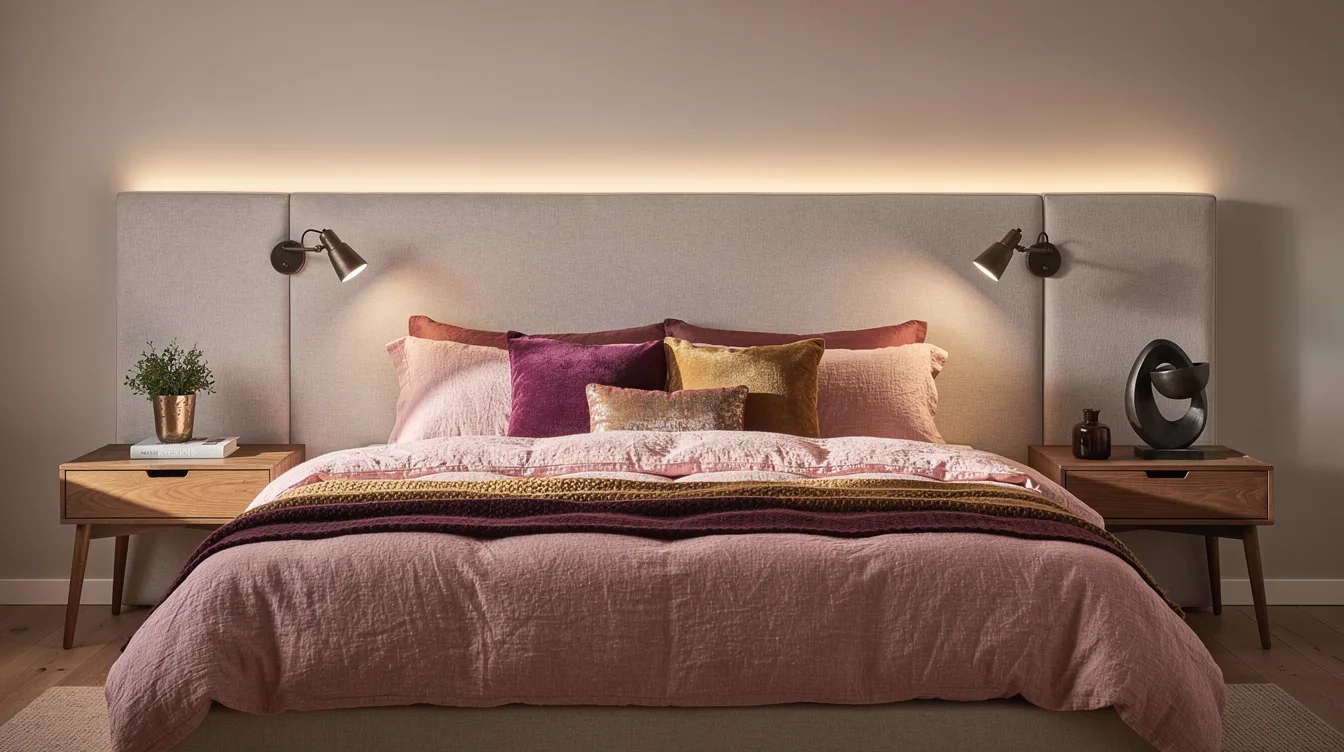
Sharing a bed shouldn’t mean sharing a reading beam. For a typical couple, two independent headboard-mounted lights give each reader a reachable switch and an adjustable beam aimed at one book.
The mistake is treating the headboard as decoration first: one recessed fitting can require about 60 mm of cavity space, so the wiring and structure have to be planned before upholstery.
Give Each Sleeper a Private Beam
Start with two independent fixtures, each fixed to the headboard and easy to reach from its side of the bed. A linen-look upholstered headboard keeps the arrangement soft, but the reading lights should work as precise task lighting, not as decoration.
Each person needs a switch and an adjustable beam aimed at their own book. That simple division prevents one reader from flooding the entire bed with light while the other is trying to sleep.
A concealed headboard glow can handle atmosphere separately. I would keep that warm concealed lighting dim and indirect, then let the reading lamps stay focused and practical.
Build Around the Recessed Spotlight
The cleanest hotel-style option is a solid-backed upholstered headboard with one miniature recessed spotlight on each side. A mild-steel spotlight in matte black or matte gold gives the detail a crisp architectural finish.
One researched fitting measures about 80 mm in diameter by 96.5 mm deep and needs about 60 mm of recess space, with a roughly 67 by 37 mm slot cutout. Its listed output is 2700K, about 166 lumens, a CRI of 90, and a narrow 16-degree beam.
The advertised price is about £83 per light, or around £165 for two before installation. The integrated switch is useful, but this version isn’t dimmable, so I would reserve it for readers who want a straightforward on-or-off control.
Choose Flexible Arms for a Retrofit
A timber headboard makes surface mounting much easier than cutting a deep cavity into upholstery. Pair oak veneer with dark lamps for a relaxed look, or use walnut tones when the room needs more visual weight.
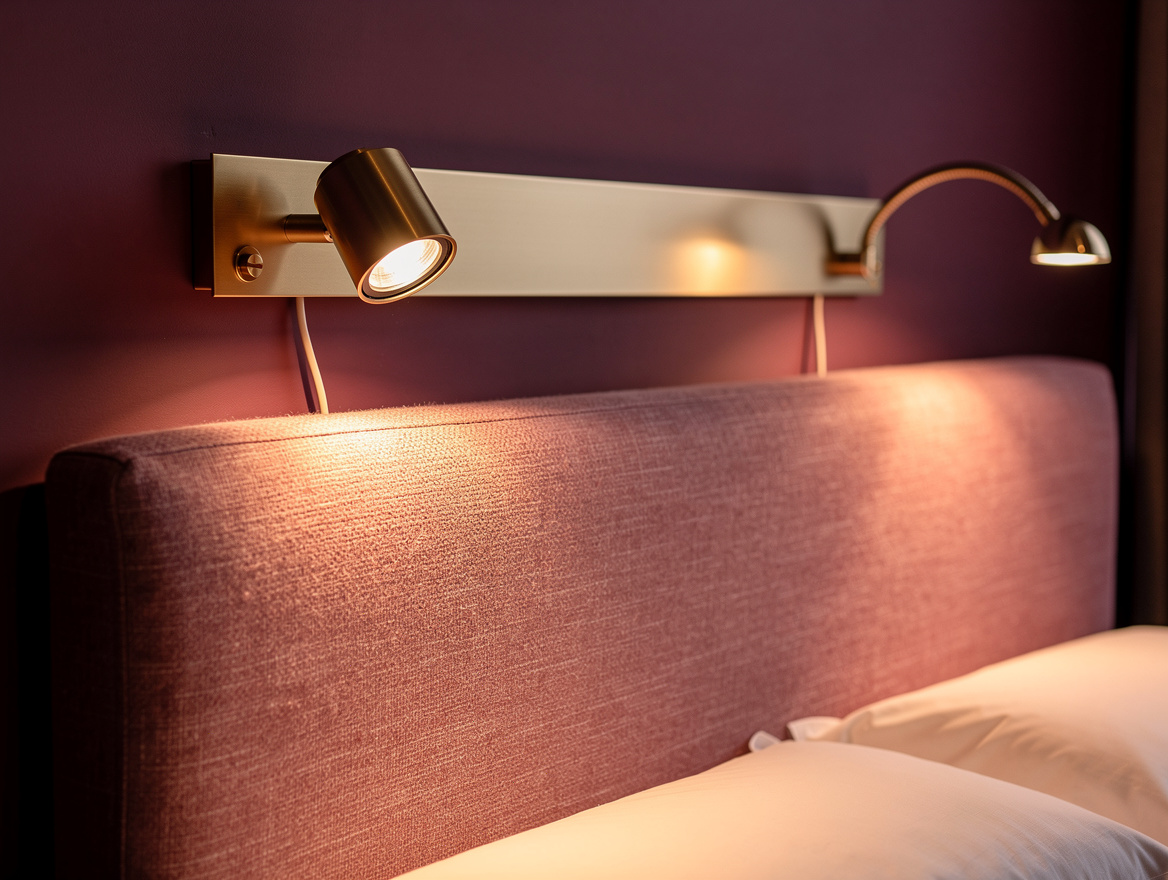
A seller-listed 23-inch reading light uses a stainless-steel flexible neck, an aluminum lamp head, and a small advertised mounting base of about 0.7 by 2 inches. Its 4.9-foot cable can help when the bed already exists and the wiring plan is less ambitious.
The listed price is about $33 each, or roughly $65 for two. The unit is described as 3000K, dimmable from 5% to 100%, and controlled from the lamp head, with a separate night-light mode, which makes it the more adaptable choice.
Place the Bases Beyond the Pillows
Keep each light outside the main pillow-contact area and near the outer side of the headboard. On a typical approximately 160 to 180 cm mattress, an approximately 200 to 240 cm headboard gives each fixture room to breathe without pushing the beams toward the center.
Use a solid oak panel or another rigid backing where the base lands. Upholstery and foam alone won’t hold a surface-mounted arm securely, especially when someone adjusts it night after night.
Sit in bed before marking the holes, then aim both lamps at the page. A black-metal lamp can look perfectly placed from across the room and still cast an irritating shadow when the reader actually opens a book.
Keep Every Switch Within Reach
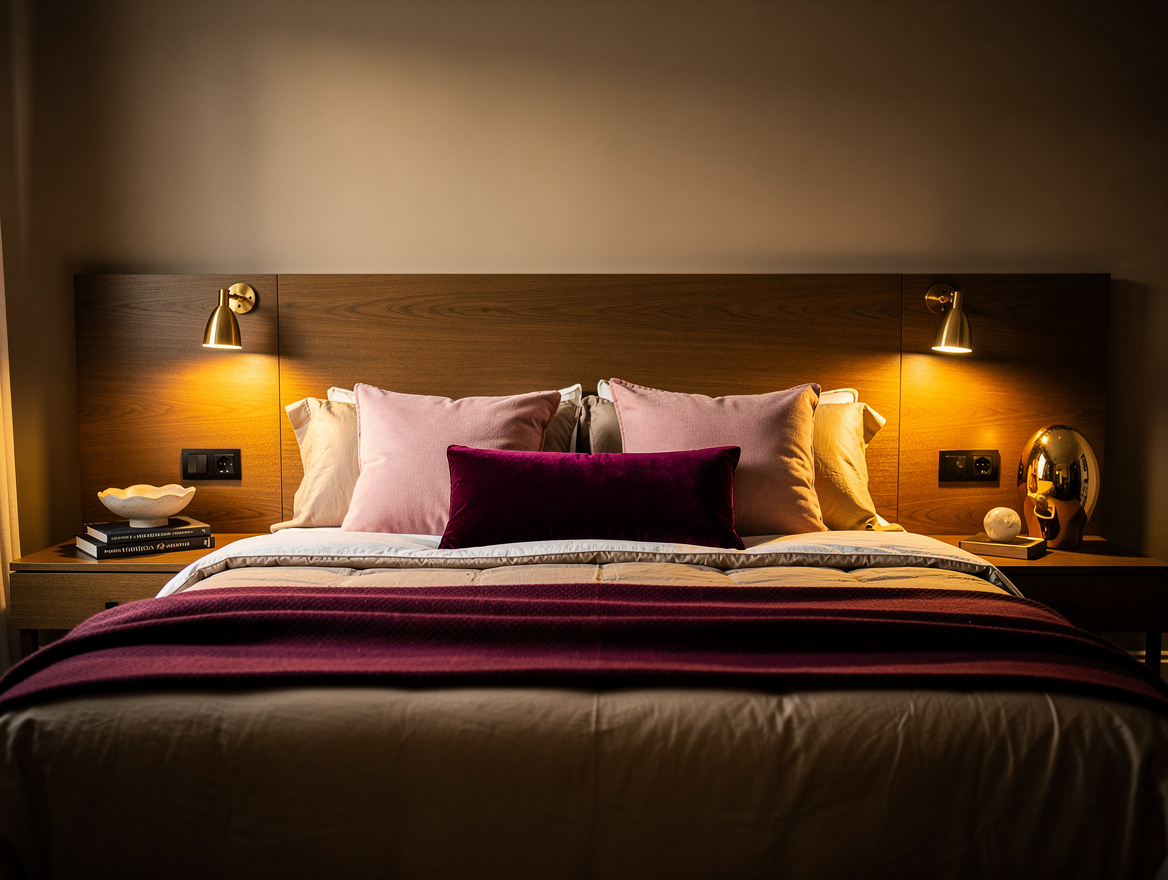
The switch should fall naturally under the reader’s hand, not halfway down the wall or behind the mattress. A head-mounted control is especially practical for a stainless-steel gooseneck, while a wired recessed model needs an accessible route behind the headboard.
Plan the cavity, cable path, and junction access before the fabric is attached. A licensed electrician should handle the hardwired work, particularly when the fitting is earthed or the headboard is being built around electrical components.
For a simpler retrofit, compare cord-management supplies at Home Depot or Lowe’s, then hide the route behind the headboard or inside a shallow rear channel. Visible cords weaken the whole hotel look faster than an ordinary lamp ever will.
Finish With Separate Ambient Glow
Reading lamps should illuminate the book, while a second layer softens the room after the lights are switched off. A narrow concealed strip behind a walnut-finish headboard can create a quiet halo without competing with either reader’s beam.
Keep the surrounding palette restrained: warm fabric, dark metal, and one natural wood tone are enough. Retailers such as IKEA and Wayfair can be useful for comparing headboard proportions, but the light placement matters more than the label.
Skip oversized sconces and bright center fixtures above the pillows. The strongest arrangement is the one that lets one person read, the other sleep, and the room still feel intentional.
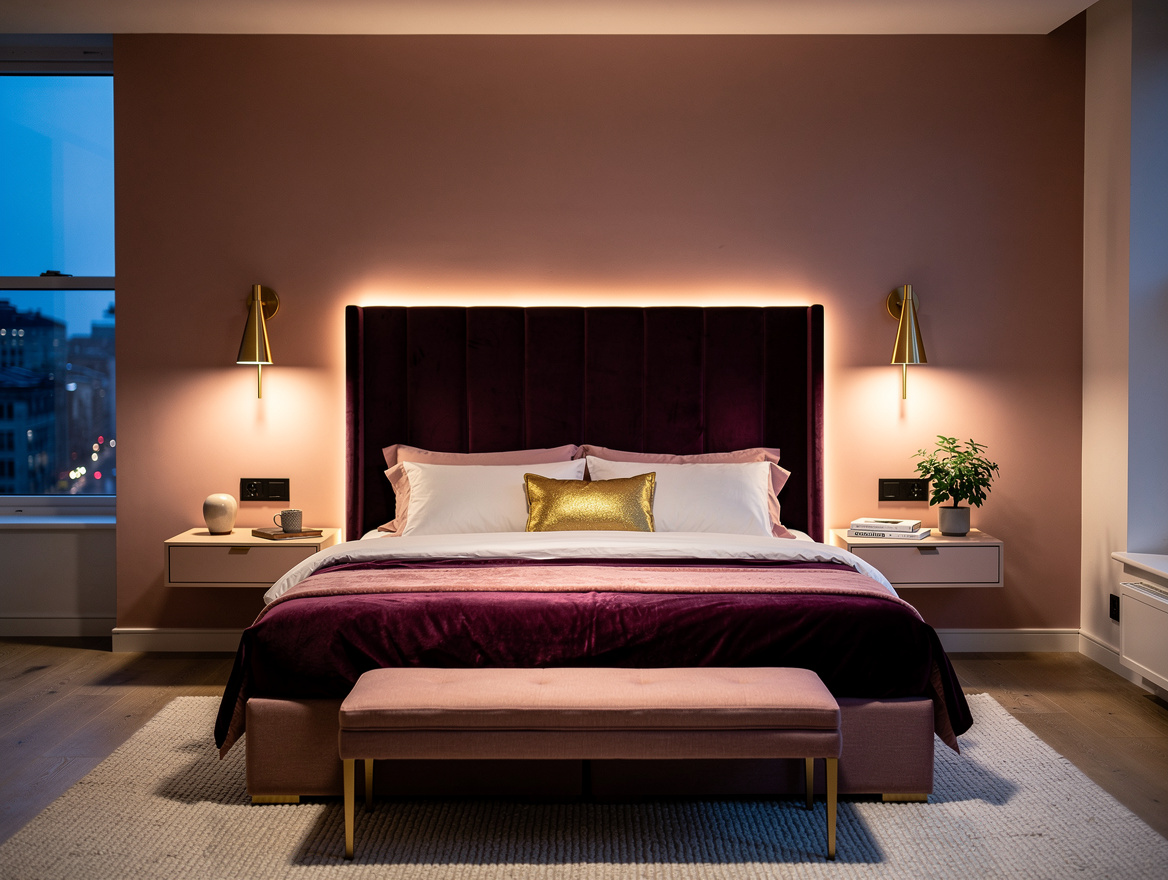
Before choosing the fabric, tape two beam paths onto the headboard and test them from a seated position. That small trial will reveal the right height, reach, and spacing before a single hole is cut.
Mia Carter writes about small-space living and budget home makeovers. She has restyled three rentals and tests most ideas in her own 45 sqm flat.