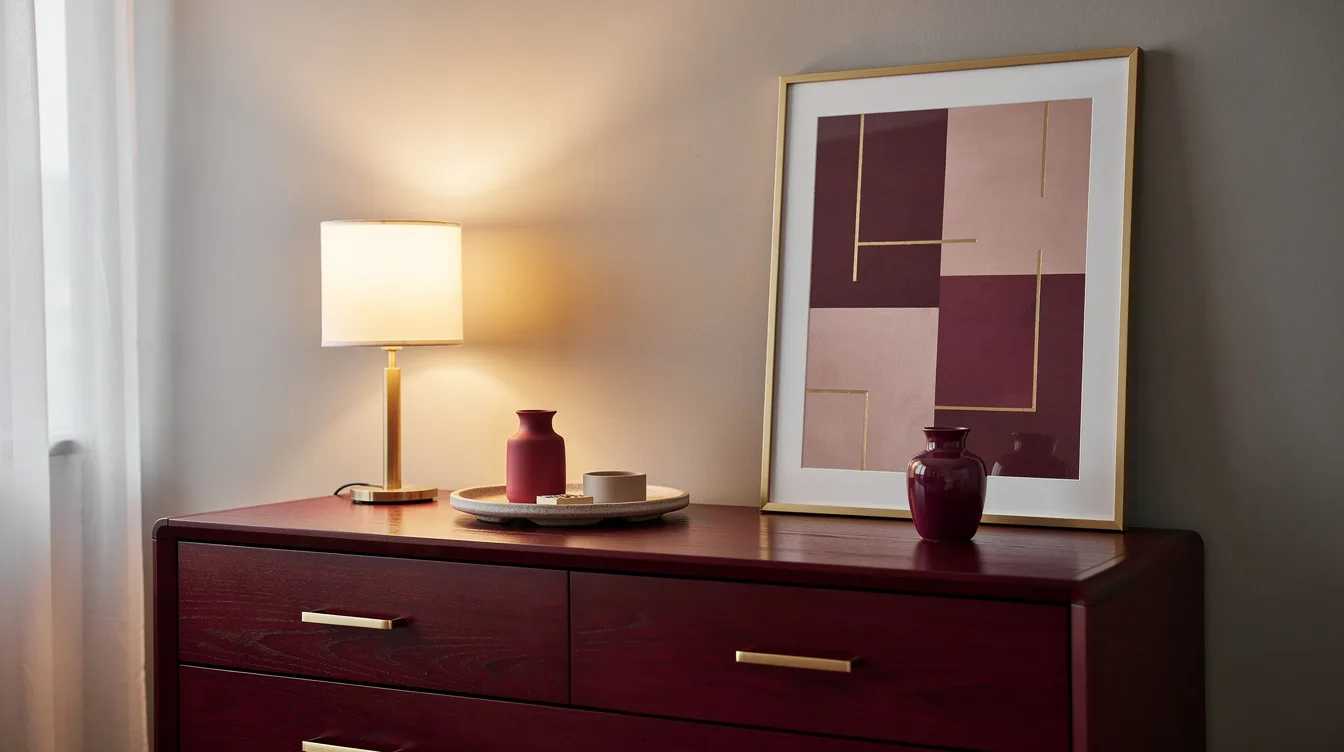
A 48-inch dresser can become visually crowded long before it runs out of storage space. The least-cluttered lamp setup treats the fixture as one vertical object, keeps its footprint near 15 percent of the dresser depth, and gives it a clear zone.
That means choosing a compact, dimmable lamp, hiding the cable, and resisting the urge to fill every open inch. When the surface already handles daily grooming, a wall-mounted or cordless option may work even better.
Measure the Footprint Before Styling
A typical dresser is about 18 to 22 inches deep, so keep the lamp base near 15 percent of that depth or less. A compact option such as an IKEA FADO keeps the vertical shape simple while leaving room for daily essentials.
Look for a base roughly 3 to 6 inches wide or deep, then leave about 8 to 12 inches of open surface on one side. That breathing room makes the lamp look placed on purpose instead of squeezed between objects.
Give the Lamp One Clear Zone
Choose one end of the dresser for lighting and let the rest of the top perform its storage job. A small lamp with an opaque linen shade works especially well because it hides the bulb and creates a calm block of texture.
Keep the lamp beside one useful item, such as a catchall or jewelry box. A single vertical accent, like a mirror or framed print, is enough behind it, while adding a vase and several ornaments usually weakens the composition.
Hide Every Inch of Cable
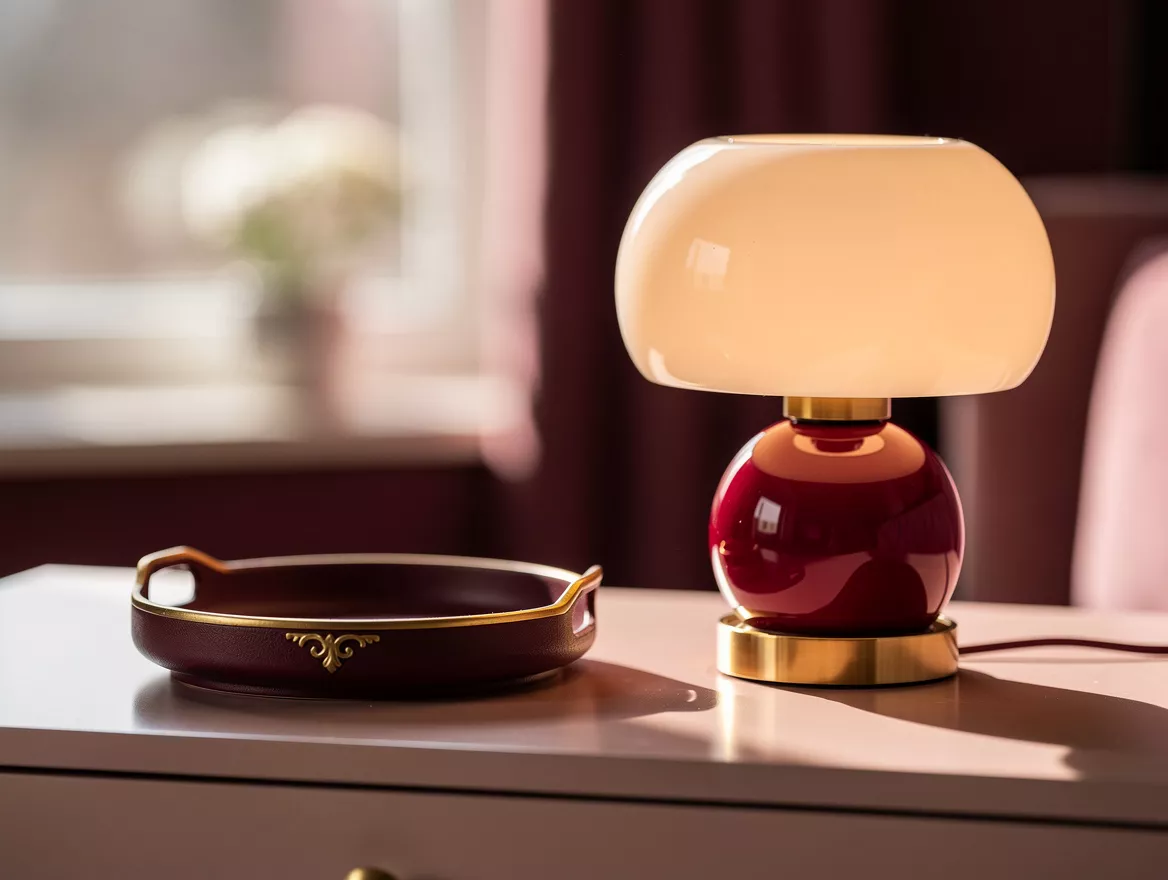
An exposed cable can make even an expensive dresser arrangement feel unfinished. Route the cord straight down the back and secure it with discreet clips from Home Depot, keeping the plug and charger brick away from the visible surface.
Use a cord cover that matches the wall or dresser rather than creating another contrast line. If the outlet is directly beside the furniture, a short cable path is cleaner than looping extra length behind the lamp.
Match the Glow to the Actual Task
For evening atmosphere, use a dimmable 2200K to 2700K LED bulb and aim for around 150 to 400 lumens. That range gives the bedroom a warm pool of light without turning the dresser into a work station.
Makeup, grooming, or detailed dressing may call for roughly 400 to 800 lumens, preferably from a directional fixture. A slim metal task lamp is the better choice when function matters more than a soft decorative glow.
Move the Light Off the Surface
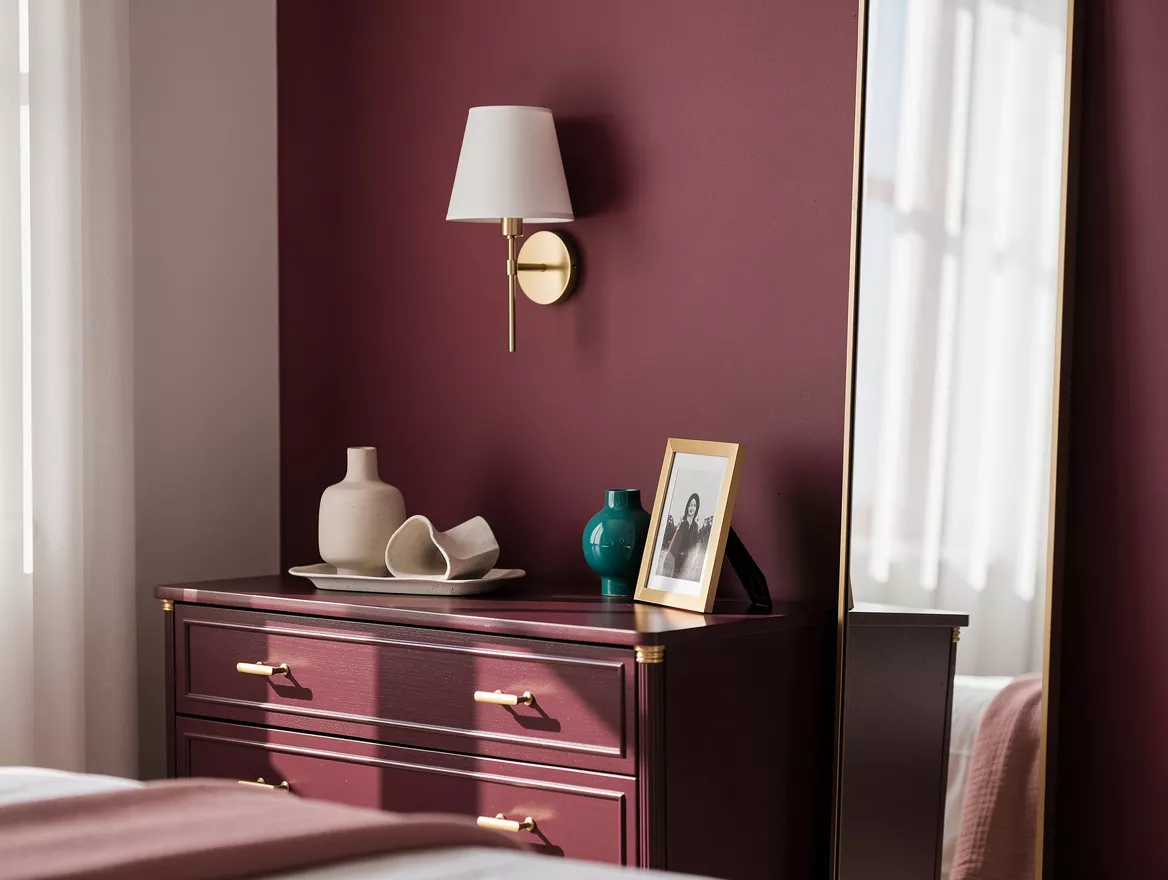
When the dresser holds skincare, perfume, or jewelry, a wall-mounted fixture gives those items the space they need. A compact IKEA ÅRSTID can work beside the dresser, while a plug-in sconce from Wayfair may leave the entire top open.
A rechargeable wall light is useful when drilling or rewiring is not practical. Choose a model with a small wall plate and controlled light direction, then mount it high enough to illuminate the surface without competing with the mirror.
Finish With One Useful Companion
The most polished arrangement usually contains the lamp plus one object that earns its place. An IKEA DEJSA paired with a small wooden catchall feels complete because both pieces have a clear visual and practical role.
Skip stacks of products, loose chargers, and tiny decorative pieces that collect dust. If you prefer a more modern look, brushed brass hardware or a matte black finish can supply enough contrast without adding another object.
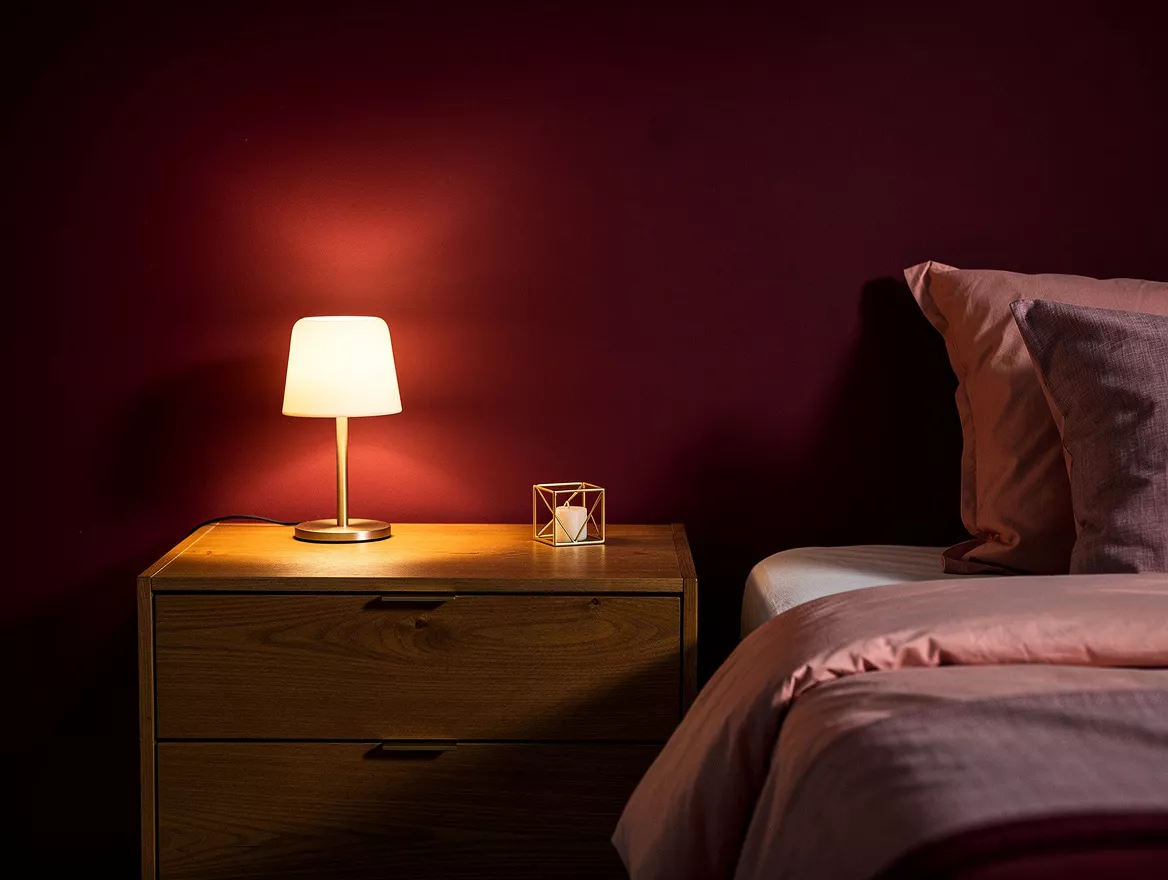
Start by clearing the dresser completely, then measure the depth and mark a lamp zone at one end. Once the light has its own space, add only the one companion item you reach for every day.
Mia Carter writes about small-space living and budget home makeovers. She has restyled three rentals and tests most ideas in her own 45 sqm flat.